


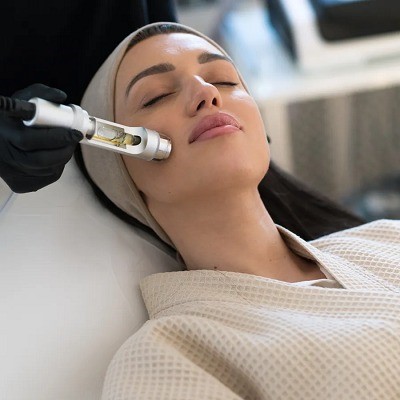
 Clear, healthy-looking skin is not only about treating existing blemishes; it is also about creating an environment where future breakouts are less likely to develop. For people dealing with clogged pores, excess oil, rough texture, or occasional acne, professional facial treatments may be one part of a broader skincare routine. One treatment that has gained attention for its cleansing and exfoliating approach is HydraFacial.HydraFacial Treatment in Oman (https://www.enfieldroyalclinics.om/skincare-treatments/hydrafacial-treatment/) is often considered by individuals who want a refreshed complexion while addressing concerns such as congestion, dullness, uneven texture, and buildup in the pores. But can the treatment actually help prevent future breakouts?The answer is nuanced. HydraFacial may help reduce some of the factors associated with clogged pores and congestion, but it should not be considered a guaranteed acne-prevention treatment. Its usefulness depends on the person's skin type, the cause of breakouts, the treatment approach, and the rest of the skincare routine.What Is a HydraFacial and How Does It Work?A HydraFacial is a professional skin treatment that generally combines cleansing, exfoliation, extraction, and hydration in a structured procedure. Instead of relying on aggressive manual squeezing, the treatment uses specialized equipment designed to help remove surface impurities and loosen congestion.The process is commonly associated with several steps:Cleansing: Removes surface oil, makeup, and impurities.Exfoliation: Helps loosen dead skin cells that can contribute to a rough or congested appearance.Extraction: Uses gentle suction to help remove certain impurities from pores.Hydration: Applies hydrating ingredients to support a smoother, more comfortable skin feel.This combination can make the skin appear cleaner and more refreshed immediately after treatment.For people concerned about breakouts, the extraction and exfoliation stages may be particularly relevant. Dead skin cells, excess sebum, and environmental debris can contribute to pore congestion. Keeping the skin appropriately cleansed and exfoliated may therefore support clearer-looking skin.However, acne is a complex condition. Hormones, genetics, inflammation, bacteria, medications, stress, and skincare products can all influence breakouts. A facial treatment alone cannot address every underlying cause.Can HydraFacial Help Prevent Future Breakouts?HydraFacial may help reduce some conditions that contribute to occasional breakouts, particularly when clogged pores and excess surface buildup are part of the problem.When dead skin cells and excess oil accumulate, pores can become congested. Over time, this congestion may contribute to blackheads, whiteheads, and other blemishes. A professional treatment that combines exfoliation and cleansing can help remove some of this buildup.The hydration component may also be useful because healthy skin does not necessarily mean completely oil-free skin. Overly aggressive cleansing or excessive exfoliation can leave the skin feeling dry and irritated, potentially making a skincare routine harder to maintain. A balanced approach that cleanses without excessively stripping the skin may be more comfortable for many people.That said, prevention is different from treatment. HydraFacial may support cleaner-looking pores and smoother skin, but it does not guarantee that future acne will not appear.For persistent or inflammatory acne, an individualized medical skincare plan may be more appropriate. Professional evaluation can help determine whether breakouts are primarily related to clogged pores, hormonal changes, irritation, or another underlying factor.How HydraFacial May Support Clearer-Looking SkinThere are several ways a properly performed HydraFacial may complement a breakout-conscious skincare routine.1. Helps Remove Surface BuildupDaily exposure to oil, sweat, cosmetics, sunscreen, and environmental particles can leave residue on the skin. Even with regular cleansing, some people experience persistent congestion.Professional cleansing and exfoliation can provide a deeper-feeling cleanse and help remove accumulated surface debris.2. Supports Gentle ExfoliationDead skin cells naturally shed from the skin, but they do not always disappear evenly. When excess dead cells accumulate around pores, the skin can look rough or congested.Controlled exfoliation can help improve the appearance of texture. For some people, this may also make pores appear less congested.3. May Help With Certain Types of CongestionPeople who experience blackheads or mild congestion may notice smoother-looking skin after treatments that include extraction. The effect, however, can vary depending on how congested the skin is and whether the underlying causes continue.4. Provides HydrationHydration is an important part of maintaining the skin barrier. A treatment that combines cleansing and exfoliation with hydrating ingredients may leave the skin feeling smoother and more comfortable.This can be especially useful for individuals who tend to over-cleanse their skin in an attempt to prevent breakouts.5. Can Complement a Consistent Skincare RoutineA professional facial should generally be viewed as an addition to everyday skincare rather than a replacement for it. Consistent cleansing, appropriate moisturization, sun protection, and carefully selected acne-friendly products remain important.Who May Benefit From HydraFacial for Breakout Concerns?HydraFacial may be worth considering for people who experience mild congestion, dullness, uneven texture, or an oily-looking complexion and want a professional treatment that combines several skincare steps.It may be particularly appealing to individuals who:Have occasional blackheads or clogged poresNotice excess oil or surface buildupWant smoother-looking skinExperience mild congestion rather than severe inflammatory acnePrefer a treatment that combines cleansing and hydrationWant to support the appearance of healthier, more refreshed skinHowever, suitability is individual. Someone with active, painful, inflamed, or cystic acne may need a different approach. Strong exfoliation or extraction may not be appropriate for every type of acne, especially when the skin is already irritated.A qualified skincare professional can assess the condition of the skin and determine whether a HydraFacial-style treatment is suitable.How Often Should HydraFacial Be Considered?There is no universal schedule that works for everyone. Treatment frequency should depend on skin type, sensitivity, existing skincare products, and the person's goals.Having a professional facial too frequently does not necessarily mean better results. The skin needs time to maintain its natural barrier and recover from exfoliation. Excessive exfoliation may lead to dryness, sensitivity, redness, or irritation.A practical approach is to focus on how the skin responds rather than assuming that more treatments will automatically provide greater acne prevention.Between professional treatments, everyday habits can make a significant difference. Gentle cleansing, avoiding unnecessary picking or squeezing, changing pillowcases regularly, removing makeup appropriately, and using non-comedogenic skincare products when suitable can all contribute to a consistent routine.For people with recurring acne, professional treatment should ideally be considered alongside—not instead of—evidence-based acne care.HydraFacial vs. Everyday Acne PreventionHydraFacial can support skin maintenance, but long-term breakout prevention usually requires more than occasional professional treatments.A well-rounded routine may include:Gentle cleansing: Cleansing helps remove excess oil, sweat, makeup, and environmental debris without unnecessarily irritating the skin.Appropriate moisturization: Moisturizers can help support the skin barrier. Oily or acne-prone skin can still benefit from hydration.Sun protection: Daily sunscreen helps protect the skin from ultraviolet exposure and can be especially important when exfoliating products are used.Careful exfoliation: Exfoliation can be helpful for some people, but excessive use can irritate acne-prone skin.Avoiding frequent touching: Picking and squeezing blemishes can increase irritation and may contribute to lingering marks or scarring.Targeted acne products: Depending on the type and severity of acne, ingredients such as salicylic acid or other acne-focused treatments may be recommended by a healthcare professional.The most important point is consistency. A professional facial may provide a temporary improvement in the appearance and feel of the skin, while daily skincare habits help maintain those results.What to Expect From HydraFacial Treatment in OmanPeople considering HydraFacial Treatment in Oman may have different goals, ranging from improving skin texture to reducing the appearance of congestion. Before treatment, it is helpful to communicate any history of acne, skin sensitivity, allergies, recent procedures, or current skincare products.A consultation can help determine whether the treatment is appropriate and whether certain steps should be adjusted.After treatment, the skin may look fresher and feel smoother. Some people experience temporary mild redness, particularly after exfoliation or extraction, although the response varies.Following aftercare recommendations is important. The skin may be more sensitive immediately after exfoliation, so avoiding unnecessary irritation and following appropriate sun-protection practices can be beneficial.It is also important to maintain realistic expectations. HydraFacial can improve the appearance and feel of the skin, but it should not be presented as a permanent solution for acne. Recurring or severe breakouts may require evaluation and a dedicated treatment plan.The Bottom Line: Can HydraFacial Prevent Breakouts?HydraFacial may help reduce some contributors to clogged pores, particularly surface buildup, excess oil, and congestion. By combining cleansing, exfoliation, extraction, and hydration, it can support smoother and cleaner-looking skin.However, it is not a guaranteed method for preventing future acne. Breakouts can have multiple causes, and professional facial treatments cannot address every underlying factor.For someone with mild congestion or occasional blemishes, HydraFacial may be a useful addition to an overall skincare strategy. For persistent, painful, or recurring acne, professional medical advice is more appropriate.Ultimately, the best results are likely to come from combining suitable professional treatments with consistent daily skincare and healthy skin habits. A personalized approach can help ensure that treatment choices match the person's skin type, concerns, and long-term goals.Frequently Asked Questions1. Can HydraFacial completely prevent future acne breakouts?No. HydraFacial may help reduce surface buildup and pore congestion, but it cannot guarantee that future acne will not develop. Hormones, genetics, inflammation, stress, medications, and other factors can contribute to breakouts.2. Is HydraFacial suitable for acne-prone skin?It may be suitable for some people with acne-prone skin, especially those experiencing mild congestion or blackheads. However, suitability depends on the individual's skin condition. Active inflammatory or severe acne may require a different treatment approach.3. Does HydraFacial help with clogged pores?HydraFacial can help cleanse and exfoliate the skin while using gentle extraction to address certain types of pore congestion. Results can vary depending on the severity and cause of the congestion.4. How often can someone have a HydraFacial?Treatment frequency should be based on skin type, sensitivity, and individual goals. More frequent treatments are not automatically better. A qualified professional can recommend an appropriate schedule.5. Can HydraFacial replace an acne skincare routine?No. A HydraFacial should generally complement, rather than replace, a consistent skincare routine. Gentle cleansing, moisturizing, sun protection, and suitable acne-focused products may still be important.6. When should someone seek professional help for acne?Professional advice may be appropriate when acne is persistent, painful, widespread, leaving scars or dark marks, or not improving with basic skincare. A healthcare professional can help identify the likely causes and recommend suitable treatment.Read More About HydraFacial Treatment: https://b.cari.com.my/home.php?mod=space&uid=3172561&do=blog&quickforward=1&id=623192
  Clear, healthy-looking skin is not only about treating existing blemishes; it is also about creating an environment where future breakouts are less likely to develop. For people dealing with clogged pores, excess oil, rough texture, or occasional acne, professional facial treatments may be one part of a broader skincare routine. One treatment that has gained attention for its cleansing and exfoliating approach is HydraFacial.HydraFacial Treatment in Oman (https://www.enfieldroyalclinics.om/skincare-treatments/hydrafacial-treatment/) is often considered by individuals who want a refreshed complexion while addressing concerns such as congestion, dullness, uneven texture, and buildup in the pores. But can the treatment actually help prevent future breakouts?The answer is nuanced. HydraFacial may help reduce some of the factors associated with clogged pores and congestion, but it should not be considered a guaranteed acne-prevention treatment. Its usefulness depends on the person's skin type, the cause of breakouts, the treatment approach, and the rest of the skincare routine.What Is a HydraFacial and How Does It Work?A HydraFacial is a professional skin treatment that generally combines cleansing, exfoliation, extraction, and hydration in a structured procedure. Instead of relying on aggressive manual squeezing, the treatment uses specialized equipment designed to help remove surface impurities and loosen congestion.The process is commonly associated with several steps:Cleansing: Removes surface oil, makeup, and impurities.Exfoliation: Helps loosen dead skin cells that can contribute to a rough or congested appearance.Extraction: Uses gentle suction to help remove certain impurities from pores.Hydration: Applies hydrating ingredients to support a smoother, more comfortable skin feel.This combination can make the skin appear cleaner and more refreshed immediately after treatment.For people concerned about breakouts, the extraction and exfoliation stages may be particularly relevant. Dead skin cells, excess sebum, and environmental debris can contribute to pore congestion. Keeping the skin appropriately cleansed and exfoliated may therefore support clearer-looking skin.However, acne is a complex condition. Hormones, genetics, inflammation, bacteria, medications, stress, and skincare products can all influence breakouts. A facial treatment alone cannot address every underlying cause.Can HydraFacial Help Prevent Future Breakouts?HydraFacial may help reduce some conditions that contribute to occasional breakouts, particularly when clogged pores and excess surface buildup are part of the problem.When dead skin cells and excess oil accumulate, pores can become congested. Over time, this congestion may contribute to blackheads, whiteheads, and other blemishes. A professional treatment that combines exfoliation and cleansing can help remove some of this buildup.The hydration component may also be useful because healthy skin does not necessarily mean completely oil-free skin. Overly aggressive cleansing or excessive exfoliation can leave the skin feeling dry and irritated, potentially making a skincare routine harder to maintain. A balanced approach that cleanses without excessively stripping the skin may be more comfortable for many people.That said, prevention is different from treatment. HydraFacial may support cleaner-looking pores and smoother skin, but it does not guarantee that future acne will not appear.For persistent or inflammatory acne, an individualized medical skincare plan may be more appropriate. Professional evaluation can help determine whether breakouts are primarily related to clogged pores, hormonal changes, irritation, or another underlying factor.How HydraFacial May Support Clearer-Looking SkinThere are several ways a properly performed HydraFacial may complement a breakout-conscious skincare routine.1. Helps Remove Surface BuildupDaily exposure to oil, sweat, cosmetics, sunscreen, and environmental particles can leave residue on the skin. Even with regular cleansing, some people experience persistent congestion.Professional cleansing and exfoliation can provide a deeper-feeling cleanse and help remove accumulated surface debris.2. Supports Gentle ExfoliationDead skin cells naturally shed from the skin, but they do not always disappear evenly. When excess dead cells accumulate around pores, the skin can look rough or congested.Controlled exfoliation can help improve the appearance of texture. For some people, this may also make pores appear less congested.3. May Help With Certain Types of CongestionPeople who experience blackheads or mild congestion may notice smoother-looking skin after treatments that include extraction. The effect, however, can vary depending on how congested the skin is and whether the underlying causes continue.4. Provides HydrationHydration is an important part of maintaining the skin barrier. A treatment that combines cleansing and exfoliation with hydrating ingredients may leave the skin feeling smoother and more comfortable.This can be especially useful for individuals who tend to over-cleanse their skin in an attempt to prevent breakouts.5. Can Complement a Consistent Skincare RoutineA professional facial should generally be viewed as an addition to everyday skincare rather than a replacement for it. Consistent cleansing, appropriate moisturization, sun protection, and carefully selected acne-friendly products remain important.Who May Benefit From HydraFacial for Breakout Concerns?HydraFacial may be worth considering for people who experience mild congestion, dullness, uneven texture, or an oily-looking complexion and want a professional treatment that combines several skincare steps.It may be particularly appealing to individuals who:Have occasional blackheads or clogged poresNotice excess oil or surface buildupWant smoother-looking skinExperience mild congestion rather than severe inflammatory acnePrefer a treatment that combines cleansing and hydrationWant to support the appearance of healthier, more refreshed skinHowever, suitability is individual. Someone with active, painful, inflamed, or cystic acne may need a different approach. Strong exfoliation or extraction may not be appropriate for every type of acne, especially when the skin is already irritated.A qualified skincare professional can assess the condition of the skin and determine whether a HydraFacial-style treatment is suitable.How Often Should HydraFacial Be Considered?There is no universal schedule that works for everyone. Treatment frequency should depend on skin type, sensitivity, existing skincare products, and the person's goals.Having a professional facial too frequently does not necessarily mean better results. The skin needs time to maintain its natural barrier and recover from exfoliation. Excessive exfoliation may lead to dryness, sensitivity, redness, or irritation.A practical approach is to focus on how the skin responds rather than assuming that more treatments will automatically provide greater acne prevention.Between professional treatments, everyday habits can make a significant difference. Gentle cleansing, avoiding unnecessary picking or squeezing, changing pillowcases regularly, removing makeup appropriately, and using non-comedogenic skincare products when suitable can all contribute to a consistent routine.For people with recurring acne, professional treatment should ideally be considered alongside—not instead of—evidence-based acne care.HydraFacial vs. Everyday Acne PreventionHydraFacial can support skin maintenance, but long-term breakout prevention usually requires more than occasional professional treatments.A well-rounded routine may include:Gentle cleansing: Cleansing helps remove excess oil, sweat, makeup, and environmental debris without unnecessarily irritating the skin.Appropriate moisturization: Moisturizers can help support the skin barrier. Oily or acne-prone skin can still benefit from hydration.Sun protection: Daily sunscreen helps protect the skin from ultraviolet exposure and can be especially important when exfoliating products are used.Careful exfoliation: Exfoliation can be helpful for some people, but excessive use can irritate acne-prone skin.Avoiding frequent touching: Picking and squeezing blemishes can increase irritation and may contribute to lingering marks or scarring.Targeted acne products: Depending on the type and severity of acne, ingredients such as salicylic acid or other acne-focused treatments may be recommended by a healthcare professional.The most important point is consistency. A professional facial may provide a temporary improvement in the appearance and feel of the skin, while daily skincare habits help maintain those results.What to Expect From HydraFacial Treatment in OmanPeople considering HydraFacial Treatment in Oman may have different goals, ranging from improving skin texture to reducing the appearance of congestion. Before treatment, it is helpful to communicate any history of acne, skin sensitivity, allergies, recent procedures, or current skincare products.A consultation can help determine whether the treatment is appropriate and whether certain steps should be adjusted.After treatment, the skin may look fresher and feel smoother. Some people experience temporary mild redness, particularly after exfoliation or extraction, although the response varies.Following aftercare recommendations is important. The skin may be more sensitive immediately after exfoliation, so avoiding unnecessary irritation and following appropriate sun-protection practices can be beneficial.It is also important to maintain realistic expectations. HydraFacial can improve the appearance and feel of the skin, but it should not be presented as a permanent solution for acne. Recurring or severe breakouts may require evaluation and a dedicated treatment plan.The Bottom Line: Can HydraFacial Prevent Breakouts?HydraFacial may help reduce some contributors to clogged pores, particularly surface buildup, excess oil, and congestion. By combining cleansing, exfoliation, extraction, and hydration, it can support smoother and cleaner-looking skin.However, it is not a guaranteed method for preventing future acne. Breakouts can have multiple causes, and professional facial treatments cannot address every underlying factor.For someone with mild congestion or occasional blemishes, HydraFacial may be a useful addition to an overall skincare strategy. For persistent, painful, or recurring acne, professional medical advice is more appropriate.Ultimately, the best results are likely to come from combining suitable professional treatments with consistent daily skincare and healthy skin habits. A personalized approach can help ensure that treatment choices match the person's skin type, concerns, and long-term goals.Frequently Asked Questions1. Can HydraFacial completely prevent future acne breakouts?No. HydraFacial may help reduce surface buildup and pore congestion, but it cannot guarantee that future acne will not develop. Hormones, genetics, inflammation, stress, medications, and other factors can contribute to breakouts.2. Is HydraFacial suitable for acne-prone skin?It may be suitable for some people with acne-prone skin, especially those experiencing mild congestion or blackheads. However, suitability depends on the individual's skin condition. Active inflammatory or severe acne may require a different treatment approach.3. Does HydraFacial help with clogged pores?HydraFacial can help cleanse and exfoliate the skin while using gentle extraction to address certain types of pore congestion. Results can vary depending on the severity and cause of the congestion.4. How often can someone have a HydraFacial?Treatment frequency should be based on skin type, sensitivity, and individual goals. More frequent treatments are not automatically better. A qualified professional can recommend an appropriate schedule.5. Can HydraFacial replace an acne skincare routine?No. A HydraFacial should generally complement, rather than replace, a consistent skincare routine. Gentle cleansing, moisturizing, sun protection, and suitable acne-focused products may still be important.6. When should someone seek professional help for acne?Professional advice may be appropriate when acne is persistent, painful, widespread, leaving scars or dark marks, or not improving with basic skincare. A healthcare professional can help identify the likely causes and recommend suitable treatment.Read More About HydraFacial Treatment: https://b.cari.com.my/home.php?mod=space&uid=3172561&do=blog&quickforward=1&id=623192
 Wed, 7 October 26 : 10:10 : Enfield Oman
Visit / Join Group to Reply