


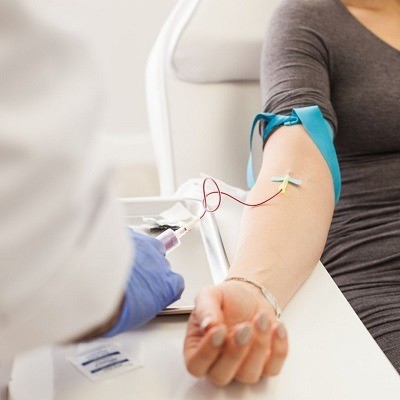
 For some people, the idea of receiving an IV drip can bring a surprising amount of anxiety. Even when someone understands that IV therapy may be a routine procedure, the thought of a needle, seeing medical equipment, or waiting for the IV cannula to be inserted can feel uncomfortable. This is especially common among people who already have a fear of needles or have experienced a difficult injection in the past.The good news is that needle anxiety does not mean a person cannot receive an IV comfortably. With preparation, communication, relaxation techniques, and support from trained healthcare professionals, the experience can become much easier.For people considering IV Drips in Oman (https://www.enfieldroyalclinics.om/iv-drip/), understanding what happens before, during, and after the procedure can also reduce uncertainty. Knowing what to expect often makes the process feel more manageable and allows a person to approach IV therapy with greater confidence.Understanding Needle Anxiety and IV DripsNeedle anxiety can range from mild nervousness to an intense fear of injections or medical procedures. Some people become anxious simply when they see a needle, while others may experience sweating, dizziness, a racing heartbeat, muscle tension, or an urge to avoid the procedure altogether.An IV drip involves placing a small flexible catheter into a vein, usually in the arm or hand. The catheter allows fluids or prescribed substances to be delivered directly into the bloodstream over a period of time. Although the initial insertion involves a needle, the needle itself is removed after the catheter is positioned.For someone with needle anxiety, the anticipation can sometimes feel worse than the actual procedure. The mind may focus on possible discomfort, making the situation seem more threatening than it is.Understanding the basic process can help. A healthcare professional generally cleans the skin, prepares the equipment, inserts the IV catheter, secures it, and then connects the prescribed infusion. The person can usually sit or recline while the treatment takes place.The exact contents of an IV drip and whether IV therapy is appropriate depend on an individual's health status, symptoms, medical history, and the recommendation of a qualified healthcare professional.Why IV Therapy Can Feel StressfulSeveral factors can contribute to anxiety around IV treatment.One of the most common is fear of pain. A person may remember an uncomfortable injection or worry that the IV insertion will hurt significantly. Another factor is lack of control. Sitting still while someone inserts a catheter can make some people feel vulnerable.Visual triggers can also play a role. Seeing needles, tubing, blood, or medical equipment may increase nervousness. Some people may even feel anxious because they do not know exactly what will happen next.Previous experiences matter as well. A difficult blood draw, unsuccessful IV attempt, or unpleasant medical experience can create expectations that the next procedure will be similar.For these reasons, communication is particularly important. Someone experiencing anxiety should tell the healthcare professional before the procedure begins. This gives the care team an opportunity to explain the process, answer questions, and make reasonable adjustments to improve comfort.Practical Ways to Feel More Comfortable Before an IV DripPreparation can make a significant difference. Rather than arriving while already highly stressed, a person can take a few simple steps beforehand.First, it can help to explain the needle anxiety clearly. Saying that needles cause significant nervousness allows the healthcare professional to understand the person's needs. There is no reason to feel embarrassed about this; needle anxiety is common.It may also help to avoid watching the IV insertion. Looking away, closing the eyes, or focusing attention on another object can reduce visual anxiety.Slow breathing is another useful strategy. Before the procedure, a person can inhale gently, pause briefly, and then breathe out slowly. Repeating this several times may help reduce physical tension.Adequate hydration may also make vein access easier for some people, although hydration recommendations should depend on the individual's medical circumstances and the healthcare professional's advice. A person should not deliberately consume excessive fluids simply to prepare for an IV.Comfortable clothing can also be helpful. Loose sleeves or clothing that allows easy access to the arm can make the process more convenient.Most importantly, the person should avoid assuming that anxiety means something will go wrong. A calm, informed approach can help break the cycle of anticipation and fear.What to Do During IV InsertionWhen the IV is being placed, focusing attention somewhere other than the procedure can be useful.A person might listen to music through headphones, have a conversation, watch something on a phone, or concentrate on slow breathing. The goal is not necessarily to eliminate anxiety completely but to prevent attention from becoming fixed on the needle.Keeping the muscles relaxed can also help. Some people instinctively tense their entire body when they are nervous. Gentle relaxation of the shoulders, hands, and jaw can make the experience feel less overwhelming.People who are prone to feeling faint around needles may benefit from telling the healthcare professional in advance. If someone has previously experienced dizziness or fainting during injections or blood draws, the care team should know before the IV is inserted.A person should also speak up if something feels unusually painful. Mild discomfort during insertion can occur, but persistent or significant pain should not simply be ignored. The healthcare professional can assess the IV site and determine whether an adjustment is necessary.Once the catheter is properly positioned, the needle used for insertion is removed. The flexible catheter remains in place to deliver the prescribed infusion.Making the IV Drip Experience More RelaxingThe infusion period can be relatively uneventful, which gives the person an opportunity to settle down after the initial insertion.Bringing headphones, a book, or another quiet activity can make the waiting period more comfortable. Some people prefer conversation, while others find silence more relaxing.Controlled breathing can continue during the infusion. A simple technique is to breathe slowly and comfortably without forcing very deep breaths. Relaxing the shoulders and unclenching the hands can also reduce physical signs of stress.It is important to remember that anxiety symptoms can sometimes resemble physical symptoms. A racing heart, sweating, or feeling tense may simply reflect nervousness. However, new or concerning physical symptoms during an IV infusion should always be reported to the healthcare professional rather than being automatically attributed to anxiety.People considering IV Drips in Oman should also remember that IV therapy is a medical procedure, not simply a wellness experience. The safety and suitability of treatment depend on the substance being infused, the person's medical condition, appropriate screening, sterile technique, and professional supervision.Choosing a Safe Approach to IV Drips in OmanAnyone considering IV therapy should focus on safety rather than simply choosing a treatment based on convenience or promotional claims.Before receiving an IV drip, it is reasonable to ask what the infusion contains, why it has been recommended, how it will be administered, and what possible side effects or risks may exist.A qualified healthcare professional should consider relevant medical history, allergies, current medications, underlying conditions, and other factors before recommending treatment. Not every person is a suitable candidate for every type of IV infusion.People should also be cautious about claims suggesting that IV therapy can automatically treat a wide range of unrelated health problems. The evidence and medical appropriateness can vary considerably depending on the specific treatment and its intended purpose.For someone with needle anxiety, the quality of communication matters just as much as the physical setting. A professional who listens to concerns and explains each stage of the procedure can help create a much more reassuring experience.Simple Techniques for Managing Needle Fear Over TimeIf needle anxiety is persistent, it can be useful to work on the fear beyond a single IV appointment.Gradual exposure can sometimes help people become less reactive to medical needles. For example, someone may first become comfortable discussing the procedure, then looking at neutral medical images, and eventually becoming more comfortable with routine medical settings. This should be approached gradually rather than forcing exposure to something that causes severe distress.Relaxation skills can also become more effective with practice. Breathing exercises, mindfulness, and muscle relaxation are easier to use during a medical procedure when they have already been practiced at home.People with severe needle phobia may benefit from speaking with a qualified mental health professional. Certain forms of psychological therapy can help people understand and manage specific fears.The key is to treat anxiety as something that can be managed rather than as a personal weakness. A person does not have to enjoy needles to become more comfortable with necessary medical procedures.FAQs About IV Drips and Needle Anxiety1. Do IV drips hurt?IV insertion may cause a brief pinch or moment of discomfort when the catheter is placed. Once the catheter is positioned, it should generally not cause significant pain. If there is ongoing or increasing discomfort, the person should tell the healthcare professional so the IV site can be checked.2. What should someone do if they are afraid of needles?The best first step is to tell the healthcare professional before the procedure. Looking away during insertion, practicing slow breathing, listening to music, and using distraction can also help. People who frequently faint or become severely distressed around needles should mention this in advance.3. Can someone look away during IV insertion?Yes. A person does not need to watch the procedure. Looking away or closing the eyes is a simple strategy that can reduce anxiety caused by seeing the needle or equipment.4. Are IV Drips in Oman suitable for everyone?No. Suitability depends on the person's health, medical history, medications, allergies, hydration status, and the specific substance being administered. IV therapy should be recommended and administered by appropriately qualified healthcare professionals after considering individual circumstances.5. What can make an IV drip appointment more comfortable?Comfortable clothing, adequate preparation, communication with the care team, distraction, slow breathing, and avoiding unnecessary focus on the needle can all help. Bringing headphones or another calming activity may also make the infusion period easier.6. When should someone report a problem during an IV infusion?Any significant pain, swelling, burning, unusual redness, dizziness, difficulty breathing, or other concerning symptom should be reported promptly to the healthcare professional. It is better to mention a concern early than to assume it is simply part of the treatment.Final ThoughtsNeedle anxiety is common, understandable, and manageable. For people considering IV Drips in Oman, preparation and open communication can make the experience considerably less intimidating. Understanding how IV insertion works, using distraction and relaxation techniques, and choosing appropriate professional care can help a person feel more confident.IV therapy should always be approached as a medical procedure rather than a one-size-fits-all wellness solution. A qualified healthcare professional can determine whether a particular infusion is appropriate and explain its potential benefits and risks.For anyone who feels nervous about needles, the most important message is simple: feeling anxious does not mean the procedure cannot be completed comfortably. With the right preparation and support, even someone who strongly dislikes needles can learn to approach an IV appointment with much greater calm.Read More About IV Drips: https://b.cari.com.my/home.php?mod=space&uid=3172561&do=blog&quickforward=1&id=623173
  For some people, the idea of receiving an IV drip can bring a surprising amount of anxiety. Even when someone understands that IV therapy may be a routine procedure, the thought of a needle, seeing medical equipment, or waiting for the IV cannula to be inserted can feel uncomfortable. This is especially common among people who already have a fear of needles or have experienced a difficult injection in the past.The good news is that needle anxiety does not mean a person cannot receive an IV comfortably. With preparation, communication, relaxation techniques, and support from trained healthcare professionals, the experience can become much easier.For people considering IV Drips in Oman (https://www.enfieldroyalclinics.om/iv-drip/), understanding what happens before, during, and after the procedure can also reduce uncertainty. Knowing what to expect often makes the process feel more manageable and allows a person to approach IV therapy with greater confidence.Understanding Needle Anxiety and IV DripsNeedle anxiety can range from mild nervousness to an intense fear of injections or medical procedures. Some people become anxious simply when they see a needle, while others may experience sweating, dizziness, a racing heartbeat, muscle tension, or an urge to avoid the procedure altogether.An IV drip involves placing a small flexible catheter into a vein, usually in the arm or hand. The catheter allows fluids or prescribed substances to be delivered directly into the bloodstream over a period of time. Although the initial insertion involves a needle, the needle itself is removed after the catheter is positioned.For someone with needle anxiety, the anticipation can sometimes feel worse than the actual procedure. The mind may focus on possible discomfort, making the situation seem more threatening than it is.Understanding the basic process can help. A healthcare professional generally cleans the skin, prepares the equipment, inserts the IV catheter, secures it, and then connects the prescribed infusion. The person can usually sit or recline while the treatment takes place.The exact contents of an IV drip and whether IV therapy is appropriate depend on an individual's health status, symptoms, medical history, and the recommendation of a qualified healthcare professional.Why IV Therapy Can Feel StressfulSeveral factors can contribute to anxiety around IV treatment.One of the most common is fear of pain. A person may remember an uncomfortable injection or worry that the IV insertion will hurt significantly. Another factor is lack of control. Sitting still while someone inserts a catheter can make some people feel vulnerable.Visual triggers can also play a role. Seeing needles, tubing, blood, or medical equipment may increase nervousness. Some people may even feel anxious because they do not know exactly what will happen next.Previous experiences matter as well. A difficult blood draw, unsuccessful IV attempt, or unpleasant medical experience can create expectations that the next procedure will be similar.For these reasons, communication is particularly important. Someone experiencing anxiety should tell the healthcare professional before the procedure begins. This gives the care team an opportunity to explain the process, answer questions, and make reasonable adjustments to improve comfort.Practical Ways to Feel More Comfortable Before an IV DripPreparation can make a significant difference. Rather than arriving while already highly stressed, a person can take a few simple steps beforehand.First, it can help to explain the needle anxiety clearly. Saying that needles cause significant nervousness allows the healthcare professional to understand the person's needs. There is no reason to feel embarrassed about this; needle anxiety is common.It may also help to avoid watching the IV insertion. Looking away, closing the eyes, or focusing attention on another object can reduce visual anxiety.Slow breathing is another useful strategy. Before the procedure, a person can inhale gently, pause briefly, and then breathe out slowly. Repeating this several times may help reduce physical tension.Adequate hydration may also make vein access easier for some people, although hydration recommendations should depend on the individual's medical circumstances and the healthcare professional's advice. A person should not deliberately consume excessive fluids simply to prepare for an IV.Comfortable clothing can also be helpful. Loose sleeves or clothing that allows easy access to the arm can make the process more convenient.Most importantly, the person should avoid assuming that anxiety means something will go wrong. A calm, informed approach can help break the cycle of anticipation and fear.What to Do During IV InsertionWhen the IV is being placed, focusing attention somewhere other than the procedure can be useful.A person might listen to music through headphones, have a conversation, watch something on a phone, or concentrate on slow breathing. The goal is not necessarily to eliminate anxiety completely but to prevent attention from becoming fixed on the needle.Keeping the muscles relaxed can also help. Some people instinctively tense their entire body when they are nervous. Gentle relaxation of the shoulders, hands, and jaw can make the experience feel less overwhelming.People who are prone to feeling faint around needles may benefit from telling the healthcare professional in advance. If someone has previously experienced dizziness or fainting during injections or blood draws, the care team should know before the IV is inserted.A person should also speak up if something feels unusually painful. Mild discomfort during insertion can occur, but persistent or significant pain should not simply be ignored. The healthcare professional can assess the IV site and determine whether an adjustment is necessary.Once the catheter is properly positioned, the needle used for insertion is removed. The flexible catheter remains in place to deliver the prescribed infusion.Making the IV Drip Experience More RelaxingThe infusion period can be relatively uneventful, which gives the person an opportunity to settle down after the initial insertion.Bringing headphones, a book, or another quiet activity can make the waiting period more comfortable. Some people prefer conversation, while others find silence more relaxing.Controlled breathing can continue during the infusion. A simple technique is to breathe slowly and comfortably without forcing very deep breaths. Relaxing the shoulders and unclenching the hands can also reduce physical signs of stress.It is important to remember that anxiety symptoms can sometimes resemble physical symptoms. A racing heart, sweating, or feeling tense may simply reflect nervousness. However, new or concerning physical symptoms during an IV infusion should always be reported to the healthcare professional rather than being automatically attributed to anxiety.People considering IV Drips in Oman should also remember that IV therapy is a medical procedure, not simply a wellness experience. The safety and suitability of treatment depend on the substance being infused, the person's medical condition, appropriate screening, sterile technique, and professional supervision.Choosing a Safe Approach to IV Drips in OmanAnyone considering IV therapy should focus on safety rather than simply choosing a treatment based on convenience or promotional claims.Before receiving an IV drip, it is reasonable to ask what the infusion contains, why it has been recommended, how it will be administered, and what possible side effects or risks may exist.A qualified healthcare professional should consider relevant medical history, allergies, current medications, underlying conditions, and other factors before recommending treatment. Not every person is a suitable candidate for every type of IV infusion.People should also be cautious about claims suggesting that IV therapy can automatically treat a wide range of unrelated health problems. The evidence and medical appropriateness can vary considerably depending on the specific treatment and its intended purpose.For someone with needle anxiety, the quality of communication matters just as much as the physical setting. A professional who listens to concerns and explains each stage of the procedure can help create a much more reassuring experience.Simple Techniques for Managing Needle Fear Over TimeIf needle anxiety is persistent, it can be useful to work on the fear beyond a single IV appointment.Gradual exposure can sometimes help people become less reactive to medical needles. For example, someone may first become comfortable discussing the procedure, then looking at neutral medical images, and eventually becoming more comfortable with routine medical settings. This should be approached gradually rather than forcing exposure to something that causes severe distress.Relaxation skills can also become more effective with practice. Breathing exercises, mindfulness, and muscle relaxation are easier to use during a medical procedure when they have already been practiced at home.People with severe needle phobia may benefit from speaking with a qualified mental health professional. Certain forms of psychological therapy can help people understand and manage specific fears.The key is to treat anxiety as something that can be managed rather than as a personal weakness. A person does not have to enjoy needles to become more comfortable with necessary medical procedures.FAQs About IV Drips and Needle Anxiety1. Do IV drips hurt?IV insertion may cause a brief pinch or moment of discomfort when the catheter is placed. Once the catheter is positioned, it should generally not cause significant pain. If there is ongoing or increasing discomfort, the person should tell the healthcare professional so the IV site can be checked.2. What should someone do if they are afraid of needles?The best first step is to tell the healthcare professional before the procedure. Looking away during insertion, practicing slow breathing, listening to music, and using distraction can also help. People who frequently faint or become severely distressed around needles should mention this in advance.3. Can someone look away during IV insertion?Yes. A person does not need to watch the procedure. Looking away or closing the eyes is a simple strategy that can reduce anxiety caused by seeing the needle or equipment.4. Are IV Drips in Oman suitable for everyone?No. Suitability depends on the person's health, medical history, medications, allergies, hydration status, and the specific substance being administered. IV therapy should be recommended and administered by appropriately qualified healthcare professionals after considering individual circumstances.5. What can make an IV drip appointment more comfortable?Comfortable clothing, adequate preparation, communication with the care team, distraction, slow breathing, and avoiding unnecessary focus on the needle can all help. Bringing headphones or another calming activity may also make the infusion period easier.6. When should someone report a problem during an IV infusion?Any significant pain, swelling, burning, unusual redness, dizziness, difficulty breathing, or other concerning symptom should be reported promptly to the healthcare professional. It is better to mention a concern early than to assume it is simply part of the treatment.Final ThoughtsNeedle anxiety is common, understandable, and manageable. For people considering IV Drips in Oman, preparation and open communication can make the experience considerably less intimidating. Understanding how IV insertion works, using distraction and relaxation techniques, and choosing appropriate professional care can help a person feel more confident.IV therapy should always be approached as a medical procedure rather than a one-size-fits-all wellness solution. A qualified healthcare professional can determine whether a particular infusion is appropriate and explain its potential benefits and risks.For anyone who feels nervous about needles, the most important message is simple: feeling anxious does not mean the procedure cannot be completed comfortably. With the right preparation and support, even someone who strongly dislikes needles can learn to approach an IV appointment with much greater calm.Read More About IV Drips: https://b.cari.com.my/home.php?mod=space&uid=3172561&do=blog&quickforward=1&id=623173
 Wed, 7 October 26 : 6:10 : Enfield Oman
Visit / Join Group to Reply