


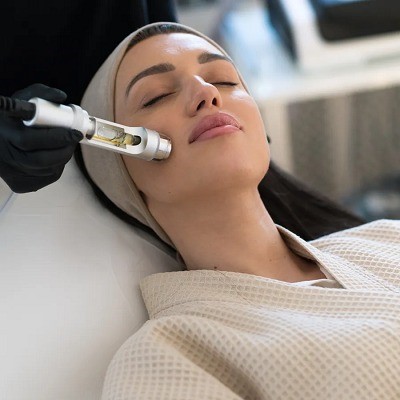
 For anyone considering Botox injections for the first time, one of the most common questions is simple: Do Botox injections hurt? The thought of needles near the face can naturally make a person feel nervous, especially when there is uncertainty about what the treatment actually feels like.The good news is that Botox Injections (https://www.enfieldroyalclinics.om/cosmetic-injectables/botox-injections/) are generally considered a quick and relatively well-tolerated cosmetic procedure. Most people describe the sensation as a brief pinch, tiny prick, or mild stinging rather than significant pain. Discomfort can vary depending on the injection area, individual sensitivity, and the number of injections required.Understanding what happens before, during, and after Botox injections can make the experience feel much less intimidating. With realistic expectations and proper aftercare, first-time patients can approach the treatment with greater confidence.What Are Botox Injections?Botox injections use a purified form of botulinum toxin type A to temporarily reduce muscle activity. When injected into specific muscles, the treatment prevents those muscles from contracting as strongly as they normally would.Reduced muscle movement can soften the appearance of certain dynamic wrinkles, particularly those associated with facial expressions. Common treatment areas include the forehead, the area between the eyebrows, and the outer corners of the eyes.Botox injections are also used for certain medical purposes, including the management of excessive sweating and some muscle-related conditions. However, the appropriate treatment area, dosage, and injection technique depend on the individual's goals and circumstances.Because the procedure involves very small amounts of product delivered through a fine needle, the injections themselves usually take only a short amount of time.Do Botox Injections Hurt?For most people, Botox injections cause minimal and temporary discomfort rather than significant pain.The sensation is often compared with a small pinch or quick needle prick. Some people may notice mild stinging or pressure as the product is injected. Since the needle used for Botox injections is very fine, the sensation is usually brief.Pain perception varies considerably from person to person. Someone who is particularly sensitive to needles may experience more discomfort than someone who rarely notices injections. Anxiety can also make sensations feel more intense because nervousness can increase awareness of what is happening.The treatment area can also make a difference. Areas with thinner skin or greater sensitivity may feel slightly more noticeable during injection. Even so, individual injections generally last only a moment.For first-time patients, knowing that the discomfort is typically brief can help reduce anxiety. The procedure is usually much faster than people imagine.What Does a Botox Injection Feel Like?A Botox injection can produce several sensations, but they are usually short-lived.At the moment the needle enters the skin, a person may feel a tiny prick. A brief burning or stinging sensation can occur while the solution is injected. Some people also experience slight pressure around the treatment area.After the needle is removed, the sensation generally disappears quickly. A small raised spot may temporarily appear at the injection site, similar to what can happen after other types of injections. These small bumps commonly settle on their own within a short period.The experience can be different for every person. Some patients barely notice the injections, while others are more aware of each one. Neither response necessarily indicates a problem.A calm environment, relaxed facial muscles, and clear communication with the treatment provider can make the process more comfortable.What Can Make Botox Injections More Comfortable?Several simple factors may help make Botox injections easier for first-time patients.Choosing an experienced qualified providerProper injection technique can make a significant difference. A qualified healthcare professional should understand facial anatomy, appropriate injection points, and safe dosing. Patients should always choose a licensed and appropriately trained provider rather than focusing only on convenience or cost.Discussing needle anxiety beforehandAnyone who feels nervous about needles should mention it before treatment. Knowing about the anxiety allows the provider to explain each step and work at a comfortable pace.Keeping facial muscles relaxedTensing the face because of nervousness can make the experience feel more uncomfortable. Slow breathing and consciously relaxing the forehead, jaw, and other facial muscles may help.Following pre-treatment instructionsA provider may recommend avoiding certain medications or supplements before treatment, depending on an individual's circumstances. Patients should not stop prescribed medication without medical advice. Instead, they should discuss all medications and supplements with the healthcare professional beforehand.Using appropriate comfort measuresIn some situations, a provider may recommend a topical numbing product, cooling technique, or another comfort measure. Whether this is necessary depends on the treatment area and individual preference.What Happens During a Botox Treatment?Knowing what to expect can make a first appointment much less stressful.The process typically begins with a consultation. The provider evaluates the treatment area, discusses the patient's goals, reviews relevant medical information, and determines whether Botox injections are appropriate.The skin is then prepared for treatment. The provider identifies the planned injection points based on facial anatomy and the desired outcome.A very fine needle is used to deliver small amounts of Botox into selected muscles. Several injections may be necessary, depending on the treatment area and the desired result. Each injection generally takes only a few seconds.The entire appointment can be relatively short, although the exact duration depends on the number of areas being treated.After the injections, the provider may give specific aftercare instructions. Patients can usually return to many normal activities relatively quickly, although they should follow the individual guidance they receive.What Happens After Botox Injections?Immediately after Botox injections, mild redness, tenderness, swelling, or small bumps can occur around the injection sites. These effects are generally temporary.Some people develop a small bruise, particularly if a tiny blood vessel is affected during injection. Bruising can vary from person to person and may take several days to fade.Most people do not experience significant downtime after Botox injections. However, patients should follow their provider's instructions regarding exercise, pressure on the treated area, and other activities immediately after treatment.It is also important to understand that Botox does not usually produce its full visible effect immediately. Changes generally develop gradually as the treated muscles become less active. The timing can vary between individuals and treatment areas.Patients should avoid judging the final result immediately after the procedure because early redness or swelling can temporarily affect the appearance.Are Botox Injections Safe?When administered appropriately by a qualified healthcare professional, Botox has a well-established medical and cosmetic history. However, like any medical procedure, Botox injections can involve potential side effects and risks.Common temporary effects may include redness, swelling, tenderness, bruising, or mild discomfort at injection sites.More significant complications are uncommon but can occur. Depending on the treatment area and individual circumstances, unwanted effects may include temporary weakness of nearby muscles or drooping of an eyelid or eyebrow.Botox is not suitable for everyone. A healthcare professional should be informed about pregnancy or breastfeeding, allergies, neuromuscular conditions, medications, previous reactions to botulinum toxin, and other relevant medical conditions.Patients should also seek medical attention if they experience unusual or severe symptoms after treatment, particularly difficulty breathing, swallowing, speaking, or significant muscle weakness.The safest approach is to have a proper medical consultation before receiving Botox injections rather than treating the procedure as a routine beauty service.How Painful Are Botox Injections Compared With Other Cosmetic Treatments?For many people, Botox injections are relatively mild compared with cosmetic treatments that involve deeper needles, extensive skin resurfacing, or surgical procedures.The comparison depends heavily on the treatment. Some cosmetic procedures may involve topical numbing, while others can produce stronger sensations such as heat, pressure, stinging, or prolonged tenderness.Botox injections generally involve multiple tiny needle pricks over a small treatment area. The actual injection process is usually brief, which is one reason many people find the procedure manageable.Still, pain tolerance is highly individual. A treatment that feels almost painless to one person may feel more noticeable to another. There is no single experience that applies to everyone.For a first-time patient, the most useful expectation is that Botox injections may feel uncomfortable for a few moments, but significant pain is not typically the goal or usual experience.When Should Someone Talk to a Healthcare Professional?A consultation is especially important when someone is unsure whether Botox injections are appropriate.A qualified healthcare professional can review the person's medical history, medications, allergies, previous cosmetic treatments, and desired results. They can also explain potential side effects and determine whether another treatment may be more appropriate.Patients should be cautious about receiving injections from unqualified individuals or in settings where proper medical standards cannot be confirmed. The skill and experience of the person administering Botox can affect both safety and results.Anyone with concerns about pain should feel comfortable discussing those concerns before treatment. A good consultation should provide an opportunity to ask questions rather than making the patient feel rushed.Frequently Asked Questions1. Are Botox injections very painful?For most people, Botox injections cause only mild and brief discomfort. The sensation is commonly described as a quick pinch or prick. Individual sensitivity varies, so some people may notice the injections more than others.2. How long does the pain from Botox injections last?Any discomfort from the injection itself usually lasts only briefly. Mild tenderness or sensitivity at the injection sites may remain afterward but generally improves with time.3. Can Botox injections cause bruising?Yes. Small bruises can occur after Botox injections because the needle may occasionally affect a tiny blood vessel. The likelihood varies between individuals and treatment areas.4. Is numbing cream necessary before Botox injections?Numbing is not usually necessary for Botox injections because the needles are very fine and the procedure is quick. However, people with significant needle sensitivity can discuss comfort options with their healthcare professional.5. How long does a Botox appointment take?The treatment itself is generally quick. The overall appointment may take longer because it can include consultation, assessment, preparation, injections, and aftercare instructions.6. When do Botox results become noticeable?Botox results typically develop gradually rather than appearing immediately. The timing varies depending on the individual, the treated area, and other factors. A healthcare professional can provide more specific expectations during a consultation.Final ThoughtsSo, do Botox injections hurt? For most people, the answer is that they may cause a brief pinch, prick, or mild sting, but they are generally well tolerated. The injections themselves are quick, and any temporary discomfort usually settles relatively quickly.For someone considering Botox injections for the first time, preparation and realistic expectations can make the experience much easier. Choosing a qualified healthcare professional, discussing medical history and concerns beforehand, and following aftercare instructions are important parts of having a safe and informed treatment experience.Ultimately, Botox injections should be approached as a medical procedure rather than simply a beauty treatment. A proper consultation can help determine whether the treatment is suitable and provide personalized guidance about expected results, potential risks, and comfort during the procedure.Read More About Botox Injections: https://b.cari.com.my/home.php?mod=space&uid=3172561&do=blog&quickforward=1&id=623071
  For anyone considering Botox injections for the first time, one of the most common questions is simple: Do Botox injections hurt? The thought of needles near the face can naturally make a person feel nervous, especially when there is uncertainty about what the treatment actually feels like.The good news is that Botox Injections (https://www.enfieldroyalclinics.om/cosmetic-injectables/botox-injections/) are generally considered a quick and relatively well-tolerated cosmetic procedure. Most people describe the sensation as a brief pinch, tiny prick, or mild stinging rather than significant pain. Discomfort can vary depending on the injection area, individual sensitivity, and the number of injections required.Understanding what happens before, during, and after Botox injections can make the experience feel much less intimidating. With realistic expectations and proper aftercare, first-time patients can approach the treatment with greater confidence.What Are Botox Injections?Botox injections use a purified form of botulinum toxin type A to temporarily reduce muscle activity. When injected into specific muscles, the treatment prevents those muscles from contracting as strongly as they normally would.Reduced muscle movement can soften the appearance of certain dynamic wrinkles, particularly those associated with facial expressions. Common treatment areas include the forehead, the area between the eyebrows, and the outer corners of the eyes.Botox injections are also used for certain medical purposes, including the management of excessive sweating and some muscle-related conditions. However, the appropriate treatment area, dosage, and injection technique depend on the individual's goals and circumstances.Because the procedure involves very small amounts of product delivered through a fine needle, the injections themselves usually take only a short amount of time.Do Botox Injections Hurt?For most people, Botox injections cause minimal and temporary discomfort rather than significant pain.The sensation is often compared with a small pinch or quick needle prick. Some people may notice mild stinging or pressure as the product is injected. Since the needle used for Botox injections is very fine, the sensation is usually brief.Pain perception varies considerably from person to person. Someone who is particularly sensitive to needles may experience more discomfort than someone who rarely notices injections. Anxiety can also make sensations feel more intense because nervousness can increase awareness of what is happening.The treatment area can also make a difference. Areas with thinner skin or greater sensitivity may feel slightly more noticeable during injection. Even so, individual injections generally last only a moment.For first-time patients, knowing that the discomfort is typically brief can help reduce anxiety. The procedure is usually much faster than people imagine.What Does a Botox Injection Feel Like?A Botox injection can produce several sensations, but they are usually short-lived.At the moment the needle enters the skin, a person may feel a tiny prick. A brief burning or stinging sensation can occur while the solution is injected. Some people also experience slight pressure around the treatment area.After the needle is removed, the sensation generally disappears quickly. A small raised spot may temporarily appear at the injection site, similar to what can happen after other types of injections. These small bumps commonly settle on their own within a short period.The experience can be different for every person. Some patients barely notice the injections, while others are more aware of each one. Neither response necessarily indicates a problem.A calm environment, relaxed facial muscles, and clear communication with the treatment provider can make the process more comfortable.What Can Make Botox Injections More Comfortable?Several simple factors may help make Botox injections easier for first-time patients.Choosing an experienced qualified providerProper injection technique can make a significant difference. A qualified healthcare professional should understand facial anatomy, appropriate injection points, and safe dosing. Patients should always choose a licensed and appropriately trained provider rather than focusing only on convenience or cost.Discussing needle anxiety beforehandAnyone who feels nervous about needles should mention it before treatment. Knowing about the anxiety allows the provider to explain each step and work at a comfortable pace.Keeping facial muscles relaxedTensing the face because of nervousness can make the experience feel more uncomfortable. Slow breathing and consciously relaxing the forehead, jaw, and other facial muscles may help.Following pre-treatment instructionsA provider may recommend avoiding certain medications or supplements before treatment, depending on an individual's circumstances. Patients should not stop prescribed medication without medical advice. Instead, they should discuss all medications and supplements with the healthcare professional beforehand.Using appropriate comfort measuresIn some situations, a provider may recommend a topical numbing product, cooling technique, or another comfort measure. Whether this is necessary depends on the treatment area and individual preference.What Happens During a Botox Treatment?Knowing what to expect can make a first appointment much less stressful.The process typically begins with a consultation. The provider evaluates the treatment area, discusses the patient's goals, reviews relevant medical information, and determines whether Botox injections are appropriate.The skin is then prepared for treatment. The provider identifies the planned injection points based on facial anatomy and the desired outcome.A very fine needle is used to deliver small amounts of Botox into selected muscles. Several injections may be necessary, depending on the treatment area and the desired result. Each injection generally takes only a few seconds.The entire appointment can be relatively short, although the exact duration depends on the number of areas being treated.After the injections, the provider may give specific aftercare instructions. Patients can usually return to many normal activities relatively quickly, although they should follow the individual guidance they receive.What Happens After Botox Injections?Immediately after Botox injections, mild redness, tenderness, swelling, or small bumps can occur around the injection sites. These effects are generally temporary.Some people develop a small bruise, particularly if a tiny blood vessel is affected during injection. Bruising can vary from person to person and may take several days to fade.Most people do not experience significant downtime after Botox injections. However, patients should follow their provider's instructions regarding exercise, pressure on the treated area, and other activities immediately after treatment.It is also important to understand that Botox does not usually produce its full visible effect immediately. Changes generally develop gradually as the treated muscles become less active. The timing can vary between individuals and treatment areas.Patients should avoid judging the final result immediately after the procedure because early redness or swelling can temporarily affect the appearance.Are Botox Injections Safe?When administered appropriately by a qualified healthcare professional, Botox has a well-established medical and cosmetic history. However, like any medical procedure, Botox injections can involve potential side effects and risks.Common temporary effects may include redness, swelling, tenderness, bruising, or mild discomfort at injection sites.More significant complications are uncommon but can occur. Depending on the treatment area and individual circumstances, unwanted effects may include temporary weakness of nearby muscles or drooping of an eyelid or eyebrow.Botox is not suitable for everyone. A healthcare professional should be informed about pregnancy or breastfeeding, allergies, neuromuscular conditions, medications, previous reactions to botulinum toxin, and other relevant medical conditions.Patients should also seek medical attention if they experience unusual or severe symptoms after treatment, particularly difficulty breathing, swallowing, speaking, or significant muscle weakness.The safest approach is to have a proper medical consultation before receiving Botox injections rather than treating the procedure as a routine beauty service.How Painful Are Botox Injections Compared With Other Cosmetic Treatments?For many people, Botox injections are relatively mild compared with cosmetic treatments that involve deeper needles, extensive skin resurfacing, or surgical procedures.The comparison depends heavily on the treatment. Some cosmetic procedures may involve topical numbing, while others can produce stronger sensations such as heat, pressure, stinging, or prolonged tenderness.Botox injections generally involve multiple tiny needle pricks over a small treatment area. The actual injection process is usually brief, which is one reason many people find the procedure manageable.Still, pain tolerance is highly individual. A treatment that feels almost painless to one person may feel more noticeable to another. There is no single experience that applies to everyone.For a first-time patient, the most useful expectation is that Botox injections may feel uncomfortable for a few moments, but significant pain is not typically the goal or usual experience.When Should Someone Talk to a Healthcare Professional?A consultation is especially important when someone is unsure whether Botox injections are appropriate.A qualified healthcare professional can review the person's medical history, medications, allergies, previous cosmetic treatments, and desired results. They can also explain potential side effects and determine whether another treatment may be more appropriate.Patients should be cautious about receiving injections from unqualified individuals or in settings where proper medical standards cannot be confirmed. The skill and experience of the person administering Botox can affect both safety and results.Anyone with concerns about pain should feel comfortable discussing those concerns before treatment. A good consultation should provide an opportunity to ask questions rather than making the patient feel rushed.Frequently Asked Questions1. Are Botox injections very painful?For most people, Botox injections cause only mild and brief discomfort. The sensation is commonly described as a quick pinch or prick. Individual sensitivity varies, so some people may notice the injections more than others.2. How long does the pain from Botox injections last?Any discomfort from the injection itself usually lasts only briefly. Mild tenderness or sensitivity at the injection sites may remain afterward but generally improves with time.3. Can Botox injections cause bruising?Yes. Small bruises can occur after Botox injections because the needle may occasionally affect a tiny blood vessel. The likelihood varies between individuals and treatment areas.4. Is numbing cream necessary before Botox injections?Numbing is not usually necessary for Botox injections because the needles are very fine and the procedure is quick. However, people with significant needle sensitivity can discuss comfort options with their healthcare professional.5. How long does a Botox appointment take?The treatment itself is generally quick. The overall appointment may take longer because it can include consultation, assessment, preparation, injections, and aftercare instructions.6. When do Botox results become noticeable?Botox results typically develop gradually rather than appearing immediately. The timing varies depending on the individual, the treated area, and other factors. A healthcare professional can provide more specific expectations during a consultation.Final ThoughtsSo, do Botox injections hurt? For most people, the answer is that they may cause a brief pinch, prick, or mild sting, but they are generally well tolerated. The injections themselves are quick, and any temporary discomfort usually settles relatively quickly.For someone considering Botox injections for the first time, preparation and realistic expectations can make the experience much easier. Choosing a qualified healthcare professional, discussing medical history and concerns beforehand, and following aftercare instructions are important parts of having a safe and informed treatment experience.Ultimately, Botox injections should be approached as a medical procedure rather than simply a beauty treatment. A proper consultation can help determine whether the treatment is suitable and provide personalized guidance about expected results, potential risks, and comfort during the procedure.Read More About Botox Injections: https://b.cari.com.my/home.php?mod=space&uid=3172561&do=blog&quickforward=1&id=623071
 Mon, 5 October 26 : 11:10 : Enfield Oman
Visit / Join Group to Reply