


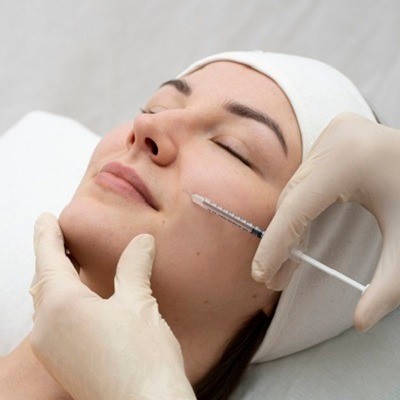
 Glutathione has become a widely discussed ingredient in the world of aesthetic skincare, particularly among people interested in brighter-looking, more even-toned skin. As a naturally occurring antioxidant, glutathione has important roles in protecting cells from oxidative stress. Its cosmetic use, however, is a more complicated topic—especially when glutathione is administered through injections or intravenous (IV) infusions.Interest in Glutathione Injections in Oman (https://www.enfieldroyalclinics.om/cosmetic-injectables/glutathione-injections/) has grown alongside the broader popularity of aesthetic wellness treatments. People may encounter glutathione injections promoted for skin brightening, pigmentation concerns, or overall antioxidant support. But an injection is very different from adding a topical serum or cream to a daily skincare routine.Current research does not establish IV glutathione as a routine or well-supported cosmetic treatment for skin lightening. A 2025 systematic review found that evidence for IV glutathione remains limited and concluded that its use for cosmetic skin lightening is associated with concerns about both efficacy and side effects.For anyone considering the treatment, understanding what glutathione does, what the evidence says, and how injectable treatments differ from conventional skincare can make the decision more informed.What Is Glutathione and Why Is It Used in Skincare?Glutathione is a naturally occurring antioxidant made by the body from three amino acids. It participates in several biological processes, including protecting cells against oxidative stress.In skincare discussions, glutathione attracts particular attention because laboratory and clinical research suggests that it may influence melanin production. Melanin is the pigment responsible for skin, hair, and eye color. Glutathione may affect pathways involved in melanin production and may shift melanin synthesis toward lighter pigment types.This has led to interest in glutathione for concerns such as uneven pigmentation, dull-looking skin, and melasma.However, the presence of a biological mechanism does not automatically mean that an injectable treatment will produce predictable cosmetic results. Research examining glutathione for skin appearance has involved different formulations, doses, treatment schedules, and routes of administration. Results have therefore not been consistent enough to establish a standardized injectable skincare routine.Topical and oral glutathione have also been studied. Some research has reported modest improvements in pigmentation, but researchers continue to note limitations such as small sample sizes, variable treatment protocols, and limited long-term follow-up.Can Glutathione Injections Actually Be Part of a Skincare Routine?Technically, glutathione injections may be offered as part of an aesthetic treatment plan, but they should not be viewed in the same way as everyday skincare products.A typical skincare routine may include a gentle cleanser, moisturizer, sunscreen, and targeted topical products. These are generally designed for regular external use. Injectable glutathione, by contrast, introduces a substance directly into the body and therefore involves medical considerations that ordinary skincare does not.This distinction is particularly important for people researching Glutathione Injections in Oman. A treatment should not be selected simply because it is described as a "beauty injection" or "skin-brightening treatment." The formulation, route of administration, source of the product, sterile preparation, medical supervision, and the individual's health history all matter.The available evidence is also important. A recent systematic review reported that only limited clinical evidence exists for IV glutathione in skin lightening, while topical and oral forms have somewhat more clinical data. The review concluded that IV glutathione is not supported as a routine cosmetic skin-lightening treatment because of insufficient efficacy evidence and safety concerns.Consequently, injections should not automatically be considered an essential step in a skincare routine. For many people, a consistent topical skincare program and appropriate management of the underlying cause of pigmentation may be more relevant.What Benefits Are People Looking For?People who consider glutathione injections commonly hope to achieve a brighter or more even-looking complexion. Some may also be interested in the antioxidant properties associated with glutathione.Potential cosmetic goals discussed in research include:A more even appearance of skin toneReduction in the appearance of certain pigmentation concernsBrighter-looking skinSupport against oxidative stressPossible improvement in the appearance of sun-related pigmentationIt is important to distinguish potential outcomes from proven outcomes. Research has not established that injectable glutathione reliably produces dramatic or permanent skin lightening.In fact, earlier systematic research found that evidence for glutathione's effects on skin color was inconclusive, while a newer review also highlighted inconsistent results and a lack of standardized protocols.For someone with melasma, post-inflammatory hyperpigmentation, or another pigmentation disorder, identifying the underlying condition is particularly important. Pigmentation can have multiple causes, including hormonal influences, inflammation, sun exposure, and certain medications or medical conditions. Treating the pigment without understanding its cause may not provide lasting results.What Are the Safety Considerations With Glutathione Injections?Safety is one of the most important issues to consider before using injectable glutathione for cosmetic purposes.Unlike a topical cream, an injection bypasses the skin's protective barrier. This means that problems involving the product, preparation, dose, administration, or the person's reaction can potentially have more significant consequences.The FDA has recently highlighted an additional concern. In August 2026, the agency reported adverse events involving compounded IV glutathione products and warned against using dietary-supplement-grade glutathione as an ingredient for injectable drugs. Reported problems included fever, chills, dizziness, pain, low blood pressure, and symptoms resembling serious systemic reactions. The agency noted that excessive endotoxin exposure can potentially lead to severe illness.This does not mean that every glutathione injection is contaminated or unsafe. Rather, it demonstrates why the quality and intended pharmaceutical use of an injectable product matter.Medical literature has also identified concerns surrounding IV glutathione, including allergic or hypersensitivity reactions and other adverse effects. Importantly, there is inadequate long-term safety information for repeated IV glutathione use for cosmetic purposes.Anyone experiencing symptoms such as difficulty breathing, severe dizziness, fainting, swelling, chest discomfort, high fever, or a severe reaction after an injection should seek urgent medical attention.How Can Glutathione Fit Into a Broader Skincare Plan?If someone is considering Glutathione Injections in Oman, the treatment should be considered separately from the fundamentals of good skincare.Daily sun protection remains particularly important when pigmentation is a concern. Broad-spectrum sunscreen can help reduce UV-related pigmentation and may also help prevent existing discoloration from becoming more noticeable.A basic skincare approach may include:Gentle cleansing: A mild cleanser can remove sweat, oil, sunscreen, and environmental debris without unnecessarily irritating the skin.Moisturizing: Maintaining the skin barrier can reduce dryness and irritation.Daily sunscreen: Consistent UV protection is important for preventing worsening pigmentation.Targeted topical products: Depending on the condition, certain evidence-based ingredients may be recommended for pigmentation.Professional assessment: Persistent or changing pigmentation may require evaluation to determine the underlying cause.The most appropriate routine depends on the person's skin type and concern. Someone with melasma may need a different approach from someone dealing with acne-related post-inflammatory pigmentation.For this reason, glutathione injections should not be treated as a substitute for sunscreen, appropriate topical care, or evaluation of a skin condition.What Should Someone Check Before Considering Glutathione Injections in Oman?Anyone researching Glutathione Injections in Oman can benefit from asking detailed questions before proceeding.First, it is reasonable to ask what the treatment is intended to accomplish and what evidence supports that particular use. A responsible healthcare professional should be able to explain the expected benefits as well as the limitations.Second, the product itself deserves attention. Injectable medications require appropriate pharmaceutical-quality ingredients and sterile preparation. The recent FDA warning illustrates why a product intended for dietary supplementation should not simply be assumed to be suitable for injection.Third, the treatment provider should be able to explain the route of administration, expected frequency, possible side effects, and what would happen if an adverse reaction occurred.It is also important to disclose relevant medical information, allergies, medications, and previous reactions to injections. Cosmetic treatments still involve medical considerations, and an individualized assessment can help identify situations in which a particular treatment may not be appropriate.Finally, expectations should remain realistic. Even when pigmentation improves, results may vary and may not be permanent. Current evidence does not support assuming that injectable glutathione will provide predictable, long-lasting skin whitening.The Bottom Line on Glutathione Injections and SkincareGlutathione is an important antioxidant naturally produced by the body, and research into its effects on pigmentation continues. Some studies of topical and oral glutathione have reported improvements in certain measures of pigmentation, but the overall evidence remains limited and variable.Injectable glutathione is a different matter. Current evidence does not establish IV glutathione as a routine cosmetic skincare treatment, and safety concerns deserve serious consideration. Recent FDA reports about problems involving certain compounded glutathione injectables further reinforce the importance of product quality and appropriate medical oversight.For people considering Glutathione Injections in Oman, the most sensible approach is to view injections as a medical intervention rather than simply another skincare product. A personalized assessment, realistic expectations, attention to product quality, and a strong foundation of sun protection and appropriate skincare can all contribute to better-informed decisions.1. Are glutathione injections safe for skin lightening?The safety of glutathione injections for cosmetic skin lightening has not been established sufficiently for routine use. Research has identified potential adverse effects, and long-term safety data for repeated IV use are limited. Product quality and sterile preparation are also important considerations.2. How do glutathione injections work for skin brightening?Glutathione has antioxidant properties and may influence pathways involved in melanin production. Researchers believe it can affect the balance of pigment produced by melanocytes. However, the biological mechanism does not guarantee a predictable cosmetic result, and clinical evidence for injectable glutathione remains limited.3. Are glutathione injections better than topical glutathione?There is not enough evidence to say that injections are generally better. Topical glutathione has been studied in clinical research and may have potential benefits for certain pigmentation concerns, while IV glutathione has substantially greater safety considerations.4. Can glutathione injections permanently lighten the skin?There is no strong evidence establishing permanent skin lightening from injectable glutathione. Available studies have limitations, and the durability of cosmetic effects remains uncertain. Results can also vary between individuals.5. What should someone ask before getting Glutathione Injections in Oman?It can be helpful to ask about the medical purpose of the treatment, the exact formulation and source of the injectable product, how it is prepared and administered, potential side effects, treatment frequency, and what medical support is available if a reaction occurs.6. Is sunscreen still necessary when using glutathione for pigmentation?Yes. Glutathione should not be considered a replacement for sun protection. UV exposure can contribute to pigmentation and can make some pigmentary conditions more difficult to manage. Consistent broad-spectrum sunscreen remains an important part of a skincare routine.Read More About Glutathione Injections: https://b.cari.com.my/home.php?mod=space&uid=3172561&do=blog&quickforward=1&id=622706
  Glutathione has become a widely discussed ingredient in the world of aesthetic skincare, particularly among people interested in brighter-looking, more even-toned skin. As a naturally occurring antioxidant, glutathione has important roles in protecting cells from oxidative stress. Its cosmetic use, however, is a more complicated topic—especially when glutathione is administered through injections or intravenous (IV) infusions.Interest in Glutathione Injections in Oman (https://www.enfieldroyalclinics.om/cosmetic-injectables/glutathione-injections/) has grown alongside the broader popularity of aesthetic wellness treatments. People may encounter glutathione injections promoted for skin brightening, pigmentation concerns, or overall antioxidant support. But an injection is very different from adding a topical serum or cream to a daily skincare routine.Current research does not establish IV glutathione as a routine or well-supported cosmetic treatment for skin lightening. A 2025 systematic review found that evidence for IV glutathione remains limited and concluded that its use for cosmetic skin lightening is associated with concerns about both efficacy and side effects.For anyone considering the treatment, understanding what glutathione does, what the evidence says, and how injectable treatments differ from conventional skincare can make the decision more informed.What Is Glutathione and Why Is It Used in Skincare?Glutathione is a naturally occurring antioxidant made by the body from three amino acids. It participates in several biological processes, including protecting cells against oxidative stress.In skincare discussions, glutathione attracts particular attention because laboratory and clinical research suggests that it may influence melanin production. Melanin is the pigment responsible for skin, hair, and eye color. Glutathione may affect pathways involved in melanin production and may shift melanin synthesis toward lighter pigment types.This has led to interest in glutathione for concerns such as uneven pigmentation, dull-looking skin, and melasma.However, the presence of a biological mechanism does not automatically mean that an injectable treatment will produce predictable cosmetic results. Research examining glutathione for skin appearance has involved different formulations, doses, treatment schedules, and routes of administration. Results have therefore not been consistent enough to establish a standardized injectable skincare routine.Topical and oral glutathione have also been studied. Some research has reported modest improvements in pigmentation, but researchers continue to note limitations such as small sample sizes, variable treatment protocols, and limited long-term follow-up.Can Glutathione Injections Actually Be Part of a Skincare Routine?Technically, glutathione injections may be offered as part of an aesthetic treatment plan, but they should not be viewed in the same way as everyday skincare products.A typical skincare routine may include a gentle cleanser, moisturizer, sunscreen, and targeted topical products. These are generally designed for regular external use. Injectable glutathione, by contrast, introduces a substance directly into the body and therefore involves medical considerations that ordinary skincare does not.This distinction is particularly important for people researching Glutathione Injections in Oman. A treatment should not be selected simply because it is described as a "beauty injection" or "skin-brightening treatment." The formulation, route of administration, source of the product, sterile preparation, medical supervision, and the individual's health history all matter.The available evidence is also important. A recent systematic review reported that only limited clinical evidence exists for IV glutathione in skin lightening, while topical and oral forms have somewhat more clinical data. The review concluded that IV glutathione is not supported as a routine cosmetic skin-lightening treatment because of insufficient efficacy evidence and safety concerns.Consequently, injections should not automatically be considered an essential step in a skincare routine. For many people, a consistent topical skincare program and appropriate management of the underlying cause of pigmentation may be more relevant.What Benefits Are People Looking For?People who consider glutathione injections commonly hope to achieve a brighter or more even-looking complexion. Some may also be interested in the antioxidant properties associated with glutathione.Potential cosmetic goals discussed in research include:A more even appearance of skin toneReduction in the appearance of certain pigmentation concernsBrighter-looking skinSupport against oxidative stressPossible improvement in the appearance of sun-related pigmentationIt is important to distinguish potential outcomes from proven outcomes. Research has not established that injectable glutathione reliably produces dramatic or permanent skin lightening.In fact, earlier systematic research found that evidence for glutathione's effects on skin color was inconclusive, while a newer review also highlighted inconsistent results and a lack of standardized protocols.For someone with melasma, post-inflammatory hyperpigmentation, or another pigmentation disorder, identifying the underlying condition is particularly important. Pigmentation can have multiple causes, including hormonal influences, inflammation, sun exposure, and certain medications or medical conditions. Treating the pigment without understanding its cause may not provide lasting results.What Are the Safety Considerations With Glutathione Injections?Safety is one of the most important issues to consider before using injectable glutathione for cosmetic purposes.Unlike a topical cream, an injection bypasses the skin's protective barrier. This means that problems involving the product, preparation, dose, administration, or the person's reaction can potentially have more significant consequences.The FDA has recently highlighted an additional concern. In August 2026, the agency reported adverse events involving compounded IV glutathione products and warned against using dietary-supplement-grade glutathione as an ingredient for injectable drugs. Reported problems included fever, chills, dizziness, pain, low blood pressure, and symptoms resembling serious systemic reactions. The agency noted that excessive endotoxin exposure can potentially lead to severe illness.This does not mean that every glutathione injection is contaminated or unsafe. Rather, it demonstrates why the quality and intended pharmaceutical use of an injectable product matter.Medical literature has also identified concerns surrounding IV glutathione, including allergic or hypersensitivity reactions and other adverse effects. Importantly, there is inadequate long-term safety information for repeated IV glutathione use for cosmetic purposes.Anyone experiencing symptoms such as difficulty breathing, severe dizziness, fainting, swelling, chest discomfort, high fever, or a severe reaction after an injection should seek urgent medical attention.How Can Glutathione Fit Into a Broader Skincare Plan?If someone is considering Glutathione Injections in Oman, the treatment should be considered separately from the fundamentals of good skincare.Daily sun protection remains particularly important when pigmentation is a concern. Broad-spectrum sunscreen can help reduce UV-related pigmentation and may also help prevent existing discoloration from becoming more noticeable.A basic skincare approach may include:Gentle cleansing: A mild cleanser can remove sweat, oil, sunscreen, and environmental debris without unnecessarily irritating the skin.Moisturizing: Maintaining the skin barrier can reduce dryness and irritation.Daily sunscreen: Consistent UV protection is important for preventing worsening pigmentation.Targeted topical products: Depending on the condition, certain evidence-based ingredients may be recommended for pigmentation.Professional assessment: Persistent or changing pigmentation may require evaluation to determine the underlying cause.The most appropriate routine depends on the person's skin type and concern. Someone with melasma may need a different approach from someone dealing with acne-related post-inflammatory pigmentation.For this reason, glutathione injections should not be treated as a substitute for sunscreen, appropriate topical care, or evaluation of a skin condition.What Should Someone Check Before Considering Glutathione Injections in Oman?Anyone researching Glutathione Injections in Oman can benefit from asking detailed questions before proceeding.First, it is reasonable to ask what the treatment is intended to accomplish and what evidence supports that particular use. A responsible healthcare professional should be able to explain the expected benefits as well as the limitations.Second, the product itself deserves attention. Injectable medications require appropriate pharmaceutical-quality ingredients and sterile preparation. The recent FDA warning illustrates why a product intended for dietary supplementation should not simply be assumed to be suitable for injection.Third, the treatment provider should be able to explain the route of administration, expected frequency, possible side effects, and what would happen if an adverse reaction occurred.It is also important to disclose relevant medical information, allergies, medications, and previous reactions to injections. Cosmetic treatments still involve medical considerations, and an individualized assessment can help identify situations in which a particular treatment may not be appropriate.Finally, expectations should remain realistic. Even when pigmentation improves, results may vary and may not be permanent. Current evidence does not support assuming that injectable glutathione will provide predictable, long-lasting skin whitening.The Bottom Line on Glutathione Injections and SkincareGlutathione is an important antioxidant naturally produced by the body, and research into its effects on pigmentation continues. Some studies of topical and oral glutathione have reported improvements in certain measures of pigmentation, but the overall evidence remains limited and variable.Injectable glutathione is a different matter. Current evidence does not establish IV glutathione as a routine cosmetic skincare treatment, and safety concerns deserve serious consideration. Recent FDA reports about problems involving certain compounded glutathione injectables further reinforce the importance of product quality and appropriate medical oversight.For people considering Glutathione Injections in Oman, the most sensible approach is to view injections as a medical intervention rather than simply another skincare product. A personalized assessment, realistic expectations, attention to product quality, and a strong foundation of sun protection and appropriate skincare can all contribute to better-informed decisions.1. Are glutathione injections safe for skin lightening?The safety of glutathione injections for cosmetic skin lightening has not been established sufficiently for routine use. Research has identified potential adverse effects, and long-term safety data for repeated IV use are limited. Product quality and sterile preparation are also important considerations.2. How do glutathione injections work for skin brightening?Glutathione has antioxidant properties and may influence pathways involved in melanin production. Researchers believe it can affect the balance of pigment produced by melanocytes. However, the biological mechanism does not guarantee a predictable cosmetic result, and clinical evidence for injectable glutathione remains limited.3. Are glutathione injections better than topical glutathione?There is not enough evidence to say that injections are generally better. Topical glutathione has been studied in clinical research and may have potential benefits for certain pigmentation concerns, while IV glutathione has substantially greater safety considerations.4. Can glutathione injections permanently lighten the skin?There is no strong evidence establishing permanent skin lightening from injectable glutathione. Available studies have limitations, and the durability of cosmetic effects remains uncertain. Results can also vary between individuals.5. What should someone ask before getting Glutathione Injections in Oman?It can be helpful to ask about the medical purpose of the treatment, the exact formulation and source of the injectable product, how it is prepared and administered, potential side effects, treatment frequency, and what medical support is available if a reaction occurs.6. Is sunscreen still necessary when using glutathione for pigmentation?Yes. Glutathione should not be considered a replacement for sun protection. UV exposure can contribute to pigmentation and can make some pigmentary conditions more difficult to manage. Consistent broad-spectrum sunscreen remains an important part of a skincare routine.Read More About Glutathione Injections: https://b.cari.com.my/home.php?mod=space&uid=3172561&do=blog&quickforward=1&id=622706
 Wed, 30 September 26 : 7:09 : Enfield Oman
Visit / Join Group to Reply