


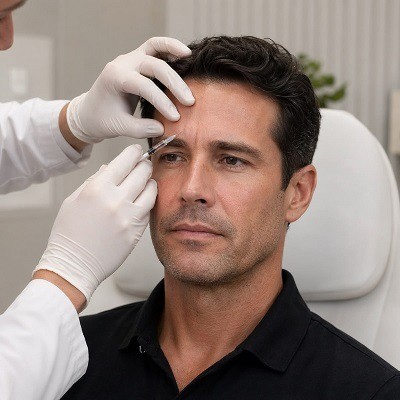
 Glutathione injections have become increasingly popular among people interested in brighter-looking skin, antioxidant support, and overall wellness. Because injections deliver glutathione directly into the bloodstream or body tissues, many people assume that the results should appear immediately. In reality, the timeline can vary considerably depending on the reason for treatment, the person's health, the treatment schedule, and how the body responds.So, how long do glutathione injections take to work? There is no single answer that applies to everyone. Some people may notice changes after several sessions, while others may see little or no visible difference. Importantly, scientific evidence supporting intravenous glutathione for cosmetic skin lightening remains limited, and long-term safety is not well established. Recent medical reviews have concluded that the evidence is not strong enough to recommend routine intravenous Glutathione Injections (https://www.enfieldroyalclinics.om/cosmetic-injectables/glutathione-injections/) for cosmetic skin lightening.Understanding what glutathione does, what influences results, and what safety considerations matter can help people make more informed decisions.What Is Glutathione and How Do Glutathione Injections Work?Glutathione is a naturally occurring antioxidant produced by the body. It is made from three amino acids and plays an important role in protecting cells from oxidative stress. It also participates in several metabolic and detoxification processes.In cosmetic settings, glutathione injections are often promoted for their potential effect on skin pigmentation. Glutathione may influence melanin production by affecting pathways involved in the activity of tyrosinase, an enzyme involved in melanin formation. It may also influence the type of melanin produced by melanocytes.Glutathione can be administered in different ways, including orally, topically, or intravenously. These routes should not be considered interchangeable. Research on oral and topical glutathione has produced some evidence of changes in pigmentation, but evidence for intravenous administration is considerably more limited.A recent systematic review found only limited clinical evidence for intravenous glutathione and noted concerns about efficacy and adverse effects. Another 2026 review concluded that the available evidence shows variable and generally modest pigmentation improvements, with important gaps in long-term safety data.This means that claims promising a guaranteed or dramatic skin transformation within a few days should be approached cautiously.How Long Does It Take for Glutathione Injections to Work?The timeline depends largely on what "work" means. A person may be interested in antioxidant effects, general wellness, or cosmetic changes in skin pigmentation, and these outcomes do not necessarily occur at the same speed.For cosmetic skin changes, there is no scientifically established number of days or injections that guarantees a visible result. Some people may report noticing brighter or more even-looking skin after several treatment sessions, but individual experiences vary considerably.Research has also shown that any pigmentation changes associated with glutathione may not be permanent. Earlier studies and reviews have described effects as reversible or difficult to sustain after treatment stops.A realistic way to think about the timeline is:Immediately after an injection: There may be no visible change in skin tone.After several sessions: Some people may report subtle changes in brightness or pigmentation, although this is not guaranteed.Over several weeks or longer: If a cosmetic response occurs, it may become more noticeable gradually rather than appearing overnight.After treatment stops: Any cosmetic effect may diminish over time.The number of sessions required should not be determined solely by a standard package or schedule. A qualified healthcare professional should consider the individual's health, reason for treatment, medical history, and potential risks before recommending treatment.What Factors Affect Glutathione Injection Results?Several factors can influence how quickly a person notices a response.Individual MetabolismEvery person's metabolism is different. Glutathione is naturally produced and used by the body, and its levels can be affected by overall health, nutrition, oxidative stress, and other biological factors.Skin Type and PigmentationPeople have different baseline levels of pigmentation and different causes of uneven skin tone. Sun exposure, hormonal changes, acne-related pigmentation, inflammation, and certain medical conditions can all affect the appearance of the skin.For this reason, two people receiving similar treatments may experience very different outcomes.Treatment RouteThe route of administration matters. Intravenous glutathione introduces the substance directly into circulation, but faster systemic exposure does not automatically mean faster or better cosmetic results.In fact, current evidence does not establish a reliable intravenous dosing or treatment schedule for cosmetic skin lightening. A 2026 review highlighted the lack of standardized protocols and insufficient long-term safety evidence.Sun ExposureUV exposure can stimulate melanin production and contribute to uneven pigmentation. Anyone concerned about pigmentation should take sun protection seriously. Regular use of broad-spectrum sunscreen, protective clothing, and sensible sun avoidance can help reduce additional pigmentation regardless of whether glutathione is being used.Overall Health and LifestyleSleep, nutrition, hydration, smoking, alcohol consumption, stress, and underlying health conditions can all influence general skin appearance. Glutathione should not be viewed as a replacement for healthy lifestyle habits or appropriate treatment of an underlying skin condition.Are Glutathione Injections Safe?Safety is one of the most important considerations when discussing glutathione injections.Glutathione is naturally present in the human body, but that does not automatically mean that injectable glutathione is risk-free. Injectable medicines require appropriate manufacturing, sterile preparation, correct dosing, and quality control.The U.S. Food and Drug Administration issued a safety alert in August 2026 concerning the use of dietary-supplement-grade glutathione in compounded injectable drugs. The agency reported adverse events involving intravenous glutathione and highlighted concerns about endotoxin contamination. Reported symptoms included fever, chills, pain, dizziness, nausea, vomiting, low blood pressure, and serious systemic reactions.The FDA had previously issued a similar warning in 2019 after patients experienced adverse events associated with compounded injectable glutathione containing excessive bacterial endotoxins.This does not mean that every glutathione injection is contaminated or unsafe. It does mean that product quality and the source of an injectable product matter significantly.Potential risks may also include injection-site reactions, allergic reactions, hypersensitivity, and other complications related to intravenous administration. Some recent reviews have raised concerns about possible serious adverse effects and the lack of standardized dosing protocols.Anyone considering glutathione injections should discuss the potential benefits and risks with a qualified healthcare professional rather than relying solely on promotional claims.What Can Someone Expect After Glutathione Injections?Expectations should remain realistic. Glutathione injections are sometimes marketed as a way to produce dramatic changes in skin tone quickly, but available research does not support a guaranteed result.If a person experiences a cosmetic response, the change may be subtle. Skin may appear somewhat brighter or more even, but results can vary significantly. Existing evidence also suggests that any pigmentation-related benefit may not be permanent.A 2024 systematic review found that evidence for intravenous glutathione was particularly limited, with only one placebo-controlled study identified in the review. The authors concluded that intravenous glutathione had insufficient evidence of efficacy and significant safety concerns for skin-lightening purposes.This is important because marketing claims can sometimes make the treatment sound more predictable than the scientific evidence actually shows.People with concerns about dark spots, melasma, post-acne pigmentation, or uneven skin tone may have other evidence-based treatment options. The appropriate choice depends on the cause of pigmentation and may involve topical treatments, sun protection, procedures, or treatment of an underlying condition.How to Make Glutathione Treatment Safer and More EffectiveAnyone considering glutathione injections should begin with a proper health assessment. The purpose of treatment should be clearly defined, and a healthcare professional should review medications, allergies, existing health conditions, and other relevant factors.It is also important to ask about the source and quality of the injectable product. Injectable products should be prepared using ingredients appropriate for injection, rather than ingredients intended only for dietary supplements. The FDA specifically warns that supplement-grade ingredients may contain contaminants or endotoxins that can be dangerous when injected.People should also avoid increasing the dose or frequency independently in an attempt to obtain faster results. More glutathione does not necessarily mean better or faster cosmetic outcomes.For skin pigmentation concerns, sun protection remains particularly important. Without adequate UV protection, new pigmentation can continue to develop even when a person is using a treatment intended to improve skin appearance.Finally, anyone experiencing unusual symptoms after an injection—such as difficulty breathing, severe dizziness, fainting, intense chills, fever, significant swelling, or other serious symptoms—should seek urgent medical attention.Frequently Asked Questions1. How quickly can glutathione injections show results?There is no guaranteed timeline. Some people may report changes after several sessions, while others may not notice a meaningful difference. Scientific evidence does not establish a reliable number of injections or days required to achieve cosmetic skin-lightening results.2. Do glutathione injections lighten the skin permanently?There is no strong evidence that glutathione injections produce permanent skin-lightening results. Available research suggests that pigmentation-related changes, when they occur, may be reversible and difficult to maintain after treatment ends.3. Are glutathione injections better than oral glutathione?The two forms cannot simply be compared based on the idea that injections are automatically stronger or better. Intravenous glutathione has limited evidence for cosmetic skin lightening and important safety concerns. Research on oral glutathione has shown some potential pigmentation effects, but results are also variable and more research is needed.4. Can glutathione injections be used for dark spots or melasma?Glutathione has been investigated for pigmentation and melasma, but intravenous treatment is not supported by strong enough evidence to consider it a routine treatment. A healthcare professional can help determine the cause of pigmentation and recommend treatments with better-established evidence.5. Are there risks associated with glutathione injections?Yes. Risks can include injection-related complications, allergic or hypersensitivity reactions, and problems related to contaminated or improperly compounded injectable products. The FDA issued a 2026 warning concerning adverse events associated with certain compounded intravenous glutathione products and endotoxin contamination.6. What should someone check before getting a glutathione injection?The person should discuss the treatment with a qualified healthcare professional, disclose relevant medical conditions and medications, and ask about the product's source, preparation, sterility, and suitability for injection. A person should also understand that cosmetic results are not guaranteed and that current evidence for intravenous glutathione remains limited.Glutathione injections may sound like a quick solution for brighter-looking skin, but the reality is more nuanced. Although glutathione is an important antioxidant naturally produced by the body, the evidence for injectable glutathione as a cosmetic skin-lightening treatment remains limited. Results can vary, and safety and product quality deserve careful attention.For anyone considering treatment, the most sensible approach is to focus on realistic expectations, professional medical guidance, appropriate sun protection, and evidence-based options for the specific skin concern. A treatment should be chosen because its potential benefits and risks make sense for the individual—not simply because it promises fast results.Read More About Glutathione Injections: https://b.cari.com.my/home.php?mod=space&uid=3172561&do=blog&quickforward=1&id=621941
  Glutathione injections have become increasingly popular among people interested in brighter-looking skin, antioxidant support, and overall wellness. Because injections deliver glutathione directly into the bloodstream or body tissues, many people assume that the results should appear immediately. In reality, the timeline can vary considerably depending on the reason for treatment, the person's health, the treatment schedule, and how the body responds.So, how long do glutathione injections take to work? There is no single answer that applies to everyone. Some people may notice changes after several sessions, while others may see little or no visible difference. Importantly, scientific evidence supporting intravenous glutathione for cosmetic skin lightening remains limited, and long-term safety is not well established. Recent medical reviews have concluded that the evidence is not strong enough to recommend routine intravenous Glutathione Injections (https://www.enfieldroyalclinics.om/cosmetic-injectables/glutathione-injections/) for cosmetic skin lightening.Understanding what glutathione does, what influences results, and what safety considerations matter can help people make more informed decisions.What Is Glutathione and How Do Glutathione Injections Work?Glutathione is a naturally occurring antioxidant produced by the body. It is made from three amino acids and plays an important role in protecting cells from oxidative stress. It also participates in several metabolic and detoxification processes.In cosmetic settings, glutathione injections are often promoted for their potential effect on skin pigmentation. Glutathione may influence melanin production by affecting pathways involved in the activity of tyrosinase, an enzyme involved in melanin formation. It may also influence the type of melanin produced by melanocytes.Glutathione can be administered in different ways, including orally, topically, or intravenously. These routes should not be considered interchangeable. Research on oral and topical glutathione has produced some evidence of changes in pigmentation, but evidence for intravenous administration is considerably more limited.A recent systematic review found only limited clinical evidence for intravenous glutathione and noted concerns about efficacy and adverse effects. Another 2026 review concluded that the available evidence shows variable and generally modest pigmentation improvements, with important gaps in long-term safety data.This means that claims promising a guaranteed or dramatic skin transformation within a few days should be approached cautiously.How Long Does It Take for Glutathione Injections to Work?The timeline depends largely on what "work" means. A person may be interested in antioxidant effects, general wellness, or cosmetic changes in skin pigmentation, and these outcomes do not necessarily occur at the same speed.For cosmetic skin changes, there is no scientifically established number of days or injections that guarantees a visible result. Some people may report noticing brighter or more even-looking skin after several treatment sessions, but individual experiences vary considerably.Research has also shown that any pigmentation changes associated with glutathione may not be permanent. Earlier studies and reviews have described effects as reversible or difficult to sustain after treatment stops.A realistic way to think about the timeline is:Immediately after an injection: There may be no visible change in skin tone.After several sessions: Some people may report subtle changes in brightness or pigmentation, although this is not guaranteed.Over several weeks or longer: If a cosmetic response occurs, it may become more noticeable gradually rather than appearing overnight.After treatment stops: Any cosmetic effect may diminish over time.The number of sessions required should not be determined solely by a standard package or schedule. A qualified healthcare professional should consider the individual's health, reason for treatment, medical history, and potential risks before recommending treatment.What Factors Affect Glutathione Injection Results?Several factors can influence how quickly a person notices a response.Individual MetabolismEvery person's metabolism is different. Glutathione is naturally produced and used by the body, and its levels can be affected by overall health, nutrition, oxidative stress, and other biological factors.Skin Type and PigmentationPeople have different baseline levels of pigmentation and different causes of uneven skin tone. Sun exposure, hormonal changes, acne-related pigmentation, inflammation, and certain medical conditions can all affect the appearance of the skin.For this reason, two people receiving similar treatments may experience very different outcomes.Treatment RouteThe route of administration matters. Intravenous glutathione introduces the substance directly into circulation, but faster systemic exposure does not automatically mean faster or better cosmetic results.In fact, current evidence does not establish a reliable intravenous dosing or treatment schedule for cosmetic skin lightening. A 2026 review highlighted the lack of standardized protocols and insufficient long-term safety evidence.Sun ExposureUV exposure can stimulate melanin production and contribute to uneven pigmentation. Anyone concerned about pigmentation should take sun protection seriously. Regular use of broad-spectrum sunscreen, protective clothing, and sensible sun avoidance can help reduce additional pigmentation regardless of whether glutathione is being used.Overall Health and LifestyleSleep, nutrition, hydration, smoking, alcohol consumption, stress, and underlying health conditions can all influence general skin appearance. Glutathione should not be viewed as a replacement for healthy lifestyle habits or appropriate treatment of an underlying skin condition.Are Glutathione Injections Safe?Safety is one of the most important considerations when discussing glutathione injections.Glutathione is naturally present in the human body, but that does not automatically mean that injectable glutathione is risk-free. Injectable medicines require appropriate manufacturing, sterile preparation, correct dosing, and quality control.The U.S. Food and Drug Administration issued a safety alert in August 2026 concerning the use of dietary-supplement-grade glutathione in compounded injectable drugs. The agency reported adverse events involving intravenous glutathione and highlighted concerns about endotoxin contamination. Reported symptoms included fever, chills, pain, dizziness, nausea, vomiting, low blood pressure, and serious systemic reactions.The FDA had previously issued a similar warning in 2019 after patients experienced adverse events associated with compounded injectable glutathione containing excessive bacterial endotoxins.This does not mean that every glutathione injection is contaminated or unsafe. It does mean that product quality and the source of an injectable product matter significantly.Potential risks may also include injection-site reactions, allergic reactions, hypersensitivity, and other complications related to intravenous administration. Some recent reviews have raised concerns about possible serious adverse effects and the lack of standardized dosing protocols.Anyone considering glutathione injections should discuss the potential benefits and risks with a qualified healthcare professional rather than relying solely on promotional claims.What Can Someone Expect After Glutathione Injections?Expectations should remain realistic. Glutathione injections are sometimes marketed as a way to produce dramatic changes in skin tone quickly, but available research does not support a guaranteed result.If a person experiences a cosmetic response, the change may be subtle. Skin may appear somewhat brighter or more even, but results can vary significantly. Existing evidence also suggests that any pigmentation-related benefit may not be permanent.A 2024 systematic review found that evidence for intravenous glutathione was particularly limited, with only one placebo-controlled study identified in the review. The authors concluded that intravenous glutathione had insufficient evidence of efficacy and significant safety concerns for skin-lightening purposes.This is important because marketing claims can sometimes make the treatment sound more predictable than the scientific evidence actually shows.People with concerns about dark spots, melasma, post-acne pigmentation, or uneven skin tone may have other evidence-based treatment options. The appropriate choice depends on the cause of pigmentation and may involve topical treatments, sun protection, procedures, or treatment of an underlying condition.How to Make Glutathione Treatment Safer and More EffectiveAnyone considering glutathione injections should begin with a proper health assessment. The purpose of treatment should be clearly defined, and a healthcare professional should review medications, allergies, existing health conditions, and other relevant factors.It is also important to ask about the source and quality of the injectable product. Injectable products should be prepared using ingredients appropriate for injection, rather than ingredients intended only for dietary supplements. The FDA specifically warns that supplement-grade ingredients may contain contaminants or endotoxins that can be dangerous when injected.People should also avoid increasing the dose or frequency independently in an attempt to obtain faster results. More glutathione does not necessarily mean better or faster cosmetic outcomes.For skin pigmentation concerns, sun protection remains particularly important. Without adequate UV protection, new pigmentation can continue to develop even when a person is using a treatment intended to improve skin appearance.Finally, anyone experiencing unusual symptoms after an injection—such as difficulty breathing, severe dizziness, fainting, intense chills, fever, significant swelling, or other serious symptoms—should seek urgent medical attention.Frequently Asked Questions1. How quickly can glutathione injections show results?There is no guaranteed timeline. Some people may report changes after several sessions, while others may not notice a meaningful difference. Scientific evidence does not establish a reliable number of injections or days required to achieve cosmetic skin-lightening results.2. Do glutathione injections lighten the skin permanently?There is no strong evidence that glutathione injections produce permanent skin-lightening results. Available research suggests that pigmentation-related changes, when they occur, may be reversible and difficult to maintain after treatment ends.3. Are glutathione injections better than oral glutathione?The two forms cannot simply be compared based on the idea that injections are automatically stronger or better. Intravenous glutathione has limited evidence for cosmetic skin lightening and important safety concerns. Research on oral glutathione has shown some potential pigmentation effects, but results are also variable and more research is needed.4. Can glutathione injections be used for dark spots or melasma?Glutathione has been investigated for pigmentation and melasma, but intravenous treatment is not supported by strong enough evidence to consider it a routine treatment. A healthcare professional can help determine the cause of pigmentation and recommend treatments with better-established evidence.5. Are there risks associated with glutathione injections?Yes. Risks can include injection-related complications, allergic or hypersensitivity reactions, and problems related to contaminated or improperly compounded injectable products. The FDA issued a 2026 warning concerning adverse events associated with certain compounded intravenous glutathione products and endotoxin contamination.6. What should someone check before getting a glutathione injection?The person should discuss the treatment with a qualified healthcare professional, disclose relevant medical conditions and medications, and ask about the product's source, preparation, sterility, and suitability for injection. A person should also understand that cosmetic results are not guaranteed and that current evidence for intravenous glutathione remains limited.Glutathione injections may sound like a quick solution for brighter-looking skin, but the reality is more nuanced. Although glutathione is an important antioxidant naturally produced by the body, the evidence for injectable glutathione as a cosmetic skin-lightening treatment remains limited. Results can vary, and safety and product quality deserve careful attention.For anyone considering treatment, the most sensible approach is to focus on realistic expectations, professional medical guidance, appropriate sun protection, and evidence-based options for the specific skin concern. A treatment should be chosen because its potential benefits and risks make sense for the individual—not simply because it promises fast results.Read More About Glutathione Injections: https://b.cari.com.my/home.php?mod=space&uid=3172561&do=blog&quickforward=1&id=621941
 Thu, 24 September 26 : 6:09 : Enfield Oman
Visit / Join Group to Reply