


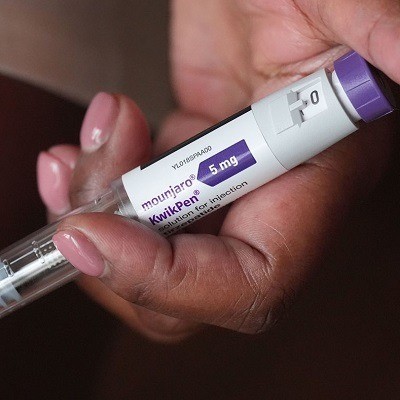
 Weight loss injections have become an increasingly discussed option for people managing overweight or obesity. Medicines in the GLP-1 receptor agonist class, as well as newer medicines that act on both GLP-1 and GIP pathways, can help reduce appetite, improve blood-sugar regulation, and support meaningful weight loss when prescribed appropriately.For women of reproductive age, however, another question often comes up: Can weight loss injections affect the menstrual cycle?The short answer is yes, menstrual patterns can sometimes change during weight loss treatment, but the relationship is not always direct. Changes in body weight, nutrition, insulin sensitivity, stress, underlying conditions such as polycystic ovary syndrome (PCOS), and the medicine itself may all play a role.Current research is still developing. A 2026 pharmacovigilance study reported signals involving several menstrual events among reproductive-age users of GLP-1 medicines, but such reports cannot prove that the medicines themselves caused those changes. At the same time, research in women with PCOS suggests that weight reduction and improved metabolic health may actually be associated with more regular menstrual cycles in some patients.For people considering Weight Loss Injections in Oman (https://www.enfieldroyalclinics.om/cosmetic-injectables/weight-loss-injections/), understanding these possible changes can make treatment decisions more informed and help identify when medical advice is appropriate.How Can Weight Loss Injections Influence the Menstrual Cycle?Weight loss injections do not work by directly controlling the menstrual cycle. Their primary effects involve appetite regulation, digestion, blood-sugar control, and body-weight management.However, the reproductive system is sensitive to changes in the body's energy balance and hormones. Significant changes in weight can therefore influence ovulation and menstruation.For example, rapid or substantial weight loss can sometimes cause periods to become:Earlier or later than usualLighter or heavierMore or less frequentTemporarily irregularAbsent for a period of timeSudden weight loss is recognized as one possible cause of missed or irregular periods. Other common causes include pregnancy, stress, excessive exercise, hormonal contraception, thyroid problems, PCOS, and the transition toward menopause.This means that a change in the menstrual cycle during weight management should not automatically be blamed on the injection. The timing may be related to the overall weight-loss process or another underlying factor.Why Weight Loss Itself May Change PeriodsThe menstrual cycle depends on a complex interaction between the brain, ovaries, adrenal glands, thyroid, and other hormone-producing tissues. Adequate energy availability is important for normal reproductive function.When someone loses weight quickly, particularly while eating substantially fewer calories, the body may respond to the change in energy availability. In some people, this can interfere with regular ovulation and subsequently affect the timing of menstruation.This is particularly relevant during intensive weight-loss programs.For someone using Weight Loss Injections in Oman, the injection may reduce appetite enough that meals become significantly smaller. If nutritional intake becomes inadequate, the menstrual cycle may be affected even though the medication is not directly acting on reproductive hormones.A balanced treatment plan therefore matters. Weight management generally works best when medication is combined with appropriate nutrition, physical activity, hydration, sleep, and ongoing medical monitoring.Can Weight Loss Injections Also Make Periods More Regular?Interestingly, the opposite can happen.Women who have irregular periods because of obesity, insulin resistance, or PCOS may experience improved menstrual regularity after losing weight and improving metabolic health.Research involving GLP-1 receptor agonists in women with PCOS has found evidence of improvements in menstrual cyclicity in some studies. A systematic review and meta-analysis reported improved menstrual regularity among women with PCOS receiving GLP-1 receptor agonists, although the studies had substantial variation and the certainty of evidence was not uniformly strong.More recent research also suggests that GLP-1 medicines may influence reproductive function through improvements in body weight and metabolic health, particularly in women affected by obesity or PCOS.This is an important distinction.If a woman previously had irregular periods due to metabolic or hormonal factors, successful weight management may help her cycles become more predictable. Someone else may experience temporary irregularity during a period of rapid weight loss.Therefore, there is no single menstrual response that applies to every person using weight loss medication.What About PCOS and Menstrual Changes?PCOS is one of the most common conditions associated with irregular menstrual cycles. It can be associated with irregular ovulation, higher androgen levels, insulin resistance, acne, unwanted hair growth, and difficulties with fertility.For people with PCOS and excess weight, weight management can be an important part of improving overall metabolic health.Studies of GLP-1 receptor agonists in women with PCOS have reported reductions in body weight and improvements in some metabolic and reproductive measures. However, the evidence is not sufficient to say that these medicines should be considered a direct treatment for menstrual irregularity in every person with PCOS.A key point is that improved fertility can sometimes occur when ovulation becomes more regular. Someone who previously had infrequent ovulation may therefore become more likely to conceive as metabolic health and menstrual regularity improve.That makes contraception and pregnancy planning especially important for women who do not currently wish to become pregnant.What Should Women Know About Pregnancy and Weight Loss Injections?Pregnancy planning deserves particular attention when using prescription weight-loss medicines.Weight-loss treatment is generally not intended to continue during pregnancy. For example, current prescribing information for semaglutide-based weight-management treatment advises discontinuation when pregnancy is recognized and notes that weight loss offers no benefit during pregnancy and may present fetal risk.Another consideration is that changes in weight and metabolic health may restore ovulation in some women who previously experienced irregular cycles. Consequently, an unexpected pregnancy can occur even when periods have historically been unpredictable.Women considering Weight Loss Injections in Oman should discuss pregnancy plans, contraception, fertility concerns, and medication timing with a qualified healthcare professional before starting treatment.Medication instructions can also differ depending on the active ingredient. Therefore, advice should be based on the specific medicine being prescribed rather than assuming that every weight loss injection has identical pregnancy recommendations.What Menstrual Changes Should Be Monitored?Tracking the menstrual cycle can be particularly useful after starting weight-loss treatment.A simple period-tracking app, calendar, or diary can record:The first day of each periodNumber of days of bleedingWhether bleeding is unusually heavy or lightSpotting between periodsCramping or pelvic discomfortChanges in cycle lengthMissed periodsPossible pregnancy symptomsMajor changes in weight, diet, exercise, or stressThis information can help a healthcare professional determine whether the change is likely to be temporary or whether further investigation is needed.A menstrual cycle does not have to occur exactly every 28 days to be considered normal. Cycles commonly vary between individuals, and regular cycles may occur anywhere around the 21-to-35-day range.However, a noticeable change from a person's usual pattern deserves attention, particularly when it continues.When Should Someone Seek Medical Advice?A delayed or irregular period does not necessarily indicate a serious problem, but persistent changes should not automatically be attributed to weight loss injections.Medical advice may be appropriate when periods repeatedly become irregular, disappear, become unusually heavy, or are accompanied by other symptoms.A pregnancy test may also be appropriate when a period is unexpectedly missed and pregnancy is possible.Other symptoms that may warrant assessment include significant pelvic pain, very heavy bleeding, bleeding between periods, dizziness, unusual weakness, or symptoms suggestive of another hormonal condition.The NHS advises seeking medical assessment when periods become irregular, last longer than seven days, or occur alongside symptoms such as significant weight changes, fatigue, or increased facial hair.For individuals receiving Weight Loss Injections in Oman, follow-up appointments can also provide an opportunity to discuss appetite, weight change, side effects, menstrual patterns, nutrition, and medication response.Oman’s Ministry of Health has also issued recent regulatory and safety communications concerning weight-loss medicines and GLP-1 or GLP-1/GIP medicines, highlighting the importance of appropriate prescribing, dispensing, and safety monitoring.Frequently Asked Questions1. Can weight loss injections make periods irregular?They may coincide with changes in menstrual timing, but it is not always possible to say that the injection itself caused the change. Rapid weight loss, reduced food intake, stress, PCOS, pregnancy, and other hormonal factors can also affect periods.2. Can weight loss injections make periods more regular?They may in some women, particularly those with obesity or PCOS whose irregular periods are related to metabolic or hormonal factors. Research has reported improvements in menstrual cyclicity in some women with PCOS using GLP-1 receptor agonists, although evidence remains mixed and individual responses vary.3. Is a missed period after starting a weight loss injection normal?A missed period can have many causes, including weight loss, stress, hormonal changes, PCOS, contraception, and pregnancy. If pregnancy is possible, a pregnancy test should be considered rather than assuming the missed period is caused by the medication.4. Can weight loss injections affect fertility?Weight loss and improved metabolic health may restore ovulation in some women who previously had irregular ovulation, potentially increasing the chance of conception. This does not mean the medicines are fertility treatments. Anyone planning pregnancy should discuss the specific medication with a healthcare professional before using it.5. Should someone stop a weight loss injection if their period changes?A menstrual change should be discussed with the prescribing healthcare professional before stopping or changing a prescription medicine. The clinician can consider the timing of the change, amount of weight lost, nutritional intake, other medications, pregnancy possibility, and underlying health conditions.6. How can women monitor their menstrual cycle during weight-loss treatment?Recording period dates, bleeding duration, cycle length, spotting, symptoms, weight changes, and major dietary or lifestyle changes can be helpful. Consistent tracking makes it easier to identify patterns and provide useful information during follow-up appointments.Final ThoughtsSo, can weight loss injections affect the menstrual cycle? They can be associated with menstrual changes, but the explanation is often more complex than the injection alone.Rapid weight loss, reduced calorie intake, changes in insulin sensitivity, PCOS, stress, and other hormonal factors can all influence menstruation. For some women, particularly those with obesity-related menstrual irregularity or PCOS, improved metabolic health and weight loss may actually contribute to more regular cycles. For others, a period may temporarily become less predictable during significant weight loss.Anyone considering Weight Loss Injections in Oman should therefore view menstrual changes as something worth monitoring rather than something to automatically fear or ignore. Appropriate medical supervision, adequate nutrition, realistic weight-loss goals, pregnancy planning, and regular follow-up can help make treatment safer and more individualized.Because research into GLP-1 and GLP-1/GIP medicines and reproductive health is still evolving, ongoing medical guidance remains important—especially for women who are pregnant, trying to conceive, experiencing persistent menstrual changes, or managing PCOS.Read More About Weight Loss Injections: https://b.cari.com.my/home.php?mod=space&uid=3172561&do=blog&quickforward=1&id=621814
  Weight loss injections have become an increasingly discussed option for people managing overweight or obesity. Medicines in the GLP-1 receptor agonist class, as well as newer medicines that act on both GLP-1 and GIP pathways, can help reduce appetite, improve blood-sugar regulation, and support meaningful weight loss when prescribed appropriately.For women of reproductive age, however, another question often comes up: Can weight loss injections affect the menstrual cycle?The short answer is yes, menstrual patterns can sometimes change during weight loss treatment, but the relationship is not always direct. Changes in body weight, nutrition, insulin sensitivity, stress, underlying conditions such as polycystic ovary syndrome (PCOS), and the medicine itself may all play a role.Current research is still developing. A 2026 pharmacovigilance study reported signals involving several menstrual events among reproductive-age users of GLP-1 medicines, but such reports cannot prove that the medicines themselves caused those changes. At the same time, research in women with PCOS suggests that weight reduction and improved metabolic health may actually be associated with more regular menstrual cycles in some patients.For people considering Weight Loss Injections in Oman (https://www.enfieldroyalclinics.om/cosmetic-injectables/weight-loss-injections/), understanding these possible changes can make treatment decisions more informed and help identify when medical advice is appropriate.How Can Weight Loss Injections Influence the Menstrual Cycle?Weight loss injections do not work by directly controlling the menstrual cycle. Their primary effects involve appetite regulation, digestion, blood-sugar control, and body-weight management.However, the reproductive system is sensitive to changes in the body's energy balance and hormones. Significant changes in weight can therefore influence ovulation and menstruation.For example, rapid or substantial weight loss can sometimes cause periods to become:Earlier or later than usualLighter or heavierMore or less frequentTemporarily irregularAbsent for a period of timeSudden weight loss is recognized as one possible cause of missed or irregular periods. Other common causes include pregnancy, stress, excessive exercise, hormonal contraception, thyroid problems, PCOS, and the transition toward menopause.This means that a change in the menstrual cycle during weight management should not automatically be blamed on the injection. The timing may be related to the overall weight-loss process or another underlying factor.Why Weight Loss Itself May Change PeriodsThe menstrual cycle depends on a complex interaction between the brain, ovaries, adrenal glands, thyroid, and other hormone-producing tissues. Adequate energy availability is important for normal reproductive function.When someone loses weight quickly, particularly while eating substantially fewer calories, the body may respond to the change in energy availability. In some people, this can interfere with regular ovulation and subsequently affect the timing of menstruation.This is particularly relevant during intensive weight-loss programs.For someone using Weight Loss Injections in Oman, the injection may reduce appetite enough that meals become significantly smaller. If nutritional intake becomes inadequate, the menstrual cycle may be affected even though the medication is not directly acting on reproductive hormones.A balanced treatment plan therefore matters. Weight management generally works best when medication is combined with appropriate nutrition, physical activity, hydration, sleep, and ongoing medical monitoring.Can Weight Loss Injections Also Make Periods More Regular?Interestingly, the opposite can happen.Women who have irregular periods because of obesity, insulin resistance, or PCOS may experience improved menstrual regularity after losing weight and improving metabolic health.Research involving GLP-1 receptor agonists in women with PCOS has found evidence of improvements in menstrual cyclicity in some studies. A systematic review and meta-analysis reported improved menstrual regularity among women with PCOS receiving GLP-1 receptor agonists, although the studies had substantial variation and the certainty of evidence was not uniformly strong.More recent research also suggests that GLP-1 medicines may influence reproductive function through improvements in body weight and metabolic health, particularly in women affected by obesity or PCOS.This is an important distinction.If a woman previously had irregular periods due to metabolic or hormonal factors, successful weight management may help her cycles become more predictable. Someone else may experience temporary irregularity during a period of rapid weight loss.Therefore, there is no single menstrual response that applies to every person using weight loss medication.What About PCOS and Menstrual Changes?PCOS is one of the most common conditions associated with irregular menstrual cycles. It can be associated with irregular ovulation, higher androgen levels, insulin resistance, acne, unwanted hair growth, and difficulties with fertility.For people with PCOS and excess weight, weight management can be an important part of improving overall metabolic health.Studies of GLP-1 receptor agonists in women with PCOS have reported reductions in body weight and improvements in some metabolic and reproductive measures. However, the evidence is not sufficient to say that these medicines should be considered a direct treatment for menstrual irregularity in every person with PCOS.A key point is that improved fertility can sometimes occur when ovulation becomes more regular. Someone who previously had infrequent ovulation may therefore become more likely to conceive as metabolic health and menstrual regularity improve.That makes contraception and pregnancy planning especially important for women who do not currently wish to become pregnant.What Should Women Know About Pregnancy and Weight Loss Injections?Pregnancy planning deserves particular attention when using prescription weight-loss medicines.Weight-loss treatment is generally not intended to continue during pregnancy. For example, current prescribing information for semaglutide-based weight-management treatment advises discontinuation when pregnancy is recognized and notes that weight loss offers no benefit during pregnancy and may present fetal risk.Another consideration is that changes in weight and metabolic health may restore ovulation in some women who previously experienced irregular cycles. Consequently, an unexpected pregnancy can occur even when periods have historically been unpredictable.Women considering Weight Loss Injections in Oman should discuss pregnancy plans, contraception, fertility concerns, and medication timing with a qualified healthcare professional before starting treatment.Medication instructions can also differ depending on the active ingredient. Therefore, advice should be based on the specific medicine being prescribed rather than assuming that every weight loss injection has identical pregnancy recommendations.What Menstrual Changes Should Be Monitored?Tracking the menstrual cycle can be particularly useful after starting weight-loss treatment.A simple period-tracking app, calendar, or diary can record:The first day of each periodNumber of days of bleedingWhether bleeding is unusually heavy or lightSpotting between periodsCramping or pelvic discomfortChanges in cycle lengthMissed periodsPossible pregnancy symptomsMajor changes in weight, diet, exercise, or stressThis information can help a healthcare professional determine whether the change is likely to be temporary or whether further investigation is needed.A menstrual cycle does not have to occur exactly every 28 days to be considered normal. Cycles commonly vary between individuals, and regular cycles may occur anywhere around the 21-to-35-day range.However, a noticeable change from a person's usual pattern deserves attention, particularly when it continues.When Should Someone Seek Medical Advice?A delayed or irregular period does not necessarily indicate a serious problem, but persistent changes should not automatically be attributed to weight loss injections.Medical advice may be appropriate when periods repeatedly become irregular, disappear, become unusually heavy, or are accompanied by other symptoms.A pregnancy test may also be appropriate when a period is unexpectedly missed and pregnancy is possible.Other symptoms that may warrant assessment include significant pelvic pain, very heavy bleeding, bleeding between periods, dizziness, unusual weakness, or symptoms suggestive of another hormonal condition.The NHS advises seeking medical assessment when periods become irregular, last longer than seven days, or occur alongside symptoms such as significant weight changes, fatigue, or increased facial hair.For individuals receiving Weight Loss Injections in Oman, follow-up appointments can also provide an opportunity to discuss appetite, weight change, side effects, menstrual patterns, nutrition, and medication response.Oman’s Ministry of Health has also issued recent regulatory and safety communications concerning weight-loss medicines and GLP-1 or GLP-1/GIP medicines, highlighting the importance of appropriate prescribing, dispensing, and safety monitoring.Frequently Asked Questions1. Can weight loss injections make periods irregular?They may coincide with changes in menstrual timing, but it is not always possible to say that the injection itself caused the change. Rapid weight loss, reduced food intake, stress, PCOS, pregnancy, and other hormonal factors can also affect periods.2. Can weight loss injections make periods more regular?They may in some women, particularly those with obesity or PCOS whose irregular periods are related to metabolic or hormonal factors. Research has reported improvements in menstrual cyclicity in some women with PCOS using GLP-1 receptor agonists, although evidence remains mixed and individual responses vary.3. Is a missed period after starting a weight loss injection normal?A missed period can have many causes, including weight loss, stress, hormonal changes, PCOS, contraception, and pregnancy. If pregnancy is possible, a pregnancy test should be considered rather than assuming the missed period is caused by the medication.4. Can weight loss injections affect fertility?Weight loss and improved metabolic health may restore ovulation in some women who previously had irregular ovulation, potentially increasing the chance of conception. This does not mean the medicines are fertility treatments. Anyone planning pregnancy should discuss the specific medication with a healthcare professional before using it.5. Should someone stop a weight loss injection if their period changes?A menstrual change should be discussed with the prescribing healthcare professional before stopping or changing a prescription medicine. The clinician can consider the timing of the change, amount of weight lost, nutritional intake, other medications, pregnancy possibility, and underlying health conditions.6. How can women monitor their menstrual cycle during weight-loss treatment?Recording period dates, bleeding duration, cycle length, spotting, symptoms, weight changes, and major dietary or lifestyle changes can be helpful. Consistent tracking makes it easier to identify patterns and provide useful information during follow-up appointments.Final ThoughtsSo, can weight loss injections affect the menstrual cycle? They can be associated with menstrual changes, but the explanation is often more complex than the injection alone.Rapid weight loss, reduced calorie intake, changes in insulin sensitivity, PCOS, stress, and other hormonal factors can all influence menstruation. For some women, particularly those with obesity-related menstrual irregularity or PCOS, improved metabolic health and weight loss may actually contribute to more regular cycles. For others, a period may temporarily become less predictable during significant weight loss.Anyone considering Weight Loss Injections in Oman should therefore view menstrual changes as something worth monitoring rather than something to automatically fear or ignore. Appropriate medical supervision, adequate nutrition, realistic weight-loss goals, pregnancy planning, and regular follow-up can help make treatment safer and more individualized.Because research into GLP-1 and GLP-1/GIP medicines and reproductive health is still evolving, ongoing medical guidance remains important—especially for women who are pregnant, trying to conceive, experiencing persistent menstrual changes, or managing PCOS.Read More About Weight Loss Injections: https://b.cari.com.my/home.php?mod=space&uid=3172561&do=blog&quickforward=1&id=621814
 Wed, 23 September 26 : 6:09 : Enfield Oman
Visit / Join Group to Reply