


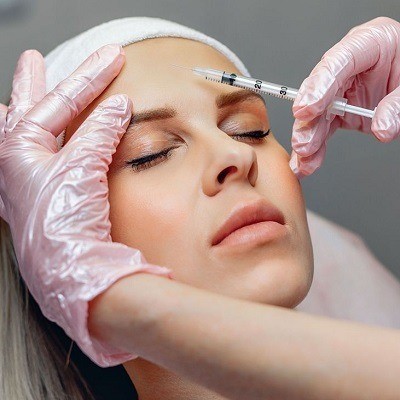
 Botox injections have become a popular aesthetic treatment for people who want to soften the appearance of fine lines and wrinkles while maintaining a natural-looking expression. Although the procedure is generally quick, preparation and aftercare can make an important difference in comfort, bruising, swelling, and the overall treatment experience. Understanding what to avoid before and after Botox injections can help patients make informed decisions and follow appropriate aftercare instructions.For individuals considering Botox Injections in Oman (https://www.enfieldroyalclinics.om/cosmetic-injectables/botox-injections/), learning about the treatment process and proper precautions is especially useful. While Botox is a minimally invasive procedure, it still involves injections into targeted muscles, so sensible preparation and post-treatment care are essential.What Should Be Avoided Before Botox Injections?Proper preparation starts before the appointment. A few everyday habits, medications, and activities may increase the likelihood of bruising or irritation. Patients should always discuss medications, supplements, allergies, medical conditions, and previous cosmetic treatments with a qualified healthcare professional before receiving Botox.1. Avoid Blood-Thinning Substances Unless Medically RequiredCertain medications and supplements can increase the tendency to bruise. Examples may include aspirin, some anti-inflammatory medicines, fish oil, vitamin E, and other supplements that can affect blood clotting.However, prescribed medication should never be stopped without medical advice. If a medication is medically necessary, the healthcare professional can determine whether Botox treatment is appropriate and whether any special precautions are needed.2. Limit Alcohol Before the AppointmentAlcohol may contribute to increased bruising and swelling in some people. For that reason, avoiding alcohol before a Botox appointment can be a sensible precaution.Arriving well-hydrated and having a normal meal beforehand may also help a person feel more comfortable during and after the procedure. There is generally no need for extensive fasting unless specifically instructed by the healthcare provider.3. Avoid Aggressive Facial TreatmentsStrong exfoliation, chemical peels, waxing, microneedling, laser treatments, or other procedures that can irritate the skin may be best avoided close to a Botox appointment.Healthy, calm skin can make the injection process more comfortable. Anyone who has recently undergone another facial treatment should mention it during the consultation so the healthcare professional can determine whether enough time has passed.4. Do Not Exercise Intensely Immediately Before TreatmentA strenuous workout immediately before an appointment may increase circulation and leave the skin flushed. While ordinary daily activity is usually not an issue, patients may prefer to avoid intense exercise immediately before Botox, particularly if they are prone to facial redness or bruising.The treatment provider can give individualized recommendations based on the injection areas and the person's overall health.What Not to Do Immediately After Botox InjectionsThe first few hours after Botox are an important part of aftercare. The injections are delivered into specific muscles, and patients are generally advised to avoid unnecessary pressure or manipulation of the treated areas.5. Do Not Rub or Massage the Treated AreaOne of the most important precautions after Botox is to avoid rubbing, pressing, or massaging the injection sites unless the treating professional specifically recommends otherwise.Touching the face unnecessarily can irritate the skin. Vigorous massage may also place unwanted pressure on recently treated areas. Patients should therefore handle the skin gently and follow the aftercare instructions provided by the healthcare professional.6. Avoid Lying Down Immediately After TreatmentPatients are often advised to remain upright for a period after Botox injections rather than immediately lying flat. This is a simple precaution that can be incorporated into the rest of the day.If a person needs to rest, the healthcare provider can explain when it is appropriate to lie down and whether any additional precautions are necessary.7. Skip Strenuous Exercise for the Recommended PeriodHeavy exercise can increase blood flow and may potentially contribute to redness, swelling, or bruising after injections. For this reason, patients may be advised to postpone vigorous workouts for a short period following treatment.Gentle everyday movement is usually much less concerning than strenuous exercise. The exact recommendation can vary depending on the treatment area and individual circumstances.Other Activities to Avoid After BotoxBeyond exercise and facial manipulation, several environmental and cosmetic factors deserve attention during the initial recovery period.8. Avoid Excessive HeatVery hot showers, saunas, steam rooms, and other activities involving significant heat exposure may increase redness or swelling in some people. Avoiding excessive heat around the time of treatment can therefore support a more comfortable recovery.This consideration can be particularly relevant for people living in warm climates. Those receiving Botox Injections in Oman may want to plan appointments and outdoor activities thoughtfully, especially during periods of high temperature.9. Avoid Unnecessary Pressure on the FacePatients should be cautious about activities that put sustained pressure on recently treated areas. Tight headwear, facial massage, or resting the face against a surface for extended periods may be uncomfortable immediately after treatment.Normal facial movement is generally different from deliberately pressing or manipulating the injection sites. Patients should follow the specific instructions provided by their healthcare professional.10. Be Careful With Makeup and SkincareMany people can return to normal skincare and makeup routines relatively soon after Botox, but applying products aggressively should be avoided immediately after injections.Rather than rubbing foundation, creams, or other products into the skin, patients can use gentle movements. If the skin appears particularly irritated, it may be sensible to ask the treatment provider when normal products can be resumed.Why Following Botox Aftercare MattersBotox works by temporarily reducing activity in selected muscles. The visible effect does not appear instantly and generally develops progressively over the following days. During this period, following professional aftercare advice can help minimize unnecessary irritation and allow the treated areas to settle.It is also important to remember that Botox results differ from person to person. Factors such as the treatment area, muscle strength, dosage, individual anatomy, metabolism, and the experience of the healthcare professional can influence the outcome.People should not judge the final result immediately after the appointment. Mild redness, tenderness, or small bumps at injection sites can occur and often settle relatively quickly.Anyone experiencing unusual or worsening symptoms should contact the treating healthcare professional promptly rather than attempting to manage the problem independently.How to Prepare for Botox Injections in OmanPeople researching Botox Injections in Oman should focus on more than the treatment itself. Choosing an appropriately qualified healthcare professional, discussing expectations, and understanding potential risks are all important parts of responsible cosmetic care.During a consultation, patients can ask about the areas being treated, expected results, possible side effects, recovery guidance, and whether Botox is suitable for their individual needs. They should also disclose relevant medications, supplements, allergies, previous cosmetic procedures, pregnancy or breastfeeding status where applicable, and any medical conditions that could affect treatment decisions.It is equally important to have realistic expectations. Botox is designed to temporarily reduce the appearance of certain dynamic wrinkles; it does not necessarily address every type of facial line or skin concern. A qualified professional can explain whether Botox or another approach is appropriate for a particular concern.Patients should also avoid choosing a treatment solely because of a promotional claim or unusually low advertised cost. Safety, appropriate assessment, product handling, qualified administration, and individualized treatment planning should remain the priorities.When Should Someone Contact a Healthcare Professional?Minor redness, tenderness, swelling, or bruising can occur after injections. These effects are generally temporary, but patients should pay attention to symptoms that seem unusual, severe, or progressively worse.A healthcare professional should be contacted if there are concerning symptoms such as significant swelling, signs of an allergic reaction, severe or unusual pain, difficulty breathing, difficulty swallowing, significant vision changes, or other unexpected symptoms.Following the provider's instructions is particularly important because aftercare recommendations can vary according to the treatment area, injection technique, medical history, and individual response.Patients should also remember that Botox should be administered by an appropriately qualified healthcare professional in a suitable medical setting. Proper assessment and technique are central to reducing avoidable complications.Frequently Asked Questions About Botox Injections1. How long should someone avoid exercise after Botox injections?The treating healthcare professional may recommend avoiding strenuous exercise for a short period after treatment. The exact timeframe can vary, so patients should follow their provider's specific instructions. Gentle everyday activity is generally different from intense workouts.2. Can a person wear makeup after Botox?Makeup may often be used after treatment, but patients should avoid vigorous rubbing or pressure over the injection sites. Applying products gently can help minimize irritation. If the skin is particularly sensitive, the provider can advise when the normal makeup routine should resume.3. Can someone sleep normally after Botox?Patients are commonly advised not to lie down immediately after treatment and to follow the specific instructions given by their healthcare professional. Once the recommended period has passed, normal sleep is generally possible, but patients should avoid unnecessary pressure on the treated areas.4. Is bruising normal after Botox injections?Small bruises can occur because Botox involves injections through the skin. The likelihood varies between individuals and may be affected by medications, supplements, skin sensitivity, and injection technique. Persistent, severe, or unusual bruising should be discussed with a healthcare professional.5. How soon do Botox results appear?Botox does not usually produce its complete visible effect immediately. Changes generally develop gradually over several days, with the final outcome taking longer to assess. The timing can vary depending on the person and the area treated.6. What should someone do if unexpected symptoms develop after Botox?Unexpected or severe symptoms should not be ignored. A patient should contact the healthcare professional who performed the treatment for guidance. Symptoms such as breathing difficulty, swallowing problems, significant vision changes, severe swelling, or other serious reactions require prompt medical attention.Botox can be a convenient option for temporarily softening certain expression-related lines, but responsible preparation and aftercare are important parts of the process. Avoiding unnecessary alcohol, excessive heat, strenuous exercise, facial manipulation, and pressure around the treated areas can help support a comfortable recovery. At the same time, patients should remember that individual instructions may differ.For anyone considering Botox Injections in Oman, a consultation with a qualified healthcare professional is the best way to understand suitability, expected results, potential risks, and personalized aftercare. With realistic expectations and appropriate professional guidance, patients can approach Botox treatment with greater confidence and a better understanding of what to expect. Read More About Botox Injections: https://www.clickone.co.in/story/botox-injections-for-crows-feet-results-and-benefits/
  Botox injections have become a popular aesthetic treatment for people who want to soften the appearance of fine lines and wrinkles while maintaining a natural-looking expression. Although the procedure is generally quick, preparation and aftercare can make an important difference in comfort, bruising, swelling, and the overall treatment experience. Understanding what to avoid before and after Botox injections can help patients make informed decisions and follow appropriate aftercare instructions.For individuals considering Botox Injections in Oman (https://www.enfieldroyalclinics.om/cosmetic-injectables/botox-injections/), learning about the treatment process and proper precautions is especially useful. While Botox is a minimally invasive procedure, it still involves injections into targeted muscles, so sensible preparation and post-treatment care are essential.What Should Be Avoided Before Botox Injections?Proper preparation starts before the appointment. A few everyday habits, medications, and activities may increase the likelihood of bruising or irritation. Patients should always discuss medications, supplements, allergies, medical conditions, and previous cosmetic treatments with a qualified healthcare professional before receiving Botox.1. Avoid Blood-Thinning Substances Unless Medically RequiredCertain medications and supplements can increase the tendency to bruise. Examples may include aspirin, some anti-inflammatory medicines, fish oil, vitamin E, and other supplements that can affect blood clotting.However, prescribed medication should never be stopped without medical advice. If a medication is medically necessary, the healthcare professional can determine whether Botox treatment is appropriate and whether any special precautions are needed.2. Limit Alcohol Before the AppointmentAlcohol may contribute to increased bruising and swelling in some people. For that reason, avoiding alcohol before a Botox appointment can be a sensible precaution.Arriving well-hydrated and having a normal meal beforehand may also help a person feel more comfortable during and after the procedure. There is generally no need for extensive fasting unless specifically instructed by the healthcare provider.3. Avoid Aggressive Facial TreatmentsStrong exfoliation, chemical peels, waxing, microneedling, laser treatments, or other procedures that can irritate the skin may be best avoided close to a Botox appointment.Healthy, calm skin can make the injection process more comfortable. Anyone who has recently undergone another facial treatment should mention it during the consultation so the healthcare professional can determine whether enough time has passed.4. Do Not Exercise Intensely Immediately Before TreatmentA strenuous workout immediately before an appointment may increase circulation and leave the skin flushed. While ordinary daily activity is usually not an issue, patients may prefer to avoid intense exercise immediately before Botox, particularly if they are prone to facial redness or bruising.The treatment provider can give individualized recommendations based on the injection areas and the person's overall health.What Not to Do Immediately After Botox InjectionsThe first few hours after Botox are an important part of aftercare. The injections are delivered into specific muscles, and patients are generally advised to avoid unnecessary pressure or manipulation of the treated areas.5. Do Not Rub or Massage the Treated AreaOne of the most important precautions after Botox is to avoid rubbing, pressing, or massaging the injection sites unless the treating professional specifically recommends otherwise.Touching the face unnecessarily can irritate the skin. Vigorous massage may also place unwanted pressure on recently treated areas. Patients should therefore handle the skin gently and follow the aftercare instructions provided by the healthcare professional.6. Avoid Lying Down Immediately After TreatmentPatients are often advised to remain upright for a period after Botox injections rather than immediately lying flat. This is a simple precaution that can be incorporated into the rest of the day.If a person needs to rest, the healthcare provider can explain when it is appropriate to lie down and whether any additional precautions are necessary.7. Skip Strenuous Exercise for the Recommended PeriodHeavy exercise can increase blood flow and may potentially contribute to redness, swelling, or bruising after injections. For this reason, patients may be advised to postpone vigorous workouts for a short period following treatment.Gentle everyday movement is usually much less concerning than strenuous exercise. The exact recommendation can vary depending on the treatment area and individual circumstances.Other Activities to Avoid After BotoxBeyond exercise and facial manipulation, several environmental and cosmetic factors deserve attention during the initial recovery period.8. Avoid Excessive HeatVery hot showers, saunas, steam rooms, and other activities involving significant heat exposure may increase redness or swelling in some people. Avoiding excessive heat around the time of treatment can therefore support a more comfortable recovery.This consideration can be particularly relevant for people living in warm climates. Those receiving Botox Injections in Oman may want to plan appointments and outdoor activities thoughtfully, especially during periods of high temperature.9. Avoid Unnecessary Pressure on the FacePatients should be cautious about activities that put sustained pressure on recently treated areas. Tight headwear, facial massage, or resting the face against a surface for extended periods may be uncomfortable immediately after treatment.Normal facial movement is generally different from deliberately pressing or manipulating the injection sites. Patients should follow the specific instructions provided by their healthcare professional.10. Be Careful With Makeup and SkincareMany people can return to normal skincare and makeup routines relatively soon after Botox, but applying products aggressively should be avoided immediately after injections.Rather than rubbing foundation, creams, or other products into the skin, patients can use gentle movements. If the skin appears particularly irritated, it may be sensible to ask the treatment provider when normal products can be resumed.Why Following Botox Aftercare MattersBotox works by temporarily reducing activity in selected muscles. The visible effect does not appear instantly and generally develops progressively over the following days. During this period, following professional aftercare advice can help minimize unnecessary irritation and allow the treated areas to settle.It is also important to remember that Botox results differ from person to person. Factors such as the treatment area, muscle strength, dosage, individual anatomy, metabolism, and the experience of the healthcare professional can influence the outcome.People should not judge the final result immediately after the appointment. Mild redness, tenderness, or small bumps at injection sites can occur and often settle relatively quickly.Anyone experiencing unusual or worsening symptoms should contact the treating healthcare professional promptly rather than attempting to manage the problem independently.How to Prepare for Botox Injections in OmanPeople researching Botox Injections in Oman should focus on more than the treatment itself. Choosing an appropriately qualified healthcare professional, discussing expectations, and understanding potential risks are all important parts of responsible cosmetic care.During a consultation, patients can ask about the areas being treated, expected results, possible side effects, recovery guidance, and whether Botox is suitable for their individual needs. They should also disclose relevant medications, supplements, allergies, previous cosmetic procedures, pregnancy or breastfeeding status where applicable, and any medical conditions that could affect treatment decisions.It is equally important to have realistic expectations. Botox is designed to temporarily reduce the appearance of certain dynamic wrinkles; it does not necessarily address every type of facial line or skin concern. A qualified professional can explain whether Botox or another approach is appropriate for a particular concern.Patients should also avoid choosing a treatment solely because of a promotional claim or unusually low advertised cost. Safety, appropriate assessment, product handling, qualified administration, and individualized treatment planning should remain the priorities.When Should Someone Contact a Healthcare Professional?Minor redness, tenderness, swelling, or bruising can occur after injections. These effects are generally temporary, but patients should pay attention to symptoms that seem unusual, severe, or progressively worse.A healthcare professional should be contacted if there are concerning symptoms such as significant swelling, signs of an allergic reaction, severe or unusual pain, difficulty breathing, difficulty swallowing, significant vision changes, or other unexpected symptoms.Following the provider's instructions is particularly important because aftercare recommendations can vary according to the treatment area, injection technique, medical history, and individual response.Patients should also remember that Botox should be administered by an appropriately qualified healthcare professional in a suitable medical setting. Proper assessment and technique are central to reducing avoidable complications.Frequently Asked Questions About Botox Injections1. How long should someone avoid exercise after Botox injections?The treating healthcare professional may recommend avoiding strenuous exercise for a short period after treatment. The exact timeframe can vary, so patients should follow their provider's specific instructions. Gentle everyday activity is generally different from intense workouts.2. Can a person wear makeup after Botox?Makeup may often be used after treatment, but patients should avoid vigorous rubbing or pressure over the injection sites. Applying products gently can help minimize irritation. If the skin is particularly sensitive, the provider can advise when the normal makeup routine should resume.3. Can someone sleep normally after Botox?Patients are commonly advised not to lie down immediately after treatment and to follow the specific instructions given by their healthcare professional. Once the recommended period has passed, normal sleep is generally possible, but patients should avoid unnecessary pressure on the treated areas.4. Is bruising normal after Botox injections?Small bruises can occur because Botox involves injections through the skin. The likelihood varies between individuals and may be affected by medications, supplements, skin sensitivity, and injection technique. Persistent, severe, or unusual bruising should be discussed with a healthcare professional.5. How soon do Botox results appear?Botox does not usually produce its complete visible effect immediately. Changes generally develop gradually over several days, with the final outcome taking longer to assess. The timing can vary depending on the person and the area treated.6. What should someone do if unexpected symptoms develop after Botox?Unexpected or severe symptoms should not be ignored. A patient should contact the healthcare professional who performed the treatment for guidance. Symptoms such as breathing difficulty, swallowing problems, significant vision changes, severe swelling, or other serious reactions require prompt medical attention.Botox can be a convenient option for temporarily softening certain expression-related lines, but responsible preparation and aftercare are important parts of the process. Avoiding unnecessary alcohol, excessive heat, strenuous exercise, facial manipulation, and pressure around the treated areas can help support a comfortable recovery. At the same time, patients should remember that individual instructions may differ.For anyone considering Botox Injections in Oman, a consultation with a qualified healthcare professional is the best way to understand suitability, expected results, potential risks, and personalized aftercare. With realistic expectations and appropriate professional guidance, patients can approach Botox treatment with greater confidence and a better understanding of what to expect. Read More About Botox Injections: https://www.clickone.co.in/story/botox-injections-for-crows-feet-results-and-benefits/
 Wed, 12 August 26 : 6:08 : Enfield Oman
Visit / Join Group to Reply