


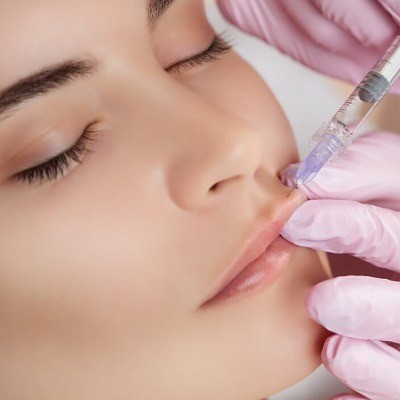
 Choosing between Botox injections and dermal fillers can be confusing, especially for people exploring non-surgical options to improve facial appearance. Both treatments can soften signs of aging and create a fresher, more youthful look, but they work in very different ways. Understanding these differences can help individuals make a more informed decision based on their concerns, expectations, and overall treatment goals.For people considering Botox Injections in Muscat (https://www.enfieldroyalclinics.om/cosmetic-injectables/botox-injections/), it is particularly useful to understand what Botox can and cannot do compared with fillers. While Botox primarily targets muscle activity that contributes to expression lines, fillers are designed to restore volume and enhance areas that may have become thinner or less defined over time.Neither option is universally “better.” The most suitable treatment depends on the specific concern being addressed, the area being treated, the desired result, and an assessment by a qualified medical professional.What Are Botox Injections?Botox is a purified form of botulinum toxin type A that temporarily reduces the activity of selected facial muscles. When certain muscles repeatedly contract during facial expressions, the overlying skin can gradually develop lines and wrinkles. By reducing excessive muscle movement, Botox can make these wrinkles appear softer.Botox is commonly considered for dynamic wrinkles, which are lines that become more noticeable when a person smiles, frowns, squints, or raises the eyebrows. Common treatment areas include forehead lines, frown lines between the eyebrows, and crow’s feet around the eyes.One reason people consider Botox Injections in Muscat is that the procedure is generally quick and does not require surgery. However, the treatment should still be approached as a medical procedure rather than simply a beauty service. Appropriate patient selection, accurate injection technique, and a thorough understanding of facial anatomy are important for achieving natural-looking results.Botox does not add volume to the face. Instead, it works by temporarily influencing muscle activity. This distinction is important when comparing Botox with dermal fillers.What Are Dermal Fillers?Dermal fillers are injectable products used to add or restore volume beneath the skin. Many modern fillers contain hyaluronic acid, a substance naturally found in the body that helps maintain hydration and tissue volume.Fillers may be used for concerns such as loss of cheek volume, thinning lips, certain facial contours, and some types of deeper folds. Depending on the product and treatment area, fillers can also help enhance facial definition.Unlike Botox, fillers do not primarily work by relaxing facial muscles. Instead, they physically provide volume in targeted areas. This makes them more appropriate when facial aging is associated with volume loss rather than excessive muscle movement.For example, a person with pronounced forehead expression lines may benefit more from Botox, while someone experiencing reduced cheek fullness may be a candidate for a filler. In some situations, both treatments may be used as part of a broader aesthetic plan.Botox vs Fillers: What Is the Main Difference?The simplest way to understand the difference is to consider movement versus volume.Botox reduces the movement of selected muscles, making it particularly useful for dynamic wrinkles. Fillers restore or add volume, making them more suitable for areas where fullness or structural support has diminished.The two treatments also differ in how results develop. Botox does not usually produce an immediate final effect. Changes generally become more noticeable over the following days as the treated muscles gradually become less active. Fillers, on the other hand, can provide an immediate change in volume, although swelling or mild temporary reactions may affect the appearance during the initial recovery period.Duration also varies. Botox effects are temporary and commonly last several months, although the exact duration differs between individuals and treatment areas. Some dermal fillers can last considerably longer, depending on the type of filler, the area treated, metabolism, and other individual factors.Another important distinction is reversibility. Certain hyaluronic acid fillers can often be dissolved using an appropriate enzyme when medically indicated. Botox, however, cannot simply be dissolved after injection; its effects wear off naturally as muscle activity gradually returns.Which Treatment Is Better for Different Facial Concerns?There is no single answer because Botox and fillers address different problems.Botox may be more suitable for:Forehead expression linesFrown lines between the eyebrowsCrow’s feetCertain facial wrinkles caused by repeated muscle movementSome cases where reducing specific muscle activity can improve facial balanceDermal fillers may be more suitable for:Loss of cheek volumeThin or less-defined lipsCertain facial contoursVolume-related facial foldsAreas where additional structural support or fullness is desiredFor someone researching Botox Injections in Muscat, the most important step is to determine whether the concern is caused primarily by muscle movement, volume loss, skin quality, or a combination of factors.Skin aging is complex, and wrinkles are not always caused by one factor. Sun exposure, natural collagen loss, facial expressions, genetics, lifestyle, and changes in facial volume can all contribute. Consequently, a personalized assessment is generally more useful than choosing a treatment based only on its popularity.What Can Someone Expect During Botox or Filler Treatment?Both procedures are usually performed in a medical setting and involve injections into carefully selected areas. The experience can vary depending on the treatment area, individual sensitivity, product used, and injection technique.Before treatment, a qualified practitioner should discuss the person's goals, medical history, current medications, allergies, previous cosmetic procedures, and any relevant health considerations. The facial structure and skin should also be assessed to determine whether treatment is appropriate.During Botox treatment, small amounts are injected into specific muscles. The procedure is usually relatively brief. Afterward, people can generally return to normal activities, although the treating professional may provide specific aftercare instructions.Filler treatment may involve a greater focus on facial contouring and volume placement. Depending on the area, a topical or local anesthetic may be used to improve comfort. Temporary swelling, redness, tenderness, or bruising can occur after injections.Although both treatments are minimally invasive, they are not completely risk-free. Botox can occasionally cause temporary effects such as headache, bruising, or unwanted muscle weakness. Fillers can cause swelling, lumps, asymmetry, or other complications. Rare but serious vascular complications can occur with dermal fillers, which is why proper anatomical knowledge and qualified medical care are essential.How Long Do Botox and Fillers Last?The longevity of either treatment depends on several factors, so no fixed duration applies to everyone.Botox commonly provides results for several months. Muscle activity gradually returns as the effect wears off. Some people may find that their results last longer with repeated treatments, while others may experience a shorter duration.Fillers can have a different lifespan depending on their composition, placement, and treatment area. Areas with more movement may process filler differently from areas with less movement. The body's metabolism and the specific filler formulation can also influence how long results remain visible.It is important for anyone considering Botox Injections in Muscat to have realistic expectations. These treatments do not permanently stop the aging process. Instead, they temporarily modify specific signs of aging or facial volume changes.Regular treatment should also not automatically mean that more product or more frequent injections are better. Conservative treatment and appropriate intervals can help support natural-looking results.Is Botox or Filler the Better Choice?The better option is the one that addresses the underlying concern most appropriately.If facial lines are mainly caused by repeated muscle contractions, Botox may be the more logical choice. If the primary issue is loss of volume or facial definition, fillers may be more appropriate. For some individuals, a combination approach may be considered when both muscle movement and volume changes contribute to the overall appearance.The goal should not necessarily be to eliminate every wrinkle or completely change facial features. A well-planned treatment approach generally focuses on proportion, balance, and maintaining natural facial expression.Anyone considering these procedures should choose a qualified and appropriately trained medical professional who can explain the expected benefits, limitations, possible complications, and alternatives. A consultation is especially important for people who are pregnant or breastfeeding, have certain neuromuscular conditions, have a history of severe allergies, take particular medications, or have previously experienced complications from injectable treatments.For those specifically searching for Botox Injections in Muscat, comparing providers based on qualifications, medical standards, consultation practices, product authenticity, and patient safety can be more important than selecting a treatment based solely on cost.Botox and Fillers: Making an Informed DecisionBotox and dermal fillers are both established non-surgical aesthetic treatments, but they are designed for different purposes. Botox primarily reduces targeted muscle activity and can soften dynamic wrinkles, while fillers restore or add volume to selected areas of the face.The right choice depends on the person's facial anatomy, skin condition, treatment goals, medical history, and expectations. A qualified professional can determine whether Botox, fillers, another approach, or no injectable treatment is appropriate.People should also be cautious about unrealistic promises. No injectable can guarantee a particular result, and individual responses vary. Good aesthetic treatment should prioritize safety, proportion, and a result that suits the individual's natural features.Ultimately, the question is not simply whether Botox or fillers are better. The more useful question is which treatment is better for the specific concern being addressed. Understanding that difference can make the decision clearer and help people approach Botox Injections in Muscat with realistic expectations and better-informed questions.Frequently Asked Questions1. Is Botox better than fillers for wrinkles?Botox may be better for wrinkles caused mainly by repeated facial muscle movement, such as forehead lines, frown lines, and crow’s feet. Fillers may be more appropriate for wrinkles or folds associated with volume loss. The best option depends on the type and location of the wrinkle.2. Can Botox and fillers be used together?Yes. In some treatment plans, Botox and fillers may be combined because they address different aspects of facial aging. Botox can reduce selected muscle activity, while fillers can restore volume or enhance contours. Whether combining them is appropriate should be determined during a professional assessment.3. How quickly do Botox results appear?Botox results usually develop gradually rather than appearing immediately. Noticeable changes may begin within several days, with the effect becoming more apparent over the following days. The exact timing varies from person to person.4. Are dermal fillers permanent?Most commonly used dermal fillers are temporary rather than permanent. Their longevity depends on the filler type, treatment area, individual metabolism, and other factors. Some fillers can last significantly longer than others.5. Are Botox injections and fillers safe?Both procedures can be safe when performed on appropriate patients by qualified medical professionals using approved products and proper injection techniques. However, every medical procedure carries potential risks. Bruising, swelling, tenderness, asymmetry, and other side effects can occur, while serious complications are uncommon but possible.6. How can someone choose between Botox and fillers?The choice should be based on the underlying facial concern. Botox is generally associated with reducing muscle-related wrinkles, while fillers are generally used to restore or add volume. A qualified medical consultation can help determine which approach, if any, is suitable for an individual's goals and circumstances. Read More About Botox Injections: https://www.clickone.co.in/story/botox-injections-for-forehead-lines-what-to-know/
  Choosing between Botox injections and dermal fillers can be confusing, especially for people exploring non-surgical options to improve facial appearance. Both treatments can soften signs of aging and create a fresher, more youthful look, but they work in very different ways. Understanding these differences can help individuals make a more informed decision based on their concerns, expectations, and overall treatment goals.For people considering Botox Injections in Muscat (https://www.enfieldroyalclinics.om/cosmetic-injectables/botox-injections/), it is particularly useful to understand what Botox can and cannot do compared with fillers. While Botox primarily targets muscle activity that contributes to expression lines, fillers are designed to restore volume and enhance areas that may have become thinner or less defined over time.Neither option is universally “better.” The most suitable treatment depends on the specific concern being addressed, the area being treated, the desired result, and an assessment by a qualified medical professional.What Are Botox Injections?Botox is a purified form of botulinum toxin type A that temporarily reduces the activity of selected facial muscles. When certain muscles repeatedly contract during facial expressions, the overlying skin can gradually develop lines and wrinkles. By reducing excessive muscle movement, Botox can make these wrinkles appear softer.Botox is commonly considered for dynamic wrinkles, which are lines that become more noticeable when a person smiles, frowns, squints, or raises the eyebrows. Common treatment areas include forehead lines, frown lines between the eyebrows, and crow’s feet around the eyes.One reason people consider Botox Injections in Muscat is that the procedure is generally quick and does not require surgery. However, the treatment should still be approached as a medical procedure rather than simply a beauty service. Appropriate patient selection, accurate injection technique, and a thorough understanding of facial anatomy are important for achieving natural-looking results.Botox does not add volume to the face. Instead, it works by temporarily influencing muscle activity. This distinction is important when comparing Botox with dermal fillers.What Are Dermal Fillers?Dermal fillers are injectable products used to add or restore volume beneath the skin. Many modern fillers contain hyaluronic acid, a substance naturally found in the body that helps maintain hydration and tissue volume.Fillers may be used for concerns such as loss of cheek volume, thinning lips, certain facial contours, and some types of deeper folds. Depending on the product and treatment area, fillers can also help enhance facial definition.Unlike Botox, fillers do not primarily work by relaxing facial muscles. Instead, they physically provide volume in targeted areas. This makes them more appropriate when facial aging is associated with volume loss rather than excessive muscle movement.For example, a person with pronounced forehead expression lines may benefit more from Botox, while someone experiencing reduced cheek fullness may be a candidate for a filler. In some situations, both treatments may be used as part of a broader aesthetic plan.Botox vs Fillers: What Is the Main Difference?The simplest way to understand the difference is to consider movement versus volume.Botox reduces the movement of selected muscles, making it particularly useful for dynamic wrinkles. Fillers restore or add volume, making them more suitable for areas where fullness or structural support has diminished.The two treatments also differ in how results develop. Botox does not usually produce an immediate final effect. Changes generally become more noticeable over the following days as the treated muscles gradually become less active. Fillers, on the other hand, can provide an immediate change in volume, although swelling or mild temporary reactions may affect the appearance during the initial recovery period.Duration also varies. Botox effects are temporary and commonly last several months, although the exact duration differs between individuals and treatment areas. Some dermal fillers can last considerably longer, depending on the type of filler, the area treated, metabolism, and other individual factors.Another important distinction is reversibility. Certain hyaluronic acid fillers can often be dissolved using an appropriate enzyme when medically indicated. Botox, however, cannot simply be dissolved after injection; its effects wear off naturally as muscle activity gradually returns.Which Treatment Is Better for Different Facial Concerns?There is no single answer because Botox and fillers address different problems.Botox may be more suitable for:Forehead expression linesFrown lines between the eyebrowsCrow’s feetCertain facial wrinkles caused by repeated muscle movementSome cases where reducing specific muscle activity can improve facial balanceDermal fillers may be more suitable for:Loss of cheek volumeThin or less-defined lipsCertain facial contoursVolume-related facial foldsAreas where additional structural support or fullness is desiredFor someone researching Botox Injections in Muscat, the most important step is to determine whether the concern is caused primarily by muscle movement, volume loss, skin quality, or a combination of factors.Skin aging is complex, and wrinkles are not always caused by one factor. Sun exposure, natural collagen loss, facial expressions, genetics, lifestyle, and changes in facial volume can all contribute. Consequently, a personalized assessment is generally more useful than choosing a treatment based only on its popularity.What Can Someone Expect During Botox or Filler Treatment?Both procedures are usually performed in a medical setting and involve injections into carefully selected areas. The experience can vary depending on the treatment area, individual sensitivity, product used, and injection technique.Before treatment, a qualified practitioner should discuss the person's goals, medical history, current medications, allergies, previous cosmetic procedures, and any relevant health considerations. The facial structure and skin should also be assessed to determine whether treatment is appropriate.During Botox treatment, small amounts are injected into specific muscles. The procedure is usually relatively brief. Afterward, people can generally return to normal activities, although the treating professional may provide specific aftercare instructions.Filler treatment may involve a greater focus on facial contouring and volume placement. Depending on the area, a topical or local anesthetic may be used to improve comfort. Temporary swelling, redness, tenderness, or bruising can occur after injections.Although both treatments are minimally invasive, they are not completely risk-free. Botox can occasionally cause temporary effects such as headache, bruising, or unwanted muscle weakness. Fillers can cause swelling, lumps, asymmetry, or other complications. Rare but serious vascular complications can occur with dermal fillers, which is why proper anatomical knowledge and qualified medical care are essential.How Long Do Botox and Fillers Last?The longevity of either treatment depends on several factors, so no fixed duration applies to everyone.Botox commonly provides results for several months. Muscle activity gradually returns as the effect wears off. Some people may find that their results last longer with repeated treatments, while others may experience a shorter duration.Fillers can have a different lifespan depending on their composition, placement, and treatment area. Areas with more movement may process filler differently from areas with less movement. The body's metabolism and the specific filler formulation can also influence how long results remain visible.It is important for anyone considering Botox Injections in Muscat to have realistic expectations. These treatments do not permanently stop the aging process. Instead, they temporarily modify specific signs of aging or facial volume changes.Regular treatment should also not automatically mean that more product or more frequent injections are better. Conservative treatment and appropriate intervals can help support natural-looking results.Is Botox or Filler the Better Choice?The better option is the one that addresses the underlying concern most appropriately.If facial lines are mainly caused by repeated muscle contractions, Botox may be the more logical choice. If the primary issue is loss of volume or facial definition, fillers may be more appropriate. For some individuals, a combination approach may be considered when both muscle movement and volume changes contribute to the overall appearance.The goal should not necessarily be to eliminate every wrinkle or completely change facial features. A well-planned treatment approach generally focuses on proportion, balance, and maintaining natural facial expression.Anyone considering these procedures should choose a qualified and appropriately trained medical professional who can explain the expected benefits, limitations, possible complications, and alternatives. A consultation is especially important for people who are pregnant or breastfeeding, have certain neuromuscular conditions, have a history of severe allergies, take particular medications, or have previously experienced complications from injectable treatments.For those specifically searching for Botox Injections in Muscat, comparing providers based on qualifications, medical standards, consultation practices, product authenticity, and patient safety can be more important than selecting a treatment based solely on cost.Botox and Fillers: Making an Informed DecisionBotox and dermal fillers are both established non-surgical aesthetic treatments, but they are designed for different purposes. Botox primarily reduces targeted muscle activity and can soften dynamic wrinkles, while fillers restore or add volume to selected areas of the face.The right choice depends on the person's facial anatomy, skin condition, treatment goals, medical history, and expectations. A qualified professional can determine whether Botox, fillers, another approach, or no injectable treatment is appropriate.People should also be cautious about unrealistic promises. No injectable can guarantee a particular result, and individual responses vary. Good aesthetic treatment should prioritize safety, proportion, and a result that suits the individual's natural features.Ultimately, the question is not simply whether Botox or fillers are better. The more useful question is which treatment is better for the specific concern being addressed. Understanding that difference can make the decision clearer and help people approach Botox Injections in Muscat with realistic expectations and better-informed questions.Frequently Asked Questions1. Is Botox better than fillers for wrinkles?Botox may be better for wrinkles caused mainly by repeated facial muscle movement, such as forehead lines, frown lines, and crow’s feet. Fillers may be more appropriate for wrinkles or folds associated with volume loss. The best option depends on the type and location of the wrinkle.2. Can Botox and fillers be used together?Yes. In some treatment plans, Botox and fillers may be combined because they address different aspects of facial aging. Botox can reduce selected muscle activity, while fillers can restore volume or enhance contours. Whether combining them is appropriate should be determined during a professional assessment.3. How quickly do Botox results appear?Botox results usually develop gradually rather than appearing immediately. Noticeable changes may begin within several days, with the effect becoming more apparent over the following days. The exact timing varies from person to person.4. Are dermal fillers permanent?Most commonly used dermal fillers are temporary rather than permanent. Their longevity depends on the filler type, treatment area, individual metabolism, and other factors. Some fillers can last significantly longer than others.5. Are Botox injections and fillers safe?Both procedures can be safe when performed on appropriate patients by qualified medical professionals using approved products and proper injection techniques. However, every medical procedure carries potential risks. Bruising, swelling, tenderness, asymmetry, and other side effects can occur, while serious complications are uncommon but possible.6. How can someone choose between Botox and fillers?The choice should be based on the underlying facial concern. Botox is generally associated with reducing muscle-related wrinkles, while fillers are generally used to restore or add volume. A qualified medical consultation can help determine which approach, if any, is suitable for an individual's goals and circumstances. Read More About Botox Injections: https://www.clickone.co.in/story/botox-injections-for-forehead-lines-what-to-know/
 Wed, 12 August 26 : 5:08 : Enfield Oman
Visit / Join Group to Reply