


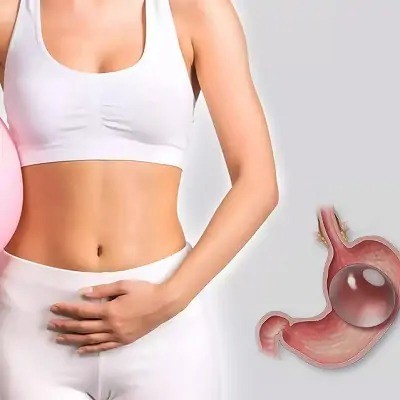
 For many people struggling with excess weight, losing weight through diet and exercise alone can be challenging. Even when someone follows a healthy eating plan and stays physically active, long-term weight loss may not always be easy to achieve. This is where non-surgical weight management options, such as a Gastric Balloon (https://www.enfieldroyalclinics.om/weight-loss/gastric-balloon/), may provide additional support.A gastric balloon is a temporary weight-loss treatment designed to help a person eat less and feel full sooner. Unlike traditional bariatric surgery, it does not involve cutting or permanently changing the digestive system. Instead, a soft balloon is placed inside the stomach and filled to occupy space. This can reduce the amount of food the stomach can comfortably hold and may help encourage healthier eating habits over time.The treatment is often considered by adults who need support with weight management but may not be ready for, or suitable for, more invasive surgical procedures. However, the results of a gastric balloon depend on more than the balloon itself. Nutrition, physical activity, behavioral changes, and ongoing professional guidance all play important roles in achieving and maintaining weight loss.What Is a Gastric Balloon?A gastric balloon is a temporary weight-loss device that is placed inside the stomach to help control food intake. Depending on the type of balloon, the procedure may involve inserting a deflated balloon through the mouth and into the stomach, where it is then filled with a sterile solution or gas.Once inflated, the balloon takes up part of the available space in the stomach. Because there is less room for food, a person may feel satisfied after eating a smaller portion. The treatment can also encourage slower eating and greater awareness of hunger and fullness signals.Unlike procedures such as gastric bypass or sleeve gastrectomy, a gastric balloon does not permanently alter the digestive tract. It is generally designed to remain in place for a limited period before being removed or, depending on the specific type, naturally passing through the digestive system.The main purpose is to provide a temporary tool that supports weight loss while the individual works on developing healthier habits. In this sense, the balloon is not intended to be a standalone solution. Its effectiveness is usually strongest when combined with a structured weight-management program.How Does a Gastric Balloon Help With Weight Loss?The basic principle behind a gastric balloon is relatively simple: it occupies space inside the stomach, leaving less room for food.When a person eats, the stomach expands to accommodate the meal. With a balloon in place, the stomach has less available capacity. As a result, the individual may feel full after eating smaller amounts of food than before treatment.This can help create a calorie deficit, which is essential for weight loss. When the body consistently uses more energy than it receives from food, it begins to use stored energy, including body fat, for fuel.A gastric balloon may support weight loss in several ways:Promoting earlier fullness: The balloon takes up space in the stomach, which can help a person feel satisfied with smaller portions.Reducing food intake: Feeling full sooner may naturally reduce the amount of food consumed during meals.Supporting portion control: Smaller meals may become easier to manage without relying solely on willpower.Encouraging mindful eating: Individuals may become more aware of hunger, fullness, eating speed, and portion sizes.Creating an opportunity for habit change: The temporary treatment period can give a person time to establish healthier eating and lifestyle routines.The goal is not simply to eat less for a short period. Ideally, the treatment helps a person develop sustainable behaviors that can continue after the balloon is removed.What Happens During the Gastric Balloon Treatment?The exact process depends on the type of gastric balloon being used and the individual's medical circumstances. In many cases, the balloon is inserted through the mouth and guided into the stomach using a minimally invasive technique.Once it is correctly positioned, the balloon is filled to the required size. The procedure is generally performed under appropriate medical supervision, and the individual is monitored before being allowed to return home or continue recovery.Some types of gastric balloons may not require a traditional surgical procedure. This can make the approach appealing to people who want a temporary weight-management option without undergoing major abdominal surgery.The first few days after placement can be an adjustment period. Because the stomach is adapting to the balloon, some people may experience nausea, vomiting, abdominal discomfort, cramping, or changes in bowel habits. These symptoms are often temporary, but medical advice should be followed if they are severe, persistent, or concerning.As the body adapts, many individuals can gradually return to normal daily activities. A carefully planned diet is usually introduced during the early stages, beginning with liquids and progressing toward soft foods and then regular meals, according to professional guidance.How Much Weight Can Someone Lose With a Gastric Balloon?Weight-loss results vary significantly from person to person. Factors such as starting weight, age, metabolism, eating habits, physical activity, medical conditions, and commitment to lifestyle changes can all influence the outcome.A gastric balloon is generally viewed as a tool that can support meaningful weight loss rather than guarantee a specific result. Some people may lose a substantial amount of weight during the treatment period, while others may experience more modest changes.The most important factor is often what happens alongside the treatment. Individuals who follow nutritional recommendations, stay physically active, attend follow-up appointments, and address emotional or behavioral eating patterns may be better positioned to achieve lasting results.It is also important to understand that weight loss does not necessarily stop once the balloon is removed. However, without continued attention to diet and lifestyle, some individuals may regain weight over time. For this reason, the period during which the balloon is in place can be viewed as an opportunity to build habits that can continue long after treatment ends.The Role of Diet and Lifestyle After a Gastric BalloonA gastric balloon can make portion control easier, but it does not automatically make food choices healthier. A person can still consume high-calorie foods and beverages in small quantities, potentially limiting the overall benefit of the treatment.A balanced approach is therefore important. Depending on individual needs, a nutrition professional may recommend meals that include lean protein, vegetables, fruits, whole grains, and other nutrient-rich foods.Protein can be particularly important because it may help support muscle mass during weight loss and contribute to feelings of fullness. Staying adequately hydrated is also essential, although drinking habits may need to be adjusted around meals based on professional recommendations.Regular physical activity can further support the weight-loss process. Exercise does not necessarily need to be intense to be beneficial. Walking, strength training, swimming, cycling, and other enjoyable activities can help increase energy expenditure and support overall health.Behavioral changes may be equally important. Eating slowly, recognizing emotional triggers, avoiding distracted eating, and learning to respond to hunger and fullness cues can help create healthier long-term patterns.In many cases, the most successful approach combines the gastric balloon with ongoing nutritional, physical, and behavioral support.Who May Consider a Gastric Balloon?A gastric balloon may be considered by adults who have struggled to achieve or maintain weight loss through lifestyle changes alone. It may be particularly appealing to individuals looking for a temporary and less invasive approach to weight management.However, it is not suitable for everyone. A person's overall health, medical history, digestive health, previous procedures, medications, and weight-loss goals should all be considered before treatment.A healthcare professional can assess whether the procedure is appropriate and discuss potential benefits and risks. This evaluation is important because weight management is highly individual, and the most suitable treatment can vary from one person to another.It is also worth remembering that a gastric balloon is not a substitute for medical care. People with certain digestive conditions or other health concerns may require alternative approaches. A proper assessment can help determine whether the treatment is a reasonable option.Potential Benefits and Risks of a Gastric BalloonOne of the main advantages of a gastric balloon is that it can provide additional support for people who have found traditional weight-loss methods difficult to maintain. Because it is temporary and does not involve permanent changes to the digestive system, it may be considered less invasive than some surgical weight-loss procedures.Other potential benefits may include improved portion control, earlier feelings of fullness, and an opportunity to develop healthier lifestyle habits.However, like any medical treatment, a gastric balloon can involve risks and side effects. Temporary nausea, vomiting, stomach discomfort, acid reflux, bloating, and indigestion may occur, particularly during the early adjustment period.More serious complications are less common but can occur. The specific risks depend on the type of balloon and the individual's health. Anyone considering treatment should discuss potential complications, warning signs, and aftercare requirements with a qualified healthcare professional.The decision should be based on a realistic understanding of both the potential benefits and limitations. A gastric balloon can support weight loss, but long-term success generally requires continued lifestyle changes and appropriate follow-up.Is a Gastric Balloon a Long-Term Weight-Loss Solution?A gastric balloon is typically intended to be a temporary intervention. Its purpose is to provide physical support while a person works toward changing eating and lifestyle habits.This temporary nature can be beneficial because it gives individuals a defined period in which to focus on portion control, nutrition, physical activity, and behavioral changes. However, the habits developed during treatment are often critical to maintaining results afterward.Weight management is a long-term process. Even after successful weight loss, the body may respond to reduced calorie intake by increasing hunger or reducing energy expenditure. This can make maintaining weight loss challenging.For this reason, individuals considering a gastric balloon should think beyond the treatment period. A sustainable plan may include ongoing nutritional guidance, regular physical activity, realistic eating habits, and strategies for managing setbacks.The balloon can serve as a useful tool, but lasting success ultimately depends on the individual's ability to maintain healthy behaviors over time.Frequently Asked Questions About Gastric Balloon1. Is a gastric balloon a surgical procedure?A gastric balloon is generally considered a non-surgical or minimally invasive weight-loss treatment, depending on the specific type used. Many balloons are placed through the mouth rather than through abdominal incisions. The exact placement and removal process varies by balloon type and should be discussed with a qualified healthcare professional.2. How quickly does a gastric balloon help with weight loss?Some people begin noticing changes in appetite and food intake relatively soon after the balloon is placed. However, weight loss usually occurs gradually over time. The amount and speed of weight loss depend on factors such as diet, activity levels, starting weight, metabolism, and adherence to the recommended weight-management program.3. Does a gastric balloon make a person feel full all the time?The balloon is designed to help increase feelings of fullness after smaller meals, but it does not eliminate hunger completely. Appetite can vary from person to person, and the body may take time to adjust. Learning to recognize genuine hunger and fullness signals is an important part of the overall treatment process.4. What can someone eat after getting a gastric balloon?Dietary recommendations usually change gradually after placement. A person may initially follow a liquid diet before progressing to soft foods and eventually regular meals, depending on professional guidance. Long term, balanced meals with appropriate portions are generally encouraged. Individual dietary requirements should always be discussed with a qualified nutrition or healthcare professional.5. Can weight return after a gastric balloon is removed?Yes, weight regain is possible after the balloon is removed. The balloon itself is temporary, so maintaining weight loss depends largely on the habits developed during and after treatment. Continuing healthy eating, physical activity, and appropriate follow-up can help support long-term weight management.6. Is a gastric balloon suitable for everyone?No. A gastric balloon may not be appropriate for every individual. Medical history, digestive health, current weight, previous treatments, medications, and other factors need to be considered. A qualified healthcare professional can evaluate the individual's circumstances and determine whether the treatment is suitable or whether another approach may be more appropriate.Final ThoughtsA gastric balloon can be a valuable tool for individuals who need additional support with weight management. By occupying space in the stomach, it can help promote earlier fullness, reduce portion sizes, and make it easier to control food intake. However, the treatment is most effective when it is combined with healthy nutrition, regular physical activity, and sustainable behavioral changes.The temporary nature of the treatment also makes the lifestyle component especially important. Once the balloon is removed, the habits developed during the treatment period can play a major role in maintaining progress.Anyone considering a gastric balloon should approach the decision with realistic expectations and seek an appropriate medical assessment. Understanding how the treatment works, what the recovery process involves, and what lifestyle changes are required can help individuals make informed decisions about their weight-management journey.Read More About Gastric Balloon: https://www.clickone.co.in/story/gynecomastia-surgery-aftercare-a-beginners-guide/
  For many people struggling with excess weight, losing weight through diet and exercise alone can be challenging. Even when someone follows a healthy eating plan and stays physically active, long-term weight loss may not always be easy to achieve. This is where non-surgical weight management options, such as a Gastric Balloon (https://www.enfieldroyalclinics.om/weight-loss/gastric-balloon/), may provide additional support.A gastric balloon is a temporary weight-loss treatment designed to help a person eat less and feel full sooner. Unlike traditional bariatric surgery, it does not involve cutting or permanently changing the digestive system. Instead, a soft balloon is placed inside the stomach and filled to occupy space. This can reduce the amount of food the stomach can comfortably hold and may help encourage healthier eating habits over time.The treatment is often considered by adults who need support with weight management but may not be ready for, or suitable for, more invasive surgical procedures. However, the results of a gastric balloon depend on more than the balloon itself. Nutrition, physical activity, behavioral changes, and ongoing professional guidance all play important roles in achieving and maintaining weight loss.What Is a Gastric Balloon?A gastric balloon is a temporary weight-loss device that is placed inside the stomach to help control food intake. Depending on the type of balloon, the procedure may involve inserting a deflated balloon through the mouth and into the stomach, where it is then filled with a sterile solution or gas.Once inflated, the balloon takes up part of the available space in the stomach. Because there is less room for food, a person may feel satisfied after eating a smaller portion. The treatment can also encourage slower eating and greater awareness of hunger and fullness signals.Unlike procedures such as gastric bypass or sleeve gastrectomy, a gastric balloon does not permanently alter the digestive tract. It is generally designed to remain in place for a limited period before being removed or, depending on the specific type, naturally passing through the digestive system.The main purpose is to provide a temporary tool that supports weight loss while the individual works on developing healthier habits. In this sense, the balloon is not intended to be a standalone solution. Its effectiveness is usually strongest when combined with a structured weight-management program.How Does a Gastric Balloon Help With Weight Loss?The basic principle behind a gastric balloon is relatively simple: it occupies space inside the stomach, leaving less room for food.When a person eats, the stomach expands to accommodate the meal. With a balloon in place, the stomach has less available capacity. As a result, the individual may feel full after eating smaller amounts of food than before treatment.This can help create a calorie deficit, which is essential for weight loss. When the body consistently uses more energy than it receives from food, it begins to use stored energy, including body fat, for fuel.A gastric balloon may support weight loss in several ways:Promoting earlier fullness: The balloon takes up space in the stomach, which can help a person feel satisfied with smaller portions.Reducing food intake: Feeling full sooner may naturally reduce the amount of food consumed during meals.Supporting portion control: Smaller meals may become easier to manage without relying solely on willpower.Encouraging mindful eating: Individuals may become more aware of hunger, fullness, eating speed, and portion sizes.Creating an opportunity for habit change: The temporary treatment period can give a person time to establish healthier eating and lifestyle routines.The goal is not simply to eat less for a short period. Ideally, the treatment helps a person develop sustainable behaviors that can continue after the balloon is removed.What Happens During the Gastric Balloon Treatment?The exact process depends on the type of gastric balloon being used and the individual's medical circumstances. In many cases, the balloon is inserted through the mouth and guided into the stomach using a minimally invasive technique.Once it is correctly positioned, the balloon is filled to the required size. The procedure is generally performed under appropriate medical supervision, and the individual is monitored before being allowed to return home or continue recovery.Some types of gastric balloons may not require a traditional surgical procedure. This can make the approach appealing to people who want a temporary weight-management option without undergoing major abdominal surgery.The first few days after placement can be an adjustment period. Because the stomach is adapting to the balloon, some people may experience nausea, vomiting, abdominal discomfort, cramping, or changes in bowel habits. These symptoms are often temporary, but medical advice should be followed if they are severe, persistent, or concerning.As the body adapts, many individuals can gradually return to normal daily activities. A carefully planned diet is usually introduced during the early stages, beginning with liquids and progressing toward soft foods and then regular meals, according to professional guidance.How Much Weight Can Someone Lose With a Gastric Balloon?Weight-loss results vary significantly from person to person. Factors such as starting weight, age, metabolism, eating habits, physical activity, medical conditions, and commitment to lifestyle changes can all influence the outcome.A gastric balloon is generally viewed as a tool that can support meaningful weight loss rather than guarantee a specific result. Some people may lose a substantial amount of weight during the treatment period, while others may experience more modest changes.The most important factor is often what happens alongside the treatment. Individuals who follow nutritional recommendations, stay physically active, attend follow-up appointments, and address emotional or behavioral eating patterns may be better positioned to achieve lasting results.It is also important to understand that weight loss does not necessarily stop once the balloon is removed. However, without continued attention to diet and lifestyle, some individuals may regain weight over time. For this reason, the period during which the balloon is in place can be viewed as an opportunity to build habits that can continue long after treatment ends.The Role of Diet and Lifestyle After a Gastric BalloonA gastric balloon can make portion control easier, but it does not automatically make food choices healthier. A person can still consume high-calorie foods and beverages in small quantities, potentially limiting the overall benefit of the treatment.A balanced approach is therefore important. Depending on individual needs, a nutrition professional may recommend meals that include lean protein, vegetables, fruits, whole grains, and other nutrient-rich foods.Protein can be particularly important because it may help support muscle mass during weight loss and contribute to feelings of fullness. Staying adequately hydrated is also essential, although drinking habits may need to be adjusted around meals based on professional recommendations.Regular physical activity can further support the weight-loss process. Exercise does not necessarily need to be intense to be beneficial. Walking, strength training, swimming, cycling, and other enjoyable activities can help increase energy expenditure and support overall health.Behavioral changes may be equally important. Eating slowly, recognizing emotional triggers, avoiding distracted eating, and learning to respond to hunger and fullness cues can help create healthier long-term patterns.In many cases, the most successful approach combines the gastric balloon with ongoing nutritional, physical, and behavioral support.Who May Consider a Gastric Balloon?A gastric balloon may be considered by adults who have struggled to achieve or maintain weight loss through lifestyle changes alone. It may be particularly appealing to individuals looking for a temporary and less invasive approach to weight management.However, it is not suitable for everyone. A person's overall health, medical history, digestive health, previous procedures, medications, and weight-loss goals should all be considered before treatment.A healthcare professional can assess whether the procedure is appropriate and discuss potential benefits and risks. This evaluation is important because weight management is highly individual, and the most suitable treatment can vary from one person to another.It is also worth remembering that a gastric balloon is not a substitute for medical care. People with certain digestive conditions or other health concerns may require alternative approaches. A proper assessment can help determine whether the treatment is a reasonable option.Potential Benefits and Risks of a Gastric BalloonOne of the main advantages of a gastric balloon is that it can provide additional support for people who have found traditional weight-loss methods difficult to maintain. Because it is temporary and does not involve permanent changes to the digestive system, it may be considered less invasive than some surgical weight-loss procedures.Other potential benefits may include improved portion control, earlier feelings of fullness, and an opportunity to develop healthier lifestyle habits.However, like any medical treatment, a gastric balloon can involve risks and side effects. Temporary nausea, vomiting, stomach discomfort, acid reflux, bloating, and indigestion may occur, particularly during the early adjustment period.More serious complications are less common but can occur. The specific risks depend on the type of balloon and the individual's health. Anyone considering treatment should discuss potential complications, warning signs, and aftercare requirements with a qualified healthcare professional.The decision should be based on a realistic understanding of both the potential benefits and limitations. A gastric balloon can support weight loss, but long-term success generally requires continued lifestyle changes and appropriate follow-up.Is a Gastric Balloon a Long-Term Weight-Loss Solution?A gastric balloon is typically intended to be a temporary intervention. Its purpose is to provide physical support while a person works toward changing eating and lifestyle habits.This temporary nature can be beneficial because it gives individuals a defined period in which to focus on portion control, nutrition, physical activity, and behavioral changes. However, the habits developed during treatment are often critical to maintaining results afterward.Weight management is a long-term process. Even after successful weight loss, the body may respond to reduced calorie intake by increasing hunger or reducing energy expenditure. This can make maintaining weight loss challenging.For this reason, individuals considering a gastric balloon should think beyond the treatment period. A sustainable plan may include ongoing nutritional guidance, regular physical activity, realistic eating habits, and strategies for managing setbacks.The balloon can serve as a useful tool, but lasting success ultimately depends on the individual's ability to maintain healthy behaviors over time.Frequently Asked Questions About Gastric Balloon1. Is a gastric balloon a surgical procedure?A gastric balloon is generally considered a non-surgical or minimally invasive weight-loss treatment, depending on the specific type used. Many balloons are placed through the mouth rather than through abdominal incisions. The exact placement and removal process varies by balloon type and should be discussed with a qualified healthcare professional.2. How quickly does a gastric balloon help with weight loss?Some people begin noticing changes in appetite and food intake relatively soon after the balloon is placed. However, weight loss usually occurs gradually over time. The amount and speed of weight loss depend on factors such as diet, activity levels, starting weight, metabolism, and adherence to the recommended weight-management program.3. Does a gastric balloon make a person feel full all the time?The balloon is designed to help increase feelings of fullness after smaller meals, but it does not eliminate hunger completely. Appetite can vary from person to person, and the body may take time to adjust. Learning to recognize genuine hunger and fullness signals is an important part of the overall treatment process.4. What can someone eat after getting a gastric balloon?Dietary recommendations usually change gradually after placement. A person may initially follow a liquid diet before progressing to soft foods and eventually regular meals, depending on professional guidance. Long term, balanced meals with appropriate portions are generally encouraged. Individual dietary requirements should always be discussed with a qualified nutrition or healthcare professional.5. Can weight return after a gastric balloon is removed?Yes, weight regain is possible after the balloon is removed. The balloon itself is temporary, so maintaining weight loss depends largely on the habits developed during and after treatment. Continuing healthy eating, physical activity, and appropriate follow-up can help support long-term weight management.6. Is a gastric balloon suitable for everyone?No. A gastric balloon may not be appropriate for every individual. Medical history, digestive health, current weight, previous treatments, medications, and other factors need to be considered. A qualified healthcare professional can evaluate the individual's circumstances and determine whether the treatment is suitable or whether another approach may be more appropriate.Final ThoughtsA gastric balloon can be a valuable tool for individuals who need additional support with weight management. By occupying space in the stomach, it can help promote earlier fullness, reduce portion sizes, and make it easier to control food intake. However, the treatment is most effective when it is combined with healthy nutrition, regular physical activity, and sustainable behavioral changes.The temporary nature of the treatment also makes the lifestyle component especially important. Once the balloon is removed, the habits developed during the treatment period can play a major role in maintaining progress.Anyone considering a gastric balloon should approach the decision with realistic expectations and seek an appropriate medical assessment. Understanding how the treatment works, what the recovery process involves, and what lifestyle changes are required can help individuals make informed decisions about their weight-management journey.Read More About Gastric Balloon: https://www.clickone.co.in/story/gynecomastia-surgery-aftercare-a-beginners-guide/
 Sat, 25 July 26 : 7:07 : Enfield Oman
Visit / Join Group to Reply