


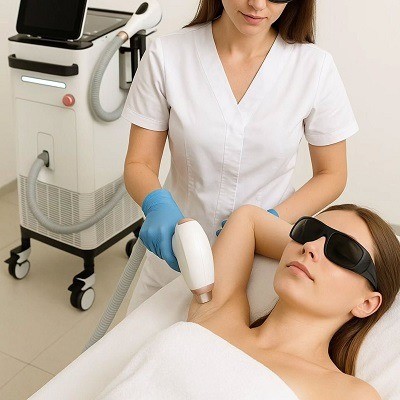
 Unwanted body hair is a common concern for many people, and while traditional methods like shaving, waxing, and threading offer temporary solutions, they often require constant maintenance. This is why Laser Hair Removal (https://www.enfieldroyalclinics.om/laser-treatments/laser-hair-removal/) has become one of the most popular choices for individuals seeking smoother skin with longer-lasting results. The treatment is designed to reduce hair growth over time, helping people spend less time on regular hair removal routines.However, achieving the best possible outcome depends on more than simply scheduling a session. Proper preparation, aftercare, and consistency all play a significant role in ensuring long-lasting results. Understanding how the process works and following recommended guidelines can help maximize the benefits while minimizing potential side effects.This guide covers the best laser hair removal tips, explains how the treatment works, and shares practical advice for maintaining smoother skin for as long as possible.Understanding How Laser Hair Removal WorksLaser hair removal uses concentrated beams of light to target the pigment (melanin) in hair follicles. The light energy converts into heat, damaging the follicle and slowing future hair growth. Since hair grows in different cycles, multiple treatment sessions are necessary to target follicles during their active growth phase.The procedure is commonly used on areas such as:FaceUpper lipChinUnderarmsArmsLegsBikini areaChestBackWhile many people experience a noticeable reduction in hair growth after several sessions, maintenance treatments may still be needed over time to keep results consistent.Prepare Properly Before Every SessionPreparation plays a major role in the effectiveness of laser hair removal. Following the right steps before treatment allows the laser to target the hair follicle more efficiently.Shave Before the AppointmentShaving the treatment area about 24 hours before the session is generally recommended. This leaves the hair follicle intact beneath the skin while preventing surface hair from absorbing too much laser energy.Avoid Waxing and PluckingWaxing, threading, and tweezing remove the hair root, making it difficult for the laser to target the follicle. It is generally advised to avoid these methods for several weeks before beginning treatment.Limit Sun ExposureSunburned or heavily tanned skin may increase the risk of irritation and pigmentation changes. Protecting the skin from excessive sunlight before appointments can improve both safety and treatment effectiveness.Skip Self-Tanning ProductsArtificial tanning products can alter skin tone, making it harder for the laser to distinguish between the skin and hair pigment. It is best to avoid self-tanners before treatment sessions.Stay Consistent with the Recommended Treatment ScheduleOne of the biggest reasons some people experience less-than-expected results is inconsistent scheduling.Hair grows in three different stages:Growth phase (Anagen)Transitional phase (Catagen)Resting phase (Telogen)Laser hair removal is most effective during the active growth stage. Since not all hairs are in the same phase at the same time, several sessions spaced weeks apart are necessary.Skipping appointments or waiting too long between sessions may reduce the overall effectiveness of the treatment. Following the recommended schedule allows each session to target newly active follicles and gradually reduce overall hair growth.Follow Proper Aftercare for Better HealingTaking care of the skin after laser hair removal is just as important as preparing beforehand.Apply Cool Compresses if NeededSome people experience temporary redness or mild swelling immediately after treatment. A cool compress can help soothe the skin and reduce discomfort.Moisturize RegularlyKeeping the treated area hydrated supports the skin's natural healing process. Choosing a gentle, fragrance-free moisturizer may help reduce dryness and irritation.Avoid Excessive HeatFor the first day or two after treatment, it is often recommended to avoid:Hot showersSteam roomsSaunasIntense workoutsHot tubsExcess heat can increase skin sensitivity and prolong redness.Wear Sunscreen DailyThe treated skin becomes more sensitive to sunlight. Applying a broad-spectrum sunscreen with adequate SPF helps protect the skin and reduces the risk of pigmentation changes.Avoid Common Mistakes That Can Affect ResultsEven after investing time in laser hair removal, certain habits can interfere with progress.Do Not Pluck New Hair GrowthSome hairs may appear to continue growing after treatment. In many cases, these hairs are actually shedding from the treated follicles.Instead of plucking them, allow them to fall out naturally or shave if necessary.Avoid Scratching or Picking the SkinThe treated area may feel slightly sensitive for a short period. Picking or scratching can increase irritation and delay healing.Use Gentle Skincare ProductsStrong exfoliating acids, retinoids, or harsh scrubs may irritate freshly treated skin. Mild skincare products are generally a better choice until the skin fully recovers.Follow All Treatment InstructionsEvery individual's skin and hair characteristics are different. Carefully following all preparation and aftercare instructions helps support the safest and most effective outcome.Lifestyle Habits That Help Maintain Long-Lasting ResultsAlthough laser hair removal significantly reduces unwanted hair, maintaining healthy skin habits can help preserve results.Stay HydratedWell-hydrated skin tends to recover more efficiently after cosmetic treatments. Drinking enough water also supports overall skin health.Maintain a Consistent Skincare RoutineKeeping the skin clean and moisturized helps maintain smoothness between sessions.Protect Skin from UV DamageSun protection remains important even after completing treatments. Excessive UV exposure may contribute to pigmentation issues and increase skin sensitivity.Attend Maintenance SessionsSome individuals may benefit from occasional maintenance sessions to address any new hair growth that develops over time.Who Can Benefit Most from Laser Hair Removal?Laser hair removal has advanced considerably over the years, making it suitable for a wider range of skin tones and hair types than ever before. However, results can vary depending on factors such as hair color, skin tone, hormonal changes, and the area being treated.People often choose laser hair removal because it offers benefits such as:Long-term hair reductionReduced ingrown hairsSmoother skinLess irritation compared to frequent shavingLower maintenance over timeImproved convenience in daily grooming routinesIndividuals with hormonal conditions may require additional sessions to maintain their desired results, as hormone-related hair growth can continue despite treatment.What to Expect During the Hair Reduction JourneyLaser hair removal does not provide instant permanent results after a single session. Instead, improvement occurs gradually.After each appointment, treated hairs usually begin shedding over the following days or weeks. Hair growth often becomes:FinerLighterSlowerLess denseMany people notice a significant reduction after completing their recommended treatment plan, although occasional touch-up sessions may help maintain smoother skin in the long run.Patience is an important part of the process, as consistent treatment delivers the best overall outcome.ConclusionLaser Hair Removal has become a trusted solution for individuals seeking smoother skin with less reliance on shaving, waxing, or other temporary hair removal methods. While the treatment can provide long-lasting hair reduction, achieving the best results requires proper preparation, consistent treatment sessions, and careful aftercare.Simple habits such as shaving before appointments, avoiding waxing, protecting the skin from the sun, following aftercare instructions, and maintaining healthy skincare practices can make a noticeable difference in treatment success. Since every person's skin and hair are unique, realistic expectations and consistency are key to enjoying long-term benefits.By understanding how laser hair removal works and following these practical tips, individuals can maximize their results while keeping their skin healthy, comfortable, and smooth for years to come.FAQs1. How many laser hair removal sessions are usually needed?Most people require multiple sessions because hair grows in different cycles. The exact number varies depending on the treatment area, hair type, skin tone, and individual response.2. Is laser hair removal permanent?Laser hair removal provides long-term hair reduction rather than complete permanent hair removal. Some maintenance treatments may be needed over time to maintain the results.3. Can shaving be done between laser hair removal sessions?Yes. Shaving is generally the recommended method of hair removal between sessions because it does not remove the hair follicle, allowing future treatments to remain effective.4. Is laser hair removal suitable for sensitive skin?Many people with sensitive skin can undergo laser hair removal, although mild redness or temporary irritation may occur after treatment. Following proper aftercare helps minimize discomfort.5. What should be avoided after laser hair removal?After treatment, it is generally recommended to avoid excessive sun exposure, hot showers, saunas, intense exercise, harsh skincare products, and picking or scratching the treated area until the skin has recovered.6. How long do laser hair removal results typically last?Results vary from person to person, but many individuals enjoy smoother skin and significantly reduced hair growth for months or even years. Occasional maintenance sessions can help extend the benefits.Read More About Laser Hair Removal: https://www.clickone.co.in/story/what-makes-dermatologists-experts-in-skin-care/
  Unwanted body hair is a common concern for many people, and while traditional methods like shaving, waxing, and threading offer temporary solutions, they often require constant maintenance. This is why Laser Hair Removal (https://www.enfieldroyalclinics.om/laser-treatments/laser-hair-removal/) has become one of the most popular choices for individuals seeking smoother skin with longer-lasting results. The treatment is designed to reduce hair growth over time, helping people spend less time on regular hair removal routines.However, achieving the best possible outcome depends on more than simply scheduling a session. Proper preparation, aftercare, and consistency all play a significant role in ensuring long-lasting results. Understanding how the process works and following recommended guidelines can help maximize the benefits while minimizing potential side effects.This guide covers the best laser hair removal tips, explains how the treatment works, and shares practical advice for maintaining smoother skin for as long as possible.Understanding How Laser Hair Removal WorksLaser hair removal uses concentrated beams of light to target the pigment (melanin) in hair follicles. The light energy converts into heat, damaging the follicle and slowing future hair growth. Since hair grows in different cycles, multiple treatment sessions are necessary to target follicles during their active growth phase.The procedure is commonly used on areas such as:FaceUpper lipChinUnderarmsArmsLegsBikini areaChestBackWhile many people experience a noticeable reduction in hair growth after several sessions, maintenance treatments may still be needed over time to keep results consistent.Prepare Properly Before Every SessionPreparation plays a major role in the effectiveness of laser hair removal. Following the right steps before treatment allows the laser to target the hair follicle more efficiently.Shave Before the AppointmentShaving the treatment area about 24 hours before the session is generally recommended. This leaves the hair follicle intact beneath the skin while preventing surface hair from absorbing too much laser energy.Avoid Waxing and PluckingWaxing, threading, and tweezing remove the hair root, making it difficult for the laser to target the follicle. It is generally advised to avoid these methods for several weeks before beginning treatment.Limit Sun ExposureSunburned or heavily tanned skin may increase the risk of irritation and pigmentation changes. Protecting the skin from excessive sunlight before appointments can improve both safety and treatment effectiveness.Skip Self-Tanning ProductsArtificial tanning products can alter skin tone, making it harder for the laser to distinguish between the skin and hair pigment. It is best to avoid self-tanners before treatment sessions.Stay Consistent with the Recommended Treatment ScheduleOne of the biggest reasons some people experience less-than-expected results is inconsistent scheduling.Hair grows in three different stages:Growth phase (Anagen)Transitional phase (Catagen)Resting phase (Telogen)Laser hair removal is most effective during the active growth stage. Since not all hairs are in the same phase at the same time, several sessions spaced weeks apart are necessary.Skipping appointments or waiting too long between sessions may reduce the overall effectiveness of the treatment. Following the recommended schedule allows each session to target newly active follicles and gradually reduce overall hair growth.Follow Proper Aftercare for Better HealingTaking care of the skin after laser hair removal is just as important as preparing beforehand.Apply Cool Compresses if NeededSome people experience temporary redness or mild swelling immediately after treatment. A cool compress can help soothe the skin and reduce discomfort.Moisturize RegularlyKeeping the treated area hydrated supports the skin's natural healing process. Choosing a gentle, fragrance-free moisturizer may help reduce dryness and irritation.Avoid Excessive HeatFor the first day or two after treatment, it is often recommended to avoid:Hot showersSteam roomsSaunasIntense workoutsHot tubsExcess heat can increase skin sensitivity and prolong redness.Wear Sunscreen DailyThe treated skin becomes more sensitive to sunlight. Applying a broad-spectrum sunscreen with adequate SPF helps protect the skin and reduces the risk of pigmentation changes.Avoid Common Mistakes That Can Affect ResultsEven after investing time in laser hair removal, certain habits can interfere with progress.Do Not Pluck New Hair GrowthSome hairs may appear to continue growing after treatment. In many cases, these hairs are actually shedding from the treated follicles.Instead of plucking them, allow them to fall out naturally or shave if necessary.Avoid Scratching or Picking the SkinThe treated area may feel slightly sensitive for a short period. Picking or scratching can increase irritation and delay healing.Use Gentle Skincare ProductsStrong exfoliating acids, retinoids, or harsh scrubs may irritate freshly treated skin. Mild skincare products are generally a better choice until the skin fully recovers.Follow All Treatment InstructionsEvery individual's skin and hair characteristics are different. Carefully following all preparation and aftercare instructions helps support the safest and most effective outcome.Lifestyle Habits That Help Maintain Long-Lasting ResultsAlthough laser hair removal significantly reduces unwanted hair, maintaining healthy skin habits can help preserve results.Stay HydratedWell-hydrated skin tends to recover more efficiently after cosmetic treatments. Drinking enough water also supports overall skin health.Maintain a Consistent Skincare RoutineKeeping the skin clean and moisturized helps maintain smoothness between sessions.Protect Skin from UV DamageSun protection remains important even after completing treatments. Excessive UV exposure may contribute to pigmentation issues and increase skin sensitivity.Attend Maintenance SessionsSome individuals may benefit from occasional maintenance sessions to address any new hair growth that develops over time.Who Can Benefit Most from Laser Hair Removal?Laser hair removal has advanced considerably over the years, making it suitable for a wider range of skin tones and hair types than ever before. However, results can vary depending on factors such as hair color, skin tone, hormonal changes, and the area being treated.People often choose laser hair removal because it offers benefits such as:Long-term hair reductionReduced ingrown hairsSmoother skinLess irritation compared to frequent shavingLower maintenance over timeImproved convenience in daily grooming routinesIndividuals with hormonal conditions may require additional sessions to maintain their desired results, as hormone-related hair growth can continue despite treatment.What to Expect During the Hair Reduction JourneyLaser hair removal does not provide instant permanent results after a single session. Instead, improvement occurs gradually.After each appointment, treated hairs usually begin shedding over the following days or weeks. Hair growth often becomes:FinerLighterSlowerLess denseMany people notice a significant reduction after completing their recommended treatment plan, although occasional touch-up sessions may help maintain smoother skin in the long run.Patience is an important part of the process, as consistent treatment delivers the best overall outcome.ConclusionLaser Hair Removal has become a trusted solution for individuals seeking smoother skin with less reliance on shaving, waxing, or other temporary hair removal methods. While the treatment can provide long-lasting hair reduction, achieving the best results requires proper preparation, consistent treatment sessions, and careful aftercare.Simple habits such as shaving before appointments, avoiding waxing, protecting the skin from the sun, following aftercare instructions, and maintaining healthy skincare practices can make a noticeable difference in treatment success. Since every person's skin and hair are unique, realistic expectations and consistency are key to enjoying long-term benefits.By understanding how laser hair removal works and following these practical tips, individuals can maximize their results while keeping their skin healthy, comfortable, and smooth for years to come.FAQs1. How many laser hair removal sessions are usually needed?Most people require multiple sessions because hair grows in different cycles. The exact number varies depending on the treatment area, hair type, skin tone, and individual response.2. Is laser hair removal permanent?Laser hair removal provides long-term hair reduction rather than complete permanent hair removal. Some maintenance treatments may be needed over time to maintain the results.3. Can shaving be done between laser hair removal sessions?Yes. Shaving is generally the recommended method of hair removal between sessions because it does not remove the hair follicle, allowing future treatments to remain effective.4. Is laser hair removal suitable for sensitive skin?Many people with sensitive skin can undergo laser hair removal, although mild redness or temporary irritation may occur after treatment. Following proper aftercare helps minimize discomfort.5. What should be avoided after laser hair removal?After treatment, it is generally recommended to avoid excessive sun exposure, hot showers, saunas, intense exercise, harsh skincare products, and picking or scratching the treated area until the skin has recovered.6. How long do laser hair removal results typically last?Results vary from person to person, but many individuals enjoy smoother skin and significantly reduced hair growth for months or even years. Occasional maintenance sessions can help extend the benefits.Read More About Laser Hair Removal: https://www.clickone.co.in/story/what-makes-dermatologists-experts-in-skin-care/
 Fri, 10 July 26 : 6:07 : Enfield Oman
Visit / Join Group to Reply