


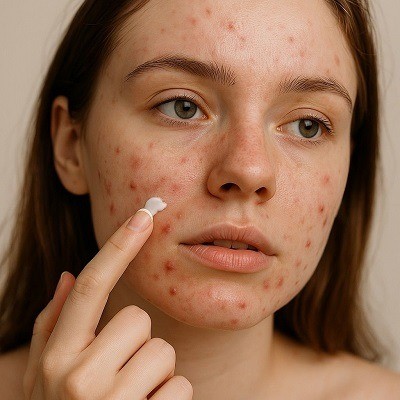
 Acne is one of the most common skin concerns affecting teenagers and adults alike. It can appear as blackheads, whiteheads, pimples, or deeper cystic lesions and may range from mild to severe. Choosing the right Acne Treatment (https://www.enfieldroyalclinics.om/skincare-treatments/acne-treatment/) is important because the wrong approach can sometimes worsen the condition or delay improvement. Understanding the difference between over-the-counter (OTC) and prescription options helps individuals make informed decisions about managing their skin effectively.This guide explains both categories in detail, how they work, and when one may be more suitable than the other. It also provides practical advice for building a simple and effective skincare routine that supports clearer skin over time.Understanding Acne and Why Treatment MattersAcne develops when hair follicles become clogged with oil (sebum), dead skin cells, and sometimes bacteria. Hormonal changes, genetics, stress, and environmental factors can all contribute to flare-ups. While acne is not dangerous, it can affect confidence and, in some cases, leave behind scars if not treated properly.Effective acne treatment focuses on reducing oil production, unclogging pores, fighting bacteria, and calming inflammation. Because acne severity varies widely, treatment approaches also differ significantly from person to person.Mild cases often respond well to OTC products, while moderate to severe acne may require prescription-strength solutions for better control.Over-the-Counter Acne Treatment OptionsOver-the-counter acne treatments are widely available without a prescription and are usually the first step in managing mild breakouts. These products are designed for general use and are formulated with active ingredients that target common acne triggers.Benzoyl PeroxideBenzoyl peroxide is one of the most popular OTC acne-fighting ingredients. It works by killing acne-causing bacteria on the skin and reducing inflammation. It also helps clear clogged pores.It is often recommended for inflammatory acne such as red pimples and pustules. However, it may cause dryness or irritation in the beginning, so gradual use is usually suggested.Salicylic AcidSalicylic acid is a beta hydroxy acid (BHA) that penetrates deep into pores to remove excess oil and dead skin cells. It is especially helpful for blackheads and whiteheads.Regular use of salicylic acid-based cleansers or toners can improve skin texture and prevent future breakouts. It is generally gentle but may still cause mild dryness in sensitive skin types.Sulfur-Based ProductsSulfur helps dry out excess oil and reduce inflammation. It is often found in spot treatments or masks and works well for mild acne cases. Though effective, it may have a strong smell, which some users find unpleasant.Niacinamide and Soothing AgentsNiacinamide, a form of vitamin B3, is known for reducing redness and strengthening the skin barrier. It does not directly kill acne bacteria but supports overall skin health and reduces irritation caused by stronger treatments.Many OTC skincare products combine multiple ingredients to provide balanced care for acne-prone skin.Prescription Acne Treatment OptionsWhen OTC treatments are not enough, dermatologists may recommend prescription-strength options. These treatments are typically stronger, more targeted, and designed for moderate to severe acne cases.Topical RetinoidsTopical retinoids such as adapalene, tretinoin, and tazarotene are commonly prescribed for acne. They work by speeding up skin cell turnover, preventing clogged pores, and reducing inflammation.Retinoids are considered one of the most effective long-term acne treatment options, but they may initially cause dryness, peeling, and sensitivity. Consistent use is essential for best results.Topical AntibioticsTopical antibiotics help reduce acne-causing bacteria and inflammation on the skin’s surface. They are often combined with other treatments like benzoyl peroxide to prevent antibiotic resistance.These are typically used for inflammatory acne and are applied directly to affected areas.Oral AntibioticsFor more widespread or stubborn acne, oral antibiotics may be prescribed. These medications work from within the body to reduce bacteria and inflammation.They are generally used for a limited period to avoid resistance and are often part of a broader treatment plan.Hormonal TreatmentsHormonal acne, which is common among women, may be treated with medications that regulate hormone levels. These treatments help reduce excess oil production triggered by hormonal fluctuations.They are especially helpful for acne along the jawline, chin, and lower face.IsotretinoinIsotretinoin is a powerful oral medication used for severe, cystic, or treatment-resistant acne. It significantly reduces oil production and can provide long-term remission in many cases.Due to its strength, it requires careful monitoring and is usually considered when other treatments fail.Key Differences Between OTC and Prescription Acne TreatmentsUnderstanding the differences between OTC and prescription acne treatment options helps in choosing the right approach.OTC treatments are generally:Suitable for mild acneEasily accessible without medical consultationLower in strengthBest for maintenance and early interventionPrescription treatments are:Designed for moderate to severe acneStronger and more targetedPrescribed after professional evaluationOften part of a structured treatment planAnother key difference is the time required to see results. OTC products may take several weeks to show improvement, while prescription treatments often provide more noticeable changes in more stubborn cases, although they may also require a longer adjustment period.How to Choose the Right Acne TreatmentChoosing the right acne treatment depends on several factors, including skin type, acne severity, and previous treatment history. A simple approach can help guide the decision-making process.For mild acne, OTC products with ingredients like salicylic acid or benzoyl peroxide are often sufficient. Consistency is key, and results typically improve with regular use over time.For moderate acne, combining OTC products with prescription treatments may be necessary. This often includes topical retinoids or antibiotic-based solutions.For severe acne, professional evaluation is important, as stronger medications like isotretinoin or hormonal treatments may be required.It is also important to avoid over-treating the skin. Using too many active ingredients at once can damage the skin barrier and worsen irritation. A balanced, gentle routine usually works better in the long run.Tips for Effective and Safe Acne ManagementManaging acne is not just about using the right products—it also involves consistent skincare habits and lifestyle choices. Some helpful tips include:Cleansing the face twice daily with a gentle cleanserAvoiding harsh scrubbing, which can irritate the skinUsing non-comedogenic moisturizers to maintain hydrationApplying sunscreen daily to protect sensitive skinAvoiding picking or squeezing pimples to prevent scarringMaintaining a balanced diet and staying hydratedStress management and proper sleep can also play a role in reducing breakouts, as hormonal fluctuations often influence acne severity.Consistency is one of the most important factors in any acne treatment routine. Even the most effective products require time to show visible improvements.Frequently Asked Questions (FAQs)1. What is the main difference between OTC and prescription acne treatment?Over-the-counter treatments are milder and suitable for mild acne, while prescription treatments are stronger and designed for moderate to severe cases under professional guidance.2. How long does acne treatment take to show results?Most treatments take around 4 to 8 weeks to show noticeable improvement. Some prescription medications may take longer depending on the severity of acne.3. Can OTC acne treatments work for severe acne?OTC products are usually not strong enough for severe acne. In such cases, prescription treatments are typically more effective.4. Is it safe to combine OTC and prescription acne treatments?Yes, in many cases, a combination is recommended. However, it should be done carefully to avoid irritation, ideally with professional guidance.5. Why does acne sometimes get worse before it improves?Some treatments, especially retinoids, increase skin cell turnover, which can cause temporary purging before clearer skin appears.6. Can lifestyle changes improve acne treatment results?Yes, healthy habits such as proper skincare, balanced diet, hydration, and stress control can significantly support acne treatment outcomes.Read More About Acne Treatment: https://www.enjoyholistic.com/Group/Topic/3942/What-Ingredients-Are-Used-in-Chemical-Peels-
  Acne is one of the most common skin concerns affecting teenagers and adults alike. It can appear as blackheads, whiteheads, pimples, or deeper cystic lesions and may range from mild to severe. Choosing the right Acne Treatment (https://www.enfieldroyalclinics.om/skincare-treatments/acne-treatment/) is important because the wrong approach can sometimes worsen the condition or delay improvement. Understanding the difference between over-the-counter (OTC) and prescription options helps individuals make informed decisions about managing their skin effectively.This guide explains both categories in detail, how they work, and when one may be more suitable than the other. It also provides practical advice for building a simple and effective skincare routine that supports clearer skin over time.Understanding Acne and Why Treatment MattersAcne develops when hair follicles become clogged with oil (sebum), dead skin cells, and sometimes bacteria. Hormonal changes, genetics, stress, and environmental factors can all contribute to flare-ups. While acne is not dangerous, it can affect confidence and, in some cases, leave behind scars if not treated properly.Effective acne treatment focuses on reducing oil production, unclogging pores, fighting bacteria, and calming inflammation. Because acne severity varies widely, treatment approaches also differ significantly from person to person.Mild cases often respond well to OTC products, while moderate to severe acne may require prescription-strength solutions for better control.Over-the-Counter Acne Treatment OptionsOver-the-counter acne treatments are widely available without a prescription and are usually the first step in managing mild breakouts. These products are designed for general use and are formulated with active ingredients that target common acne triggers.Benzoyl PeroxideBenzoyl peroxide is one of the most popular OTC acne-fighting ingredients. It works by killing acne-causing bacteria on the skin and reducing inflammation. It also helps clear clogged pores.It is often recommended for inflammatory acne such as red pimples and pustules. However, it may cause dryness or irritation in the beginning, so gradual use is usually suggested.Salicylic AcidSalicylic acid is a beta hydroxy acid (BHA) that penetrates deep into pores to remove excess oil and dead skin cells. It is especially helpful for blackheads and whiteheads.Regular use of salicylic acid-based cleansers or toners can improve skin texture and prevent future breakouts. It is generally gentle but may still cause mild dryness in sensitive skin types.Sulfur-Based ProductsSulfur helps dry out excess oil and reduce inflammation. It is often found in spot treatments or masks and works well for mild acne cases. Though effective, it may have a strong smell, which some users find unpleasant.Niacinamide and Soothing AgentsNiacinamide, a form of vitamin B3, is known for reducing redness and strengthening the skin barrier. It does not directly kill acne bacteria but supports overall skin health and reduces irritation caused by stronger treatments.Many OTC skincare products combine multiple ingredients to provide balanced care for acne-prone skin.Prescription Acne Treatment OptionsWhen OTC treatments are not enough, dermatologists may recommend prescription-strength options. These treatments are typically stronger, more targeted, and designed for moderate to severe acne cases.Topical RetinoidsTopical retinoids such as adapalene, tretinoin, and tazarotene are commonly prescribed for acne. They work by speeding up skin cell turnover, preventing clogged pores, and reducing inflammation.Retinoids are considered one of the most effective long-term acne treatment options, but they may initially cause dryness, peeling, and sensitivity. Consistent use is essential for best results.Topical AntibioticsTopical antibiotics help reduce acne-causing bacteria and inflammation on the skin’s surface. They are often combined with other treatments like benzoyl peroxide to prevent antibiotic resistance.These are typically used for inflammatory acne and are applied directly to affected areas.Oral AntibioticsFor more widespread or stubborn acne, oral antibiotics may be prescribed. These medications work from within the body to reduce bacteria and inflammation.They are generally used for a limited period to avoid resistance and are often part of a broader treatment plan.Hormonal TreatmentsHormonal acne, which is common among women, may be treated with medications that regulate hormone levels. These treatments help reduce excess oil production triggered by hormonal fluctuations.They are especially helpful for acne along the jawline, chin, and lower face.IsotretinoinIsotretinoin is a powerful oral medication used for severe, cystic, or treatment-resistant acne. It significantly reduces oil production and can provide long-term remission in many cases.Due to its strength, it requires careful monitoring and is usually considered when other treatments fail.Key Differences Between OTC and Prescription Acne TreatmentsUnderstanding the differences between OTC and prescription acne treatment options helps in choosing the right approach.OTC treatments are generally:Suitable for mild acneEasily accessible without medical consultationLower in strengthBest for maintenance and early interventionPrescription treatments are:Designed for moderate to severe acneStronger and more targetedPrescribed after professional evaluationOften part of a structured treatment planAnother key difference is the time required to see results. OTC products may take several weeks to show improvement, while prescription treatments often provide more noticeable changes in more stubborn cases, although they may also require a longer adjustment period.How to Choose the Right Acne TreatmentChoosing the right acne treatment depends on several factors, including skin type, acne severity, and previous treatment history. A simple approach can help guide the decision-making process.For mild acne, OTC products with ingredients like salicylic acid or benzoyl peroxide are often sufficient. Consistency is key, and results typically improve with regular use over time.For moderate acne, combining OTC products with prescription treatments may be necessary. This often includes topical retinoids or antibiotic-based solutions.For severe acne, professional evaluation is important, as stronger medications like isotretinoin or hormonal treatments may be required.It is also important to avoid over-treating the skin. Using too many active ingredients at once can damage the skin barrier and worsen irritation. A balanced, gentle routine usually works better in the long run.Tips for Effective and Safe Acne ManagementManaging acne is not just about using the right products—it also involves consistent skincare habits and lifestyle choices. Some helpful tips include:Cleansing the face twice daily with a gentle cleanserAvoiding harsh scrubbing, which can irritate the skinUsing non-comedogenic moisturizers to maintain hydrationApplying sunscreen daily to protect sensitive skinAvoiding picking or squeezing pimples to prevent scarringMaintaining a balanced diet and staying hydratedStress management and proper sleep can also play a role in reducing breakouts, as hormonal fluctuations often influence acne severity.Consistency is one of the most important factors in any acne treatment routine. Even the most effective products require time to show visible improvements.Frequently Asked Questions (FAQs)1. What is the main difference between OTC and prescription acne treatment?Over-the-counter treatments are milder and suitable for mild acne, while prescription treatments are stronger and designed for moderate to severe cases under professional guidance.2. How long does acne treatment take to show results?Most treatments take around 4 to 8 weeks to show noticeable improvement. Some prescription medications may take longer depending on the severity of acne.3. Can OTC acne treatments work for severe acne?OTC products are usually not strong enough for severe acne. In such cases, prescription treatments are typically more effective.4. Is it safe to combine OTC and prescription acne treatments?Yes, in many cases, a combination is recommended. However, it should be done carefully to avoid irritation, ideally with professional guidance.5. Why does acne sometimes get worse before it improves?Some treatments, especially retinoids, increase skin cell turnover, which can cause temporary purging before clearer skin appears.6. Can lifestyle changes improve acne treatment results?Yes, healthy habits such as proper skincare, balanced diet, hydration, and stress control can significantly support acne treatment outcomes.Read More About Acne Treatment: https://www.enjoyholistic.com/Group/Topic/3942/What-Ingredients-Are-Used-in-Chemical-Peels-
 Wed, 20 May 26 : 7:05 : Enfield Oman
Visit / Join Group to Reply