


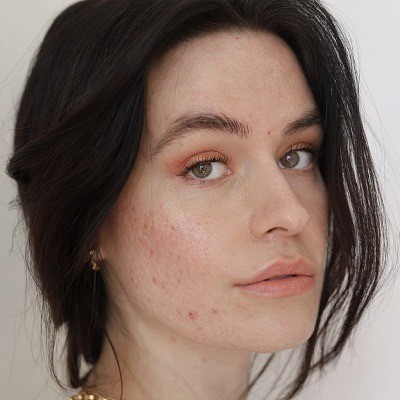
 Teen acne is one of the most common skin concerns during adolescence, and it can often feel frustrating, confusing, and sometimes even overwhelming. As hormones shift during the teenage years, the skin goes through many changes that can lead to breakouts, blackheads, and oily skin. While acne is very normal, many teens and parents look for clear, simple, and effective ways to manage it.This guide offers a friendly and practical overview of Acne Treatment (https://www.enfieldroyalclinics.om/skincare-treatments/acne-treatment/) for teens, focusing on easy skincare routines, helpful habits, and safe treatment options that can make a real difference over time.Understanding Teen AcneTeen acne is a skin condition that develops when hair follicles become clogged with oil, dead skin cells, and bacteria. It commonly appears on the face, forehead, chest, shoulders, and back. During puberty, hormone levels increase, especially androgens, which cause the skin’s oil glands to become more active. This leads to excess oil production, making breakouts more likely.Acne can vary from mild to severe. Some teens may only experience occasional pimples, while others may struggle with persistent breakouts or deeper, painful cysts. The condition is not caused by poor hygiene alone, and it is important to understand that acne is a biological process rather than simply a cleanliness issue.What Causes Acne in Teenagers?Several factors contribute to teenage acne, and most teens experience a combination of these triggers:Hormonal ChangesHormones are the primary cause of acne during adolescence. As hormone levels rise, oil glands become more active, leading to clogged pores.Excess Oil ProductionWhen the skin produces too much sebum (natural oil), it mixes with dead skin cells and blocks pores. This creates an environment where acne-causing bacteria can grow.Bacteria Build-UpA naturally occurring bacteria on the skin, known as Cutibacterium acnes, can multiply inside clogged pores and trigger inflammation.Diet and Lifestyle FactorsWhile food is not the main cause of acne, diets high in sugar or processed foods may worsen breakouts for some individuals. Lack of sleep and high stress levels can also affect skin health.Skincare and Product UseUsing harsh skincare products, over-washing the face, or applying heavy cosmetic products can irritate the skin and worsen acne.Understanding these causes helps teens approach acne treatment in a more informed and realistic way.Building a Simple Daily Skincare RoutineA consistent skincare routine is one of the most important steps in managing acne. It does not need to be complicated or expensive. In fact, simplicity is often more effective.Gentle CleansingWashing the face twice daily—once in the morning and once before bed—helps remove excess oil and dirt. A gentle cleanser designed for acne-prone skin is usually best. Over-washing should be avoided, as it can dry out the skin and trigger more oil production.Moisturizing the SkinEven oily or acne-prone skin needs hydration. A lightweight, non-comedogenic moisturizer helps maintain skin balance and prevents dryness caused by acne treatments.Sun ProtectionUsing sunscreen daily is essential. Some acne treatments can make the skin more sensitive to sunlight, so protecting the skin helps prevent damage and dark spots.Avoiding Harsh ScrubbingScrubbing the face aggressively does not clear acne faster. Instead, it can irritate the skin and make breakouts worse. Gentle care is always more effective.Effective Over-the-Counter Acne Treatment OptionsMany teens find improvement using over-the-counter acne treatments that target bacteria, oil, and clogged pores. These products are widely available and often serve as the first step in acne management.Benzoyl PeroxideThis ingredient helps reduce acne-causing bacteria and inflammation. It is commonly used for mild to moderate acne and can be found in gels, creams, and cleansers.Salicylic AcidSalicylic acid helps unclog pores by removing dead skin cells. It is especially useful for blackheads and whiteheads.NiacinamideNiacinamide helps reduce redness and inflammation while improving overall skin texture. It is gentle and suitable for sensitive skin.RetinoidsTopical retinoids help speed up skin cell turnover, preventing clogged pores. They are often used for persistent acne and can improve both active breakouts and acne marks.When starting any acne treatment, it is important to introduce one product at a time and allow several weeks to see results. Overuse or mixing too many products can irritate the skin.Lifestyle Habits That Help Reduce AcneSkincare products alone are not the only solution. Daily habits can significantly influence skin health.Healthy Eating ChoicesA balanced diet that includes fruits, vegetables, whole grains, and plenty of water supports overall skin function. Some teens notice improvements when reducing sugary snacks and processed foods.Staying HydratedDrinking enough water helps maintain skin hydration and supports natural detoxification processes.Managing StressStress can increase hormone levels that trigger acne flare-ups. Activities such as exercise, hobbies, or relaxation techniques may help reduce stress-related breakouts.Getting Enough SleepSleep is essential for skin repair and hormonal balance. Poor sleep habits can make acne worse over time.Keeping Hands and Hair CleanTouching the face frequently or allowing oily hair to rest on the skin can transfer dirt and oil, leading to clogged pores.Common Mistakes to Avoid in Acne CareMany teens unintentionally make acne worse by following incorrect skincare habits. Avoiding these mistakes can improve treatment results:Overusing ProductsUsing too many acne treatments at once can dry out and irritate the skin. A simple routine is more effective.Picking or Squeezing PimplesThis can lead to scarring, infection, and longer healing time.Skipping MoisturizerDry skin can trigger the body to produce more oil, worsening acne.Expecting Instant ResultsAcne treatment takes time. Most products require several weeks before visible improvement appears.When to Consider Professional HelpWhile many cases of teen acne can be managed with over-the-counter treatments and lifestyle changes, some situations may require additional support. If acne becomes severe, painful, or leaves scars, it may be helpful to seek guidance from a skin care specialist. Persistent acne that does not improve after several months of consistent care is another sign that extra help may be needed.Professional guidance can offer stronger treatment options and a more personalized approach based on skin type and acne severity.FAQs About Acne Treatment for Teens1. How long does acne treatment take to show results?Acne treatment usually takes 4 to 8 weeks before visible improvements appear. Some treatments may take longer depending on skin type and severity.2. Can washing the face more often reduce acne faster?No, over-washing can actually irritate the skin and increase oil production. Washing twice daily is usually enough.3. Is acne caused by eating oily food?Oily food is not a direct cause of acne. However, a diet high in sugar and processed foods may worsen breakouts for some individuals.4. Should teens use multiple acne products together?It is better to start with one treatment at a time. Using too many products can lead to dryness and irritation.5. Can stress really make acne worse?Yes, stress can increase hormone activity, which may lead to more breakouts.6. Is it okay to pop pimples?No, popping pimples can cause scarring, infection, and longer healing time. It is best to let them heal naturally.Read More About Acne Treatment: https://www.enjoyholistic.com/Group/Topic/3771/Exosomes-Treatment-for-Men-s-Skin-Concerns-Explained
  Teen acne is one of the most common skin concerns during adolescence, and it can often feel frustrating, confusing, and sometimes even overwhelming. As hormones shift during the teenage years, the skin goes through many changes that can lead to breakouts, blackheads, and oily skin. While acne is very normal, many teens and parents look for clear, simple, and effective ways to manage it.This guide offers a friendly and practical overview of Acne Treatment (https://www.enfieldroyalclinics.om/skincare-treatments/acne-treatment/) for teens, focusing on easy skincare routines, helpful habits, and safe treatment options that can make a real difference over time.Understanding Teen AcneTeen acne is a skin condition that develops when hair follicles become clogged with oil, dead skin cells, and bacteria. It commonly appears on the face, forehead, chest, shoulders, and back. During puberty, hormone levels increase, especially androgens, which cause the skin’s oil glands to become more active. This leads to excess oil production, making breakouts more likely.Acne can vary from mild to severe. Some teens may only experience occasional pimples, while others may struggle with persistent breakouts or deeper, painful cysts. The condition is not caused by poor hygiene alone, and it is important to understand that acne is a biological process rather than simply a cleanliness issue.What Causes Acne in Teenagers?Several factors contribute to teenage acne, and most teens experience a combination of these triggers:Hormonal ChangesHormones are the primary cause of acne during adolescence. As hormone levels rise, oil glands become more active, leading to clogged pores.Excess Oil ProductionWhen the skin produces too much sebum (natural oil), it mixes with dead skin cells and blocks pores. This creates an environment where acne-causing bacteria can grow.Bacteria Build-UpA naturally occurring bacteria on the skin, known as Cutibacterium acnes, can multiply inside clogged pores and trigger inflammation.Diet and Lifestyle FactorsWhile food is not the main cause of acne, diets high in sugar or processed foods may worsen breakouts for some individuals. Lack of sleep and high stress levels can also affect skin health.Skincare and Product UseUsing harsh skincare products, over-washing the face, or applying heavy cosmetic products can irritate the skin and worsen acne.Understanding these causes helps teens approach acne treatment in a more informed and realistic way.Building a Simple Daily Skincare RoutineA consistent skincare routine is one of the most important steps in managing acne. It does not need to be complicated or expensive. In fact, simplicity is often more effective.Gentle CleansingWashing the face twice daily—once in the morning and once before bed—helps remove excess oil and dirt. A gentle cleanser designed for acne-prone skin is usually best. Over-washing should be avoided, as it can dry out the skin and trigger more oil production.Moisturizing the SkinEven oily or acne-prone skin needs hydration. A lightweight, non-comedogenic moisturizer helps maintain skin balance and prevents dryness caused by acne treatments.Sun ProtectionUsing sunscreen daily is essential. Some acne treatments can make the skin more sensitive to sunlight, so protecting the skin helps prevent damage and dark spots.Avoiding Harsh ScrubbingScrubbing the face aggressively does not clear acne faster. Instead, it can irritate the skin and make breakouts worse. Gentle care is always more effective.Effective Over-the-Counter Acne Treatment OptionsMany teens find improvement using over-the-counter acne treatments that target bacteria, oil, and clogged pores. These products are widely available and often serve as the first step in acne management.Benzoyl PeroxideThis ingredient helps reduce acne-causing bacteria and inflammation. It is commonly used for mild to moderate acne and can be found in gels, creams, and cleansers.Salicylic AcidSalicylic acid helps unclog pores by removing dead skin cells. It is especially useful for blackheads and whiteheads.NiacinamideNiacinamide helps reduce redness and inflammation while improving overall skin texture. It is gentle and suitable for sensitive skin.RetinoidsTopical retinoids help speed up skin cell turnover, preventing clogged pores. They are often used for persistent acne and can improve both active breakouts and acne marks.When starting any acne treatment, it is important to introduce one product at a time and allow several weeks to see results. Overuse or mixing too many products can irritate the skin.Lifestyle Habits That Help Reduce AcneSkincare products alone are not the only solution. Daily habits can significantly influence skin health.Healthy Eating ChoicesA balanced diet that includes fruits, vegetables, whole grains, and plenty of water supports overall skin function. Some teens notice improvements when reducing sugary snacks and processed foods.Staying HydratedDrinking enough water helps maintain skin hydration and supports natural detoxification processes.Managing StressStress can increase hormone levels that trigger acne flare-ups. Activities such as exercise, hobbies, or relaxation techniques may help reduce stress-related breakouts.Getting Enough SleepSleep is essential for skin repair and hormonal balance. Poor sleep habits can make acne worse over time.Keeping Hands and Hair CleanTouching the face frequently or allowing oily hair to rest on the skin can transfer dirt and oil, leading to clogged pores.Common Mistakes to Avoid in Acne CareMany teens unintentionally make acne worse by following incorrect skincare habits. Avoiding these mistakes can improve treatment results:Overusing ProductsUsing too many acne treatments at once can dry out and irritate the skin. A simple routine is more effective.Picking or Squeezing PimplesThis can lead to scarring, infection, and longer healing time.Skipping MoisturizerDry skin can trigger the body to produce more oil, worsening acne.Expecting Instant ResultsAcne treatment takes time. Most products require several weeks before visible improvement appears.When to Consider Professional HelpWhile many cases of teen acne can be managed with over-the-counter treatments and lifestyle changes, some situations may require additional support. If acne becomes severe, painful, or leaves scars, it may be helpful to seek guidance from a skin care specialist. Persistent acne that does not improve after several months of consistent care is another sign that extra help may be needed.Professional guidance can offer stronger treatment options and a more personalized approach based on skin type and acne severity.FAQs About Acne Treatment for Teens1. How long does acne treatment take to show results?Acne treatment usually takes 4 to 8 weeks before visible improvements appear. Some treatments may take longer depending on skin type and severity.2. Can washing the face more often reduce acne faster?No, over-washing can actually irritate the skin and increase oil production. Washing twice daily is usually enough.3. Is acne caused by eating oily food?Oily food is not a direct cause of acne. However, a diet high in sugar and processed foods may worsen breakouts for some individuals.4. Should teens use multiple acne products together?It is better to start with one treatment at a time. Using too many products can lead to dryness and irritation.5. Can stress really make acne worse?Yes, stress can increase hormone activity, which may lead to more breakouts.6. Is it okay to pop pimples?No, popping pimples can cause scarring, infection, and longer healing time. It is best to let them heal naturally.Read More About Acne Treatment: https://www.enjoyholistic.com/Group/Topic/3771/Exosomes-Treatment-for-Men-s-Skin-Concerns-Explained
 Wed, 29 April 26 : 5:04 : Enfield Oman
Visit / Join Group to Reply