


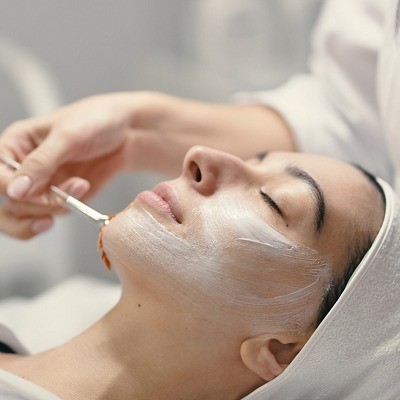
 Chemical peels have become one of the most popular skin-resurfacing treatments for people looking to improve texture, reduce pigmentation, and achieve a brighter complexion. However, one of the most misunderstood aspects of this treatment is skin peeling itself. Many people expect dramatic flaking, while others worry when peeling does not happen at all.This article explores the truth about skin peeling after chemical peels, what is normal, what is not, and how people can make informed choices when considering treatments such as the Best Chemical Peels in Muscat (https://www.enfieldroyalclinics.om/skincare-treatments/chemical-peels/).Understanding Chemical Peels and Their PurposeChemical peels are skin treatments that use carefully formulated solutions to remove dead skin cells from the surface. By doing so, they encourage the growth of new, healthier skin underneath. Depending on the strength of the peel, they can target issues such as:Acne and acne scarsUneven skin toneFine lines and wrinklesSun damage and pigmentationDull or rough skin textureDespite their effectiveness, chemical peels are often surrounded by myths—especially the belief that peeling must always be intense for the treatment to work.In reality, peeling varies widely depending on the type of peel and the individual’s skin response.Why Skin Peels After a Chemical PeelThe skin naturally renews itself every 28 to 40 days. However, chemical peels speed up this process by breaking down the bonds that hold dead skin cells together. Once these bonds weaken, the outer layer begins to shed.This controlled exfoliation is what leads to visible peeling.There are three main reasons why peeling occurs:1. Accelerated Skin Cell TurnoverChemical peels stimulate the body’s natural regeneration process, pushing older skin cells to shed faster than usual.2. Depth of the PeelThe deeper the peel penetrates into the skin layers, the more noticeable the peeling tends to be. Light peels may cause minimal flaking, while deeper peels result in more visible shedding.3. Skin Sensitivity and ResponseEvery individual’s skin reacts differently. Some people naturally experience more peeling even with mild treatments, while others barely notice any flaking.It is important to understand that peeling is not the only indicator of success. Even without visible peeling, the skin may still be improving beneath the surface.Types of Skin Peeling After Chemical PeelsNot all chemical peels are the same, and neither is the peeling process. Understanding the differences helps set realistic expectations, especially for those exploring the Best Chemical Peels in Muscat.Light Peels (Superficial Peeling)Light peels usually target the outermost layer of skin. These are often used for mild pigmentation, dullness, and maintenance.Peeling is very mild or almost invisibleSkin may feel slightly dry or tightLight flaking may occur around days 2–4This type is popular for first-timers because downtime is minimal.Medium Peels (Moderate Peeling)Medium-depth peels go deeper into the skin and are often used for more noticeable concerns like sun damage, acne scars, or uneven tone.Visible peeling starts around day 3Skin may peel in small patches or sheetsRedness and dryness are commonRecovery usually lasts about a weekThis type provides more dramatic results but requires more aftercare.Deep Peels (Intense Peeling)Deep peels penetrate multiple layers of skin and are used for severe skin concerns. These are less common and involve significant recovery time.Heavy peeling or sheet-like sheddingSkin may appear very red and sensitiveHealing can take several weeksStrict aftercare is requiredWhile results are more transformative, this type demands careful consideration and professional guidance.What Is Normal vs. Abnormal Skin PeelingOne of the biggest concerns people have after treatment is whether their peeling is normal. Understanding the difference can help avoid unnecessary stress.Normal Skin Peeling Includes:Mild to moderate flakingDry or tight skin sensationPeeling starting 2–5 days after treatmentGradual shedding over several daysUneven peeling (some areas more than others)Signs That May Require Attention:Severe burning or persistent painExcessive swelling or blisteringPus or signs of infectionPeeling that lasts unusually long without improvementMild discomfort and peeling are expected, but anything extreme should not be ignored.How to Care for Skin After a Chemical PeelProper aftercare plays a major role in how well the skin heals and how good the final results appear. Whether someone is considering or has already undergone the Best Chemical Peels in Muscat, following the right skincare routine is essential.1. Keep Skin HydratedMoisturizing regularly helps reduce dryness and supports healing. Gentle, fragrance-free moisturizers are usually recommended.2. Avoid Picking or Peeling SkinIt may be tempting to peel off flaking skin, but doing so can lead to scarring or uneven texture.3. Use Sun ProtectionFreshly peeled skin is highly sensitive to UV rays. Sunscreen is crucial even when indoors or during cloudy weather.4. Avoid Harsh ProductsStrong exfoliants, retinoids, and alcohol-based products should be avoided until the skin fully recovers.5. Keep the Routine SimpleA gentle cleanser, moisturizer, and sunscreen are usually enough during the healing phase.Good aftercare not only prevents complications but also enhances the final glow of the skin.Choosing the Best Chemical Peels in MuscatWhen people search for the Best Chemical Peels in Muscat, they are often looking for safe, effective, and personalized treatment options that suit their skin type.While there are many choices available, the key is not just the treatment itself but how it is matched to the skin’s needs.Factors to Consider Before Choosing a Peel:Skin Type: Oily, dry, sensitive, or combination skin all respond differentlySkin Concern: Acne, pigmentation, aging, or dullness require different peel strengthsPeel Strength: Light, medium, or deep peels should be chosen carefullyDowntime Tolerance: Some peels require social downtime, others do notAftercare Commitment: Proper skincare following treatment is essential for resultsA well-chosen chemical peel can significantly improve skin health and appearance when tailored correctly. The safest and most effective outcomes come from understanding individual skin needs rather than opting for aggressive treatments.Final ThoughtsSkin peeling after chemical peels is often misunderstood. While peeling is a common part of the process, it is not the only indicator of success. Some people experience visible shedding, while others see results with minimal flaking. What truly matters is skin renewal happening beneath the surface.For those considering treatments like the Best Chemical Peels in Muscat, understanding the process, managing expectations, and following proper aftercare can lead to smoother, healthier, and more radiant skin.Chemical peels are not about dramatic peeling alone—they are about long-term skin improvement and confidence.FAQs1. Is skin peeling necessary for a chemical peel to work?No, peeling is not always necessary. Some chemical peels improve the skin without visible flaking. Results can still occur at a deeper skin level even if peeling is minimal or absent.2. How long does skin peeling usually last after a chemical peel?Peeling typically lasts between 3 to 7 days depending on the depth of the peel and individual skin response. Light peels may have minimal peeling, while deeper peels last longer.3. Can someone go outside while the skin is peeling?Yes, but sun protection is extremely important. Freshly peeled skin is sensitive, so sunscreen and protective measures should always be used when going outdoors.4. What should be avoided after a chemical peel?Harsh skincare products, direct sun exposure, scrubbing, and picking at the skin should be avoided. These can irritate the skin and affect healing.5. Why does peeling look uneven on the face?Peeling is often uneven because different areas of the skin absorb the chemical solution differently. Areas like the nose and mouth may peel more than others.6. Can makeup be used during peeling?It is generally recommended to avoid makeup until the skin has started healing properly. Applying makeup too early may irritate sensitive skin and slow down recovery.Read More About Chemical Peels: https://www.enjoyholistic.com/Group/Topic/3751/Is-There-Downtime-After-Chemical-Peels-Treatment-
  Chemical peels have become one of the most popular skin-resurfacing treatments for people looking to improve texture, reduce pigmentation, and achieve a brighter complexion. However, one of the most misunderstood aspects of this treatment is skin peeling itself. Many people expect dramatic flaking, while others worry when peeling does not happen at all.This article explores the truth about skin peeling after chemical peels, what is normal, what is not, and how people can make informed choices when considering treatments such as the Best Chemical Peels in Muscat (https://www.enfieldroyalclinics.om/skincare-treatments/chemical-peels/).Understanding Chemical Peels and Their PurposeChemical peels are skin treatments that use carefully formulated solutions to remove dead skin cells from the surface. By doing so, they encourage the growth of new, healthier skin underneath. Depending on the strength of the peel, they can target issues such as:Acne and acne scarsUneven skin toneFine lines and wrinklesSun damage and pigmentationDull or rough skin textureDespite their effectiveness, chemical peels are often surrounded by myths—especially the belief that peeling must always be intense for the treatment to work.In reality, peeling varies widely depending on the type of peel and the individual’s skin response.Why Skin Peels After a Chemical PeelThe skin naturally renews itself every 28 to 40 days. However, chemical peels speed up this process by breaking down the bonds that hold dead skin cells together. Once these bonds weaken, the outer layer begins to shed.This controlled exfoliation is what leads to visible peeling.There are three main reasons why peeling occurs:1. Accelerated Skin Cell TurnoverChemical peels stimulate the body’s natural regeneration process, pushing older skin cells to shed faster than usual.2. Depth of the PeelThe deeper the peel penetrates into the skin layers, the more noticeable the peeling tends to be. Light peels may cause minimal flaking, while deeper peels result in more visible shedding.3. Skin Sensitivity and ResponseEvery individual’s skin reacts differently. Some people naturally experience more peeling even with mild treatments, while others barely notice any flaking.It is important to understand that peeling is not the only indicator of success. Even without visible peeling, the skin may still be improving beneath the surface.Types of Skin Peeling After Chemical PeelsNot all chemical peels are the same, and neither is the peeling process. Understanding the differences helps set realistic expectations, especially for those exploring the Best Chemical Peels in Muscat.Light Peels (Superficial Peeling)Light peels usually target the outermost layer of skin. These are often used for mild pigmentation, dullness, and maintenance.Peeling is very mild or almost invisibleSkin may feel slightly dry or tightLight flaking may occur around days 2–4This type is popular for first-timers because downtime is minimal.Medium Peels (Moderate Peeling)Medium-depth peels go deeper into the skin and are often used for more noticeable concerns like sun damage, acne scars, or uneven tone.Visible peeling starts around day 3Skin may peel in small patches or sheetsRedness and dryness are commonRecovery usually lasts about a weekThis type provides more dramatic results but requires more aftercare.Deep Peels (Intense Peeling)Deep peels penetrate multiple layers of skin and are used for severe skin concerns. These are less common and involve significant recovery time.Heavy peeling or sheet-like sheddingSkin may appear very red and sensitiveHealing can take several weeksStrict aftercare is requiredWhile results are more transformative, this type demands careful consideration and professional guidance.What Is Normal vs. Abnormal Skin PeelingOne of the biggest concerns people have after treatment is whether their peeling is normal. Understanding the difference can help avoid unnecessary stress.Normal Skin Peeling Includes:Mild to moderate flakingDry or tight skin sensationPeeling starting 2–5 days after treatmentGradual shedding over several daysUneven peeling (some areas more than others)Signs That May Require Attention:Severe burning or persistent painExcessive swelling or blisteringPus or signs of infectionPeeling that lasts unusually long without improvementMild discomfort and peeling are expected, but anything extreme should not be ignored.How to Care for Skin After a Chemical PeelProper aftercare plays a major role in how well the skin heals and how good the final results appear. Whether someone is considering or has already undergone the Best Chemical Peels in Muscat, following the right skincare routine is essential.1. Keep Skin HydratedMoisturizing regularly helps reduce dryness and supports healing. Gentle, fragrance-free moisturizers are usually recommended.2. Avoid Picking or Peeling SkinIt may be tempting to peel off flaking skin, but doing so can lead to scarring or uneven texture.3. Use Sun ProtectionFreshly peeled skin is highly sensitive to UV rays. Sunscreen is crucial even when indoors or during cloudy weather.4. Avoid Harsh ProductsStrong exfoliants, retinoids, and alcohol-based products should be avoided until the skin fully recovers.5. Keep the Routine SimpleA gentle cleanser, moisturizer, and sunscreen are usually enough during the healing phase.Good aftercare not only prevents complications but also enhances the final glow of the skin.Choosing the Best Chemical Peels in MuscatWhen people search for the Best Chemical Peels in Muscat, they are often looking for safe, effective, and personalized treatment options that suit their skin type.While there are many choices available, the key is not just the treatment itself but how it is matched to the skin’s needs.Factors to Consider Before Choosing a Peel:Skin Type: Oily, dry, sensitive, or combination skin all respond differentlySkin Concern: Acne, pigmentation, aging, or dullness require different peel strengthsPeel Strength: Light, medium, or deep peels should be chosen carefullyDowntime Tolerance: Some peels require social downtime, others do notAftercare Commitment: Proper skincare following treatment is essential for resultsA well-chosen chemical peel can significantly improve skin health and appearance when tailored correctly. The safest and most effective outcomes come from understanding individual skin needs rather than opting for aggressive treatments.Final ThoughtsSkin peeling after chemical peels is often misunderstood. While peeling is a common part of the process, it is not the only indicator of success. Some people experience visible shedding, while others see results with minimal flaking. What truly matters is skin renewal happening beneath the surface.For those considering treatments like the Best Chemical Peels in Muscat, understanding the process, managing expectations, and following proper aftercare can lead to smoother, healthier, and more radiant skin.Chemical peels are not about dramatic peeling alone—they are about long-term skin improvement and confidence.FAQs1. Is skin peeling necessary for a chemical peel to work?No, peeling is not always necessary. Some chemical peels improve the skin without visible flaking. Results can still occur at a deeper skin level even if peeling is minimal or absent.2. How long does skin peeling usually last after a chemical peel?Peeling typically lasts between 3 to 7 days depending on the depth of the peel and individual skin response. Light peels may have minimal peeling, while deeper peels last longer.3. Can someone go outside while the skin is peeling?Yes, but sun protection is extremely important. Freshly peeled skin is sensitive, so sunscreen and protective measures should always be used when going outdoors.4. What should be avoided after a chemical peel?Harsh skincare products, direct sun exposure, scrubbing, and picking at the skin should be avoided. These can irritate the skin and affect healing.5. Why does peeling look uneven on the face?Peeling is often uneven because different areas of the skin absorb the chemical solution differently. Areas like the nose and mouth may peel more than others.6. Can makeup be used during peeling?It is generally recommended to avoid makeup until the skin has started healing properly. Applying makeup too early may irritate sensitive skin and slow down recovery.Read More About Chemical Peels: https://www.enjoyholistic.com/Group/Topic/3751/Is-There-Downtime-After-Chemical-Peels-Treatment-
 Sat, 25 April 26 : 6:04 : Enfield Oman
Visit / Join Group to Reply