


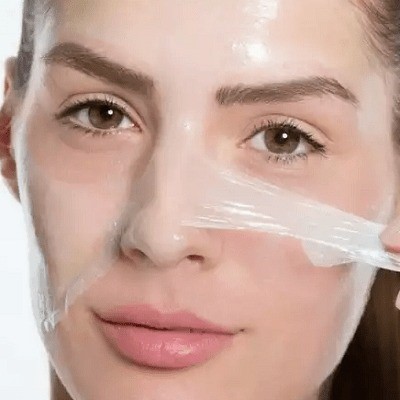
 Chemical peels (https://www.enfieldroyalclinics.om/skincare-treatments/chemical-peels/) are one of the most widely used skincare treatments for improving skin texture, tone, and overall appearance. They work by applying carefully selected chemical solutions to the skin, which help exfoliate the outer layers and encourage new, healthier skin to surface. While the results are often impressive, what truly determines the effectiveness and safety of a chemical peel is its ingredient composition.Different chemical peels contain different active ingredients, each designed to target specific skin concerns such as acne, pigmentation, fine lines, dullness, or uneven texture. Understanding these ingredients helps individuals make informed decisions about what might work best for their skin type and goals.Below is a detailed breakdown of the key ingredients commonly used in chemical peels and how they function in skincare treatments.Understanding Chemical Peels and Their PurposeChemical peels are skin-resurfacing treatments that use acidic or enzyme-based solutions to exfoliate dead skin cells. By removing the outermost damaged layers of skin, they promote cell turnover and stimulate the growth of smoother, brighter skin underneath.These treatments vary in strength, ranging from mild superficial peels to deeper formulations that penetrate more significantly into the skin layers. The depth of a peel depends largely on the ingredients used and their concentration.In general, chemical peels are used to address:Acne and acne scarsFine lines and early signs of agingHyperpigmentation and dark spotsUneven skin toneSun damageRough or dull skin textureThe effectiveness of these treatments is directly linked to their active chemical components.Alpha Hydroxy Acids (AHAs): Gentle Exfoliation PowerhousesAlpha Hydroxy Acids, commonly known as AHAs, are one of the most popular ingredient groups in chemical peels. These are water-soluble acids derived from natural sources such as fruits, milk, and sugar.Common AHAs used in chemical peels include:Glycolic acid (derived from sugar cane)Lactic acid (derived from milk)Mandelic acid (derived from almonds)Citric acid (derived from citrus fruits)AHAs primarily work on the skin’s surface. They loosen the bonds between dead skin cells, allowing them to shed more easily. This process helps improve skin brightness, smoothness, and hydration.Glycolic acid is particularly well-known for its small molecular size, allowing it to penetrate the skin more effectively than other AHAs. Lactic acid, on the other hand, is gentler and often preferred for sensitive or dry skin types.Overall, AHAs are commonly found in superficial chemical peels designed for mild skin concerns and regular skin maintenance.Beta Hydroxy Acid (BHA): Deep Pore Cleansing IngredientBeta Hydroxy Acid, or BHA, is another important ingredient used in chemical peels, especially for oily and acne-prone skin types. The most commonly used BHA is salicylic acid.Unlike AHAs, BHAs are oil-soluble, which allows them to penetrate deeper into the pores and dissolve excess oil and debris. This makes them especially effective for treating blackheads, whiteheads, and congested skin.Salicylic acid also has anti-inflammatory properties, making it helpful in calming redness and swelling associated with acne breakouts.Because of its ability to work inside the pores, BHA-based peels are often used for:Acne controlOily skin managementBlackhead reductionEnlarged poresThese peels are generally considered mild to moderate in strength, depending on concentration.Trichloroacetic Acid (TCA): Medium-Depth Resurfacing AgentTrichloroacetic Acid, commonly known as TCA, is a stronger chemical exfoliant used in medium-depth peels. It is one of the most widely used ingredients for more noticeable skin improvement results.TCA works by penetrating deeper into the skin compared to AHAs and BHAs. It targets damaged skin cells in both the epidermis and upper dermis layers.TCA is often used to address:Moderate wrinkles and fine linesAcne scarsSun damageUneven skin tonePigmentation issuesThe strength of a TCA peel can vary depending on its concentration. Lower concentrations provide mild resurfacing effects, while higher concentrations can deliver more intensive skin renewal.Because of its potency, TCA peels are typically used less frequently and require careful application.Phenol: Deep Chemical Peel IngredientPhenol is one of the strongest ingredients used in chemical peels and is generally reserved for deep peels. It penetrates the deeper layers of the skin and produces significant skin rejuvenation effects.Phenol-based peels are known for their ability to dramatically improve:Deep wrinklesSevere sun damagePronounced pigmentationSignificant skin aging signsHowever, due to its intensity, phenol is used with caution and is typically reserved for more advanced skin concerns. It is also formulated carefully with other components to ensure controlled penetration and safety.Because of its strength, phenol peels are not commonly used for routine skincare but rather for specialized resurfacing needs.Other Supporting Ingredients in Chemical PeelsIn addition to the primary acids, chemical peels often contain supporting ingredients that enhance their effectiveness, stability, and skin benefits.EnzymesEnzyme-based ingredients such as papain (from papaya) and bromelain (from pineapple) are used in gentler peels. These enzymes help break down dead skin cells without the use of strong acids, making them suitable for sensitive skin types.They offer mild exfoliation and are often included in natural or cosmetic peels.Retinoic AcidRetinoic acid, a derivative of vitamin A, is sometimes used in chemical peel formulations. It promotes cell turnover and collagen production, helping improve skin texture and reduce signs of aging.It is often combined with other acids to enhance the overall results of the peel.Jessner’s SolutionJessner’s solution is a combination peel formulation that typically includes:Salicylic acidLactic acidResorcinolThis blend is designed to provide a balanced exfoliating effect, targeting acne, pigmentation, and uneven texture simultaneously.Buffers and StabilizersTo ensure safety and effectiveness, chemical peel formulations also contain buffering agents and stabilizers. These ingredients help control the pH level of the solution, making sure the acids work in a controlled and predictable manner.How Ingredients Determine Peel Depth and ResultsThe ingredients used in chemical peels directly influence how deeply the treatment penetrates the skin and what results can be expected.Chemical peels are generally classified into three categories:Superficial peels: Often use AHAs or mild BHAs for gentle exfoliationMedium-depth peels: Typically involve TCA or combination acidsDeep peels: Use strong agents like phenol for intensive resurfacingEach type is selected based on skin condition, sensitivity, and desired outcomes. For example, someone dealing with mild dullness may benefit from an AHA peel, while deeper acne scars may require a TCA-based approach.Understanding these differences helps ensure that the treatment aligns with individual skincare goals.Safety Considerations and Skin CompatibilityWhile chemical peels can deliver noticeable improvements, their ingredients must be chosen carefully to match skin type and condition.Some key considerations include:Sensitive skin may react better to lactic acid or enzyme-based peelsOily and acne-prone skin often benefits from salicylic acidMature skin with wrinkles may respond well to TCA or retinoic acid formulationsDeeper peels require professional supervision due to their strengthPatch testing and proper evaluation are essential before undergoing any chemical peel. Ingredient concentration, formulation type, and skin history all play important roles in ensuring safety and effectiveness.ConclusionChemical peels rely on a wide range of carefully selected ingredients, each serving a specific purpose in skin rejuvenation. From gentle alpha hydroxy acids like glycolic and lactic acid to stronger agents like TCA and phenol, every component contributes to how the peel works and what results it delivers.Supporting ingredients such as enzymes, retinoic acid, and combination solutions like Jessner’s further enhance the treatment’s versatility. Together, these ingredients allow chemical peels to address a variety of skin concerns, from acne and pigmentation to fine lines and uneven texture.Understanding what goes into these formulations helps individuals make informed decisions about their skincare journey and choose treatments that best align with their skin needs.Frequently Asked Questions (FAQs)1. What are the main ingredients used in chemical peels?Chemical peels commonly use alpha hydroxy acids (AHAs), beta hydroxy acids (BHAs), trichloroacetic acid (TCA), phenol, and sometimes enzymes or combination solutions like Jessner’s formula.2. Are chemical peel ingredients natural or synthetic?They can be both. Some ingredients like lactic acid and citric acid are naturally derived, while others like TCA and phenol are synthetically formulated for controlled skincare use.3. Which ingredient is best for acne-prone skin?Salicylic acid (a BHA) is often considered the most effective ingredient for acne-prone skin because it penetrates pores and reduces oil buildup.4. What ingredient in chemical peels helps with aging skin?TCA and retinoic acid are commonly used to improve signs of aging by promoting collagen production and skin renewal.5. Are stronger ingredients always better in chemical peels?Not necessarily. Stronger ingredients may deliver deeper results but also carry a higher risk of irritation. The best choice depends on skin type and concern.6. Can sensitive skin use chemical peels safely?Yes, but only with mild ingredients such as lactic acid or enzyme-based peels, and always with proper skin assessment beforehand.Read More About Chemical Peels: https://www.enjoyholistic.com/Group/Topic/3739/Can-an-Organic-Peel-Replace-Your-Exfoliator-
  Chemical peels (https://www.enfieldroyalclinics.om/skincare-treatments/chemical-peels/) are one of the most widely used skincare treatments for improving skin texture, tone, and overall appearance. They work by applying carefully selected chemical solutions to the skin, which help exfoliate the outer layers and encourage new, healthier skin to surface. While the results are often impressive, what truly determines the effectiveness and safety of a chemical peel is its ingredient composition.Different chemical peels contain different active ingredients, each designed to target specific skin concerns such as acne, pigmentation, fine lines, dullness, or uneven texture. Understanding these ingredients helps individuals make informed decisions about what might work best for their skin type and goals.Below is a detailed breakdown of the key ingredients commonly used in chemical peels and how they function in skincare treatments.Understanding Chemical Peels and Their PurposeChemical peels are skin-resurfacing treatments that use acidic or enzyme-based solutions to exfoliate dead skin cells. By removing the outermost damaged layers of skin, they promote cell turnover and stimulate the growth of smoother, brighter skin underneath.These treatments vary in strength, ranging from mild superficial peels to deeper formulations that penetrate more significantly into the skin layers. The depth of a peel depends largely on the ingredients used and their concentration.In general, chemical peels are used to address:Acne and acne scarsFine lines and early signs of agingHyperpigmentation and dark spotsUneven skin toneSun damageRough or dull skin textureThe effectiveness of these treatments is directly linked to their active chemical components.Alpha Hydroxy Acids (AHAs): Gentle Exfoliation PowerhousesAlpha Hydroxy Acids, commonly known as AHAs, are one of the most popular ingredient groups in chemical peels. These are water-soluble acids derived from natural sources such as fruits, milk, and sugar.Common AHAs used in chemical peels include:Glycolic acid (derived from sugar cane)Lactic acid (derived from milk)Mandelic acid (derived from almonds)Citric acid (derived from citrus fruits)AHAs primarily work on the skin’s surface. They loosen the bonds between dead skin cells, allowing them to shed more easily. This process helps improve skin brightness, smoothness, and hydration.Glycolic acid is particularly well-known for its small molecular size, allowing it to penetrate the skin more effectively than other AHAs. Lactic acid, on the other hand, is gentler and often preferred for sensitive or dry skin types.Overall, AHAs are commonly found in superficial chemical peels designed for mild skin concerns and regular skin maintenance.Beta Hydroxy Acid (BHA): Deep Pore Cleansing IngredientBeta Hydroxy Acid, or BHA, is another important ingredient used in chemical peels, especially for oily and acne-prone skin types. The most commonly used BHA is salicylic acid.Unlike AHAs, BHAs are oil-soluble, which allows them to penetrate deeper into the pores and dissolve excess oil and debris. This makes them especially effective for treating blackheads, whiteheads, and congested skin.Salicylic acid also has anti-inflammatory properties, making it helpful in calming redness and swelling associated with acne breakouts.Because of its ability to work inside the pores, BHA-based peels are often used for:Acne controlOily skin managementBlackhead reductionEnlarged poresThese peels are generally considered mild to moderate in strength, depending on concentration.Trichloroacetic Acid (TCA): Medium-Depth Resurfacing AgentTrichloroacetic Acid, commonly known as TCA, is a stronger chemical exfoliant used in medium-depth peels. It is one of the most widely used ingredients for more noticeable skin improvement results.TCA works by penetrating deeper into the skin compared to AHAs and BHAs. It targets damaged skin cells in both the epidermis and upper dermis layers.TCA is often used to address:Moderate wrinkles and fine linesAcne scarsSun damageUneven skin tonePigmentation issuesThe strength of a TCA peel can vary depending on its concentration. Lower concentrations provide mild resurfacing effects, while higher concentrations can deliver more intensive skin renewal.Because of its potency, TCA peels are typically used less frequently and require careful application.Phenol: Deep Chemical Peel IngredientPhenol is one of the strongest ingredients used in chemical peels and is generally reserved for deep peels. It penetrates the deeper layers of the skin and produces significant skin rejuvenation effects.Phenol-based peels are known for their ability to dramatically improve:Deep wrinklesSevere sun damagePronounced pigmentationSignificant skin aging signsHowever, due to its intensity, phenol is used with caution and is typically reserved for more advanced skin concerns. It is also formulated carefully with other components to ensure controlled penetration and safety.Because of its strength, phenol peels are not commonly used for routine skincare but rather for specialized resurfacing needs.Other Supporting Ingredients in Chemical PeelsIn addition to the primary acids, chemical peels often contain supporting ingredients that enhance their effectiveness, stability, and skin benefits.EnzymesEnzyme-based ingredients such as papain (from papaya) and bromelain (from pineapple) are used in gentler peels. These enzymes help break down dead skin cells without the use of strong acids, making them suitable for sensitive skin types.They offer mild exfoliation and are often included in natural or cosmetic peels.Retinoic AcidRetinoic acid, a derivative of vitamin A, is sometimes used in chemical peel formulations. It promotes cell turnover and collagen production, helping improve skin texture and reduce signs of aging.It is often combined with other acids to enhance the overall results of the peel.Jessner’s SolutionJessner’s solution is a combination peel formulation that typically includes:Salicylic acidLactic acidResorcinolThis blend is designed to provide a balanced exfoliating effect, targeting acne, pigmentation, and uneven texture simultaneously.Buffers and StabilizersTo ensure safety and effectiveness, chemical peel formulations also contain buffering agents and stabilizers. These ingredients help control the pH level of the solution, making sure the acids work in a controlled and predictable manner.How Ingredients Determine Peel Depth and ResultsThe ingredients used in chemical peels directly influence how deeply the treatment penetrates the skin and what results can be expected.Chemical peels are generally classified into three categories:Superficial peels: Often use AHAs or mild BHAs for gentle exfoliationMedium-depth peels: Typically involve TCA or combination acidsDeep peels: Use strong agents like phenol for intensive resurfacingEach type is selected based on skin condition, sensitivity, and desired outcomes. For example, someone dealing with mild dullness may benefit from an AHA peel, while deeper acne scars may require a TCA-based approach.Understanding these differences helps ensure that the treatment aligns with individual skincare goals.Safety Considerations and Skin CompatibilityWhile chemical peels can deliver noticeable improvements, their ingredients must be chosen carefully to match skin type and condition.Some key considerations include:Sensitive skin may react better to lactic acid or enzyme-based peelsOily and acne-prone skin often benefits from salicylic acidMature skin with wrinkles may respond well to TCA or retinoic acid formulationsDeeper peels require professional supervision due to their strengthPatch testing and proper evaluation are essential before undergoing any chemical peel. Ingredient concentration, formulation type, and skin history all play important roles in ensuring safety and effectiveness.ConclusionChemical peels rely on a wide range of carefully selected ingredients, each serving a specific purpose in skin rejuvenation. From gentle alpha hydroxy acids like glycolic and lactic acid to stronger agents like TCA and phenol, every component contributes to how the peel works and what results it delivers.Supporting ingredients such as enzymes, retinoic acid, and combination solutions like Jessner’s further enhance the treatment’s versatility. Together, these ingredients allow chemical peels to address a variety of skin concerns, from acne and pigmentation to fine lines and uneven texture.Understanding what goes into these formulations helps individuals make informed decisions about their skincare journey and choose treatments that best align with their skin needs.Frequently Asked Questions (FAQs)1. What are the main ingredients used in chemical peels?Chemical peels commonly use alpha hydroxy acids (AHAs), beta hydroxy acids (BHAs), trichloroacetic acid (TCA), phenol, and sometimes enzymes or combination solutions like Jessner’s formula.2. Are chemical peel ingredients natural or synthetic?They can be both. Some ingredients like lactic acid and citric acid are naturally derived, while others like TCA and phenol are synthetically formulated for controlled skincare use.3. Which ingredient is best for acne-prone skin?Salicylic acid (a BHA) is often considered the most effective ingredient for acne-prone skin because it penetrates pores and reduces oil buildup.4. What ingredient in chemical peels helps with aging skin?TCA and retinoic acid are commonly used to improve signs of aging by promoting collagen production and skin renewal.5. Are stronger ingredients always better in chemical peels?Not necessarily. Stronger ingredients may deliver deeper results but also carry a higher risk of irritation. The best choice depends on skin type and concern.6. Can sensitive skin use chemical peels safely?Yes, but only with mild ingredients such as lactic acid or enzyme-based peels, and always with proper skin assessment beforehand.Read More About Chemical Peels: https://www.enjoyholistic.com/Group/Topic/3739/Can-an-Organic-Peel-Replace-Your-Exfoliator-
 Fri, 24 April 26 : 8:04 : Enfield Oman
Visit / Join Group to Reply