


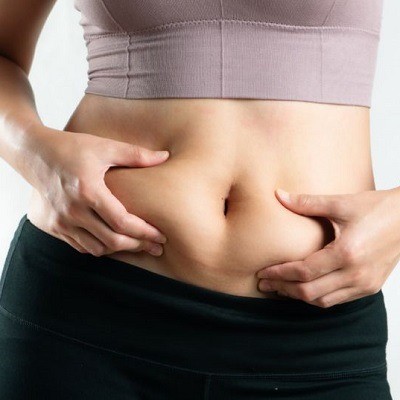
 Liposuction is one of the most commonly performed body-contouring procedures worldwide, chosen by people who want to remove stubborn fat deposits that don’t respond to diet and exercise. While the results can be transformative, the recovery phase—especially pain and discomfort—often raises many questions. One of the most searched concerns is what level of pain is normal after liposuction and how long it typically lasts.Understanding the recovery process helps patients feel more confident and less anxious during healing. Pain after Liposuction (https://www.enfieldroyalclinics.om/cosmetic-surgery/liposuction/) is expected, but it usually follows a predictable pattern and gradually improves with time. This article explains what is considered normal, what is not, and how discomfort can be managed effectively.Understanding Pain After LiposuctionAfter liposuction, it is normal for the body to experience soreness, swelling, and tenderness in the treated areas. The procedure involves removing fat through small incisions using a cannula, which naturally causes trauma to surrounding tissues. Because of this, the body responds with inflammation, which is a key contributor to post-procedure discomfort.In most cases, the pain is described as similar to strong muscle soreness after an intense workout. Patients may also feel tightness, bruising, and a burning or aching sensation in the treated areas. This discomfort is usually more noticeable in the first few days after surgery.Pain levels vary depending on the amount of fat removed, the number of treated areas, and individual pain tolerance. Some people experience mild discomfort, while others may feel moderate soreness that requires prescribed or over-the-counter pain relief.What Is Normal Liposuction Pain During Recovery?Normal liposuction pain typically follows a pattern that improves over time. In the first 48 to 72 hours, discomfort is usually at its peak. During this phase, swelling and bruising are also most visible. Movement may feel stiff, and getting up or sitting down can be uncomfortable.After the first few days, pain usually begins to decrease gradually. Many individuals report that soreness shifts into a dull ache rather than sharp pain. By the end of the first week, most patients can move more comfortably, although tightness and mild tenderness may still be present.By the second to third week, pain is usually minimal. What remains is often more related to swelling and healing tissues rather than actual pain. However, full internal healing continues for several weeks or even months.It is important to remember that mild discomfort during this period is part of normal healing and should slowly improve rather than worsen.Timeline of Liposuction Recovery and Pain LevelsThe recovery timeline can help set realistic expectations about pain and healing progression.In the first week, pain and swelling are at their highest. Patients are usually advised to wear compression garments, which help reduce swelling and support the healing tissues. Movement is encouraged but should be gentle to avoid stiffness and improve circulation.During weeks two to three, most of the sharp discomfort fades. Swelling begins to decrease, although some firmness or uneven texture under the skin may still be present. This is a normal part of healing as the body adjusts to its new contours.From weeks four to six, noticeable improvements continue. Pain is usually minimal or gone entirely for most individuals. Some residual tenderness may remain in certain areas, especially if larger treatment zones were involved.After six weeks, most people return to regular physical activities without discomfort. However, subtle healing continues beneath the skin, and final results may take several months to fully appear.Types of Sensations Experienced During RecoveryLiposuction recovery is not just about pain—it includes a range of sensations that can feel unfamiliar but are generally normal.One common feeling is tightness in the treated area. This occurs because the skin is adjusting to the reduced fat layer beneath it. Many patients describe it as a “pulling” sensation.Another common experience is bruising-related tenderness. As bruises heal, the skin may feel sensitive to touch, especially in the first one to two weeks.Some individuals also report numbness or tingling. This happens when small nerve endings are temporarily affected during the procedure. In most cases, this sensation resolves on its own over time.Occasional firmness or lumpiness under the skin may also appear. This is typically part of the natural healing process and improves as swelling subsides and tissues settle.When Liposuction Pain Is Not NormalWhile discomfort is expected, certain symptoms may indicate a problem and should not be ignored. Increasing pain instead of gradual improvement is one of the key warning signs.Severe, persistent pain that does not respond to prescribed medication may suggest complications such as infection or fluid accumulation. Similarly, excessive redness, warmth, or discharge from incision sites is not considered normal.Fever, chills, or rapidly worsening swelling should also be evaluated promptly. These symptoms may indicate infection or other post-surgical issues that require medical attention.Another concern is asymmetrical swelling that worsens instead of improving. While some unevenness is normal early in recovery, it should gradually balance out over time.How to Manage Liposuction Pain EffectivelyPain management is an important part of the recovery journey. Most patients are given pain relief recommendations to help them stay comfortable during the initial healing phase.Wearing compression garments consistently plays a major role in reducing discomfort and swelling. These garments support tissues and help the body adapt to its new shape.Gentle movement, such as short walks, can also help reduce stiffness and improve blood circulation. However, strenuous activity should be avoided until the body has adequately healed.Staying hydrated and maintaining a balanced diet can also support the healing process. Nutrients help the body repair tissues more efficiently, which can indirectly reduce discomfort.Cold compresses may be recommended in the early stages to help manage swelling, though they should be used carefully and not applied directly to the skin.Rest is equally important. Giving the body enough time to recover helps reduce prolonged discomfort and promotes better healing outcomes.Tips for a Smoother and More Comfortable RecoveryA smooth recovery after liposuction depends on following proper aftercare and listening to the body’s signals. Patients are encouraged to avoid rushing back into intense physical activity too soon, as this can increase pain and delay healing.Sleeping in a slightly elevated position can help reduce swelling and make rest more comfortable. Avoiding pressure on treated areas is also important during the early recovery phase.Following all post-procedure guidelines provided by the healthcare professional ensures that healing stays on track. This includes wearing compression garments as instructed and attending follow-up assessments when needed.Patience is key, as the body continues to heal internally even after visible improvements appear. Gradual progress is a sign of proper recovery.Frequently Asked Questions (FAQs)1. How long does pain last after liposuction?Pain is usually most noticeable in the first few days and gradually improves over one to two weeks. Mild soreness or tightness may last a few weeks longer depending on the treated areas and individual healing speed.2. Is liposuction very painful?Most people describe it as moderate discomfort rather than severe pain. It often feels like intense muscle soreness combined with tightness and bruising.3. Why does the treated area feel hard after liposuction?Hardness is usually due to swelling and healing tissues. It is a normal part of recovery and typically softens over several weeks as the body heals.4. Can pain get worse after liposuction?Pain should gradually improve, not worsen. If pain increases significantly, it may indicate complications and should be evaluated by a professional.5. What helps reduce liposuction pain faster?Compression garments, rest, gentle movement, hydration, and prescribed pain relief methods can all help reduce discomfort and support healing.6. When can normal activities be resumed after liposuction?Light activities are often resumed within a few days, while more intense exercise may require several weeks depending on recovery progress and individual guidance. Read More About Liposuction: https://www.enjoyholistic.com/Group/Topic/3650/What-Happens-During-a-Dermamelan-Treatment-Session-
  Liposuction is one of the most commonly performed body-contouring procedures worldwide, chosen by people who want to remove stubborn fat deposits that don’t respond to diet and exercise. While the results can be transformative, the recovery phase—especially pain and discomfort—often raises many questions. One of the most searched concerns is what level of pain is normal after liposuction and how long it typically lasts.Understanding the recovery process helps patients feel more confident and less anxious during healing. Pain after Liposuction (https://www.enfieldroyalclinics.om/cosmetic-surgery/liposuction/) is expected, but it usually follows a predictable pattern and gradually improves with time. This article explains what is considered normal, what is not, and how discomfort can be managed effectively.Understanding Pain After LiposuctionAfter liposuction, it is normal for the body to experience soreness, swelling, and tenderness in the treated areas. The procedure involves removing fat through small incisions using a cannula, which naturally causes trauma to surrounding tissues. Because of this, the body responds with inflammation, which is a key contributor to post-procedure discomfort.In most cases, the pain is described as similar to strong muscle soreness after an intense workout. Patients may also feel tightness, bruising, and a burning or aching sensation in the treated areas. This discomfort is usually more noticeable in the first few days after surgery.Pain levels vary depending on the amount of fat removed, the number of treated areas, and individual pain tolerance. Some people experience mild discomfort, while others may feel moderate soreness that requires prescribed or over-the-counter pain relief.What Is Normal Liposuction Pain During Recovery?Normal liposuction pain typically follows a pattern that improves over time. In the first 48 to 72 hours, discomfort is usually at its peak. During this phase, swelling and bruising are also most visible. Movement may feel stiff, and getting up or sitting down can be uncomfortable.After the first few days, pain usually begins to decrease gradually. Many individuals report that soreness shifts into a dull ache rather than sharp pain. By the end of the first week, most patients can move more comfortably, although tightness and mild tenderness may still be present.By the second to third week, pain is usually minimal. What remains is often more related to swelling and healing tissues rather than actual pain. However, full internal healing continues for several weeks or even months.It is important to remember that mild discomfort during this period is part of normal healing and should slowly improve rather than worsen.Timeline of Liposuction Recovery and Pain LevelsThe recovery timeline can help set realistic expectations about pain and healing progression.In the first week, pain and swelling are at their highest. Patients are usually advised to wear compression garments, which help reduce swelling and support the healing tissues. Movement is encouraged but should be gentle to avoid stiffness and improve circulation.During weeks two to three, most of the sharp discomfort fades. Swelling begins to decrease, although some firmness or uneven texture under the skin may still be present. This is a normal part of healing as the body adjusts to its new contours.From weeks four to six, noticeable improvements continue. Pain is usually minimal or gone entirely for most individuals. Some residual tenderness may remain in certain areas, especially if larger treatment zones were involved.After six weeks, most people return to regular physical activities without discomfort. However, subtle healing continues beneath the skin, and final results may take several months to fully appear.Types of Sensations Experienced During RecoveryLiposuction recovery is not just about pain—it includes a range of sensations that can feel unfamiliar but are generally normal.One common feeling is tightness in the treated area. This occurs because the skin is adjusting to the reduced fat layer beneath it. Many patients describe it as a “pulling” sensation.Another common experience is bruising-related tenderness. As bruises heal, the skin may feel sensitive to touch, especially in the first one to two weeks.Some individuals also report numbness or tingling. This happens when small nerve endings are temporarily affected during the procedure. In most cases, this sensation resolves on its own over time.Occasional firmness or lumpiness under the skin may also appear. This is typically part of the natural healing process and improves as swelling subsides and tissues settle.When Liposuction Pain Is Not NormalWhile discomfort is expected, certain symptoms may indicate a problem and should not be ignored. Increasing pain instead of gradual improvement is one of the key warning signs.Severe, persistent pain that does not respond to prescribed medication may suggest complications such as infection or fluid accumulation. Similarly, excessive redness, warmth, or discharge from incision sites is not considered normal.Fever, chills, or rapidly worsening swelling should also be evaluated promptly. These symptoms may indicate infection or other post-surgical issues that require medical attention.Another concern is asymmetrical swelling that worsens instead of improving. While some unevenness is normal early in recovery, it should gradually balance out over time.How to Manage Liposuction Pain EffectivelyPain management is an important part of the recovery journey. Most patients are given pain relief recommendations to help them stay comfortable during the initial healing phase.Wearing compression garments consistently plays a major role in reducing discomfort and swelling. These garments support tissues and help the body adapt to its new shape.Gentle movement, such as short walks, can also help reduce stiffness and improve blood circulation. However, strenuous activity should be avoided until the body has adequately healed.Staying hydrated and maintaining a balanced diet can also support the healing process. Nutrients help the body repair tissues more efficiently, which can indirectly reduce discomfort.Cold compresses may be recommended in the early stages to help manage swelling, though they should be used carefully and not applied directly to the skin.Rest is equally important. Giving the body enough time to recover helps reduce prolonged discomfort and promotes better healing outcomes.Tips for a Smoother and More Comfortable RecoveryA smooth recovery after liposuction depends on following proper aftercare and listening to the body’s signals. Patients are encouraged to avoid rushing back into intense physical activity too soon, as this can increase pain and delay healing.Sleeping in a slightly elevated position can help reduce swelling and make rest more comfortable. Avoiding pressure on treated areas is also important during the early recovery phase.Following all post-procedure guidelines provided by the healthcare professional ensures that healing stays on track. This includes wearing compression garments as instructed and attending follow-up assessments when needed.Patience is key, as the body continues to heal internally even after visible improvements appear. Gradual progress is a sign of proper recovery.Frequently Asked Questions (FAQs)1. How long does pain last after liposuction?Pain is usually most noticeable in the first few days and gradually improves over one to two weeks. Mild soreness or tightness may last a few weeks longer depending on the treated areas and individual healing speed.2. Is liposuction very painful?Most people describe it as moderate discomfort rather than severe pain. It often feels like intense muscle soreness combined with tightness and bruising.3. Why does the treated area feel hard after liposuction?Hardness is usually due to swelling and healing tissues. It is a normal part of recovery and typically softens over several weeks as the body heals.4. Can pain get worse after liposuction?Pain should gradually improve, not worsen. If pain increases significantly, it may indicate complications and should be evaluated by a professional.5. What helps reduce liposuction pain faster?Compression garments, rest, gentle movement, hydration, and prescribed pain relief methods can all help reduce discomfort and support healing.6. When can normal activities be resumed after liposuction?Light activities are often resumed within a few days, while more intense exercise may require several weeks depending on recovery progress and individual guidance. Read More About Liposuction: https://www.enjoyholistic.com/Group/Topic/3650/What-Happens-During-a-Dermamelan-Treatment-Session-
 Wed, 15 April 26 : 6:04 : Enfield Oman
Visit / Join Group to Reply