


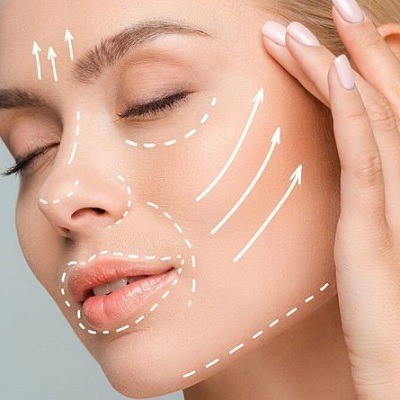
 Facelift Surgery (https://www.enfieldroyalclinics.om/cosmetic-surgery/facelift-surgery/), medically known as rhytidectomy, is one of the most sought-after cosmetic procedures for those looking to restore a youthful appearance. While many people are familiar with the immediate results of a Facelift Surgery (), fewer know what happens in the long term. Understanding the effects of facelift surgery over a decade is crucial for anyone considering the procedure. This article explores what patients can expect ten years after surgery, factors affecting longevity, and how to maintain optimal results.Understanding Facelift SurgeryFacelift surgery is designed to address sagging skin, deep wrinkles, and loss of facial volume, primarily in the lower face and neck. The procedure involves lifting and tightening underlying muscles and removing excess skin to create a smoother, more youthful contour. Modern facelift techniques have evolved to provide natural-looking results with less visible scarring and shorter recovery times.Typically, patients notice immediate improvements post-surgery. Swelling and bruising gradually subside over the first few weeks, revealing a refreshed facial appearance. However, it is important to remember that a facelift does not stop the natural aging process—it only resets the clock, giving the face a rejuvenated foundation.How Long Do Facelift Results Last?One of the most common questions is: how long will a facelift last? Most facelift surgeries provide noticeable improvements for 7 to 10 years. After a decade, patients may observe subtle signs of aging returning, including slight skin laxity and fine lines. However, the overall improvement usually remains significant compared to pre-surgery appearance.Several factors influence the longevity of facelift results, including genetics, lifestyle choices, skin quality, and the surgical technique used. For example, individuals with strong skin elasticity and a healthy lifestyle may enjoy longer-lasting results than those exposed to excessive sun, smoking, or significant weight fluctuations.Changes Observed After 10 YearsTen years after a facelift, many patients report the following changes:1. Gradual Skin LaxityAlthough the skin was tightened during surgery, natural aging continues. Over time, gravity and collagen loss can cause mild sagging, especially around the jawline and neck. While not as pronounced as before surgery, these changes may be noticeable, depending on individual aging patterns.2. Natural Facial MovementA well-performed facelift preserves natural facial expressions. Unlike older techniques that sometimes created a “pulled” look, modern approaches aim for subtle enhancement. Even a decade later, the face often retains this natural appearance while maintaining a more youthful structure.3. Wrinkle DevelopmentDeep wrinkles may be less noticeable than pre-surgery, but fine lines around the eyes, forehead, and mouth can gradually develop. This is a normal part of aging and does not necessarily indicate a failed procedure.4. Overall Facial ContourA decade after surgery, the overall facial contour often remains lifted and defined. The cheeks, jawline, and neck typically maintain improved shape compared to pre-surgery, giving patients a lasting sense of rejuvenation.Factors Affecting Long-Term ResultsThe longevity of facelift results can vary significantly depending on multiple factors:Lifestyle Choices: Smoking, excessive alcohol consumption, and poor diet can accelerate aging and impact the results of a facelift.Sun Exposure: Ultraviolet (UV) rays break down collagen and elastin, leading to earlier signs of sagging and wrinkles.Genetics: Individual aging patterns and skin quality play a significant role in how long results last.Skincare Routine: Consistent use of moisturizers, sunscreen, and anti-aging products can help maintain results for longer.Follow-Up Treatments: Non-surgical treatments such as Botox, dermal fillers, and skin resurfacing can complement facelift results and extend the youthful appearance.Maintaining Facelift Results Over the YearsWhile a facelift provides a long-lasting rejuvenation, maintaining results requires ongoing care. Here are some expert-recommended strategies:Sun Protection: Wearing sunscreen daily is crucial to prevent premature skin aging.Healthy Lifestyle: Eating a balanced diet, staying hydrated, exercising regularly, and avoiding smoking contribute to prolonged results.Skincare Routine: Incorporating anti-aging creams with ingredients like retinoids, peptides, and antioxidants can improve skin elasticity.Non-Surgical Touch-Ups: Periodic treatments like fillers or laser therapy can address minor signs of aging without the need for another surgery.Regular Check-Ups: Annual evaluations with a cosmetic professional can help monitor facial changes and recommend timely interventions.Signs That a Touch-Up May Be NeededWhile most facelifts last a decade or more, some patients may consider additional procedures to maintain their desired look. Signs that a touch-up may be appropriate include:Noticeable sagging around the jawline or neckDeepening nasolabial folds or marionette linesLoss of volume in the cheeks or templesOverall changes that alter facial harmonyTouch-ups can range from minor non-surgical enhancements to a secondary surgical lift, depending on the extent of aging and patient goals.Common Misconceptions About Long-Term Facelift ResultsThere are several myths surrounding facelift surgery and its long-term outcomes:Myth 1: A facelift stops aging completely. Reality: Surgery improves appearance, but aging continues naturally.Myth 2: Results look unnatural after 10 years. Reality: Modern techniques are designed to maintain natural movement and contour.Myth 3: Facelift results fail after 5 years. Reality: Results are long-lasting; subtle aging may appear, but overall rejuvenation persists.Understanding these realities helps patients set realistic expectations and make informed decisions.ConclusionFacelift surgery offers a transformative way to rejuvenate the face, providing results that can last a decade or more. Ten years after surgery, most patients maintain a refreshed, youthful appearance, although natural aging may introduce subtle changes. By adopting healthy lifestyle habits, protecting the skin, and considering occasional non-surgical touch-ups, individuals can maximize the longevity of their facelift results. Ultimately, a facelift is not just about looking younger—it’s about feeling confident and enjoying a natural, harmonious facial appearance for years to come.FAQs About Facelift Surgery After 10 Years1. Will a facelift last forever?No. While a facelift offers long-lasting improvement, natural aging continues, and results may gradually diminish over 10–15 years.2. Can I get another facelift after 10 years?Yes. Many patients opt for a secondary facelift or less invasive procedures to maintain their appearance.3. Does a facelift prevent wrinkles?A facelift reduces sagging and smooths certain wrinkles, but it does not prevent new wrinkles from forming due to aging.4. How can I prolong facelift results?Maintaining a healthy lifestyle, avoiding smoking, protecting the skin from sun exposure, and using quality skincare products help prolong results.5. Will my facelift look natural after 10 years?With modern surgical techniques, the results usually remain natural-looking, preserving facial movement and contour.6. Are non-surgical treatments recommended after a facelift?Yes. Treatments like dermal fillers, Botox, and laser therapy can enhance and extend the results of a facelift without additional surgery.7. What factors influence how long facelift results last?Genetics, skin quality, lifestyle choices, sun exposure, and the surgical technique used all affect the longevity of facelift results.
  Facelift Surgery (https://www.enfieldroyalclinics.om/cosmetic-surgery/facelift-surgery/), medically known as rhytidectomy, is one of the most sought-after cosmetic procedures for those looking to restore a youthful appearance. While many people are familiar with the immediate results of a Facelift Surgery (), fewer know what happens in the long term. Understanding the effects of facelift surgery over a decade is crucial for anyone considering the procedure. This article explores what patients can expect ten years after surgery, factors affecting longevity, and how to maintain optimal results.Understanding Facelift SurgeryFacelift surgery is designed to address sagging skin, deep wrinkles, and loss of facial volume, primarily in the lower face and neck. The procedure involves lifting and tightening underlying muscles and removing excess skin to create a smoother, more youthful contour. Modern facelift techniques have evolved to provide natural-looking results with less visible scarring and shorter recovery times.Typically, patients notice immediate improvements post-surgery. Swelling and bruising gradually subside over the first few weeks, revealing a refreshed facial appearance. However, it is important to remember that a facelift does not stop the natural aging process—it only resets the clock, giving the face a rejuvenated foundation.How Long Do Facelift Results Last?One of the most common questions is: how long will a facelift last? Most facelift surgeries provide noticeable improvements for 7 to 10 years. After a decade, patients may observe subtle signs of aging returning, including slight skin laxity and fine lines. However, the overall improvement usually remains significant compared to pre-surgery appearance.Several factors influence the longevity of facelift results, including genetics, lifestyle choices, skin quality, and the surgical technique used. For example, individuals with strong skin elasticity and a healthy lifestyle may enjoy longer-lasting results than those exposed to excessive sun, smoking, or significant weight fluctuations.Changes Observed After 10 YearsTen years after a facelift, many patients report the following changes:1. Gradual Skin LaxityAlthough the skin was tightened during surgery, natural aging continues. Over time, gravity and collagen loss can cause mild sagging, especially around the jawline and neck. While not as pronounced as before surgery, these changes may be noticeable, depending on individual aging patterns.2. Natural Facial MovementA well-performed facelift preserves natural facial expressions. Unlike older techniques that sometimes created a “pulled” look, modern approaches aim for subtle enhancement. Even a decade later, the face often retains this natural appearance while maintaining a more youthful structure.3. Wrinkle DevelopmentDeep wrinkles may be less noticeable than pre-surgery, but fine lines around the eyes, forehead, and mouth can gradually develop. This is a normal part of aging and does not necessarily indicate a failed procedure.4. Overall Facial ContourA decade after surgery, the overall facial contour often remains lifted and defined. The cheeks, jawline, and neck typically maintain improved shape compared to pre-surgery, giving patients a lasting sense of rejuvenation.Factors Affecting Long-Term ResultsThe longevity of facelift results can vary significantly depending on multiple factors:Lifestyle Choices: Smoking, excessive alcohol consumption, and poor diet can accelerate aging and impact the results of a facelift.Sun Exposure: Ultraviolet (UV) rays break down collagen and elastin, leading to earlier signs of sagging and wrinkles.Genetics: Individual aging patterns and skin quality play a significant role in how long results last.Skincare Routine: Consistent use of moisturizers, sunscreen, and anti-aging products can help maintain results for longer.Follow-Up Treatments: Non-surgical treatments such as Botox, dermal fillers, and skin resurfacing can complement facelift results and extend the youthful appearance.Maintaining Facelift Results Over the YearsWhile a facelift provides a long-lasting rejuvenation, maintaining results requires ongoing care. Here are some expert-recommended strategies:Sun Protection: Wearing sunscreen daily is crucial to prevent premature skin aging.Healthy Lifestyle: Eating a balanced diet, staying hydrated, exercising regularly, and avoiding smoking contribute to prolonged results.Skincare Routine: Incorporating anti-aging creams with ingredients like retinoids, peptides, and antioxidants can improve skin elasticity.Non-Surgical Touch-Ups: Periodic treatments like fillers or laser therapy can address minor signs of aging without the need for another surgery.Regular Check-Ups: Annual evaluations with a cosmetic professional can help monitor facial changes and recommend timely interventions.Signs That a Touch-Up May Be NeededWhile most facelifts last a decade or more, some patients may consider additional procedures to maintain their desired look. Signs that a touch-up may be appropriate include:Noticeable sagging around the jawline or neckDeepening nasolabial folds or marionette linesLoss of volume in the cheeks or templesOverall changes that alter facial harmonyTouch-ups can range from minor non-surgical enhancements to a secondary surgical lift, depending on the extent of aging and patient goals.Common Misconceptions About Long-Term Facelift ResultsThere are several myths surrounding facelift surgery and its long-term outcomes:Myth 1: A facelift stops aging completely. Reality: Surgery improves appearance, but aging continues naturally.Myth 2: Results look unnatural after 10 years. Reality: Modern techniques are designed to maintain natural movement and contour.Myth 3: Facelift results fail after 5 years. Reality: Results are long-lasting; subtle aging may appear, but overall rejuvenation persists.Understanding these realities helps patients set realistic expectations and make informed decisions.ConclusionFacelift surgery offers a transformative way to rejuvenate the face, providing results that can last a decade or more. Ten years after surgery, most patients maintain a refreshed, youthful appearance, although natural aging may introduce subtle changes. By adopting healthy lifestyle habits, protecting the skin, and considering occasional non-surgical touch-ups, individuals can maximize the longevity of their facelift results. Ultimately, a facelift is not just about looking younger—it’s about feeling confident and enjoying a natural, harmonious facial appearance for years to come.FAQs About Facelift Surgery After 10 Years1. Will a facelift last forever?No. While a facelift offers long-lasting improvement, natural aging continues, and results may gradually diminish over 10–15 years.2. Can I get another facelift after 10 years?Yes. Many patients opt for a secondary facelift or less invasive procedures to maintain their appearance.3. Does a facelift prevent wrinkles?A facelift reduces sagging and smooths certain wrinkles, but it does not prevent new wrinkles from forming due to aging.4. How can I prolong facelift results?Maintaining a healthy lifestyle, avoiding smoking, protecting the skin from sun exposure, and using quality skincare products help prolong results.5. Will my facelift look natural after 10 years?With modern surgical techniques, the results usually remain natural-looking, preserving facial movement and contour.6. Are non-surgical treatments recommended after a facelift?Yes. Treatments like dermal fillers, Botox, and laser therapy can enhance and extend the results of a facelift without additional surgery.7. What factors influence how long facelift results last?Genetics, skin quality, lifestyle choices, sun exposure, and the surgical technique used all affect the longevity of facelift results.
 Thu, 5 March 26 : 6:03 : Enfield Oman
Visit / Join Group to Reply