


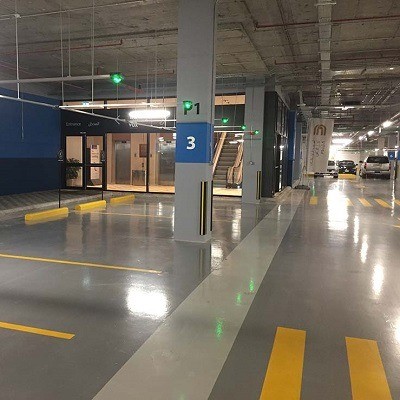
 Parking management plays an important role in creating a smooth and organized experience for visitors, employees, residents, and customers. In Saudi Arabia, where commercial developments, shopping centers, hospitals, hotels, residential communities, and entertainment destinations continue to attract large numbers of visitors, efficient parking operations have become increasingly important. Property owners and facility managers must decide whether to handle parking internally or work with professional Parking Management Services Saudi Arabia (https://windsorksa.com/) providers.Both approaches have advantages, and the right choice depends on the property's size, parking requirements, staffing resources, and long-term operational goals. An in-house team may offer direct control over daily activities, while a specialized service provider can bring industry knowledge, established procedures, and access to modern parking technology.Understanding the differences between these two options helps businesses make informed decisions, improve visitor satisfaction, and maintain a safer, more efficient parking environment.1. Understanding Parking Management Services in Saudi ArabiaProfessional parking management services involve the planning, coordination, supervision, and improvement of parking facilities. These services can cover everything from directing vehicles and managing entry points to monitoring parking occupancy, supporting visitors, and maintaining orderly traffic movement.In Saudi Arabia, parking requirements vary considerably between properties. A hospital may need convenient access for patients, emergency vehicles, and people with limited mobility. A shopping center may experience heavy traffic during weekends, holidays, and seasonal promotions. Hotels and event venues may require organized drop-off areas, valet coordination, and temporary traffic arrangements.A professional parking management provider can develop procedures suited to these different needs. Depending on the agreement, the provider may supply trained parking attendants, supervisors, operational reporting, digital parking systems, and customer support.The primary objective is to make parking more convenient while helping property managers maintain control over vehicle movement, staff responsibilities, and facility operations.Professional services may also support better space utilization. For example, monitoring occupancy levels can help identify underused areas and reduce the time visitors spend searching for available spaces.2. What Does an In-House Parking Team Offer?An in-house parking team consists of employees recruited, trained, and managed directly by the property owner or operating organization. The team typically follows internal policies and reports to the organization's facility management or operations department.This approach gives the organization direct involvement in staffing decisions, performance monitoring, scheduling, and customer service standards.Greater Direct ControlOne of the main advantages of an in-house team is the ability to manage employees through existing organizational structures. Supervisors can communicate changes directly, introduce new procedures, and adjust responsibilities according to operational needs.For instance, a residential complex may prefer an internal team because its parking rules are closely connected to resident access, visitor registration, and security procedures. Employees who regularly work at the property may also become familiar with residents, frequently used spaces, and recurring parking concerns.Familiarity With the PropertyInternal employees often develop detailed knowledge of the property's layout, access points, and daily routines. This familiarity can help them respond quickly to common questions and direct visitors efficiently.However, these benefits depend on proper recruitment, training, supervision, and staff retention. An in-house team still requires clear responsibilities, consistent performance reviews, and reliable procedures for handling busy periods or unexpected situations.Administrative ResponsibilitiesManaging parking internally also creates additional work for the organization. Recruitment, employee scheduling, training, attendance monitoring, equipment procurement, and performance management all require time and resources.The organization must also ensure that employees understand relevant safety requirements, customer service expectations, accessibility arrangements, and site-specific procedures.For smaller properties with straightforward parking requirements, this approach may be practical. For large or busy facilities, however, the administrative workload can become more demanding.3. Key Advantages of Professional Parking Management ServicesProfessional parking management services can be especially useful for properties that experience changing visitor numbers, complex traffic patterns, or demanding operational requirements.Access to Trained PersonnelA specialist provider can supply personnel whose responsibilities focus on parking operations. Depending on the contract, this may include parking attendants, supervisors, traffic coordinators, and customer service staff.Training can cover vehicle direction, queue management, communication with visitors, incident reporting, and appropriate responses to operational problems. Well-prepared personnel can help reduce confusion at entrances and exits while creating a more welcoming experience.For facilities that receive large numbers of visitors, a structured staffing model can make it easier to coordinate several parking areas at the same time.Flexible Staffing and Operational SupportParking demand does not always remain consistent. Shopping centers may experience increased activity during promotional campaigns, hotels may have busy check-in periods, and event venues may need additional support before and after major gatherings.A professional provider may be able to adjust staffing levels and schedules according to anticipated demand. This flexibility can help property managers avoid relying entirely on a fixed team that may be insufficient during peak periods.The available flexibility depends on the provider's resources and the service agreement, so staffing arrangements should be discussed before a contract is finalized.Established Procedures and ReportingProfessional providers may use standardized operating procedures for vehicle flow, shift handovers, incident escalation, and customer complaints. These procedures help employees understand their responsibilities and allow managers to evaluate service quality more consistently.Regular reports can also provide useful information about parking occupancy, recurring congestion, staffing coverage, and common visitor concerns.Such information supports practical decisions, including adjusting traffic routes, improving signage, or changing how specific parking zones are used.4. Cost, Technology, and Efficiency: Comparing Both ApproachesCost is an important consideration when comparing professional parking management services with an in-house team. However, the decision should not depend on salaries or service fees alone. The full cost of operating and maintaining a parking facility deserves attention.Understanding the Total Cost of OwnershipAn in-house team may involve recruitment expenses, wages, employee benefits, training, uniforms, supervision, equipment, and administrative support. Additional costs can arise when employees are absent, staff turnover increases, or extra coverage is required.Professional parking management services typically involve an agreed service fee. Depending on the contract, that fee may include staffing, supervision, training, reporting, and certain operational resources. Other items, such as parking equipment, software licenses, maintenance, or specialized security arrangements, may be charged separately.A fair comparison should examine the complete scope of each option rather than treating one staffing model as automatically less expensive.The Role of Parking TechnologyTechnology can improve parking operations regardless of who manages the team. Common solutions include digital payment systems, access control, occupancy monitoring, license plate recognition where legally appropriate, and parking guidance displays.These tools can help visitors locate spaces, reduce unnecessary circulation, and give facility managers better visibility into parking activity.A professional provider may already have experience implementing such systems, while an in-house operation may need to develop the required technical knowledge or work with external technology suppliers.The most suitable solution depends on the facility's size, traffic volume, infrastructure, privacy requirements, and budget. Technology should solve a clearly identified operational problem rather than add complexity without measurable benefits.5. Which Parking Management Model Is Better for Different Facilities?There is no single approach that works best for every property in Saudi Arabia. The most effective choice depends on operational complexity, expected demand, internal capabilities, and the level of service visitors require.Hospitals and Healthcare FacilitiesHealthcare facilities need accessible parking arrangements, clear pedestrian routes, and reliable access for emergency vehicles. Patients and visitors may also require additional assistance when locating entrances or moving between parking areas and buildings.A dedicated in-house team may offer close coordination with internal departments. A professional provider may offer broader staffing support and established traffic management procedures.Whichever approach is selected, parking operations should support accessibility, safety, clear communication, and unobstructed emergency access. These requirements should be built into staff training and performance monitoring.Shopping Centers, Hotels, and Entertainment VenuesLarge commercial properties often experience significant changes in parking demand throughout the day and across different seasons. Professional services can be useful when staffing needs fluctuate or when several parking zones must operate together.Hotels may prioritize guest convenience and coordinated arrival services, while shopping centers may focus on vehicle flow and reducing congestion near entrances. Entertainment venues may need temporary traffic plans for events with concentrated arrival and departure periods.In-house teams can also perform well in these settings, particularly when the organization has experienced supervisors, reliable staffing arrangements, and established operational systems.Residential Communities and Office BuildingsResidential properties and office buildings often have recurring users, permit requirements, designated parking spaces, and visitor access procedures. An in-house team may be suitable when operations are predictable and closely linked to the property's internal management.Professional providers may be more attractive when several buildings share parking facilities, the property operates extended hours, or additional support is needed during busy periods.The decision should reflect actual demand rather than assumptions about which model is more modern or efficient.6. How to Choose the Right Parking Management Partner in Saudi ArabiaOrganizations considering professional parking management services should evaluate providers carefully. A competitive proposal is useful, but service quality, operational capability, and accountability are equally important.Review Experience and Service ScopeA provider should demonstrate experience managing facilities with comparable traffic volumes and operational requirements. The organization should also confirm exactly which responsibilities are included in the proposed service.Questions worth considering include whether the provider supplies supervisors, manages staff scheduling, prepares operational reports, supports parking technology, and coordinates incident escalation.Clear documentation reduces the likelihood of misunderstandings after operations begin.Check Training, Safety, and ComplianceParking personnel interact with vehicles, pedestrians, visitors, and property staff throughout their shifts. Training should therefore address safe vehicle direction, pedestrian awareness, emergency procedures, customer service, and incident documentation.Organizations should also confirm that the proposed arrangements meet applicable Saudi regulations, employment requirements, accessibility expectations, and relevant privacy obligations.Where digital parking systems collect vehicle or visitor information, the responsible parties should understand how that information is accessed, stored, protected, and used.Establish Measurable Performance StandardsA well-defined service agreement should include practical performance indicators. These might cover staffing coverage, response times, visitor complaints, reporting accuracy, traffic flow, and compliance with operating procedures.Regular reviews help identify weaknesses before they become persistent problems. They also provide a structured way to determine whether the arrangement is delivering the expected results.For an in-house team, the same principle applies. Clear targets, regular training, and documented reviews can improve consistency and accountability.Ultimately, Parking Management Services Saudi Arabia providers should be evaluated on their ability to meet a property's actual needs, not simply on the size of their workforce or the technology they advertise.Frequently Asked Questions1. What are parking management services in Saudi Arabia?Parking management services help organizations operate parking facilities efficiently. Depending on the agreement, they may include staffing, vehicle direction, entry and exit coordination, customer assistance, occupancy monitoring, reporting, and parking technology support.2. Is an outsourced parking management team better than an in-house team?Neither option is automatically better. Outsourcing may provide specialized expertise, flexible staffing, and established procedures, while an in-house team offers direct management and familiarity with the property. The right choice depends on operational needs and available resources.3. Which facilities can benefit from professional parking management services?Shopping centers, hospitals, hotels, office buildings, residential communities, airports, entertainment venues, and event spaces may benefit from professional parking support. The level of service required depends on visitor volume, parking layout, and operational complexity.4. Can parking management services improve the visitor experience?Yes. Clear signage, trained attendants, organized vehicle movement, accessible parking arrangements, and efficient entry and exit procedures can make parking easier. Monitoring recurring complaints and congestion also helps operators identify opportunities for improvement.5. What should a business check before hiring a parking management provider?A business should review the provider's relevant experience, staffing plan, training procedures, safety practices, technology capabilities, reporting methods, compliance arrangements, and service agreement. Defined performance indicators can also help measure results over time.6. Does parking management technology eliminate the need for staff?Not necessarily. Digital payments, access controls, occupancy sensors, and guidance systems can reduce certain manual tasks, but many facilities still need personnel for customer assistance, traffic coordination, accessibility support, and unexpected situations. Technology is most effective when combined with appropriate staffing and clear procedures.ConclusionChoosing between professional parking management services and an in-house parking team requires a careful assessment of operational requirements, staffing capacity, technology, and service expectations. An internal team can provide direct control and valuable property knowledge, while an experienced external provider may offer flexible staffing, specialized expertise, and established operating procedures.For organizations in Saudi Arabia, the best decision is the one that supports safe vehicle movement, convenient access, efficient use of parking spaces, and a positive visitor experience. By comparing the full operating requirements, reviewing service capabilities, and establishing measurable performance standards, property managers can choose a parking management model that supports their facility's long-term goals.
 Parking management plays an important role in creating a smooth and organized experience for visitors, employees, residents, and customers. In Saudi Arabia, where commercial developments, shopping centers, hospitals, hotels, residential communities, and entertainment destinations continue to attract large numbers of visitors, efficient parking operations have become increasingly important. Property owners and facility managers must decide whether to handle parking internally or work with professional Parking Management Services Saudi Arabia (https://windsorksa.com/) providers.Both approaches have advantages, and the right choice depends on the property's size, parking requirements, staffing resources, and long-term operational goals. An in-house team may offer direct control over daily activities, while a specialized service provider can bring industry knowledge, established procedures, and access to modern parking technology.Understanding the differences between these two options helps businesses make informed decisions, improve visitor satisfaction, and maintain a safer, more efficient parking environment.1. Understanding Parking Management Services in Saudi ArabiaProfessional parking management services involve the planning, coordination, supervision, and improvement of parking facilities. These services can cover everything from directing vehicles and managing entry points to monitoring parking occupancy, supporting visitors, and maintaining orderly traffic movement.In Saudi Arabia, parking requirements vary considerably between properties. A hospital may need convenient access for patients, emergency vehicles, and people with limited mobility. A shopping center may experience heavy traffic during weekends, holidays, and seasonal promotions. Hotels and event venues may require organized drop-off areas, valet coordination, and temporary traffic arrangements.A professional parking management provider can develop procedures suited to these different needs. Depending on the agreement, the provider may supply trained parking attendants, supervisors, operational reporting, digital parking systems, and customer support.The primary objective is to make parking more convenient while helping property managers maintain control over vehicle movement, staff responsibilities, and facility operations.Professional services may also support better space utilization. For example, monitoring occupancy levels can help identify underused areas and reduce the time visitors spend searching for available spaces.2. What Does an In-House Parking Team Offer?An in-house parking team consists of employees recruited, trained, and managed directly by the property owner or operating organization. The team typically follows internal policies and reports to the organization's facility management or operations department.This approach gives the organization direct involvement in staffing decisions, performance monitoring, scheduling, and customer service standards.Greater Direct ControlOne of the main advantages of an in-house team is the ability to manage employees through existing organizational structures. Supervisors can communicate changes directly, introduce new procedures, and adjust responsibilities according to operational needs.For instance, a residential complex may prefer an internal team because its parking rules are closely connected to resident access, visitor registration, and security procedures. Employees who regularly work at the property may also become familiar with residents, frequently used spaces, and recurring parking concerns.Familiarity With the PropertyInternal employees often develop detailed knowledge of the property's layout, access points, and daily routines. This familiarity can help them respond quickly to common questions and direct visitors efficiently.However, these benefits depend on proper recruitment, training, supervision, and staff retention. An in-house team still requires clear responsibilities, consistent performance reviews, and reliable procedures for handling busy periods or unexpected situations.Administrative ResponsibilitiesManaging parking internally also creates additional work for the organization. Recruitment, employee scheduling, training, attendance monitoring, equipment procurement, and performance management all require time and resources.The organization must also ensure that employees understand relevant safety requirements, customer service expectations, accessibility arrangements, and site-specific procedures.For smaller properties with straightforward parking requirements, this approach may be practical. For large or busy facilities, however, the administrative workload can become more demanding.3. Key Advantages of Professional Parking Management ServicesProfessional parking management services can be especially useful for properties that experience changing visitor numbers, complex traffic patterns, or demanding operational requirements.Access to Trained PersonnelA specialist provider can supply personnel whose responsibilities focus on parking operations. Depending on the contract, this may include parking attendants, supervisors, traffic coordinators, and customer service staff.Training can cover vehicle direction, queue management, communication with visitors, incident reporting, and appropriate responses to operational problems. Well-prepared personnel can help reduce confusion at entrances and exits while creating a more welcoming experience.For facilities that receive large numbers of visitors, a structured staffing model can make it easier to coordinate several parking areas at the same time.Flexible Staffing and Operational SupportParking demand does not always remain consistent. Shopping centers may experience increased activity during promotional campaigns, hotels may have busy check-in periods, and event venues may need additional support before and after major gatherings.A professional provider may be able to adjust staffing levels and schedules according to anticipated demand. This flexibility can help property managers avoid relying entirely on a fixed team that may be insufficient during peak periods.The available flexibility depends on the provider's resources and the service agreement, so staffing arrangements should be discussed before a contract is finalized.Established Procedures and ReportingProfessional providers may use standardized operating procedures for vehicle flow, shift handovers, incident escalation, and customer complaints. These procedures help employees understand their responsibilities and allow managers to evaluate service quality more consistently.Regular reports can also provide useful information about parking occupancy, recurring congestion, staffing coverage, and common visitor concerns.Such information supports practical decisions, including adjusting traffic routes, improving signage, or changing how specific parking zones are used.4. Cost, Technology, and Efficiency: Comparing Both ApproachesCost is an important consideration when comparing professional parking management services with an in-house team. However, the decision should not depend on salaries or service fees alone. The full cost of operating and maintaining a parking facility deserves attention.Understanding the Total Cost of OwnershipAn in-house team may involve recruitment expenses, wages, employee benefits, training, uniforms, supervision, equipment, and administrative support. Additional costs can arise when employees are absent, staff turnover increases, or extra coverage is required.Professional parking management services typically involve an agreed service fee. Depending on the contract, that fee may include staffing, supervision, training, reporting, and certain operational resources. Other items, such as parking equipment, software licenses, maintenance, or specialized security arrangements, may be charged separately.A fair comparison should examine the complete scope of each option rather than treating one staffing model as automatically less expensive.The Role of Parking TechnologyTechnology can improve parking operations regardless of who manages the team. Common solutions include digital payment systems, access control, occupancy monitoring, license plate recognition where legally appropriate, and parking guidance displays.These tools can help visitors locate spaces, reduce unnecessary circulation, and give facility managers better visibility into parking activity.A professional provider may already have experience implementing such systems, while an in-house operation may need to develop the required technical knowledge or work with external technology suppliers.The most suitable solution depends on the facility's size, traffic volume, infrastructure, privacy requirements, and budget. Technology should solve a clearly identified operational problem rather than add complexity without measurable benefits.5. Which Parking Management Model Is Better for Different Facilities?There is no single approach that works best for every property in Saudi Arabia. The most effective choice depends on operational complexity, expected demand, internal capabilities, and the level of service visitors require.Hospitals and Healthcare FacilitiesHealthcare facilities need accessible parking arrangements, clear pedestrian routes, and reliable access for emergency vehicles. Patients and visitors may also require additional assistance when locating entrances or moving between parking areas and buildings.A dedicated in-house team may offer close coordination with internal departments. A professional provider may offer broader staffing support and established traffic management procedures.Whichever approach is selected, parking operations should support accessibility, safety, clear communication, and unobstructed emergency access. These requirements should be built into staff training and performance monitoring.Shopping Centers, Hotels, and Entertainment VenuesLarge commercial properties often experience significant changes in parking demand throughout the day and across different seasons. Professional services can be useful when staffing needs fluctuate or when several parking zones must operate together.Hotels may prioritize guest convenience and coordinated arrival services, while shopping centers may focus on vehicle flow and reducing congestion near entrances. Entertainment venues may need temporary traffic plans for events with concentrated arrival and departure periods.In-house teams can also perform well in these settings, particularly when the organization has experienced supervisors, reliable staffing arrangements, and established operational systems.Residential Communities and Office BuildingsResidential properties and office buildings often have recurring users, permit requirements, designated parking spaces, and visitor access procedures. An in-house team may be suitable when operations are predictable and closely linked to the property's internal management.Professional providers may be more attractive when several buildings share parking facilities, the property operates extended hours, or additional support is needed during busy periods.The decision should reflect actual demand rather than assumptions about which model is more modern or efficient.6. How to Choose the Right Parking Management Partner in Saudi ArabiaOrganizations considering professional parking management services should evaluate providers carefully. A competitive proposal is useful, but service quality, operational capability, and accountability are equally important.Review Experience and Service ScopeA provider should demonstrate experience managing facilities with comparable traffic volumes and operational requirements. The organization should also confirm exactly which responsibilities are included in the proposed service.Questions worth considering include whether the provider supplies supervisors, manages staff scheduling, prepares operational reports, supports parking technology, and coordinates incident escalation.Clear documentation reduces the likelihood of misunderstandings after operations begin.Check Training, Safety, and ComplianceParking personnel interact with vehicles, pedestrians, visitors, and property staff throughout their shifts. Training should therefore address safe vehicle direction, pedestrian awareness, emergency procedures, customer service, and incident documentation.Organizations should also confirm that the proposed arrangements meet applicable Saudi regulations, employment requirements, accessibility expectations, and relevant privacy obligations.Where digital parking systems collect vehicle or visitor information, the responsible parties should understand how that information is accessed, stored, protected, and used.Establish Measurable Performance StandardsA well-defined service agreement should include practical performance indicators. These might cover staffing coverage, response times, visitor complaints, reporting accuracy, traffic flow, and compliance with operating procedures.Regular reviews help identify weaknesses before they become persistent problems. They also provide a structured way to determine whether the arrangement is delivering the expected results.For an in-house team, the same principle applies. Clear targets, regular training, and documented reviews can improve consistency and accountability.Ultimately, Parking Management Services Saudi Arabia providers should be evaluated on their ability to meet a property's actual needs, not simply on the size of their workforce or the technology they advertise.Frequently Asked Questions1. What are parking management services in Saudi Arabia?Parking management services help organizations operate parking facilities efficiently. Depending on the agreement, they may include staffing, vehicle direction, entry and exit coordination, customer assistance, occupancy monitoring, reporting, and parking technology support.2. Is an outsourced parking management team better than an in-house team?Neither option is automatically better. Outsourcing may provide specialized expertise, flexible staffing, and established procedures, while an in-house team offers direct management and familiarity with the property. The right choice depends on operational needs and available resources.3. Which facilities can benefit from professional parking management services?Shopping centers, hospitals, hotels, office buildings, residential communities, airports, entertainment venues, and event spaces may benefit from professional parking support. The level of service required depends on visitor volume, parking layout, and operational complexity.4. Can parking management services improve the visitor experience?Yes. Clear signage, trained attendants, organized vehicle movement, accessible parking arrangements, and efficient entry and exit procedures can make parking easier. Monitoring recurring complaints and congestion also helps operators identify opportunities for improvement.5. What should a business check before hiring a parking management provider?A business should review the provider's relevant experience, staffing plan, training procedures, safety practices, technology capabilities, reporting methods, compliance arrangements, and service agreement. Defined performance indicators can also help measure results over time.6. Does parking management technology eliminate the need for staff?Not necessarily. Digital payments, access controls, occupancy sensors, and guidance systems can reduce certain manual tasks, but many facilities still need personnel for customer assistance, traffic coordination, accessibility support, and unexpected situations. Technology is most effective when combined with appropriate staffing and clear procedures.ConclusionChoosing between professional parking management services and an in-house parking team requires a careful assessment of operational requirements, staffing capacity, technology, and service expectations. An internal team can provide direct control and valuable property knowledge, while an experienced external provider may offer flexible staffing, specialized expertise, and established operating procedures.For organizations in Saudi Arabia, the best decision is the one that supports safe vehicle movement, convenient access, efficient use of parking spaces, and a positive visitor experience. By comparing the full operating requirements, reviewing service capabilities, and establishing measurable performance standards, property managers can choose a parking management model that supports their facility's long-term goals.
Wed, 14 October 26 : 6:10 : Enfield Oman
Visit / Join Group to Reply