


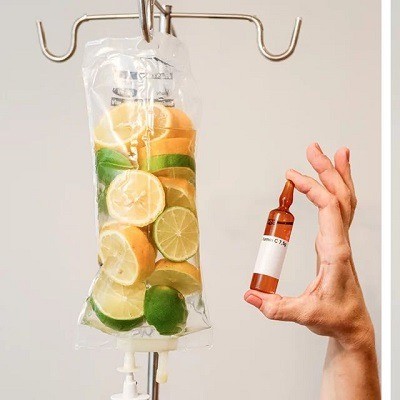
 For someone considering a vitamin IV drip for the first time, knowing what to expect can make the experience much more comfortable. An IV drip delivers fluids, vitamins, minerals, or other nutrients directly into a vein through a small intravenous line. While the treatment may appear straightforward, proper preparation is still important for safety, comfort, and realistic expectations.Interest in IV Drip in Oman (https://www.enfieldroyalclinics.om/iv-drip/) has grown as more people explore convenient wellness and hydration treatments. However, an IV drip should not be viewed as a replacement for a balanced diet, appropriate medical care, or treatment prescribed for a specific health condition. The right preparation starts with understanding what the treatment involves and determining whether it is appropriate for the individual.What Is a Vitamin IV Drip?A vitamin IV drip is an intravenous treatment designed to administer fluids and selected nutrients directly into the bloodstream. Depending on the formulation and purpose, an IV infusion may contain fluids along with vitamins, minerals, electrolytes, or other ingredients.Unlike oral supplements, which pass through the digestive system, intravenous administration introduces the ingredients directly into circulation. This is one reason IV therapy can be useful in certain medical situations, particularly when hydration or intravenous delivery is clinically appropriate.Wellness-focused IV treatments can vary considerably in their ingredients and intended purposes. Some formulations are marketed for hydration, while others may be promoted for general wellness or nutritional support. The actual benefits depend on the ingredients used, the person's health status, and whether there is a genuine nutritional or medical need.Before choosing an IV treatment, it is therefore important to understand exactly what will be administered and why. A qualified healthcare professional can assess whether an IV drip is suitable and discuss potential benefits, limitations, and risks.What Should Be Done Before the First IV Drip?Good preparation does not have to be complicated. A few simple steps can help make the appointment smoother.First, the individual should provide complete and accurate health information during the consultation. Existing medical conditions, allergies, previous reactions to IV treatments, current medications, supplements, and relevant medical history may all affect whether a particular infusion is appropriate.It is also helpful to ask what the IV formulation contains. A person should know which vitamins, minerals, fluids, or other substances are included and why each ingredient is being used. This is particularly important because different IV formulas can have very different compositions.The individual should also follow any instructions provided by the healthcare professional. Depending on the specific treatment and personal health circumstances, there may be recommendations concerning food, fluids, medication, or other preparation steps.Finally, arriving with enough time for the consultation can be beneficial. A first appointment may involve more than simply starting the IV. There may be a health assessment, discussion of goals, review of medical history, and monitoring before and during the infusion.Should Someone Eat Before an IV Drip?Whether someone should eat before an IV drip depends on the treatment and the individual's circumstances. In many cases, there is no universal requirement to fast before a standard hydration or vitamin infusion.For some people, having a light meal beforehand may help prevent discomfort associated with hunger, especially if the appointment is expected to take some time. However, eating a very heavy meal immediately before treatment may not be comfortable.Rather than assuming that fasting is necessary, the individual should follow the instructions provided by the healthcare professional administering the treatment.Hydration can also be relevant. Although the IV itself provides fluid, arriving adequately hydrated may make the overall experience more comfortable. Unless a healthcare professional has recommended fluid restriction, maintaining normal fluid intake before an appointment is generally sensible.People with conditions that require restrictions on fluid, sodium, potassium, or other nutrients should not make assumptions based on general wellness advice. Their preparation should be guided by their healthcare provider.What Happens During a Vitamin IV Drip?Understanding the process can reduce anxiety for a first-time patient. The session generally begins with a health assessment and confirmation of the planned treatment.The healthcare professional typically selects an appropriate vein, often in the arm or hand, and cleans the skin. A small needle or catheter is then inserted into the vein. Once the IV line is positioned correctly, the infusion can begin.During the treatment, the individual may sit or recline comfortably. The infusion rate can vary depending on the solution and the clinical circumstances. The healthcare professional may monitor the person during the session and check for any signs of discomfort or an unexpected reaction.Some people notice a brief pinch or pressure when the IV is inserted. Once the line is in place, the sensation is usually limited, although mild discomfort at the insertion site can occur.The length of an infusion can vary. It is therefore useful to avoid scheduling an important commitment immediately afterward, particularly during a first session.The person receiving the IV should communicate any unusual symptoms during treatment. Burning, significant pain, swelling, dizziness, shortness of breath, chest discomfort, or other concerning symptoms should be reported immediately.What Should Be Avoided Before and After IV Therapy?Preparation also involves knowing what not to do.Alcohol before or immediately around an IV treatment may contribute to dehydration and may not be appropriate depending on the person's health circumstances. It is generally sensible to avoid alcohol around the appointment unless a healthcare professional advises otherwise.Intense exercise immediately before treatment may also be unnecessary. Arriving rested and comfortable can make the experience easier, particularly for someone receiving an IV for the first time.After the infusion, normal activities may often be resumed depending on how the individual feels and what type of treatment was provided. However, strenuous exercise may be better postponed if the person experiences lightheadedness, fatigue, or discomfort.The IV insertion site should also be observed afterward. Minor tenderness or bruising can sometimes occur. Increasing swelling, severe pain, redness, warmth, or other signs of a possible complication should be assessed by a healthcare professional.Most importantly, an IV drip should not be used as an excuse to ignore persistent symptoms. If a person is experiencing ongoing fatigue, weakness, dehydration, or another health concern, the underlying cause should be evaluated rather than repeatedly relying on wellness infusions.How Can Someone Choose IV Drip in Oman Safely?When considering IV Drip in Oman, safety should be more important than convenience or marketing claims. The first consideration should be whether intravenous treatment is actually appropriate for the individual's needs.A reputable healthcare setting should use trained healthcare professionals, appropriate infection-control procedures, sterile equipment, and clearly identified ingredients. The person receiving treatment should be able to ask questions about the formulation, administration process, possible side effects, and alternatives.It is also important to be cautious about broad claims that suggest an IV drip can cure multiple unrelated conditions or provide guaranteed results. Vitamins and nutrients are essential to health, but more is not always better. Certain vitamins and minerals can cause problems when given in excessive amounts, particularly in people with specific medical conditions.Individuals with kidney disease, heart conditions, certain metabolic disorders, pregnancy, medication-related concerns, or known allergies may require additional assessment before receiving an infusion.A healthcare professional can determine whether an IV treatment is suitable based on medical history and individual needs rather than simply selecting a formula based on its advertised purpose.What Can Be Expected After the First IV Drip?Experiences following an IV drip can vary from person to person. Some individuals may feel fine immediately after the treatment, while others may experience temporary tiredness, mild bruising, or lightheadedness.The expected effect also depends heavily on the reason for the infusion. Someone who is clinically dehydrated may experience a meaningful improvement after receiving appropriate fluids. On the other hand, a healthy person without a nutritional deficiency may not experience dramatic benefits from additional vitamins.This distinction is important when evaluating claims surrounding IV wellness treatments. An infusion should not be expected to produce identical results for everyone.People should also remember that maintaining adequate nutrition and hydration generally involves everyday habits. A balanced diet, sufficient fluids, appropriate sleep, regular physical activity, and proper medical care remain important foundations of health.For anyone considering an IV drip, the best approach is to view it as one possible healthcare intervention rather than a universal solution.Final Thoughts on Preparing for a First Vitamin IV DripPreparing for a first vitamin IV drip is primarily about making an informed and safe decision. Understanding the ingredients, discussing medical history, following professional instructions, maintaining appropriate hydration, and knowing what symptoms to report can all contribute to a better experience.For people researching IV Drip in Oman, choosing treatment based on professional assessment rather than promotional promises is especially important. Not every person needs intravenous vitamins, and an IV treatment may not be appropriate for every health goal.A qualified healthcare professional can explain whether an infusion is suitable, what it is intended to accomplish, and whether other options may be more appropriate. With realistic expectations and proper medical guidance, individuals can approach their first IV drip with greater confidence.FAQs About Vitamin IV Drips1. Is a vitamin IV drip painful?The most noticeable part is usually the brief pinch associated with inserting the IV needle or catheter. Some people may experience mild tenderness or pressure around the insertion site. Significant pain should be reported to the healthcare professional immediately.2. Does someone need to fast before a vitamin IV drip?Fasting is not universally required for every IV infusion. Preparation depends on the specific treatment and the person's health circumstances. The safest approach is to follow the instructions provided by the healthcare professional.3. How long does a vitamin IV drip take?The duration varies depending on the formulation, infusion rate, and individual circumstances. A first appointment may also take longer because it can include an initial consultation and health assessment.4. Can someone exercise after an IV drip?Many people can return to normal activities after an infusion, but strenuous exercise may be better postponed if the person feels tired, dizzy, or uncomfortable. Specific advice may differ depending on the treatment and individual health status.5. Are vitamin IV drips safe for everyone?No. IV therapy is not appropriate for everyone. Certain medical conditions, allergies, medications, pregnancy, and fluid or electrolyte restrictions may affect suitability. A healthcare professional should assess the individual before treatment.6. Is IV therapy a substitute for taking vitamins through food?Generally, no. A balanced diet remains an important source of essential nutrients. IV therapy may have specific medical uses, but it should not automatically be considered a superior alternative to healthy nutrition or appropriate oral supplementation.Read More About IV Drip: https://b.cari.com.my/home.php?mod=space&uid=3172561&do=blog&quickforward=1&id=621119
  For someone considering a vitamin IV drip for the first time, knowing what to expect can make the experience much more comfortable. An IV drip delivers fluids, vitamins, minerals, or other nutrients directly into a vein through a small intravenous line. While the treatment may appear straightforward, proper preparation is still important for safety, comfort, and realistic expectations.Interest in IV Drip in Oman (https://www.enfieldroyalclinics.om/iv-drip/) has grown as more people explore convenient wellness and hydration treatments. However, an IV drip should not be viewed as a replacement for a balanced diet, appropriate medical care, or treatment prescribed for a specific health condition. The right preparation starts with understanding what the treatment involves and determining whether it is appropriate for the individual.What Is a Vitamin IV Drip?A vitamin IV drip is an intravenous treatment designed to administer fluids and selected nutrients directly into the bloodstream. Depending on the formulation and purpose, an IV infusion may contain fluids along with vitamins, minerals, electrolytes, or other ingredients.Unlike oral supplements, which pass through the digestive system, intravenous administration introduces the ingredients directly into circulation. This is one reason IV therapy can be useful in certain medical situations, particularly when hydration or intravenous delivery is clinically appropriate.Wellness-focused IV treatments can vary considerably in their ingredients and intended purposes. Some formulations are marketed for hydration, while others may be promoted for general wellness or nutritional support. The actual benefits depend on the ingredients used, the person's health status, and whether there is a genuine nutritional or medical need.Before choosing an IV treatment, it is therefore important to understand exactly what will be administered and why. A qualified healthcare professional can assess whether an IV drip is suitable and discuss potential benefits, limitations, and risks.What Should Be Done Before the First IV Drip?Good preparation does not have to be complicated. A few simple steps can help make the appointment smoother.First, the individual should provide complete and accurate health information during the consultation. Existing medical conditions, allergies, previous reactions to IV treatments, current medications, supplements, and relevant medical history may all affect whether a particular infusion is appropriate.It is also helpful to ask what the IV formulation contains. A person should know which vitamins, minerals, fluids, or other substances are included and why each ingredient is being used. This is particularly important because different IV formulas can have very different compositions.The individual should also follow any instructions provided by the healthcare professional. Depending on the specific treatment and personal health circumstances, there may be recommendations concerning food, fluids, medication, or other preparation steps.Finally, arriving with enough time for the consultation can be beneficial. A first appointment may involve more than simply starting the IV. There may be a health assessment, discussion of goals, review of medical history, and monitoring before and during the infusion.Should Someone Eat Before an IV Drip?Whether someone should eat before an IV drip depends on the treatment and the individual's circumstances. In many cases, there is no universal requirement to fast before a standard hydration or vitamin infusion.For some people, having a light meal beforehand may help prevent discomfort associated with hunger, especially if the appointment is expected to take some time. However, eating a very heavy meal immediately before treatment may not be comfortable.Rather than assuming that fasting is necessary, the individual should follow the instructions provided by the healthcare professional administering the treatment.Hydration can also be relevant. Although the IV itself provides fluid, arriving adequately hydrated may make the overall experience more comfortable. Unless a healthcare professional has recommended fluid restriction, maintaining normal fluid intake before an appointment is generally sensible.People with conditions that require restrictions on fluid, sodium, potassium, or other nutrients should not make assumptions based on general wellness advice. Their preparation should be guided by their healthcare provider.What Happens During a Vitamin IV Drip?Understanding the process can reduce anxiety for a first-time patient. The session generally begins with a health assessment and confirmation of the planned treatment.The healthcare professional typically selects an appropriate vein, often in the arm or hand, and cleans the skin. A small needle or catheter is then inserted into the vein. Once the IV line is positioned correctly, the infusion can begin.During the treatment, the individual may sit or recline comfortably. The infusion rate can vary depending on the solution and the clinical circumstances. The healthcare professional may monitor the person during the session and check for any signs of discomfort or an unexpected reaction.Some people notice a brief pinch or pressure when the IV is inserted. Once the line is in place, the sensation is usually limited, although mild discomfort at the insertion site can occur.The length of an infusion can vary. It is therefore useful to avoid scheduling an important commitment immediately afterward, particularly during a first session.The person receiving the IV should communicate any unusual symptoms during treatment. Burning, significant pain, swelling, dizziness, shortness of breath, chest discomfort, or other concerning symptoms should be reported immediately.What Should Be Avoided Before and After IV Therapy?Preparation also involves knowing what not to do.Alcohol before or immediately around an IV treatment may contribute to dehydration and may not be appropriate depending on the person's health circumstances. It is generally sensible to avoid alcohol around the appointment unless a healthcare professional advises otherwise.Intense exercise immediately before treatment may also be unnecessary. Arriving rested and comfortable can make the experience easier, particularly for someone receiving an IV for the first time.After the infusion, normal activities may often be resumed depending on how the individual feels and what type of treatment was provided. However, strenuous exercise may be better postponed if the person experiences lightheadedness, fatigue, or discomfort.The IV insertion site should also be observed afterward. Minor tenderness or bruising can sometimes occur. Increasing swelling, severe pain, redness, warmth, or other signs of a possible complication should be assessed by a healthcare professional.Most importantly, an IV drip should not be used as an excuse to ignore persistent symptoms. If a person is experiencing ongoing fatigue, weakness, dehydration, or another health concern, the underlying cause should be evaluated rather than repeatedly relying on wellness infusions.How Can Someone Choose IV Drip in Oman Safely?When considering IV Drip in Oman, safety should be more important than convenience or marketing claims. The first consideration should be whether intravenous treatment is actually appropriate for the individual's needs.A reputable healthcare setting should use trained healthcare professionals, appropriate infection-control procedures, sterile equipment, and clearly identified ingredients. The person receiving treatment should be able to ask questions about the formulation, administration process, possible side effects, and alternatives.It is also important to be cautious about broad claims that suggest an IV drip can cure multiple unrelated conditions or provide guaranteed results. Vitamins and nutrients are essential to health, but more is not always better. Certain vitamins and minerals can cause problems when given in excessive amounts, particularly in people with specific medical conditions.Individuals with kidney disease, heart conditions, certain metabolic disorders, pregnancy, medication-related concerns, or known allergies may require additional assessment before receiving an infusion.A healthcare professional can determine whether an IV treatment is suitable based on medical history and individual needs rather than simply selecting a formula based on its advertised purpose.What Can Be Expected After the First IV Drip?Experiences following an IV drip can vary from person to person. Some individuals may feel fine immediately after the treatment, while others may experience temporary tiredness, mild bruising, or lightheadedness.The expected effect also depends heavily on the reason for the infusion. Someone who is clinically dehydrated may experience a meaningful improvement after receiving appropriate fluids. On the other hand, a healthy person without a nutritional deficiency may not experience dramatic benefits from additional vitamins.This distinction is important when evaluating claims surrounding IV wellness treatments. An infusion should not be expected to produce identical results for everyone.People should also remember that maintaining adequate nutrition and hydration generally involves everyday habits. A balanced diet, sufficient fluids, appropriate sleep, regular physical activity, and proper medical care remain important foundations of health.For anyone considering an IV drip, the best approach is to view it as one possible healthcare intervention rather than a universal solution.Final Thoughts on Preparing for a First Vitamin IV DripPreparing for a first vitamin IV drip is primarily about making an informed and safe decision. Understanding the ingredients, discussing medical history, following professional instructions, maintaining appropriate hydration, and knowing what symptoms to report can all contribute to a better experience.For people researching IV Drip in Oman, choosing treatment based on professional assessment rather than promotional promises is especially important. Not every person needs intravenous vitamins, and an IV treatment may not be appropriate for every health goal.A qualified healthcare professional can explain whether an infusion is suitable, what it is intended to accomplish, and whether other options may be more appropriate. With realistic expectations and proper medical guidance, individuals can approach their first IV drip with greater confidence.FAQs About Vitamin IV Drips1. Is a vitamin IV drip painful?The most noticeable part is usually the brief pinch associated with inserting the IV needle or catheter. Some people may experience mild tenderness or pressure around the insertion site. Significant pain should be reported to the healthcare professional immediately.2. Does someone need to fast before a vitamin IV drip?Fasting is not universally required for every IV infusion. Preparation depends on the specific treatment and the person's health circumstances. The safest approach is to follow the instructions provided by the healthcare professional.3. How long does a vitamin IV drip take?The duration varies depending on the formulation, infusion rate, and individual circumstances. A first appointment may also take longer because it can include an initial consultation and health assessment.4. Can someone exercise after an IV drip?Many people can return to normal activities after an infusion, but strenuous exercise may be better postponed if the person feels tired, dizzy, or uncomfortable. Specific advice may differ depending on the treatment and individual health status.5. Are vitamin IV drips safe for everyone?No. IV therapy is not appropriate for everyone. Certain medical conditions, allergies, medications, pregnancy, and fluid or electrolyte restrictions may affect suitability. A healthcare professional should assess the individual before treatment.6. Is IV therapy a substitute for taking vitamins through food?Generally, no. A balanced diet remains an important source of essential nutrients. IV therapy may have specific medical uses, but it should not automatically be considered a superior alternative to healthy nutrition or appropriate oral supplementation.Read More About IV Drip: https://b.cari.com.my/home.php?mod=space&uid=3172561&do=blog&quickforward=1&id=621119
 Thu, 17 September 26 : 4:09 : Enfield Oman
Visit / Join Group to Reply