


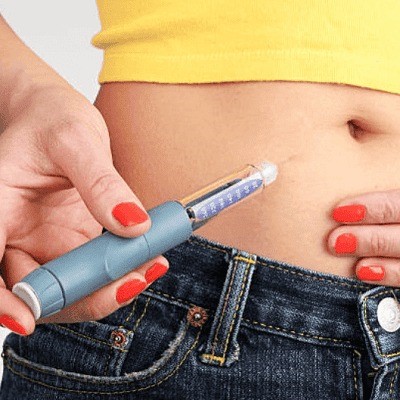
 Mounjaro Injection has become widely discussed in conversations about blood sugar management and weight loss. Its active ingredient, tirzepatide, belongs to a newer class of medicines that works on two important hormone pathways involved in appetite, digestion, blood sugar regulation, and energy balance. Because of these effects, many people are interested in understanding how Mounjaro Injection https://www.enfieldroyalclinics.om/cosmetic-injectables/mounjaro-injection/() may contribute to weight loss and what they should realistically expect from treatment.Mounjaro contains tirzepatide and is administered as a once-weekly subcutaneous injection. In the United States, Mounjaro is approved to improve blood sugar control in people with type 2 diabetes when used alongside diet and exercise. Tirzepatide is also approved under the brand name Zepbound for chronic weight management in eligible adults. Therefore, people considering treatment specifically for weight management should discuss the appropriate product and treatment plan with a qualified healthcare professional.What Is Mounjaro Injection and How Does It Work?Mounjaro Injection contains tirzepatide, a medication that activates receptors for two naturally occurring hormones: glucose-dependent insulinotropic polypeptide (GIP) and glucagon-like peptide-1 (GLP-1).These hormones are involved in regulating blood glucose and appetite. By activating both pathways, tirzepatide can influence several processes at the same time.One important effect is improved insulin response. Tirzepatide helps the body release insulin when blood glucose levels are elevated. It also reduces glucagon secretion in a glucose-dependent manner. These actions can help improve blood sugar control.The medication also affects the digestive system. Tirzepatide delays gastric emptying, meaning food can move through the stomach more slowly. This can contribute to a feeling of fullness after eating.Perhaps most importantly for weight management, tirzepatide acts on appetite-related pathways. It can reduce hunger and food intake, making it easier for some people to maintain a calorie deficit without experiencing the same level of hunger they may have encountered during previous weight-loss attempts.The combined action of GIP and GLP-1 is one reason tirzepatide can produce substantial weight reduction in appropriate patients.How Does Mounjaro Injection Support Weight Loss?Weight loss generally occurs when the body uses more energy than it receives from food over time. However, maintaining this energy deficit can be difficult because appetite and hunger are controlled by complex biological signals.Mounjaro Injection can influence these signals in several ways.First, reduced appetite may lead to smaller portions and fewer calories being consumed throughout the day. A person may find that previously tempting foods become less appealing or that smaller meals feel satisfying.Second, delayed gastric emptying may increase feelings of fullness. Instead of feeling hungry soon after a meal, some people may remain satisfied for longer.Third, tirzepatide affects metabolic pathways involved in glucose regulation. Better blood sugar control can be particularly relevant for people with type 2 diabetes, while the broader appetite and energy-balance effects contribute to weight management.Importantly, the medication does not simply "burn fat" on its own. Its weight-loss effect is primarily related to reduced food intake and changes in appetite and metabolic regulation. Healthy eating habits, appropriate physical activity, sleep, and long-term behavioral changes remain important parts of comprehensive weight management.What Does Research Say About Tirzepatide and Weight Loss?Clinical research has demonstrated significant weight-loss effects with tirzepatide in adults with obesity or overweight and weight-related health conditions.In the 72-week SURMOUNT-1 clinical trial, participants without diabetes received once-weekly tirzepatide at different doses or placebo alongside lifestyle intervention. Average weight reduction was approximately 15.0% with the 5 mg dose, 19.5% with 10 mg, and 20.9% with 15 mg, compared with about 3.1% with placebo. The study also found that a large majority of participants receiving tirzepatide achieved at least 5% weight loss.These figures should not be interpreted as a guaranteed result for every individual. Weight-loss response can vary considerably depending on factors such as starting weight, health conditions, genetics, eating patterns, activity level, medication adherence, and the dose tolerated.More recent research has also compared tirzepatide with semaglutide in adults with obesity who did not have type 2 diabetes. In the SURMOUNT-5 trial, the average weight reduction after 72 weeks was greater with tirzepatide than with semaglutide.The findings help explain why tirzepatide has attracted considerable attention as a medical treatment for obesity. However, clinical results should always be considered alongside individual suitability and safety.How Is Mounjaro Injection Taken?Mounjaro is administered as a subcutaneous injection, meaning it is injected underneath the skin rather than into a vein or muscle. The current U.S. prescribing information states that Mounjaro is administered once weekly and can be taken at any time of day, with or without food. The injection can be administered in areas such as the abdomen or thigh, while another person may administer it in the back of the upper arm. Injection sites should be rotated.Treatment generally begins with a lower dose, which can then be increased gradually according to the prescribing instructions and the individual's response and tolerability. Gradual dose escalation is important because gastrointestinal side effects can be more noticeable when treatment is started or the dose is increased.A healthcare professional can explain the correct injection technique, dosing schedule, storage requirements, and what to do if a dose is missed.People should not change the dose, take extra injections, or combine tirzepatide-containing medicines without professional guidance.What Are the Possible Side Effects of Mounjaro Injection?Like any prescription medicine, Mounjaro Injection can cause side effects. Gastrointestinal effects are among the most commonly reported. These may include nausea, diarrhea, decreased appetite, vomiting, constipation, indigestion, and abdominal discomfort.For many people, digestive symptoms are more noticeable during dose escalation and may become less troublesome as the body adjusts. Eating smaller meals, avoiding foods that worsen nausea, and staying adequately hydrated may help, although individual advice should come from a healthcare professional.There are also important safety considerations. The current prescribing information carries a boxed warning concerning thyroid C-cell tumors observed in rats. Because it is not known whether this finding applies to humans, Mounjaro is contraindicated in people with a personal or family history of medullary thyroid carcinoma or with Multiple Endocrine Neoplasia syndrome type 2.Other serious risks can include pancreatitis, severe hypersensitivity reactions, kidney problems related to dehydration, and gallbladder-related problems. The risk of low blood sugar may also increase when tirzepatide is used with certain diabetes medicines, particularly insulin or insulin secretagogues.Anyone experiencing severe or persistent symptoms should seek medical advice promptly.Who May Benefit From Tirzepatide for Weight Management?Tirzepatide may be considered for adults who meet medical criteria for prescription weight-management treatment. In the United States, the obesity-specific tirzepatide product is indicated alongside a reduced-calorie diet and increased physical activity for adults with obesity or adults who are overweight and have at least one weight-related health condition.Eligibility is not determined by weight alone. A healthcare professional may consider body mass index, existing medical conditions, current medications, previous weight-management attempts, family history, pregnancy status, and potential contraindications.The medication is not intended as a quick cosmetic solution or a substitute for healthy lifestyle habits. It is generally viewed as one component of a broader approach to managing excess weight and related health risks.People who are pregnant or planning pregnancy should discuss treatment with a healthcare professional because weight-loss medications are generally not appropriate during pregnancy. The current Mounjaro prescribing information states that tirzepatide may cause fetal harm based on animal studies.What Can People Expect During Mounjaro Weight-Loss Treatment?Weight loss with tirzepatide is typically a gradual process rather than an overnight change. Some people notice appetite changes relatively early, while meaningful changes in body weight generally develop over a longer period.The amount of weight lost can differ from one person to another. Clinical trials demonstrate average results across groups, but an individual's outcome may be higher or lower than the trial average.Long-term consistency is important. A sustainable eating pattern, adequate protein and nutrient intake, regular physical activity, sufficient sleep, and ongoing medical follow-up can all support treatment.It is also worth remembering that obesity is a chronic health condition. Weight can change when treatment is stopped, particularly if appetite-regulating effects are no longer present. Research has shown that continued tirzepatide treatment can maintain substantial weight reduction over longer periods. In a longer-term analysis, participants treated with tirzepatide for three years maintained significant weight reduction and had a substantially lower risk of progression from prediabetes to type 2 diabetes compared with placebo.This is why treatment decisions should focus not only on short-term weight loss but also on long-term health and weight-management goals.Frequently Asked Questions1. How does Mounjaro Injection help with weight loss?Mounjaro contains tirzepatide, which activates both GIP and GLP-1 receptors. These pathways influence appetite, food intake, insulin response, blood glucose regulation, and stomach emptying. Reduced appetite and increased feelings of fullness can result in lower calorie intake, contributing to weight loss.2. How quickly does Mounjaro Injection cause weight loss?The response varies from person to person. Some individuals notice reduced appetite relatively early, while measurable weight loss generally develops over weeks and continues with ongoing treatment. Clinical trials have evaluated weight changes over many months, rather than expecting immediate results.3. Is Mounjaro approved specifically for weight loss?In the United States, Mounjaro is approved for improving blood sugar control in people with type 2 diabetes. Tirzepatide is also available as Zepbound, which is specifically indicated for chronic weight management in eligible adults.4. What are the common side effects of Mounjaro Injection?Common side effects include nausea, diarrhea, decreased appetite, vomiting, constipation, indigestion, and abdominal pain. Gastrointestinal effects may be more noticeable during dose escalation.5. Can everyone use Mounjaro Injection for weight loss?No. Suitability depends on a person's health history, current medications, medical conditions, and treatment goals. Mounjaro is contraindicated in people with a personal or family history of medullary thyroid carcinoma or Multiple Endocrine Neoplasia syndrome type 2, as well as people with serious hypersensitivity to tirzepatide or its ingredients.6. Is Mounjaro Injection a replacement for diet and exercise?No. Tirzepatide is intended to be used as part of a broader medical approach. Nutrition, physical activity, sleep, and other healthy lifestyle measures remain important for supporting weight management and overall health. For obesity-specific treatment, the approved tirzepatide indication is used alongside a reduced-calorie diet and increased physical activity.Mounjaro Injection works through a combination of appetite regulation, delayed stomach emptying, and metabolic effects associated with GIP and GLP-1 receptor activation. Research shows that tirzepatide can produce substantial weight reduction in appropriate patients, but individual results and tolerability vary. Because it is a prescription medication with important contraindications and potential adverse effects, treatment should be evaluated and monitored by a qualified healthcare professional rather than approached as a simple weight-loss shortcut.Read More About Mounjaro Injection: https://b.cari.com.my/home.php?mod=space&uid=3172561&do=blog&quickforward=1&id=619668
  Mounjaro Injection has become widely discussed in conversations about blood sugar management and weight loss. Its active ingredient, tirzepatide, belongs to a newer class of medicines that works on two important hormone pathways involved in appetite, digestion, blood sugar regulation, and energy balance. Because of these effects, many people are interested in understanding how Mounjaro Injection https://www.enfieldroyalclinics.om/cosmetic-injectables/mounjaro-injection/() may contribute to weight loss and what they should realistically expect from treatment.Mounjaro contains tirzepatide and is administered as a once-weekly subcutaneous injection. In the United States, Mounjaro is approved to improve blood sugar control in people with type 2 diabetes when used alongside diet and exercise. Tirzepatide is also approved under the brand name Zepbound for chronic weight management in eligible adults. Therefore, people considering treatment specifically for weight management should discuss the appropriate product and treatment plan with a qualified healthcare professional.What Is Mounjaro Injection and How Does It Work?Mounjaro Injection contains tirzepatide, a medication that activates receptors for two naturally occurring hormones: glucose-dependent insulinotropic polypeptide (GIP) and glucagon-like peptide-1 (GLP-1).These hormones are involved in regulating blood glucose and appetite. By activating both pathways, tirzepatide can influence several processes at the same time.One important effect is improved insulin response. Tirzepatide helps the body release insulin when blood glucose levels are elevated. It also reduces glucagon secretion in a glucose-dependent manner. These actions can help improve blood sugar control.The medication also affects the digestive system. Tirzepatide delays gastric emptying, meaning food can move through the stomach more slowly. This can contribute to a feeling of fullness after eating.Perhaps most importantly for weight management, tirzepatide acts on appetite-related pathways. It can reduce hunger and food intake, making it easier for some people to maintain a calorie deficit without experiencing the same level of hunger they may have encountered during previous weight-loss attempts.The combined action of GIP and GLP-1 is one reason tirzepatide can produce substantial weight reduction in appropriate patients.How Does Mounjaro Injection Support Weight Loss?Weight loss generally occurs when the body uses more energy than it receives from food over time. However, maintaining this energy deficit can be difficult because appetite and hunger are controlled by complex biological signals.Mounjaro Injection can influence these signals in several ways.First, reduced appetite may lead to smaller portions and fewer calories being consumed throughout the day. A person may find that previously tempting foods become less appealing or that smaller meals feel satisfying.Second, delayed gastric emptying may increase feelings of fullness. Instead of feeling hungry soon after a meal, some people may remain satisfied for longer.Third, tirzepatide affects metabolic pathways involved in glucose regulation. Better blood sugar control can be particularly relevant for people with type 2 diabetes, while the broader appetite and energy-balance effects contribute to weight management.Importantly, the medication does not simply "burn fat" on its own. Its weight-loss effect is primarily related to reduced food intake and changes in appetite and metabolic regulation. Healthy eating habits, appropriate physical activity, sleep, and long-term behavioral changes remain important parts of comprehensive weight management.What Does Research Say About Tirzepatide and Weight Loss?Clinical research has demonstrated significant weight-loss effects with tirzepatide in adults with obesity or overweight and weight-related health conditions.In the 72-week SURMOUNT-1 clinical trial, participants without diabetes received once-weekly tirzepatide at different doses or placebo alongside lifestyle intervention. Average weight reduction was approximately 15.0% with the 5 mg dose, 19.5% with 10 mg, and 20.9% with 15 mg, compared with about 3.1% with placebo. The study also found that a large majority of participants receiving tirzepatide achieved at least 5% weight loss.These figures should not be interpreted as a guaranteed result for every individual. Weight-loss response can vary considerably depending on factors such as starting weight, health conditions, genetics, eating patterns, activity level, medication adherence, and the dose tolerated.More recent research has also compared tirzepatide with semaglutide in adults with obesity who did not have type 2 diabetes. In the SURMOUNT-5 trial, the average weight reduction after 72 weeks was greater with tirzepatide than with semaglutide.The findings help explain why tirzepatide has attracted considerable attention as a medical treatment for obesity. However, clinical results should always be considered alongside individual suitability and safety.How Is Mounjaro Injection Taken?Mounjaro is administered as a subcutaneous injection, meaning it is injected underneath the skin rather than into a vein or muscle. The current U.S. prescribing information states that Mounjaro is administered once weekly and can be taken at any time of day, with or without food. The injection can be administered in areas such as the abdomen or thigh, while another person may administer it in the back of the upper arm. Injection sites should be rotated.Treatment generally begins with a lower dose, which can then be increased gradually according to the prescribing instructions and the individual's response and tolerability. Gradual dose escalation is important because gastrointestinal side effects can be more noticeable when treatment is started or the dose is increased.A healthcare professional can explain the correct injection technique, dosing schedule, storage requirements, and what to do if a dose is missed.People should not change the dose, take extra injections, or combine tirzepatide-containing medicines without professional guidance.What Are the Possible Side Effects of Mounjaro Injection?Like any prescription medicine, Mounjaro Injection can cause side effects. Gastrointestinal effects are among the most commonly reported. These may include nausea, diarrhea, decreased appetite, vomiting, constipation, indigestion, and abdominal discomfort.For many people, digestive symptoms are more noticeable during dose escalation and may become less troublesome as the body adjusts. Eating smaller meals, avoiding foods that worsen nausea, and staying adequately hydrated may help, although individual advice should come from a healthcare professional.There are also important safety considerations. The current prescribing information carries a boxed warning concerning thyroid C-cell tumors observed in rats. Because it is not known whether this finding applies to humans, Mounjaro is contraindicated in people with a personal or family history of medullary thyroid carcinoma or with Multiple Endocrine Neoplasia syndrome type 2.Other serious risks can include pancreatitis, severe hypersensitivity reactions, kidney problems related to dehydration, and gallbladder-related problems. The risk of low blood sugar may also increase when tirzepatide is used with certain diabetes medicines, particularly insulin or insulin secretagogues.Anyone experiencing severe or persistent symptoms should seek medical advice promptly.Who May Benefit From Tirzepatide for Weight Management?Tirzepatide may be considered for adults who meet medical criteria for prescription weight-management treatment. In the United States, the obesity-specific tirzepatide product is indicated alongside a reduced-calorie diet and increased physical activity for adults with obesity or adults who are overweight and have at least one weight-related health condition.Eligibility is not determined by weight alone. A healthcare professional may consider body mass index, existing medical conditions, current medications, previous weight-management attempts, family history, pregnancy status, and potential contraindications.The medication is not intended as a quick cosmetic solution or a substitute for healthy lifestyle habits. It is generally viewed as one component of a broader approach to managing excess weight and related health risks.People who are pregnant or planning pregnancy should discuss treatment with a healthcare professional because weight-loss medications are generally not appropriate during pregnancy. The current Mounjaro prescribing information states that tirzepatide may cause fetal harm based on animal studies.What Can People Expect During Mounjaro Weight-Loss Treatment?Weight loss with tirzepatide is typically a gradual process rather than an overnight change. Some people notice appetite changes relatively early, while meaningful changes in body weight generally develop over a longer period.The amount of weight lost can differ from one person to another. Clinical trials demonstrate average results across groups, but an individual's outcome may be higher or lower than the trial average.Long-term consistency is important. A sustainable eating pattern, adequate protein and nutrient intake, regular physical activity, sufficient sleep, and ongoing medical follow-up can all support treatment.It is also worth remembering that obesity is a chronic health condition. Weight can change when treatment is stopped, particularly if appetite-regulating effects are no longer present. Research has shown that continued tirzepatide treatment can maintain substantial weight reduction over longer periods. In a longer-term analysis, participants treated with tirzepatide for three years maintained significant weight reduction and had a substantially lower risk of progression from prediabetes to type 2 diabetes compared with placebo.This is why treatment decisions should focus not only on short-term weight loss but also on long-term health and weight-management goals.Frequently Asked Questions1. How does Mounjaro Injection help with weight loss?Mounjaro contains tirzepatide, which activates both GIP and GLP-1 receptors. These pathways influence appetite, food intake, insulin response, blood glucose regulation, and stomach emptying. Reduced appetite and increased feelings of fullness can result in lower calorie intake, contributing to weight loss.2. How quickly does Mounjaro Injection cause weight loss?The response varies from person to person. Some individuals notice reduced appetite relatively early, while measurable weight loss generally develops over weeks and continues with ongoing treatment. Clinical trials have evaluated weight changes over many months, rather than expecting immediate results.3. Is Mounjaro approved specifically for weight loss?In the United States, Mounjaro is approved for improving blood sugar control in people with type 2 diabetes. Tirzepatide is also available as Zepbound, which is specifically indicated for chronic weight management in eligible adults.4. What are the common side effects of Mounjaro Injection?Common side effects include nausea, diarrhea, decreased appetite, vomiting, constipation, indigestion, and abdominal pain. Gastrointestinal effects may be more noticeable during dose escalation.5. Can everyone use Mounjaro Injection for weight loss?No. Suitability depends on a person's health history, current medications, medical conditions, and treatment goals. Mounjaro is contraindicated in people with a personal or family history of medullary thyroid carcinoma or Multiple Endocrine Neoplasia syndrome type 2, as well as people with serious hypersensitivity to tirzepatide or its ingredients.6. Is Mounjaro Injection a replacement for diet and exercise?No. Tirzepatide is intended to be used as part of a broader medical approach. Nutrition, physical activity, sleep, and other healthy lifestyle measures remain important for supporting weight management and overall health. For obesity-specific treatment, the approved tirzepatide indication is used alongside a reduced-calorie diet and increased physical activity.Mounjaro Injection works through a combination of appetite regulation, delayed stomach emptying, and metabolic effects associated with GIP and GLP-1 receptor activation. Research shows that tirzepatide can produce substantial weight reduction in appropriate patients, but individual results and tolerability vary. Because it is a prescription medication with important contraindications and potential adverse effects, treatment should be evaluated and monitored by a qualified healthcare professional rather than approached as a simple weight-loss shortcut.Read More About Mounjaro Injection: https://b.cari.com.my/home.php?mod=space&uid=3172561&do=blog&quickforward=1&id=619668
 Mon, 7 September 26 : 5:09 : Enfield Oman
Visit / Join Group to Reply