


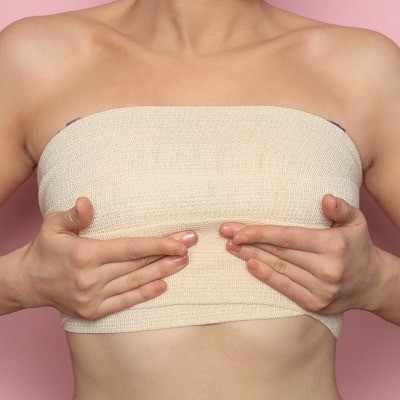
 Breast lift surgery, also known as mastopexy, is a cosmetic procedure designed to raise and reshape breasts that have lost their firmness or position over time. Changes in breast shape are common and can happen because of aging, pregnancy, breastfeeding, weight fluctuations, genetics, or changes in skin elasticity. For some people, these changes may affect confidence or make certain clothing styles less comfortable.A breast lift can help create a higher, more youthful breast position by removing excess skin and reshaping the existing breast tissue. However, it is not the right procedure for everyone. Understanding who may benefit from Breast Lift Surgery (https://www.enfieldroyalclinics.om/breast-surgery/breast-lift-surgery/), what the procedure can and cannot achieve, and what factors influence candidacy can help a person make a more informed decision.What Is Breast Lift Surgery?Breast lift surgery focuses primarily on improving the position and shape of the breasts rather than simply making them larger. During the procedure, excess skin may be removed, and the remaining breast tissue can be reshaped and repositioned. The nipple and areola may also be moved to a higher, more natural position when necessary.Unlike breast augmentation, a breast lift does not necessarily add volume. Someone who wants both a lifted appearance and increased breast size may discuss combining a lift with implants or another method of adding volume with a qualified plastic surgeon.The specific surgical approach depends on factors such as the degree of sagging, breast size and shape, skin elasticity, nipple position, and the person's desired outcome. A qualified surgeon can determine which technique is most appropriate after a physical examination and detailed consultation.Who Is a Good Candidate for Breast Lift Surgery?A good candidate is generally someone who is physically healthy, has realistic expectations, and is bothered by breast sagging or changes in breast shape. There is no single body type or age that automatically determines whether someone is suitable for the procedure.Breast lift surgery may be worth considering when:The breasts have become noticeably droopy or lower on the chest.The nipples point downward or sit below the natural breast crease.The breasts have lost firmness following pregnancy, breastfeeding, aging, or weight changes.One breast sits noticeably lower than the other.The skin has stretched and there is excess tissue.The person is generally healthy enough to undergo elective surgery.The person has realistic expectations about what surgery can accomplish.The breasts have remained relatively stable in size for some time.The individual understands that surgery creates scars and is prepared to follow aftercare instructions.A consultation is important because breast appearance varies considerably from person to person. Someone with mild sagging may need a different surgical approach from someone with significant excess skin and a lower nipple position.Breast Changes After Pregnancy and Weight LossPregnancy is one of the most common reasons people consider a breast lift. During pregnancy, breast tissue can expand as the breasts increase in size. After pregnancy and breastfeeding, the breasts may lose some of their previous volume, while stretched skin may remain.Significant weight loss can create a similar effect. When breast volume decreases, the skin may not contract completely, resulting in a flatter or sagging appearance.A breast lift can address loose skin and reposition breast tissue, but timing matters. People who are planning another pregnancy may prefer to postpone surgery because future pregnancy can change the breast shape again. Similarly, individuals who are still actively losing a substantial amount of weight may benefit from reaching a stable weight before considering surgery.This does not mean that pregnancy or breastfeeding automatically makes someone unsuitable. Instead, the timing and individual circumstances should be discussed during a surgical consultation.When Might Breast Lift Surgery Not Be the Right Choice?Although breast lift surgery can produce meaningful changes, it is not always the best option.Someone who mainly wants larger breasts without significant sagging may be better suited to breast augmentation. Conversely, someone with substantial sagging may require a lift rather than augmentation alone. In some cases, a combination approach may be considered.Surgery may also be postponed if a person has certain uncontrolled medical conditions, is actively smoking or using nicotine products, has unrealistic expectations, or is not prepared for the recovery process. A surgeon may recommend addressing certain health or lifestyle factors before proceeding.People who are considering future pregnancy may also choose to wait. While breast lift surgery does not necessarily prevent breastfeeding, pregnancy and breastfeeding can alter the surgical result, and individual outcomes vary.The decision should therefore be based on health, anatomy, goals, and timing rather than simply whether someone wants a cosmetic change.What Happens During a Breast Lift?The exact surgical technique varies according to the amount of sagging and the desired result. In general, the surgeon makes carefully planned incisions, removes or redistributes excess skin, reshapes the breast tissue, and repositions the nipple and areola when needed.Several incision patterns may be used. A person with relatively mild sagging may require less extensive incisions, while more pronounced sagging can require a larger incision pattern.The procedure is typically performed under anesthesia, and the length of surgery depends on the technique and whether other procedures are performed at the same time.One important consideration is scarring. Incisions are designed to minimize visible scarring as much as possible, but scars are a normal part of breast lift surgery. They usually fade and soften over time, although their final appearance varies between individuals.Recovery and What Candidates Should ExpectRecovery is an important part of determining whether breast lift surgery is suitable. Most people need some time away from strenuous activities and should follow their surgeon's postoperative instructions carefully.Swelling, bruising, tenderness, tightness, and changes in sensation can occur during the early recovery period. These effects generally improve as healing progresses, although recovery varies.A supportive surgical bra or similar garment may be recommended. Heavy lifting, strenuous exercise, and other activities that place stress on healing tissues are usually restricted for a period determined by the surgical team.The final breast shape does not appear immediately. Swelling gradually decreases, the tissues settle, and scars continue to mature over several months. Patience is therefore an important part of the recovery process.Potential complications can include infection, bleeding, changes in nipple or breast sensation, delayed wound healing, asymmetry, unfavorable scarring, and changes in breast shape. Although serious complications are uncommon, every surgical procedure carries risks. A qualified plastic surgeon should explain these risks during the consultation.How Can Someone Prepare for Breast Lift Surgery?Preparation can contribute to a smoother surgical experience and recovery. During the consultation, the surgeon typically reviews medical history, medications, previous surgeries, allergies, lifestyle factors, and cosmetic goals.A candidate should provide complete and accurate health information. Certain medications and supplements may need to be adjusted before surgery, but changes should only be made according to medical advice.Maintaining a stable weight can also be helpful because major weight changes after surgery may affect the result. People who smoke or use nicotine should discuss this openly with their healthcare provider because nicotine can interfere with wound healing.Practical preparation is equally important. Arranging transportation after surgery, organizing comfortable clothing, preparing a suitable recovery area, and having assistance available during the initial recovery period can make the process easier.Most importantly, a candidate should understand the expected result rather than aiming for perfection. Breast lift surgery can improve breast position and contour, but natural asymmetry and individual anatomical differences remain possible.What Results Can Breast Lift Surgery Provide?A breast lift can make the breasts appear higher, firmer, and more youthful in position. It may also improve the relationship between the nipple, breast tissue, and chest wall.The procedure can address sagging and excess skin, but it does not stop the natural aging process. Future pregnancy, breastfeeding, significant weight changes, and changes in skin elasticity can influence the breasts over time.The result is also affected by the individual's starting anatomy and the surgical technique used. Someone with strong skin elasticity may experience a different long-term result from someone with very loose or stretched skin.For this reason, the best candidates generally approach surgery with realistic expectations. The goal is improvement rather than guaranteeing a permanently unchanged appearance.Frequently Asked Questions1. Is there a specific age for Breast Lift Surgery?There is no universal age requirement that makes someone automatically suitable. Candidacy is generally based on physical health, breast development, skin condition, individual concerns, and expectations. A qualified plastic surgeon can assess whether the procedure is appropriate.2. Can a breast lift increase breast size?A breast lift primarily raises and reshapes the existing breast tissue. It does not necessarily increase breast volume. Someone who wants both increased size and a lifted position may discuss augmentation or other volume-enhancing options with a qualified surgeon.3. Can someone have a breast lift after breastfeeding?Yes. Many people consider a breast lift after pregnancy and breastfeeding because the breasts may change in volume and position. It is generally sensible to wait until breastfeeding has ended and breast size has stabilized before evaluating the surgical result that can be achieved.4. Will breast lift surgery leave scars?Yes. Scarring is an expected part of breast lift surgery because incisions are required to remove excess skin and reshape the breast. The location and extent of scars depend on the surgical technique. Scars typically mature and become less noticeable over time, although they do not completely disappear.5. How long do the results of a breast lift last?The results can be long-lasting, but they are not completely permanent. Aging, pregnancy, significant weight fluctuations, genetics, and changes in skin elasticity can gradually affect breast position. Maintaining a relatively stable weight and following postoperative guidance may help support the result.6. Is Breast Lift Surgery safe?Breast lift surgery is generally considered a commonly performed cosmetic procedure, but it still carries surgical risks. Possible complications include infection, bleeding, wound-healing problems, changes in sensation, asymmetry, and scarring. A consultation with a qualified, appropriately trained plastic surgeon is essential for assessing individual risks and suitability.Read More About Breast Lift Surgery: https://b.cari.com.my/home.php?mod=space&uid=3172561&do=blog&quickforward=1&id=619111
  Breast lift surgery, also known as mastopexy, is a cosmetic procedure designed to raise and reshape breasts that have lost their firmness or position over time. Changes in breast shape are common and can happen because of aging, pregnancy, breastfeeding, weight fluctuations, genetics, or changes in skin elasticity. For some people, these changes may affect confidence or make certain clothing styles less comfortable.A breast lift can help create a higher, more youthful breast position by removing excess skin and reshaping the existing breast tissue. However, it is not the right procedure for everyone. Understanding who may benefit from Breast Lift Surgery (https://www.enfieldroyalclinics.om/breast-surgery/breast-lift-surgery/), what the procedure can and cannot achieve, and what factors influence candidacy can help a person make a more informed decision.What Is Breast Lift Surgery?Breast lift surgery focuses primarily on improving the position and shape of the breasts rather than simply making them larger. During the procedure, excess skin may be removed, and the remaining breast tissue can be reshaped and repositioned. The nipple and areola may also be moved to a higher, more natural position when necessary.Unlike breast augmentation, a breast lift does not necessarily add volume. Someone who wants both a lifted appearance and increased breast size may discuss combining a lift with implants or another method of adding volume with a qualified plastic surgeon.The specific surgical approach depends on factors such as the degree of sagging, breast size and shape, skin elasticity, nipple position, and the person's desired outcome. A qualified surgeon can determine which technique is most appropriate after a physical examination and detailed consultation.Who Is a Good Candidate for Breast Lift Surgery?A good candidate is generally someone who is physically healthy, has realistic expectations, and is bothered by breast sagging or changes in breast shape. There is no single body type or age that automatically determines whether someone is suitable for the procedure.Breast lift surgery may be worth considering when:The breasts have become noticeably droopy or lower on the chest.The nipples point downward or sit below the natural breast crease.The breasts have lost firmness following pregnancy, breastfeeding, aging, or weight changes.One breast sits noticeably lower than the other.The skin has stretched and there is excess tissue.The person is generally healthy enough to undergo elective surgery.The person has realistic expectations about what surgery can accomplish.The breasts have remained relatively stable in size for some time.The individual understands that surgery creates scars and is prepared to follow aftercare instructions.A consultation is important because breast appearance varies considerably from person to person. Someone with mild sagging may need a different surgical approach from someone with significant excess skin and a lower nipple position.Breast Changes After Pregnancy and Weight LossPregnancy is one of the most common reasons people consider a breast lift. During pregnancy, breast tissue can expand as the breasts increase in size. After pregnancy and breastfeeding, the breasts may lose some of their previous volume, while stretched skin may remain.Significant weight loss can create a similar effect. When breast volume decreases, the skin may not contract completely, resulting in a flatter or sagging appearance.A breast lift can address loose skin and reposition breast tissue, but timing matters. People who are planning another pregnancy may prefer to postpone surgery because future pregnancy can change the breast shape again. Similarly, individuals who are still actively losing a substantial amount of weight may benefit from reaching a stable weight before considering surgery.This does not mean that pregnancy or breastfeeding automatically makes someone unsuitable. Instead, the timing and individual circumstances should be discussed during a surgical consultation.When Might Breast Lift Surgery Not Be the Right Choice?Although breast lift surgery can produce meaningful changes, it is not always the best option.Someone who mainly wants larger breasts without significant sagging may be better suited to breast augmentation. Conversely, someone with substantial sagging may require a lift rather than augmentation alone. In some cases, a combination approach may be considered.Surgery may also be postponed if a person has certain uncontrolled medical conditions, is actively smoking or using nicotine products, has unrealistic expectations, or is not prepared for the recovery process. A surgeon may recommend addressing certain health or lifestyle factors before proceeding.People who are considering future pregnancy may also choose to wait. While breast lift surgery does not necessarily prevent breastfeeding, pregnancy and breastfeeding can alter the surgical result, and individual outcomes vary.The decision should therefore be based on health, anatomy, goals, and timing rather than simply whether someone wants a cosmetic change.What Happens During a Breast Lift?The exact surgical technique varies according to the amount of sagging and the desired result. In general, the surgeon makes carefully planned incisions, removes or redistributes excess skin, reshapes the breast tissue, and repositions the nipple and areola when needed.Several incision patterns may be used. A person with relatively mild sagging may require less extensive incisions, while more pronounced sagging can require a larger incision pattern.The procedure is typically performed under anesthesia, and the length of surgery depends on the technique and whether other procedures are performed at the same time.One important consideration is scarring. Incisions are designed to minimize visible scarring as much as possible, but scars are a normal part of breast lift surgery. They usually fade and soften over time, although their final appearance varies between individuals.Recovery and What Candidates Should ExpectRecovery is an important part of determining whether breast lift surgery is suitable. Most people need some time away from strenuous activities and should follow their surgeon's postoperative instructions carefully.Swelling, bruising, tenderness, tightness, and changes in sensation can occur during the early recovery period. These effects generally improve as healing progresses, although recovery varies.A supportive surgical bra or similar garment may be recommended. Heavy lifting, strenuous exercise, and other activities that place stress on healing tissues are usually restricted for a period determined by the surgical team.The final breast shape does not appear immediately. Swelling gradually decreases, the tissues settle, and scars continue to mature over several months. Patience is therefore an important part of the recovery process.Potential complications can include infection, bleeding, changes in nipple or breast sensation, delayed wound healing, asymmetry, unfavorable scarring, and changes in breast shape. Although serious complications are uncommon, every surgical procedure carries risks. A qualified plastic surgeon should explain these risks during the consultation.How Can Someone Prepare for Breast Lift Surgery?Preparation can contribute to a smoother surgical experience and recovery. During the consultation, the surgeon typically reviews medical history, medications, previous surgeries, allergies, lifestyle factors, and cosmetic goals.A candidate should provide complete and accurate health information. Certain medications and supplements may need to be adjusted before surgery, but changes should only be made according to medical advice.Maintaining a stable weight can also be helpful because major weight changes after surgery may affect the result. People who smoke or use nicotine should discuss this openly with their healthcare provider because nicotine can interfere with wound healing.Practical preparation is equally important. Arranging transportation after surgery, organizing comfortable clothing, preparing a suitable recovery area, and having assistance available during the initial recovery period can make the process easier.Most importantly, a candidate should understand the expected result rather than aiming for perfection. Breast lift surgery can improve breast position and contour, but natural asymmetry and individual anatomical differences remain possible.What Results Can Breast Lift Surgery Provide?A breast lift can make the breasts appear higher, firmer, and more youthful in position. It may also improve the relationship between the nipple, breast tissue, and chest wall.The procedure can address sagging and excess skin, but it does not stop the natural aging process. Future pregnancy, breastfeeding, significant weight changes, and changes in skin elasticity can influence the breasts over time.The result is also affected by the individual's starting anatomy and the surgical technique used. Someone with strong skin elasticity may experience a different long-term result from someone with very loose or stretched skin.For this reason, the best candidates generally approach surgery with realistic expectations. The goal is improvement rather than guaranteeing a permanently unchanged appearance.Frequently Asked Questions1. Is there a specific age for Breast Lift Surgery?There is no universal age requirement that makes someone automatically suitable. Candidacy is generally based on physical health, breast development, skin condition, individual concerns, and expectations. A qualified plastic surgeon can assess whether the procedure is appropriate.2. Can a breast lift increase breast size?A breast lift primarily raises and reshapes the existing breast tissue. It does not necessarily increase breast volume. Someone who wants both increased size and a lifted position may discuss augmentation or other volume-enhancing options with a qualified surgeon.3. Can someone have a breast lift after breastfeeding?Yes. Many people consider a breast lift after pregnancy and breastfeeding because the breasts may change in volume and position. It is generally sensible to wait until breastfeeding has ended and breast size has stabilized before evaluating the surgical result that can be achieved.4. Will breast lift surgery leave scars?Yes. Scarring is an expected part of breast lift surgery because incisions are required to remove excess skin and reshape the breast. The location and extent of scars depend on the surgical technique. Scars typically mature and become less noticeable over time, although they do not completely disappear.5. How long do the results of a breast lift last?The results can be long-lasting, but they are not completely permanent. Aging, pregnancy, significant weight fluctuations, genetics, and changes in skin elasticity can gradually affect breast position. Maintaining a relatively stable weight and following postoperative guidance may help support the result.6. Is Breast Lift Surgery safe?Breast lift surgery is generally considered a commonly performed cosmetic procedure, but it still carries surgical risks. Possible complications include infection, bleeding, wound-healing problems, changes in sensation, asymmetry, and scarring. A consultation with a qualified, appropriately trained plastic surgeon is essential for assessing individual risks and suitability.Read More About Breast Lift Surgery: https://b.cari.com.my/home.php?mod=space&uid=3172561&do=blog&quickforward=1&id=619111
 Mon, 31 August 26 : 5:08 : Enfield Oman
Visit / Join Group to Reply