


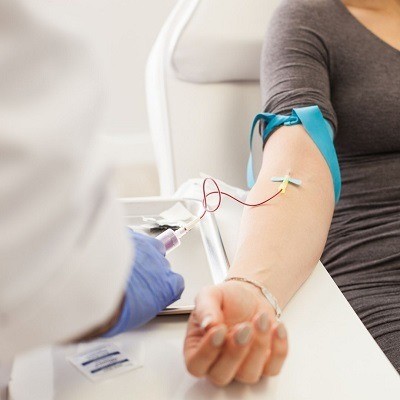
 For someone who is new to wellness treatments, the term IV Drip can sound a little unfamiliar. It has become increasingly discussed in wellness and healthcare settings, but many people still wonder what an IV drip actually does, why someone might choose one, and whether it is suitable for everyone.An IV Drip (https://www.enfieldroyalclinics.om/iv-drip/), short for intravenous drip, delivers fluids, electrolytes, vitamins, minerals, or certain medications directly into a vein through a small catheter. Because the substances enter the bloodstream directly, the process is different from taking a tablet or drinking a beverage.However, an IV drip is still a medical procedure. It should not be viewed as a quick solution for every health or wellness concern. The appropriate ingredients, dosage, and treatment plan depend on an individual's health needs and should be determined by a qualified healthcare professional.For beginners, understanding how IV therapy works, what it may be used for, what to expect, and what safety considerations matter can make the experience much less confusing.What Is an IV Drip?An IV Drip is a method of delivering fluids or other substances directly into the bloodstream through an intravenous line. A healthcare professional typically places a small catheter into a vein, often in the arm or hand. The catheter is connected to a bag containing the prescribed fluid or treatment solution.The fluid gradually moves through the IV line and into the bloodstream. Depending on the purpose of treatment, an IV solution may contain fluids and electrolytes or may include specific vitamins, minerals, medications, or other medically appropriate ingredients.One of the main differences between intravenous treatment and oral supplements is the route of administration. Oral products must pass through the digestive system before their contents are absorbed. IV administration bypasses the digestive tract and introduces the prescribed substance directly into circulation.That does not automatically mean an IV drip is better than oral treatment. Different treatments are appropriate for different situations. An IV may be medically useful when a person needs fluid replacement, cannot take something effectively by mouth, or requires medication through a vein.For wellness-focused IV services, the exact formulation can vary considerably. This is why a proper assessment is important before treatment rather than choosing an IV drip solely because of a particular ingredient or advertised benefit.Why Do People Consider IV Drip Therapy?There are several legitimate medical reasons for intravenous therapy. Hospitals and healthcare facilities have used IV fluids and medications for many years to support people who need hydration, electrolyte replacement, or medication delivered directly into the bloodstream.In some settings, IV treatment may be considered when someone has significant fluid loss, is unable to drink adequately, or requires a medication that is intended to be administered intravenously.Some wellness services also offer IV formulations containing vitamins or other nutrients. People may seek these services for reasons such as general wellness, recovery after certain situations, or concerns about hydration and nutrient intake.It is important, however, to separate established medical uses from broad wellness claims. An IV drip should not automatically be assumed to improve energy, immunity, athletic performance, skin appearance, or other health outcomes simply because a solution contains vitamins.A person's underlying health, nutritional status, lifestyle, and medical history all influence whether a particular treatment makes sense.What Happens During an IV Drip Treatment?For a first-time patient, knowing what happens during an IV treatment can help reduce uncertainty.The process usually begins with a health assessment. A qualified healthcare professional may ask about existing medical conditions, allergies, medications, previous reactions to IV treatment, pregnancy status when relevant, and the reason for considering IV therapy.If intravenous treatment is considered appropriate, the healthcare professional selects a suitable vein and cleans the area. A small sterile catheter is then inserted into the vein and connected to the IV tubing.The solution is delivered gradually rather than being injected all at once. Treatment time can vary depending on the type and amount of fluid being administered.During the session, the person may sit or recline. The healthcare professional may monitor the IV site and the person's general condition throughout the process.A small amount of discomfort can occur when the catheter is inserted. Some people may notice mild pressure, coolness, or an unusual sensation as the fluid enters the vein. Significant pain, swelling, burning, dizziness, difficulty breathing, or other concerning symptoms should be reported immediately.After the treatment, the catheter is removed and the area is usually covered with a small dressing. The person may generally return to normal activities depending on the treatment received and the advice provided by the healthcare professional.What Are the Potential Benefits of IV Drip Therapy?The potential benefit of an IV drip depends heavily on what is being administered and why it is being used.One of the clearest medical purposes of IV therapy is fluid replacement. Intravenous fluids can be useful when a person needs hydration and cannot adequately replace fluids through drinking alone or requires more controlled medical management.IV administration can also be useful for delivering certain medications when intravenous administration is medically indicated.Some IV wellness treatments contain nutrients such as vitamins or minerals. While nutrients are essential for normal body function, receiving them intravenously is not necessarily beneficial for someone who already receives sufficient amounts through food or appropriate oral supplementation.For people with a documented deficiency or a medical condition affecting nutrient absorption, a healthcare professional may recommend a specific treatment based on the individual's circumstances.This distinction is important because IV therapy is sometimes promoted with very broad claims. A responsible approach focuses on the person's actual health needs rather than assuming that more vitamins or faster delivery will always produce better results.Are IV Drips Safe for Everyone?An IV drip can be appropriate and safe when it is medically indicated and administered correctly, but it is not suitable for everyone.Because the treatment involves entering a vein and introducing substances directly into the bloodstream, proper screening and sterile technique are essential.Possible risks can include bruising, discomfort, bleeding, irritation, inflammation of the vein, infection, or problems related to the specific fluid or medication being administered. Inappropriate fluid amounts or certain ingredients can also be problematic for people with particular medical conditions.For example, individuals with certain heart, kidney, or other health conditions may require special consideration before receiving IV fluids. People with allergies or medication sensitivities also need to communicate this information before treatment.A qualified healthcare professional should review relevant medical history and determine whether an IV drip is appropriate. A person should also provide a complete list of medications and supplements when asked.The safest approach is to avoid treating IV therapy as a routine beauty or wellness procedure without considering the medical aspects involved.How Can Beginners Prepare for an IV Drip?Preparation is generally straightforward, but a few practical steps can make the experience easier.First, the person should provide accurate information about their health history. This includes existing medical conditions, allergies, medications, supplements, previous reactions to IV treatment, and any other information requested during the assessment.Staying normally hydrated may be appropriate for some people, but the healthcare professional's instructions should take priority. There is no need to make extreme changes to fluid intake unless specifically advised.Wearing comfortable clothing can also be helpful, particularly if the IV will be placed in the arm. Some people prefer to eat a normal meal beforehand unless they have been given different instructions.During the treatment, the person should remain comfortable and avoid unnecessarily moving the arm containing the IV line.Most importantly, unusual symptoms should never be ignored. If the IV site becomes increasingly painful, swollen, red, or uncomfortable, it should be brought to the healthcare professional's attention.How Should Someone Choose an IV Drip Treatment?For beginners, choosing an IV drip should start with the reason for treatment rather than the name of a particular formula.A person considering IV therapy can ask several useful questions:What is the medical or wellness purpose of this treatment?What ingredients will be included?Why are those ingredients appropriate for the individual?Are there any medical conditions or medications that could make the treatment unsuitable?What side effects or risks should be expected?Who will administer the IV and monitor the treatment?What should the person do if a reaction occurs?These questions can help distinguish informed healthcare from generalized marketing claims.It is also worth remembering that an IV drip does not replace basic health habits. Balanced nutrition, adequate sleep, regular physical activity, appropriate hydration, and routine medical care remain important parts of overall health.If someone has persistent fatigue, weakness, frequent illness, dehydration, or another unexplained symptom, an underlying health issue should be evaluated rather than simply relying on IV wellness treatments.Frequently Asked Questions About IV Drip1. What is an IV Drip used for?An IV drip can be used to deliver fluids, electrolytes, medications, and certain nutrients directly into the bloodstream. Its most appropriate use depends on the person's health needs and the substance being administered.2. How long does an IV Drip take?Treatment time varies depending on the type and volume of fluid or medication being given, as well as the individual's circumstances. A healthcare professional can provide a more accurate estimate before treatment begins.3. Does an IV Drip hurt?There may be brief discomfort when the IV catheter is inserted. Some people experience mild pressure or coolness during the infusion. Significant pain or increasing discomfort should be reported to the healthcare professional.4. Can everyone receive an IV Drip?No. IV therapy may not be appropriate for everyone. Certain medical conditions, allergies, medications, and fluid or electrolyte concerns can affect whether a particular IV treatment is suitable. A proper health assessment should take place beforehand.5. Are IV Drips better than oral vitamins?Not necessarily. IV administration has specific medical advantages in certain circumstances, but it does not automatically make nutrients more effective than oral supplements. The appropriate method depends on the individual's nutritional and medical needs.6. What should someone do after an IV Drip?After treatment, a person should follow the healthcare professional's instructions. The IV site should be monitored for unusual swelling, redness, pain, or other concerning changes. Any significant or unexpected symptoms should receive prompt medical attention.Final Thoughts on IV Drip TherapyAn IV Drip is a method of delivering fluids, medications, electrolytes, or selected nutrients directly into the bloodstream. For appropriate medical situations, intravenous therapy can be a valuable treatment method. However, it is not a universal solution for fatigue, dehydration, nutrient concerns, or general wellness.Beginners can make better decisions by understanding the purpose of the treatment, asking what will be administered, discussing relevant health conditions and medications, and ensuring that the procedure is performed by appropriately qualified healthcare professionals.The most useful approach is personalized rather than trend-driven. When IV therapy is medically appropriate, careful assessment and proper administration can help reduce unnecessary risks and ensure that treatment is being used for a sensible reason.Read More About IV Drip: https://b.cari.com.my/home.php?mod=space&uid=3172561&do=blog&quickforward=1&id=618944
  For someone who is new to wellness treatments, the term IV Drip can sound a little unfamiliar. It has become increasingly discussed in wellness and healthcare settings, but many people still wonder what an IV drip actually does, why someone might choose one, and whether it is suitable for everyone.An IV Drip (https://www.enfieldroyalclinics.om/iv-drip/), short for intravenous drip, delivers fluids, electrolytes, vitamins, minerals, or certain medications directly into a vein through a small catheter. Because the substances enter the bloodstream directly, the process is different from taking a tablet or drinking a beverage.However, an IV drip is still a medical procedure. It should not be viewed as a quick solution for every health or wellness concern. The appropriate ingredients, dosage, and treatment plan depend on an individual's health needs and should be determined by a qualified healthcare professional.For beginners, understanding how IV therapy works, what it may be used for, what to expect, and what safety considerations matter can make the experience much less confusing.What Is an IV Drip?An IV Drip is a method of delivering fluids or other substances directly into the bloodstream through an intravenous line. A healthcare professional typically places a small catheter into a vein, often in the arm or hand. The catheter is connected to a bag containing the prescribed fluid or treatment solution.The fluid gradually moves through the IV line and into the bloodstream. Depending on the purpose of treatment, an IV solution may contain fluids and electrolytes or may include specific vitamins, minerals, medications, or other medically appropriate ingredients.One of the main differences between intravenous treatment and oral supplements is the route of administration. Oral products must pass through the digestive system before their contents are absorbed. IV administration bypasses the digestive tract and introduces the prescribed substance directly into circulation.That does not automatically mean an IV drip is better than oral treatment. Different treatments are appropriate for different situations. An IV may be medically useful when a person needs fluid replacement, cannot take something effectively by mouth, or requires medication through a vein.For wellness-focused IV services, the exact formulation can vary considerably. This is why a proper assessment is important before treatment rather than choosing an IV drip solely because of a particular ingredient or advertised benefit.Why Do People Consider IV Drip Therapy?There are several legitimate medical reasons for intravenous therapy. Hospitals and healthcare facilities have used IV fluids and medications for many years to support people who need hydration, electrolyte replacement, or medication delivered directly into the bloodstream.In some settings, IV treatment may be considered when someone has significant fluid loss, is unable to drink adequately, or requires a medication that is intended to be administered intravenously.Some wellness services also offer IV formulations containing vitamins or other nutrients. People may seek these services for reasons such as general wellness, recovery after certain situations, or concerns about hydration and nutrient intake.It is important, however, to separate established medical uses from broad wellness claims. An IV drip should not automatically be assumed to improve energy, immunity, athletic performance, skin appearance, or other health outcomes simply because a solution contains vitamins.A person's underlying health, nutritional status, lifestyle, and medical history all influence whether a particular treatment makes sense.What Happens During an IV Drip Treatment?For a first-time patient, knowing what happens during an IV treatment can help reduce uncertainty.The process usually begins with a health assessment. A qualified healthcare professional may ask about existing medical conditions, allergies, medications, previous reactions to IV treatment, pregnancy status when relevant, and the reason for considering IV therapy.If intravenous treatment is considered appropriate, the healthcare professional selects a suitable vein and cleans the area. A small sterile catheter is then inserted into the vein and connected to the IV tubing.The solution is delivered gradually rather than being injected all at once. Treatment time can vary depending on the type and amount of fluid being administered.During the session, the person may sit or recline. The healthcare professional may monitor the IV site and the person's general condition throughout the process.A small amount of discomfort can occur when the catheter is inserted. Some people may notice mild pressure, coolness, or an unusual sensation as the fluid enters the vein. Significant pain, swelling, burning, dizziness, difficulty breathing, or other concerning symptoms should be reported immediately.After the treatment, the catheter is removed and the area is usually covered with a small dressing. The person may generally return to normal activities depending on the treatment received and the advice provided by the healthcare professional.What Are the Potential Benefits of IV Drip Therapy?The potential benefit of an IV drip depends heavily on what is being administered and why it is being used.One of the clearest medical purposes of IV therapy is fluid replacement. Intravenous fluids can be useful when a person needs hydration and cannot adequately replace fluids through drinking alone or requires more controlled medical management.IV administration can also be useful for delivering certain medications when intravenous administration is medically indicated.Some IV wellness treatments contain nutrients such as vitamins or minerals. While nutrients are essential for normal body function, receiving them intravenously is not necessarily beneficial for someone who already receives sufficient amounts through food or appropriate oral supplementation.For people with a documented deficiency or a medical condition affecting nutrient absorption, a healthcare professional may recommend a specific treatment based on the individual's circumstances.This distinction is important because IV therapy is sometimes promoted with very broad claims. A responsible approach focuses on the person's actual health needs rather than assuming that more vitamins or faster delivery will always produce better results.Are IV Drips Safe for Everyone?An IV drip can be appropriate and safe when it is medically indicated and administered correctly, but it is not suitable for everyone.Because the treatment involves entering a vein and introducing substances directly into the bloodstream, proper screening and sterile technique are essential.Possible risks can include bruising, discomfort, bleeding, irritation, inflammation of the vein, infection, or problems related to the specific fluid or medication being administered. Inappropriate fluid amounts or certain ingredients can also be problematic for people with particular medical conditions.For example, individuals with certain heart, kidney, or other health conditions may require special consideration before receiving IV fluids. People with allergies or medication sensitivities also need to communicate this information before treatment.A qualified healthcare professional should review relevant medical history and determine whether an IV drip is appropriate. A person should also provide a complete list of medications and supplements when asked.The safest approach is to avoid treating IV therapy as a routine beauty or wellness procedure without considering the medical aspects involved.How Can Beginners Prepare for an IV Drip?Preparation is generally straightforward, but a few practical steps can make the experience easier.First, the person should provide accurate information about their health history. This includes existing medical conditions, allergies, medications, supplements, previous reactions to IV treatment, and any other information requested during the assessment.Staying normally hydrated may be appropriate for some people, but the healthcare professional's instructions should take priority. There is no need to make extreme changes to fluid intake unless specifically advised.Wearing comfortable clothing can also be helpful, particularly if the IV will be placed in the arm. Some people prefer to eat a normal meal beforehand unless they have been given different instructions.During the treatment, the person should remain comfortable and avoid unnecessarily moving the arm containing the IV line.Most importantly, unusual symptoms should never be ignored. If the IV site becomes increasingly painful, swollen, red, or uncomfortable, it should be brought to the healthcare professional's attention.How Should Someone Choose an IV Drip Treatment?For beginners, choosing an IV drip should start with the reason for treatment rather than the name of a particular formula.A person considering IV therapy can ask several useful questions:What is the medical or wellness purpose of this treatment?What ingredients will be included?Why are those ingredients appropriate for the individual?Are there any medical conditions or medications that could make the treatment unsuitable?What side effects or risks should be expected?Who will administer the IV and monitor the treatment?What should the person do if a reaction occurs?These questions can help distinguish informed healthcare from generalized marketing claims.It is also worth remembering that an IV drip does not replace basic health habits. Balanced nutrition, adequate sleep, regular physical activity, appropriate hydration, and routine medical care remain important parts of overall health.If someone has persistent fatigue, weakness, frequent illness, dehydration, or another unexplained symptom, an underlying health issue should be evaluated rather than simply relying on IV wellness treatments.Frequently Asked Questions About IV Drip1. What is an IV Drip used for?An IV drip can be used to deliver fluids, electrolytes, medications, and certain nutrients directly into the bloodstream. Its most appropriate use depends on the person's health needs and the substance being administered.2. How long does an IV Drip take?Treatment time varies depending on the type and volume of fluid or medication being given, as well as the individual's circumstances. A healthcare professional can provide a more accurate estimate before treatment begins.3. Does an IV Drip hurt?There may be brief discomfort when the IV catheter is inserted. Some people experience mild pressure or coolness during the infusion. Significant pain or increasing discomfort should be reported to the healthcare professional.4. Can everyone receive an IV Drip?No. IV therapy may not be appropriate for everyone. Certain medical conditions, allergies, medications, and fluid or electrolyte concerns can affect whether a particular IV treatment is suitable. A proper health assessment should take place beforehand.5. Are IV Drips better than oral vitamins?Not necessarily. IV administration has specific medical advantages in certain circumstances, but it does not automatically make nutrients more effective than oral supplements. The appropriate method depends on the individual's nutritional and medical needs.6. What should someone do after an IV Drip?After treatment, a person should follow the healthcare professional's instructions. The IV site should be monitored for unusual swelling, redness, pain, or other concerning changes. Any significant or unexpected symptoms should receive prompt medical attention.Final Thoughts on IV Drip TherapyAn IV Drip is a method of delivering fluids, medications, electrolytes, or selected nutrients directly into the bloodstream. For appropriate medical situations, intravenous therapy can be a valuable treatment method. However, it is not a universal solution for fatigue, dehydration, nutrient concerns, or general wellness.Beginners can make better decisions by understanding the purpose of the treatment, asking what will be administered, discussing relevant health conditions and medications, and ensuring that the procedure is performed by appropriately qualified healthcare professionals.The most useful approach is personalized rather than trend-driven. When IV therapy is medically appropriate, careful assessment and proper administration can help reduce unnecessary risks and ensure that treatment is being used for a sensible reason.Read More About IV Drip: https://b.cari.com.my/home.php?mod=space&uid=3172561&do=blog&quickforward=1&id=618944
 Fri, 28 August 26 : 10:08 : Enfield Oman
Visit / Join Group to Reply