


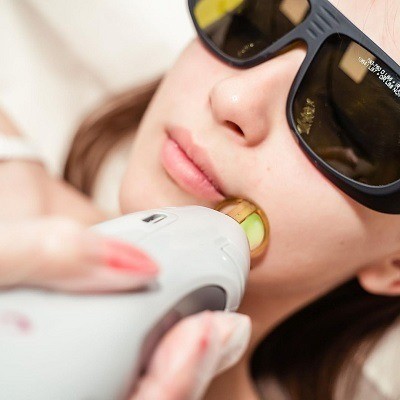
 Laser hair removal has become a popular option for people who want to reduce unwanted hair and spend less time shaving, waxing, or using other temporary hair-removal methods. Unlike shaving, which cuts hair at the surface, or waxing, which pulls hair from the root, laser hair removal uses concentrated light energy to target hair follicles and gradually reduce their ability to produce hair.One of the most common questions people have before starting treatment is simple: What will the skin and hair actually look like before and after laser hair removal? Understanding the expected changes can make the treatment process feel much more predictable.Results can vary depending on factors such as hair color, skin tone, treatment area, hair thickness, hormonal influences, and the type of laser technology used. Laser Hair Removal (https://www.enfieldroyalclinics.om/laser-treatments/laser-hair-removal/) is generally a process rather than a one-time treatment, so noticeable changes tend to develop gradually over several sessions.What Does Skin Look Like Before Laser Hair Removal?Before treatment begins, the appearance of the skin usually reflects the chosen hair-removal routine. Frequent shaving may leave visible stubble, while waxing or plucking can sometimes cause temporary redness, irritation, or ingrown hairs.During an initial consultation, the treatment area is typically assessed to determine whether laser hair removal is an appropriate option. Skin tone, hair characteristics, medications, recent tanning, and other factors may be considered because they can affect treatment settings and safety.The hair itself can also influence the expected outcome. Laser hair removal generally works best when there is enough pigment in the hair to absorb the laser energy. Darker, coarser hairs often respond more readily than very light, gray, or white hairs.Before a session, the treatment area is commonly shaved rather than waxed or plucked. Shaving leaves the hair follicle in place while reducing hair above the skin, allowing the laser energy to target the follicle more effectively.It is also important for the skin to be protected from unnecessary sun exposure before treatment. A recent tan can increase the risk of unwanted skin reactions, so treatment providers may recommend avoiding tanning and following specific pre-treatment instructions.What Happens Immediately After Laser Hair Removal?The skin can look slightly different immediately after a laser hair removal session. Mild redness, warmth, or swelling around individual hair follicles can occur. These effects are often temporary and may resemble small bumps around the treated follicles.The sensation varies from person to person and can depend on the treatment area, hair thickness, and laser system. Some people describe the treatment as a brief snapping or warming sensation.Immediately after treatment, the hair does not necessarily disappear. This is an important part of understanding laser hair removal before and after results. The laser targets the follicle, but treated hairs can remain visible in the skin for a period of time before they gradually shed.For this reason, someone may look at the treated area shortly after a session and assume that the treatment has not worked. In reality, the visible hair may simply need time to shed.Aftercare instructions can vary, but gentle skin care and protection from excessive sun exposure are generally important. Heat, friction, and irritating skin products may also need to be limited for a short period, depending on the treatment area and individual recommendations.Laser Hair Removal Before and After: Changes Over Several SessionsThe most noticeable transformation usually happens gradually.After the first few treatments, many people begin to notice that hair grows more slowly or appears less dense. Some hairs may become finer, while other hairs may stop appearing in certain areas.This happens because hair follicles are not all active at the same time. Laser treatment is most effective when a follicle is in an appropriate phase of its growth cycle. Because different follicles are at different stages, multiple sessions are normally needed to treat a larger proportion of the follicles effectively.A typical before-and-after progression may look like this:Before treatment: Hair may grow regularly and require frequent shaving, waxing, or other removal.After an early session: Some treated hairs may shed, while other hairs continue growing because their follicles were not in the ideal growth phase.After several sessions: Hair growth may become noticeably slower and less dense. Remaining hairs can also become finer.After a treatment course: A significant reduction in visible hair may be achieved, although complete permanent removal is not guaranteed.The exact number of sessions varies. Treatment areas with thicker or denser hair may respond differently from areas with finer hair. Hormonal changes can also influence future hair growth.How the Skin May Look After TreatmentThe skin itself may appear smoother as hair becomes less noticeable. For people who previously experienced frequent shaving irritation or ingrown hairs, reducing the need for shaving can also make the skin look and feel more comfortable over time.However, laser hair removal is not primarily a treatment for every type of skin discoloration or scarring. Temporary redness or irritation can occur after individual sessions, and some people may experience temporary changes in pigmentation.Skin tone and sun exposure are particularly important considerations. People with darker skin can undergo laser hair removal, but treatment should be appropriately selected and adjusted to reduce the risk of burns or pigmentation changes.Anyone experiencing persistent blistering, severe pain, significant swelling, or unusual skin changes after treatment should contact a qualified healthcare professional for assessment.What Factors Affect Laser Hair Removal Results?Before-and-after results can differ considerably between individuals. Several factors help explain why one person may experience faster visible improvement than another.Hair color and thickness: Dark, coarse hair often responds more readily because it contains more pigment that can absorb laser energy. Very light, gray, or white hair may respond poorly to some laser technologies.Skin tone: The contrast between hair pigment and skin can affect treatment. Modern laser systems can be used for a range of skin tones, but selecting suitable technology and settings is important.Treatment area: Areas such as the legs, underarms, face, bikini area, back, and arms can respond differently. Facial hair may also be influenced more strongly by hormones.Hair-growth cycle: Since follicles grow in different cycles, several treatments are generally needed to achieve substantial reduction.Hormonal factors: Conditions or hormonal changes that stimulate hair growth can affect long-term results. In these situations, ongoing maintenance treatments may sometimes be recommended.Consistency with treatment and aftercare: Following the recommended treatment schedule and aftercare guidance can support a safer and more effective process.Is Laser Hair Removal Permanent?Laser hair removal is often described as a permanent hair-reduction method rather than a guarantee that every treated hair will disappear forever.Many people experience long-term reduction in hair growth after completing an appropriate treatment course. However, some hair can eventually return, and maintenance treatments may be needed.Hormonal changes, aging, certain medications, and individual biology can influence regrowth. When hair does return, it may be finer and less noticeable than it was before treatment.It is therefore more realistic to think of laser hair removal as a way to achieve substantial and long-lasting hair reduction rather than promising completely hair-free skin for life.How to Get the Most From Before-and-After ResultsExpectations play an important role in a positive treatment experience. Laser hair removal generally does not create dramatic overnight results. Instead, improvement tends to become clearer as sessions progress.People considering treatment can prepare by discussing their skin type, hair characteristics, medications, previous tanning, and history of skin reactions with a qualified treatment professional.It is also important to avoid assuming that more laser energy automatically means better results. Treatment settings should be selected according to the individual's skin and hair characteristics. Excessive energy can increase the risk of adverse reactions without necessarily producing better outcomes.Taking photographs at consistent intervals can also make gradual changes easier to recognize. Because hair reduction occurs progressively, comparing photographs from before treatment with photographs taken after several sessions may provide a clearer picture than judging the results from day to day.Overall, the most meaningful before-and-after change is usually a combination of less hair, slower regrowth, finer remaining hair, and reduced reliance on traditional hair-removal methods.Frequently Asked Questions About Laser Hair Removal1. How soon can results be seen after laser hair removal?Some people notice shedding or slower hair growth after their first treatment, but more visible hair reduction usually develops over multiple sessions. Results vary according to hair type, skin tone, treatment area, and the hair-growth cycle.2. Does laser hair removal remove hair permanently?Laser hair removal can provide long-term hair reduction, but it does not guarantee that every hair will be permanently eliminated. Some regrowth can occur, and maintenance treatments may be useful for certain individuals.3. Why is hair still visible after a laser session?Visible hair shortly after treatment does not necessarily mean the session was unsuccessful. Treated hairs can remain in the follicle temporarily before gradually shedding from the skin.4. Can laser hair removal make the skin smoother?It can make skin feel smoother by reducing the amount of visible hair and decreasing the need for frequent shaving or waxing. People who experience shaving-related irritation or ingrown hairs may also notice improvements as hair-removal frequency decreases.5. Is laser hair removal suitable for all skin and hair types?Laser technology and treatment settings can be adapted for many skin tones, but suitability depends on the individual's characteristics. Very light, gray, or white hair may be less responsive because some laser systems rely on pigment in the hair.6. Are maintenance treatments necessary after completing laser hair removal?Some people may need occasional maintenance sessions, particularly when hormonal changes or natural hair regrowth occur. The need for maintenance varies from person to person.Read More About Laser Hair Removal: https://b.cari.com.my/home.php?mod=space&uid=3172561&do=blog&quickforward=1&id=618486
  Laser hair removal has become a popular option for people who want to reduce unwanted hair and spend less time shaving, waxing, or using other temporary hair-removal methods. Unlike shaving, which cuts hair at the surface, or waxing, which pulls hair from the root, laser hair removal uses concentrated light energy to target hair follicles and gradually reduce their ability to produce hair.One of the most common questions people have before starting treatment is simple: What will the skin and hair actually look like before and after laser hair removal? Understanding the expected changes can make the treatment process feel much more predictable.Results can vary depending on factors such as hair color, skin tone, treatment area, hair thickness, hormonal influences, and the type of laser technology used. Laser Hair Removal (https://www.enfieldroyalclinics.om/laser-treatments/laser-hair-removal/) is generally a process rather than a one-time treatment, so noticeable changes tend to develop gradually over several sessions.What Does Skin Look Like Before Laser Hair Removal?Before treatment begins, the appearance of the skin usually reflects the chosen hair-removal routine. Frequent shaving may leave visible stubble, while waxing or plucking can sometimes cause temporary redness, irritation, or ingrown hairs.During an initial consultation, the treatment area is typically assessed to determine whether laser hair removal is an appropriate option. Skin tone, hair characteristics, medications, recent tanning, and other factors may be considered because they can affect treatment settings and safety.The hair itself can also influence the expected outcome. Laser hair removal generally works best when there is enough pigment in the hair to absorb the laser energy. Darker, coarser hairs often respond more readily than very light, gray, or white hairs.Before a session, the treatment area is commonly shaved rather than waxed or plucked. Shaving leaves the hair follicle in place while reducing hair above the skin, allowing the laser energy to target the follicle more effectively.It is also important for the skin to be protected from unnecessary sun exposure before treatment. A recent tan can increase the risk of unwanted skin reactions, so treatment providers may recommend avoiding tanning and following specific pre-treatment instructions.What Happens Immediately After Laser Hair Removal?The skin can look slightly different immediately after a laser hair removal session. Mild redness, warmth, or swelling around individual hair follicles can occur. These effects are often temporary and may resemble small bumps around the treated follicles.The sensation varies from person to person and can depend on the treatment area, hair thickness, and laser system. Some people describe the treatment as a brief snapping or warming sensation.Immediately after treatment, the hair does not necessarily disappear. This is an important part of understanding laser hair removal before and after results. The laser targets the follicle, but treated hairs can remain visible in the skin for a period of time before they gradually shed.For this reason, someone may look at the treated area shortly after a session and assume that the treatment has not worked. In reality, the visible hair may simply need time to shed.Aftercare instructions can vary, but gentle skin care and protection from excessive sun exposure are generally important. Heat, friction, and irritating skin products may also need to be limited for a short period, depending on the treatment area and individual recommendations.Laser Hair Removal Before and After: Changes Over Several SessionsThe most noticeable transformation usually happens gradually.After the first few treatments, many people begin to notice that hair grows more slowly or appears less dense. Some hairs may become finer, while other hairs may stop appearing in certain areas.This happens because hair follicles are not all active at the same time. Laser treatment is most effective when a follicle is in an appropriate phase of its growth cycle. Because different follicles are at different stages, multiple sessions are normally needed to treat a larger proportion of the follicles effectively.A typical before-and-after progression may look like this:Before treatment: Hair may grow regularly and require frequent shaving, waxing, or other removal.After an early session: Some treated hairs may shed, while other hairs continue growing because their follicles were not in the ideal growth phase.After several sessions: Hair growth may become noticeably slower and less dense. Remaining hairs can also become finer.After a treatment course: A significant reduction in visible hair may be achieved, although complete permanent removal is not guaranteed.The exact number of sessions varies. Treatment areas with thicker or denser hair may respond differently from areas with finer hair. Hormonal changes can also influence future hair growth.How the Skin May Look After TreatmentThe skin itself may appear smoother as hair becomes less noticeable. For people who previously experienced frequent shaving irritation or ingrown hairs, reducing the need for shaving can also make the skin look and feel more comfortable over time.However, laser hair removal is not primarily a treatment for every type of skin discoloration or scarring. Temporary redness or irritation can occur after individual sessions, and some people may experience temporary changes in pigmentation.Skin tone and sun exposure are particularly important considerations. People with darker skin can undergo laser hair removal, but treatment should be appropriately selected and adjusted to reduce the risk of burns or pigmentation changes.Anyone experiencing persistent blistering, severe pain, significant swelling, or unusual skin changes after treatment should contact a qualified healthcare professional for assessment.What Factors Affect Laser Hair Removal Results?Before-and-after results can differ considerably between individuals. Several factors help explain why one person may experience faster visible improvement than another.Hair color and thickness: Dark, coarse hair often responds more readily because it contains more pigment that can absorb laser energy. Very light, gray, or white hair may respond poorly to some laser technologies.Skin tone: The contrast between hair pigment and skin can affect treatment. Modern laser systems can be used for a range of skin tones, but selecting suitable technology and settings is important.Treatment area: Areas such as the legs, underarms, face, bikini area, back, and arms can respond differently. Facial hair may also be influenced more strongly by hormones.Hair-growth cycle: Since follicles grow in different cycles, several treatments are generally needed to achieve substantial reduction.Hormonal factors: Conditions or hormonal changes that stimulate hair growth can affect long-term results. In these situations, ongoing maintenance treatments may sometimes be recommended.Consistency with treatment and aftercare: Following the recommended treatment schedule and aftercare guidance can support a safer and more effective process.Is Laser Hair Removal Permanent?Laser hair removal is often described as a permanent hair-reduction method rather than a guarantee that every treated hair will disappear forever.Many people experience long-term reduction in hair growth after completing an appropriate treatment course. However, some hair can eventually return, and maintenance treatments may be needed.Hormonal changes, aging, certain medications, and individual biology can influence regrowth. When hair does return, it may be finer and less noticeable than it was before treatment.It is therefore more realistic to think of laser hair removal as a way to achieve substantial and long-lasting hair reduction rather than promising completely hair-free skin for life.How to Get the Most From Before-and-After ResultsExpectations play an important role in a positive treatment experience. Laser hair removal generally does not create dramatic overnight results. Instead, improvement tends to become clearer as sessions progress.People considering treatment can prepare by discussing their skin type, hair characteristics, medications, previous tanning, and history of skin reactions with a qualified treatment professional.It is also important to avoid assuming that more laser energy automatically means better results. Treatment settings should be selected according to the individual's skin and hair characteristics. Excessive energy can increase the risk of adverse reactions without necessarily producing better outcomes.Taking photographs at consistent intervals can also make gradual changes easier to recognize. Because hair reduction occurs progressively, comparing photographs from before treatment with photographs taken after several sessions may provide a clearer picture than judging the results from day to day.Overall, the most meaningful before-and-after change is usually a combination of less hair, slower regrowth, finer remaining hair, and reduced reliance on traditional hair-removal methods.Frequently Asked Questions About Laser Hair Removal1. How soon can results be seen after laser hair removal?Some people notice shedding or slower hair growth after their first treatment, but more visible hair reduction usually develops over multiple sessions. Results vary according to hair type, skin tone, treatment area, and the hair-growth cycle.2. Does laser hair removal remove hair permanently?Laser hair removal can provide long-term hair reduction, but it does not guarantee that every hair will be permanently eliminated. Some regrowth can occur, and maintenance treatments may be useful for certain individuals.3. Why is hair still visible after a laser session?Visible hair shortly after treatment does not necessarily mean the session was unsuccessful. Treated hairs can remain in the follicle temporarily before gradually shedding from the skin.4. Can laser hair removal make the skin smoother?It can make skin feel smoother by reducing the amount of visible hair and decreasing the need for frequent shaving or waxing. People who experience shaving-related irritation or ingrown hairs may also notice improvements as hair-removal frequency decreases.5. Is laser hair removal suitable for all skin and hair types?Laser technology and treatment settings can be adapted for many skin tones, but suitability depends on the individual's characteristics. Very light, gray, or white hair may be less responsive because some laser systems rely on pigment in the hair.6. Are maintenance treatments necessary after completing laser hair removal?Some people may need occasional maintenance sessions, particularly when hormonal changes or natural hair regrowth occur. The need for maintenance varies from person to person.Read More About Laser Hair Removal: https://b.cari.com.my/home.php?mod=space&uid=3172561&do=blog&quickforward=1&id=618486
 Mon, 24 August 26 : 5:08 : Enfield Oman
Visit / Join Group to Reply