


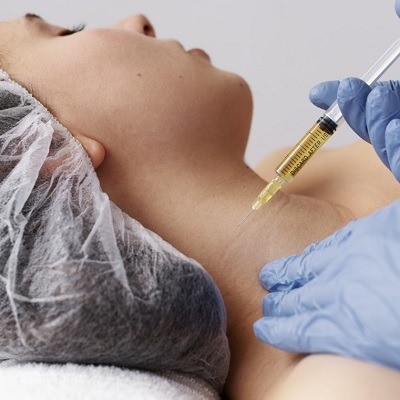
 A lipoma is one of the most common types of soft tissue lumps that people notice under their skin. While discovering a lump can be worrying, a lipoma is usually harmless and grows very slowly over time. Even so, many people seek professional advice because the lump becomes uncomfortable, affects their appearance, or raises concerns about their health.For those searching for Lipoma Treatment in Muscat (https://www.enfieldroyalclinics.om/cosmetic-surgery/lipoma-treatment/), understanding the condition before choosing a treatment option is an important first step. The good news is that lipomas are generally easy to diagnose and can often be treated safely when necessary. This guide explains everything in simple language, helping readers understand what a lipoma is, why it develops, and what treatment options are available without overwhelming medical terminology.What Is a Lipoma?A lipoma is a soft lump made up of fat cells that collect beneath the skin. It usually feels smooth, moves slightly when touched, and is rarely painful. These growths can appear almost anywhere on the body, although they are more commonly found on the shoulders, neck, back, arms, thighs, and abdomen.Most lipomas grow slowly over several months or even years. They are not contagious, and in most cases, they are not dangerous. Many people live with a lipoma for years without experiencing any major problems.Although lipomas are generally harmless, any new lump should still be evaluated by a qualified healthcare professional to ensure it is correctly identified.Why Do Lipomas Develop?The exact reason why lipomas form is not always clear. Researchers believe that several factors may contribute to their development.One possible cause is genetics. People with a family history of lipomas may have a greater chance of developing them. Age also plays a role, as lipomas are more commonly seen in adults between the ages of 40 and 60, although they can occur at any age.Minor injuries have also been suggested as a possible trigger in some cases, although there is no strong evidence that injuries directly cause lipomas. Lifestyle habits, diet, or body weight generally do not determine whether someone develops a lipoma.Understanding these factors can help people realize that having a lipoma is usually not something they caused themselves.Common Signs That May Indicate a LipomaLipomas have several characteristics that make them different from other skin lumps.Some common signs include:A soft, rubbery lump beneath the skinA lump that moves slightly when pressedSlow growth over timeUsually painless unless pressing on nearby nervesRound or oval shapeSkin over the lump appears normalMost lipomas measure only a few centimeters across, although some may grow larger over time.Even if a lump seems to match these signs, it is still important to have it checked professionally because not every lump under the skin is a lipoma.When Should Someone Consider Lipoma Treatment?Not every lipoma requires treatment. Many remain small and never cause discomfort. In these situations, healthcare providers often recommend simple observation.However, treatment may be considered if:The lipoma becomes painful.It grows noticeably larger.It interferes with movement.It causes cosmetic concerns.Clothing repeatedly rubs against it.There is uncertainty about the diagnosis.Individuals looking for Lipoma Treatment in Muscat often seek treatment because the lump affects their daily comfort or confidence rather than because it poses a serious health risk.Early evaluation also provides reassurance and helps rule out other conditions that may require different care.How Is a Lipoma Diagnosed?Diagnosing a lipoma is usually straightforward. A healthcare provider begins by asking about the person's medical history and examining the lump.In some situations, additional imaging tests may be recommended, particularly if the lump is unusually large, deep beneath the skin, or causing symptoms. These tests help confirm the diagnosis and provide more information about the size and location of the lipoma.Occasionally, a small tissue sample may be taken if there is any uncertainty about the nature of the growth. This helps ensure that the correct diagnosis is made before treatment begins.Accurate diagnosis is one of the most important steps in choosing the right treatment approach.Treatment Options for LipomasThe best treatment depends on the size of the lipoma, its location, and whether it is causing symptoms.ObservationIf the lipoma is small and not causing any discomfort, monitoring it over time may be all that is needed. Regular check-ups help ensure there are no unexpected changes.Surgical RemovalSurgical removal is the most common and effective treatment for lipomas. During this procedure, the lump is carefully removed through a small incision in the skin.Because the entire lipoma is usually removed, the chance of it returning in the same location is relatively low. Many patients choose this option when the lipoma causes discomfort or cosmetic concerns.LiposuctionIn selected cases, liposuction may be used to reduce the size of certain lipomas. This technique involves removing fatty tissue through a thin tube inserted beneath the skin.Although this method can leave a smaller scar, it may not remove every fat cell, making recurrence slightly more likely than complete surgical removal.The most appropriate treatment option depends on each individual's situation and should always be discussed with a qualified healthcare provider.Recovery After Lipoma TreatmentRecovery is generally smooth for most patients.After treatment, mild soreness, swelling, or bruising around the treated area is normal and usually improves within several days. Following aftercare instructions carefully helps support proper healing.Patients are often advised to:Keep the treatment area clean.Avoid unnecessary pressure on the wound.Follow any dressing instructions.Attend recommended follow-up appointments.Watch for unusual redness, swelling, or drainage.Many people can return to their normal daily activities shortly after treatment, depending on the size and location of the lipoma.The recovery experience varies from person to person, but complications are generally uncommon when proper aftercare is followed.Can Lipomas Be Prevented?Since the exact cause of lipomas is still unknown, there is currently no guaranteed way to prevent them.Maintaining a healthy lifestyle supports overall well-being, but it does not specifically stop lipomas from developing. Regular health check-ups and paying attention to new lumps under the skin remain the best approach.If a person notices a lump that changes rapidly, becomes painful, or behaves differently from a typical lipoma, prompt medical evaluation is always recommended.People considering Lipoma Treatment in Muscat should focus on obtaining an accurate diagnosis rather than assuming every lump is harmless.Choosing the Right Time to Seek TreatmentMany people postpone seeking medical advice because a lipoma does not initially cause pain. However, having a lump evaluated early offers peace of mind and helps determine whether treatment is necessary.Professional assessment becomes especially important if the lump increases in size, causes discomfort, limits movement, or creates cosmetic concerns.Modern treatment options are generally safe, effective, and designed to provide long-lasting results with minimal disruption to daily life. Understanding the condition empowers individuals to make informed decisions and seek care when it best suits their needs.For anyone exploring Lipoma Treatment in Muscat, learning about available treatment options and obtaining a proper evaluation are the first steps toward managing the condition confidently.1. What is a lipoma?A lipoma is a non-cancerous lump made of fat cells that develops beneath the skin. It usually grows slowly, feels soft, and is generally painless.2. Does every lipoma need treatment?No. Many lipomas do not require treatment unless they become painful, continue growing, interfere with movement, or cause cosmetic concerns.3. Is lipoma removal painful?Most lipoma removal procedures are performed using appropriate pain control techniques, making the procedure comfortable for most patients. Mild soreness afterward is usually temporary.4. Can a lipoma come back after treatment?When a lipoma is completely removed, it is less likely to return in the same area. However, some individuals may develop new lipomas in different locations over time.5. How long does recovery usually take after lipoma treatment?Recovery depends on the size and location of the lipoma, but many people return to normal daily activities within a short period while the treated area continues to heal.6. When should someone seek medical advice for a lump under the skin?Any new lump, especially one that grows quickly, becomes painful, feels firm, or changes in appearance, should be evaluated by a healthcare professional to ensure an accurate diagnosis.Read More About Lipoma Treatment: https://www.clickone.co.in/story/lipoma-treatment-options-explained-in-simple-terms/
  A lipoma is one of the most common types of soft tissue lumps that people notice under their skin. While discovering a lump can be worrying, a lipoma is usually harmless and grows very slowly over time. Even so, many people seek professional advice because the lump becomes uncomfortable, affects their appearance, or raises concerns about their health.For those searching for Lipoma Treatment in Muscat (https://www.enfieldroyalclinics.om/cosmetic-surgery/lipoma-treatment/), understanding the condition before choosing a treatment option is an important first step. The good news is that lipomas are generally easy to diagnose and can often be treated safely when necessary. This guide explains everything in simple language, helping readers understand what a lipoma is, why it develops, and what treatment options are available without overwhelming medical terminology.What Is a Lipoma?A lipoma is a soft lump made up of fat cells that collect beneath the skin. It usually feels smooth, moves slightly when touched, and is rarely painful. These growths can appear almost anywhere on the body, although they are more commonly found on the shoulders, neck, back, arms, thighs, and abdomen.Most lipomas grow slowly over several months or even years. They are not contagious, and in most cases, they are not dangerous. Many people live with a lipoma for years without experiencing any major problems.Although lipomas are generally harmless, any new lump should still be evaluated by a qualified healthcare professional to ensure it is correctly identified.Why Do Lipomas Develop?The exact reason why lipomas form is not always clear. Researchers believe that several factors may contribute to their development.One possible cause is genetics. People with a family history of lipomas may have a greater chance of developing them. Age also plays a role, as lipomas are more commonly seen in adults between the ages of 40 and 60, although they can occur at any age.Minor injuries have also been suggested as a possible trigger in some cases, although there is no strong evidence that injuries directly cause lipomas. Lifestyle habits, diet, or body weight generally do not determine whether someone develops a lipoma.Understanding these factors can help people realize that having a lipoma is usually not something they caused themselves.Common Signs That May Indicate a LipomaLipomas have several characteristics that make them different from other skin lumps.Some common signs include:A soft, rubbery lump beneath the skinA lump that moves slightly when pressedSlow growth over timeUsually painless unless pressing on nearby nervesRound or oval shapeSkin over the lump appears normalMost lipomas measure only a few centimeters across, although some may grow larger over time.Even if a lump seems to match these signs, it is still important to have it checked professionally because not every lump under the skin is a lipoma.When Should Someone Consider Lipoma Treatment?Not every lipoma requires treatment. Many remain small and never cause discomfort. In these situations, healthcare providers often recommend simple observation.However, treatment may be considered if:The lipoma becomes painful.It grows noticeably larger.It interferes with movement.It causes cosmetic concerns.Clothing repeatedly rubs against it.There is uncertainty about the diagnosis.Individuals looking for Lipoma Treatment in Muscat often seek treatment because the lump affects their daily comfort or confidence rather than because it poses a serious health risk.Early evaluation also provides reassurance and helps rule out other conditions that may require different care.How Is a Lipoma Diagnosed?Diagnosing a lipoma is usually straightforward. A healthcare provider begins by asking about the person's medical history and examining the lump.In some situations, additional imaging tests may be recommended, particularly if the lump is unusually large, deep beneath the skin, or causing symptoms. These tests help confirm the diagnosis and provide more information about the size and location of the lipoma.Occasionally, a small tissue sample may be taken if there is any uncertainty about the nature of the growth. This helps ensure that the correct diagnosis is made before treatment begins.Accurate diagnosis is one of the most important steps in choosing the right treatment approach.Treatment Options for LipomasThe best treatment depends on the size of the lipoma, its location, and whether it is causing symptoms.ObservationIf the lipoma is small and not causing any discomfort, monitoring it over time may be all that is needed. Regular check-ups help ensure there are no unexpected changes.Surgical RemovalSurgical removal is the most common and effective treatment for lipomas. During this procedure, the lump is carefully removed through a small incision in the skin.Because the entire lipoma is usually removed, the chance of it returning in the same location is relatively low. Many patients choose this option when the lipoma causes discomfort or cosmetic concerns.LiposuctionIn selected cases, liposuction may be used to reduce the size of certain lipomas. This technique involves removing fatty tissue through a thin tube inserted beneath the skin.Although this method can leave a smaller scar, it may not remove every fat cell, making recurrence slightly more likely than complete surgical removal.The most appropriate treatment option depends on each individual's situation and should always be discussed with a qualified healthcare provider.Recovery After Lipoma TreatmentRecovery is generally smooth for most patients.After treatment, mild soreness, swelling, or bruising around the treated area is normal and usually improves within several days. Following aftercare instructions carefully helps support proper healing.Patients are often advised to:Keep the treatment area clean.Avoid unnecessary pressure on the wound.Follow any dressing instructions.Attend recommended follow-up appointments.Watch for unusual redness, swelling, or drainage.Many people can return to their normal daily activities shortly after treatment, depending on the size and location of the lipoma.The recovery experience varies from person to person, but complications are generally uncommon when proper aftercare is followed.Can Lipomas Be Prevented?Since the exact cause of lipomas is still unknown, there is currently no guaranteed way to prevent them.Maintaining a healthy lifestyle supports overall well-being, but it does not specifically stop lipomas from developing. Regular health check-ups and paying attention to new lumps under the skin remain the best approach.If a person notices a lump that changes rapidly, becomes painful, or behaves differently from a typical lipoma, prompt medical evaluation is always recommended.People considering Lipoma Treatment in Muscat should focus on obtaining an accurate diagnosis rather than assuming every lump is harmless.Choosing the Right Time to Seek TreatmentMany people postpone seeking medical advice because a lipoma does not initially cause pain. However, having a lump evaluated early offers peace of mind and helps determine whether treatment is necessary.Professional assessment becomes especially important if the lump increases in size, causes discomfort, limits movement, or creates cosmetic concerns.Modern treatment options are generally safe, effective, and designed to provide long-lasting results with minimal disruption to daily life. Understanding the condition empowers individuals to make informed decisions and seek care when it best suits their needs.For anyone exploring Lipoma Treatment in Muscat, learning about available treatment options and obtaining a proper evaluation are the first steps toward managing the condition confidently.1. What is a lipoma?A lipoma is a non-cancerous lump made of fat cells that develops beneath the skin. It usually grows slowly, feels soft, and is generally painless.2. Does every lipoma need treatment?No. Many lipomas do not require treatment unless they become painful, continue growing, interfere with movement, or cause cosmetic concerns.3. Is lipoma removal painful?Most lipoma removal procedures are performed using appropriate pain control techniques, making the procedure comfortable for most patients. Mild soreness afterward is usually temporary.4. Can a lipoma come back after treatment?When a lipoma is completely removed, it is less likely to return in the same area. However, some individuals may develop new lipomas in different locations over time.5. How long does recovery usually take after lipoma treatment?Recovery depends on the size and location of the lipoma, but many people return to normal daily activities within a short period while the treated area continues to heal.6. When should someone seek medical advice for a lump under the skin?Any new lump, especially one that grows quickly, becomes painful, feels firm, or changes in appearance, should be evaluated by a healthcare professional to ensure an accurate diagnosis.Read More About Lipoma Treatment: https://www.clickone.co.in/story/lipoma-treatment-options-explained-in-simple-terms/
 Wed, 1 July 26 : 12:07 : Enfield Oman
Visit / Join Group to Reply