


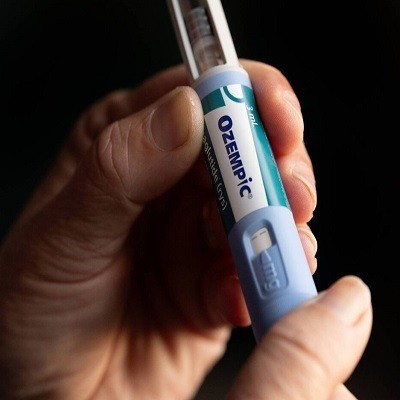
 Ozempic has become a widely discussed treatment option for adults managing type 2 diabetes and, in some cases, supporting weight management under appropriate medical guidance. Like other prescription medications, it can affect how certain medicines work in the body. Understanding possible interactions is an important part of using the treatment safely and getting the intended benefits.Before starting Ozempic Injections (https://www.enfieldroyalclinics.om/cosmetic-injectables/ozempic-injection/), patients should understand how the medication may interact with other prescriptions, over-the-counter products, vitamins, and supplements. Although many people tolerate it well, combining it with certain medications may increase the risk of side effects or change how effectively other treatments work. Knowing what to discuss with a healthcare professional can help patients make informed decisions and avoid preventable complications.1. What Are Ozempic Injections and How Do They Work?Ozempic is a prescription medication containing semaglutide. It belongs to a group of medicines called glucagon-like peptide-1 (GLP-1) receptor agonists. It is primarily prescribed to improve blood sugar control in adults with type 2 diabetes, alongside dietary changes and physical activity. It may also provide certain cardiovascular and kidney-related benefits for eligible patients, depending on their medical circumstances and the approved prescribing guidance.The medication works by mimicking the activity of a naturally occurring hormone called GLP-1. This hormone helps regulate blood glucose levels through several mechanisms.Ozempic can:Encourage the pancreas to release insulin when blood sugar levels are elevated.Reduce the release of glucagon, a hormone that can increase blood glucose.Slow the movement of food from the stomach into the small intestine.Help regulate appetite and food intake.Because Ozempic slows stomach emptying, it may affect how quickly certain oral medications are absorbed. This is one of the main reasons medication interactions deserve attention.The injection is generally administered once weekly according to the prescribed schedule. Dosage is usually increased gradually to help the body adjust and reduce gastrointestinal discomfort. Patients should never change their dose or injection schedule without appropriate medical advice.2. Which Medications May Interact With Ozempic?Not every medication interacts with Ozempic, and many treatments can be used together safely when properly managed. However, some combinations require additional monitoring or adjustments.Insulin and Other Diabetes MedicationsOne of the most important potential interactions involves insulin and medications known as sulfonylureas. These treatments also lower blood glucose levels. When combined with Ozempic, they may increase the risk of hypoglycemia, commonly known as low blood sugar.Symptoms of hypoglycemia may include:Shaking or tremblingSweatingDizziness or lightheadednessSudden hungerHeadachesConfusion or difficulty concentratingA rapid heartbeatSevere hypoglycemia can lead to seizures or unconsciousness and requires immediate medical attention.Patients using insulin or sulfonylureas may need closer blood sugar monitoring. A healthcare professional may consider adjusting the dose of these medications when Ozempic is introduced.Oral MedicationsOzempic delays gastric emptying, meaning food and medication may move through the stomach more slowly. This can potentially influence the absorption rate of certain oral medicines.For most medications, this effect does not necessarily cause a clinically significant problem. However, extra attention may be needed for medicines that require consistent or carefully controlled absorption.Patients taking medications with a narrow therapeutic index, where small changes in drug concentration can affect safety or effectiveness, should discuss possible monitoring requirements with their healthcare professional.Warfarin and Other AnticoagulantsPeople taking blood-thinning medications, such as warfarin, should inform their healthcare professional before beginning Ozempic. Although a major direct interaction has not been established, changes in food intake, weight, and overall health may influence anticoagulation management.Patients taking warfarin may require appropriate monitoring of their INR, particularly when treatment is started or doses are adjusted.Other GLP-1 MedicationsCombining Ozempic with another semaglutide-containing product or another GLP-1 receptor agonist is generally not recommended unless specifically directed by a qualified prescriber.Using medications with similar mechanisms may increase the likelihood of unwanted effects without providing additional established benefits. Patients should disclose all diabetes and weight-management medications before treatment begins.3. How Ozempic May Affect Blood Sugar and Medication SafetyOne of the most important considerations when using Ozempic is its effect on blood glucose regulation.Ozempic helps the body manage blood sugar, but the risk of hypoglycemia becomes more significant when it is combined with certain other diabetes medications. Patients who use insulin or sulfonylureas should understand the warning signs and follow an appropriate blood glucose monitoring plan.Recognizing Low Blood SugarMild hypoglycemia may cause sweating, hunger, shakiness, or dizziness. More serious episodes can result in confusion, unusual behavior, difficulty speaking, or loss of consciousness.For patients who are conscious and able to swallow, the commonly recommended approach to treating low blood sugar is the 15-15 rule: consume approximately 15 grams of fast-acting carbohydrates, wait 15 minutes, and check blood glucose again. This process may be repeated if the reading remains low.Severe hypoglycemia requires emergency assistance. Nothing should be given by mouth to someone who is unconscious or unable to swallow safely.Monitoring Blood Glucose LevelsRegular blood sugar checks can help patients understand how their bodies respond to treatment. Monitoring is particularly important when Ozempic is combined with insulin or other glucose-lowering medications.Patients should follow the monitoring schedule recommended for their individual treatment plan rather than relying on symptoms alone.Understanding Digestive EffectsOzempic may cause nausea, vomiting, diarrhea, constipation, abdominal discomfort, and reduced appetite. These effects are often more noticeable when treatment begins or the dosage increases.Persistent vomiting or diarrhea can lead to dehydration. Dehydration may also affect kidney function, particularly in people who already have kidney problems or take medications that influence fluid balance.4. Supplements, Vitamins, and Over-the-Counter MedicinesPrescription medications are not the only products patients should discuss before starting Ozempic. Vitamins, herbal products, supplements, and non-prescription medicines can also influence overall treatment safety.Although no major interaction has been established between Ozempic and every commonly used supplement, the absence of a known interaction does not guarantee that a combination is suitable for everyone.Herbal Supplements and Weight-Loss ProductsSome herbal products are marketed for appetite control, blood sugar management, or weight reduction. Their ingredients and effects can vary significantly.Combining multiple products that influence blood glucose may increase the possibility of unexpected changes in blood sugar levels. Certain supplements may also cause digestive symptoms that overlap with Ozempic side effects.Patients should avoid starting several new supplements simultaneously because doing so can make it difficult to identify the cause of an unwanted reaction.Over-the-Counter Pain RelieversCommon pain relievers, including paracetamol and non-steroidal anti-inflammatory drugs (NSAIDs), do not have a universally established direct interaction with semaglutide. However, individual health conditions matter.For example, frequent NSAID use may affect kidney function in some individuals. This deserves additional attention if a patient experiences vomiting, diarrhea, or dehydration while using Ozempic.Digestive MedicinesAntacids, acid-reducing medications, and treatments for constipation or diarrhea may be used by some patients experiencing gastrointestinal symptoms.However, persistent or severe digestive discomfort should not automatically be treated with over-the-counter products. It may indicate a medication-related complication that needs professional assessment.Patients should share a complete list of their supplements and non-prescription medicines during treatment consultations.5. Who Should Take Extra Precautions When Using Ozempic?Although Ozempic can be appropriate for many adults with type 2 diabetes, certain medical conditions require additional consideration.People With a History of PancreatitisPancreatitis is inflammation of the pancreas. Patients with a history of this condition should discuss the potential risks and benefits of semaglutide with their healthcare professional. Ozempic should be discontinued if pancreatitis is suspected, and prompt medical assessment is necessary.Severe, persistent abdominal pain, sometimes extending toward the back, with or without vomiting, can be a warning sign.People With Kidney ProblemsOzempic does not generally require dosage adjustment solely because of kidney impairment. However, severe gastrointestinal side effects can cause dehydration, potentially worsening kidney function.Patients with existing kidney disease should understand the importance of maintaining appropriate fluid intake and reporting persistent vomiting or diarrhea.People With Diabetic Eye DiseaseRapid improvements in blood glucose control can sometimes be associated with temporary worsening of diabetic retinopathy. Patients with a history of diabetic eye disease should discuss appropriate eye monitoring, especially if they use insulin or have experienced significant changes in blood sugar.People Planning PregnancyOzempic is not recommended for use during pregnancy. Patients planning to become pregnant should discuss discontinuation with their healthcare professional in advance. Semaglutide should generally be stopped at least two months before a planned pregnancy because it remains in the body for an extended period.Anyone who becomes pregnant while using Ozempic should contact their healthcare professional for guidance.People Scheduled for Surgery or AnesthesiaBecause Ozempic delays stomach emptying, food may remain in the stomach for longer than expected. This can increase the risk of aspiration during general anesthesia or deep sedation.Patients should inform their surgical and anesthesia teams that they use semaglutide before undergoing a procedure. Decisions about whether to continue or temporarily stop treatment should be individualized by the medical team.6. How to Reduce the Risk of Ozempic Drug InteractionsA few practical precautions can make medication management safer and more straightforward.Maintain an Updated Medication ListPatients should keep a current record of all prescription medicines, over-the-counter treatments, vitamins, herbal products, and supplements. This makes it easier for healthcare professionals to identify possible interactions.Avoid Self-Adjusting Medication DosesChanging the Ozempic dose or reducing another medication without medical guidance can affect blood sugar control and increase the risk of complications.Any adjustment should be based on an individualized treatment plan.Follow the Prescribed Injection ScheduleOzempic is generally taken once weekly. Patients should follow the prescribed instructions and avoid taking additional doses to compensate for a missed injection without checking the official medication guidance.Report Unusual SymptomsNew or worsening symptoms should be discussed with a healthcare professional. Severe abdominal pain, persistent vomiting, signs of an allergic reaction, or symptoms of severe hypoglycemia require prompt medical attention.Inform Healthcare Professionals About Upcoming ProceduresPatients should always disclose Ozempic use before surgery, endoscopy, or procedures involving anesthesia or deep sedation. This allows the medical team to assess aspiration risks and provide appropriate instructions.Review Treatment RegularlyMedication requirements can change as blood glucose levels, weight, and general health change. Regular reviews help ensure that the treatment plan remains suitable and that possible interactions are identified early.The safest approach is to treat medication reviews as an ongoing part of care rather than a one-time step before beginning Ozempic.Frequently Asked Questions1. Can Ozempic be taken with other diabetes medications?Yes, Ozempic can be prescribed alongside certain diabetes medications. However, combining it with insulin or sulfonylureas may increase the risk of low blood sugar. A healthcare professional may recommend dose adjustments and closer glucose monitoring.2. Does Ozempic interact with blood pressure medication?There is no universal direct interaction between Ozempic and all blood pressure medications. However, vomiting, diarrhea, and dehydration may affect blood pressure and kidney function. Patients should discuss their complete medication list with a healthcare professional.3. Can patients take vitamins and supplements while using Ozempic?Many vitamins and supplements may be compatible with Ozempic, but individual ingredients and health conditions matter. Patients should disclose all supplements, particularly products marketed for blood sugar control or weight loss.4. Does Ozempic affect how oral medications work?Ozempic slows stomach emptying, which may influence the absorption rate of some oral medications. Most medications are not expected to experience a clinically significant change, but medicines requiring precise absorption may need additional monitoring.5. Can Ozempic be combined with insulin?Yes, Ozempic may be prescribed with insulin in appropriate circumstances. However, the combination can increase the risk of hypoglycemia. Blood glucose monitoring and possible insulin dose adjustments may be necessary under professional supervision.6. What should patients do if they experience a possible drug interaction?Patients should contact their healthcare professional if they notice unusual symptoms or suspect an interaction. Severe abdominal pain, serious allergic reactions, persistent vomiting, or severe low blood sugar require urgent medical attention. They should not independently stop or change prescribed medicines without appropriate guidance.Final ThoughtsUnderstanding possible drug interactions is an essential part of using Ozempic responsibly. Although the medication can support blood sugar management and provide additional health benefits for eligible patients, its effects on digestion and glucose regulation deserve careful consideration.Insulin, sulfonylureas, certain oral medications, supplements, and other treatments may require additional attention when used alongside Ozempic. Maintaining an updated medication list, following the prescribed dosage, monitoring blood glucose, and communicating openly with healthcare professionals can help reduce avoidable risks.Every patient has different medical needs, so treatment decisions should always be based on individual health conditions, current medications, and professional guidance.Read More About Ozempic Injections: https://b.cari.com.my/home.php?mod=space&uid=3172561&do=blog&quickforward=1&id=628257
 Ozempic has become a widely discussed treatment option for adults managing type 2 diabetes and, in some cases, supporting weight management under appropriate medical guidance. Like other prescription medications, it can affect how certain medicines work in the body. Understanding possible interactions is an important part of using the treatment safely and getting the intended benefits.Before starting Ozempic Injections (https://www.enfieldroyalclinics.om/cosmetic-injectables/ozempic-injection/), patients should understand how the medication may interact with other prescriptions, over-the-counter products, vitamins, and supplements. Although many people tolerate it well, combining it with certain medications may increase the risk of side effects or change how effectively other treatments work. Knowing what to discuss with a healthcare professional can help patients make informed decisions and avoid preventable complications.1. What Are Ozempic Injections and How Do They Work?Ozempic is a prescription medication containing semaglutide. It belongs to a group of medicines called glucagon-like peptide-1 (GLP-1) receptor agonists. It is primarily prescribed to improve blood sugar control in adults with type 2 diabetes, alongside dietary changes and physical activity. It may also provide certain cardiovascular and kidney-related benefits for eligible patients, depending on their medical circumstances and the approved prescribing guidance.The medication works by mimicking the activity of a naturally occurring hormone called GLP-1. This hormone helps regulate blood glucose levels through several mechanisms.Ozempic can:Encourage the pancreas to release insulin when blood sugar levels are elevated.Reduce the release of glucagon, a hormone that can increase blood glucose.Slow the movement of food from the stomach into the small intestine.Help regulate appetite and food intake.Because Ozempic slows stomach emptying, it may affect how quickly certain oral medications are absorbed. This is one of the main reasons medication interactions deserve attention.The injection is generally administered once weekly according to the prescribed schedule. Dosage is usually increased gradually to help the body adjust and reduce gastrointestinal discomfort. Patients should never change their dose or injection schedule without appropriate medical advice.2. Which Medications May Interact With Ozempic?Not every medication interacts with Ozempic, and many treatments can be used together safely when properly managed. However, some combinations require additional monitoring or adjustments.Insulin and Other Diabetes MedicationsOne of the most important potential interactions involves insulin and medications known as sulfonylureas. These treatments also lower blood glucose levels. When combined with Ozempic, they may increase the risk of hypoglycemia, commonly known as low blood sugar.Symptoms of hypoglycemia may include:Shaking or tremblingSweatingDizziness or lightheadednessSudden hungerHeadachesConfusion or difficulty concentratingA rapid heartbeatSevere hypoglycemia can lead to seizures or unconsciousness and requires immediate medical attention.Patients using insulin or sulfonylureas may need closer blood sugar monitoring. A healthcare professional may consider adjusting the dose of these medications when Ozempic is introduced.Oral MedicationsOzempic delays gastric emptying, meaning food and medication may move through the stomach more slowly. This can potentially influence the absorption rate of certain oral medicines.For most medications, this effect does not necessarily cause a clinically significant problem. However, extra attention may be needed for medicines that require consistent or carefully controlled absorption.Patients taking medications with a narrow therapeutic index, where small changes in drug concentration can affect safety or effectiveness, should discuss possible monitoring requirements with their healthcare professional.Warfarin and Other AnticoagulantsPeople taking blood-thinning medications, such as warfarin, should inform their healthcare professional before beginning Ozempic. Although a major direct interaction has not been established, changes in food intake, weight, and overall health may influence anticoagulation management.Patients taking warfarin may require appropriate monitoring of their INR, particularly when treatment is started or doses are adjusted.Other GLP-1 MedicationsCombining Ozempic with another semaglutide-containing product or another GLP-1 receptor agonist is generally not recommended unless specifically directed by a qualified prescriber.Using medications with similar mechanisms may increase the likelihood of unwanted effects without providing additional established benefits. Patients should disclose all diabetes and weight-management medications before treatment begins.3. How Ozempic May Affect Blood Sugar and Medication SafetyOne of the most important considerations when using Ozempic is its effect on blood glucose regulation.Ozempic helps the body manage blood sugar, but the risk of hypoglycemia becomes more significant when it is combined with certain other diabetes medications. Patients who use insulin or sulfonylureas should understand the warning signs and follow an appropriate blood glucose monitoring plan.Recognizing Low Blood SugarMild hypoglycemia may cause sweating, hunger, shakiness, or dizziness. More serious episodes can result in confusion, unusual behavior, difficulty speaking, or loss of consciousness.For patients who are conscious and able to swallow, the commonly recommended approach to treating low blood sugar is the 15-15 rule: consume approximately 15 grams of fast-acting carbohydrates, wait 15 minutes, and check blood glucose again. This process may be repeated if the reading remains low.Severe hypoglycemia requires emergency assistance. Nothing should be given by mouth to someone who is unconscious or unable to swallow safely.Monitoring Blood Glucose LevelsRegular blood sugar checks can help patients understand how their bodies respond to treatment. Monitoring is particularly important when Ozempic is combined with insulin or other glucose-lowering medications.Patients should follow the monitoring schedule recommended for their individual treatment plan rather than relying on symptoms alone.Understanding Digestive EffectsOzempic may cause nausea, vomiting, diarrhea, constipation, abdominal discomfort, and reduced appetite. These effects are often more noticeable when treatment begins or the dosage increases.Persistent vomiting or diarrhea can lead to dehydration. Dehydration may also affect kidney function, particularly in people who already have kidney problems or take medications that influence fluid balance.4. Supplements, Vitamins, and Over-the-Counter MedicinesPrescription medications are not the only products patients should discuss before starting Ozempic. Vitamins, herbal products, supplements, and non-prescription medicines can also influence overall treatment safety.Although no major interaction has been established between Ozempic and every commonly used supplement, the absence of a known interaction does not guarantee that a combination is suitable for everyone.Herbal Supplements and Weight-Loss ProductsSome herbal products are marketed for appetite control, blood sugar management, or weight reduction. Their ingredients and effects can vary significantly.Combining multiple products that influence blood glucose may increase the possibility of unexpected changes in blood sugar levels. Certain supplements may also cause digestive symptoms that overlap with Ozempic side effects.Patients should avoid starting several new supplements simultaneously because doing so can make it difficult to identify the cause of an unwanted reaction.Over-the-Counter Pain RelieversCommon pain relievers, including paracetamol and non-steroidal anti-inflammatory drugs (NSAIDs), do not have a universally established direct interaction with semaglutide. However, individual health conditions matter.For example, frequent NSAID use may affect kidney function in some individuals. This deserves additional attention if a patient experiences vomiting, diarrhea, or dehydration while using Ozempic.Digestive MedicinesAntacids, acid-reducing medications, and treatments for constipation or diarrhea may be used by some patients experiencing gastrointestinal symptoms.However, persistent or severe digestive discomfort should not automatically be treated with over-the-counter products. It may indicate a medication-related complication that needs professional assessment.Patients should share a complete list of their supplements and non-prescription medicines during treatment consultations.5. Who Should Take Extra Precautions When Using Ozempic?Although Ozempic can be appropriate for many adults with type 2 diabetes, certain medical conditions require additional consideration.People With a History of PancreatitisPancreatitis is inflammation of the pancreas. Patients with a history of this condition should discuss the potential risks and benefits of semaglutide with their healthcare professional. Ozempic should be discontinued if pancreatitis is suspected, and prompt medical assessment is necessary.Severe, persistent abdominal pain, sometimes extending toward the back, with or without vomiting, can be a warning sign.People With Kidney ProblemsOzempic does not generally require dosage adjustment solely because of kidney impairment. However, severe gastrointestinal side effects can cause dehydration, potentially worsening kidney function.Patients with existing kidney disease should understand the importance of maintaining appropriate fluid intake and reporting persistent vomiting or diarrhea.People With Diabetic Eye DiseaseRapid improvements in blood glucose control can sometimes be associated with temporary worsening of diabetic retinopathy. Patients with a history of diabetic eye disease should discuss appropriate eye monitoring, especially if they use insulin or have experienced significant changes in blood sugar.People Planning PregnancyOzempic is not recommended for use during pregnancy. Patients planning to become pregnant should discuss discontinuation with their healthcare professional in advance. Semaglutide should generally be stopped at least two months before a planned pregnancy because it remains in the body for an extended period.Anyone who becomes pregnant while using Ozempic should contact their healthcare professional for guidance.People Scheduled for Surgery or AnesthesiaBecause Ozempic delays stomach emptying, food may remain in the stomach for longer than expected. This can increase the risk of aspiration during general anesthesia or deep sedation.Patients should inform their surgical and anesthesia teams that they use semaglutide before undergoing a procedure. Decisions about whether to continue or temporarily stop treatment should be individualized by the medical team.6. How to Reduce the Risk of Ozempic Drug InteractionsA few practical precautions can make medication management safer and more straightforward.Maintain an Updated Medication ListPatients should keep a current record of all prescription medicines, over-the-counter treatments, vitamins, herbal products, and supplements. This makes it easier for healthcare professionals to identify possible interactions.Avoid Self-Adjusting Medication DosesChanging the Ozempic dose or reducing another medication without medical guidance can affect blood sugar control and increase the risk of complications.Any adjustment should be based on an individualized treatment plan.Follow the Prescribed Injection ScheduleOzempic is generally taken once weekly. Patients should follow the prescribed instructions and avoid taking additional doses to compensate for a missed injection without checking the official medication guidance.Report Unusual SymptomsNew or worsening symptoms should be discussed with a healthcare professional. Severe abdominal pain, persistent vomiting, signs of an allergic reaction, or symptoms of severe hypoglycemia require prompt medical attention.Inform Healthcare Professionals About Upcoming ProceduresPatients should always disclose Ozempic use before surgery, endoscopy, or procedures involving anesthesia or deep sedation. This allows the medical team to assess aspiration risks and provide appropriate instructions.Review Treatment RegularlyMedication requirements can change as blood glucose levels, weight, and general health change. Regular reviews help ensure that the treatment plan remains suitable and that possible interactions are identified early.The safest approach is to treat medication reviews as an ongoing part of care rather than a one-time step before beginning Ozempic.Frequently Asked Questions1. Can Ozempic be taken with other diabetes medications?Yes, Ozempic can be prescribed alongside certain diabetes medications. However, combining it with insulin or sulfonylureas may increase the risk of low blood sugar. A healthcare professional may recommend dose adjustments and closer glucose monitoring.2. Does Ozempic interact with blood pressure medication?There is no universal direct interaction between Ozempic and all blood pressure medications. However, vomiting, diarrhea, and dehydration may affect blood pressure and kidney function. Patients should discuss their complete medication list with a healthcare professional.3. Can patients take vitamins and supplements while using Ozempic?Many vitamins and supplements may be compatible with Ozempic, but individual ingredients and health conditions matter. Patients should disclose all supplements, particularly products marketed for blood sugar control or weight loss.4. Does Ozempic affect how oral medications work?Ozempic slows stomach emptying, which may influence the absorption rate of some oral medications. Most medications are not expected to experience a clinically significant change, but medicines requiring precise absorption may need additional monitoring.5. Can Ozempic be combined with insulin?Yes, Ozempic may be prescribed with insulin in appropriate circumstances. However, the combination can increase the risk of hypoglycemia. Blood glucose monitoring and possible insulin dose adjustments may be necessary under professional supervision.6. What should patients do if they experience a possible drug interaction?Patients should contact their healthcare professional if they notice unusual symptoms or suspect an interaction. Severe abdominal pain, serious allergic reactions, persistent vomiting, or severe low blood sugar require urgent medical attention. They should not independently stop or change prescribed medicines without appropriate guidance.Final ThoughtsUnderstanding possible drug interactions is an essential part of using Ozempic responsibly. Although the medication can support blood sugar management and provide additional health benefits for eligible patients, its effects on digestion and glucose regulation deserve careful consideration.Insulin, sulfonylureas, certain oral medications, supplements, and other treatments may require additional attention when used alongside Ozempic. Maintaining an updated medication list, following the prescribed dosage, monitoring blood glucose, and communicating openly with healthcare professionals can help reduce avoidable risks.Every patient has different medical needs, so treatment decisions should always be based on individual health conditions, current medications, and professional guidance.Read More About Ozempic Injections: https://b.cari.com.my/home.php?mod=space&uid=3172561&do=blog&quickforward=1&id=628257
Thu, 26 November 26 : 9:11 : Enfield Oman
Visit / Join Group to Reply