


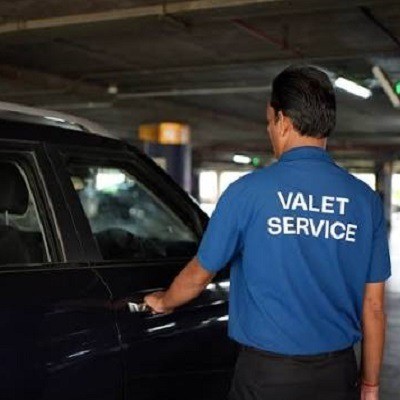
 Traffic congestion is a common challenge in busy cities, particularly in commercial districts, shopping centers, hotels, hospitals, and entertainment venues. When multiple vehicles arrive at the same location, drivers often struggle to find available parking spaces, resulting in long queues, unnecessary driving, and delays. These problems can affect customer experiences and make surrounding roads more crowded. One practical solution that businesses can consider is professional valet parking.In a growing urban environment like Riyadh, efficient parking arrangements are essential for maintaining smooth traffic movement. Best Valet Parking Services in Riyadh (https://windsorksa.com/valet-parking/) can help businesses organize vehicle arrivals, reduce the time drivers spend searching for parking, and improve the overall flow of traffic around busy properties. By combining trained attendants, organized vehicle handling, and efficient parking procedures, valet parking can contribute to a more convenient and orderly environment.But can valet parking services genuinely reduce traffic congestion? The answer depends on how the service is planned, managed, and integrated with the property's parking facilities. Understanding how valet parking works can help businesses determine whether it is an effective solution for their daily parking challenges.1. Understanding the Connection Between Parking and Traffic CongestionTraffic congestion does not always result from the number of vehicles using a road. In many situations, inefficient parking arrangements also contribute to the problem. Drivers entering busy properties may spend several minutes looking for available spaces, driving through parking areas, or waiting for other vehicles to move.This repeated movement creates additional traffic, especially near entrances and exits. During peak hours, even a relatively small parking facility can experience significant delays when vehicles are not directed properly.Common parking-related causes of congestion include:Drivers circling parking areas to locate vacant spaces.Vehicles waiting near entrances for available parking spaces.Poorly organized entry and exit routes.Double parking and unauthorized stopping.Long queues caused by inefficient vehicle handling.Confusion about parking availability and directions.Valet parking addresses several of these challenges by transferring the responsibility of parking from visitors to trained attendants. Instead of searching independently, drivers can hand over their vehicles at a designated drop-off point and continue to their destination.This approach can reduce unnecessary vehicle movement and help maintain better traffic circulation around the property.2. How Valet Parking Services Help Reduce Traffic CongestionValet parking can make a noticeable difference when a property experiences frequent vehicle arrivals and limited parking space. Its main advantage is that it creates a more organized process for receiving, parking, and returning vehicles.Reducing the Time Spent Searching for ParkingOne of the biggest reasons for parking-related congestion is the time drivers spend searching for vacant spaces. Vehicles moving slowly through parking areas can create bottlenecks, particularly when several drivers are looking for spaces simultaneously.Valet attendants eliminate much of this activity by directing vehicles to a designated drop-off location. They then take responsibility for parking the vehicles in available spaces.This reduces the number of drivers independently navigating the parking facility and can improve the movement of incoming traffic.Managing Vehicle Entry and ExitOrganized vehicle movement is another important benefit. Without proper parking management, multiple vehicles may attempt to enter or leave a property through the same narrow access point.Professional valet attendants can coordinate arrivals, guide drivers toward suitable stopping areas, and help prevent unnecessary waiting near entrances.When vehicle collection procedures are also properly organized, the service can support smoother departures and reduce congestion around exit points.Making Better Use of Available Parking SpacesValet parking attendants are familiar with the layout of the parking facility and can arrange vehicles more efficiently than drivers parking independently.Depending on the facility's design and safety requirements, attendants may use designated parking arrangements to accommodate vehicles in an organized manner.Better utilization of available spaces can reduce the pressure to find additional parking areas and help properties manage busy periods more effectively.3. The Role of Professional Valet Attendants in Traffic ManagementTechnology and parking infrastructure are important, but trained personnel remain central to successful valet operations. Attendants help maintain an organized system by managing different stages of the parking process.Organized Vehicle Drop-OffA designated drop-off area allows drivers to hand over their vehicles without searching for a parking space. Attendants can guide incoming vehicles, manage the sequence of arrivals, and prevent unnecessary stopping in busy areas.Clear instructions and proper positioning help keep the entrance accessible to other vehicles.Coordinating Vehicle RetrievalVehicle retrieval can become a major source of congestion when many customers request their cars at the same time.A professional valet team can coordinate vehicle requests and arrange cars for collection in an organized sequence. This helps reduce confusion and limits unnecessary movement within the parking facility.Supporting Pedestrian SafetyBusy parking entrances often involve interactions between pedestrians, customers, and moving vehicles. Poor coordination can create uncomfortable or potentially dangerous situations.Valet attendants can help guide customers toward safe waiting areas and maintain a clear separation between pedestrian movement and vehicle routes.These practices contribute to a more organized environment while supporting the overall traffic management process.4. Why Valet Parking Is Useful for Busy Businesses in RiyadhRiyadh has a diverse range of commercial and public-facing properties where parking demand can increase significantly during certain periods. Shopping centers, hotels, restaurants, office buildings, event venues, and healthcare facilities may all experience high vehicle volumes.In these environments, parking arrangements can influence how easily visitors access the property.Shopping Centers and Retail DestinationsShopping centers often receive large numbers of visitors, particularly during weekends, holidays, and promotional events.When drivers struggle to find parking, vehicles may begin forming queues near entrances. Valet parking can simplify the arrival process by providing a designated drop-off point and allowing attendants to manage the parking process.This can make shopping visits more convenient while reducing unnecessary movement within busy parking areas.Hotels and Hospitality PropertiesHotels regularly receive guests, visitors, taxis, and service vehicles. Without a coordinated arrival system, the entrance area can quickly become crowded.Valet parking helps organize guest arrivals by allowing attendants to receive vehicles and direct them to appropriate parking spaces. This supports a more welcoming arrival experience and helps maintain access for other vehicles.Restaurants and Entertainment VenuesRestaurants and entertainment destinations often experience concentrated demand during evening hours and special occasions.A valet parking arrangement can reduce the time visitors spend searching for spaces and help keep nearby roads and entrances more accessible.Hospitals and Healthcare FacilitiesHealthcare facilities need particularly careful traffic management because patients, visitors, emergency vehicles, and staff may use the same general access areas.Where appropriate and permitted, valet parking can help organize routine visitor arrivals. However, emergency access routes must always remain clear, and valet operations should never interfere with ambulance movement or designated medical access.5. How Technology Makes Valet Parking More EfficientModern parking operations increasingly depend on technology to improve coordination, reduce delays, and maintain accurate vehicle records.Although traditional valet parking relies heavily on attendants, digital tools can make the process more efficient.Some useful technologies include:Digital Vehicle Tracking: Digital systems can record vehicle details, arrival times, parking locations, and retrieval requests. This helps attendants locate vehicles more quickly and reduces confusion.Electronic Valet Tickets: Digital tickets can replace traditional paper tickets and allow customers to request their vehicles through a mobile device or designated system.Parking Space Monitoring: Sensors and parking management tools can help operators understand which spaces are available and how parking capacity is being used.Communication Systems: Communication between attendants and supervisors helps coordinate vehicle movement, especially during periods of high demand.Operational Reporting: Digital records can provide information about arrival patterns, retrieval times, and peak-hour activity. Businesses can use these insights to improve staffing and parking arrangements.When these tools are combined with trained personnel and a suitable parking layout, valet operations can become more predictable and efficient.6. Best Practices for Choosing and Managing Valet Parking ServicesValet parking does not automatically eliminate congestion. Poorly planned operations can create new queues if drop-off areas are too small, attendants are insufficient, or vehicle retrieval is disorganized.Businesses should therefore focus on proper planning and consistent service management.The following practices can help improve results:Create a Dedicated Drop-Off Area: A clearly marked vehicle handover point helps prevent incoming traffic from blocking the main entrance.Establish Separate Traffic Routes: Where the property layout allows, incoming and outgoing vehicles should follow clearly defined routes.Train Valet Attendants: Staff should understand vehicle handling, customer communication, parking procedures, and safety requirements.Use Efficient Parking Arrangements: Vehicles should be parked according to the facility's layout, available capacity, and operational requirements.Prepare for Peak Hours: Businesses should schedule enough attendants to manage expected increases in vehicle arrivals.Maintain Clear Signage: Directional signs help drivers understand where to enter, stop, and collect their vehicles.Monitor Service Performance: Regular reviews of waiting times, vehicle movement, and customer feedback can reveal opportunities for improvement.Businesses should also ensure that valet operations comply with applicable safety requirements and that vehicles are handled responsibly.A well-managed system should make parking easier without creating unnecessary pressure on surrounding roads or pedestrian areas.7. Can Valet Parking Completely Eliminate Traffic Congestion?Valet parking can reduce certain types of parking-related congestion, but it cannot eliminate every cause of traffic delays.Road congestion may also result from high vehicle volumes, road construction, traffic signals, limited road capacity, public events, and other factors beyond a property's parking operations.Valet parking is most effective when it addresses problems directly connected to vehicle arrivals, parking searches, and poorly organized entry and exit procedures.For example, a shopping center with sufficient parking capacity may benefit significantly from a managed valet system because visitors no longer need to search independently for spaces. However, if the surrounding road is already experiencing heavy traffic, valet parking alone cannot resolve that wider transportation issue.Businesses should therefore view valet parking as one part of a broader traffic and parking management strategy.Combining professional attendants, suitable parking infrastructure, clear traffic routes, and modern technology can produce better results than relying on a single solution.Ultimately, the goal is to make vehicle movement more predictable, improve access for visitors, and reduce avoidable delays around the property.Frequently Asked Questions (FAQs)1. Can valet parking services reduce traffic congestion?Yes. Valet parking can reduce parking-related congestion by minimizing the time drivers spend searching for available spaces. It also helps organize vehicle arrivals, parking, and departures, which can improve traffic flow around busy properties.2. How does valet parking improve traffic flow near business entrances?Valet parking creates a designated vehicle drop-off area where attendants receive cars and direct them to suitable parking spaces. This reduces unnecessary stopping and helps prevent drivers from blocking entrances while searching for parking.3. Which businesses can benefit most from valet parking services?Hotels, shopping centers, restaurants, office buildings, healthcare facilities, and event venues can benefit from valet parking, particularly when they experience high vehicle arrivals or limited parking capacity.4. Does valet parking help businesses manage peak-hour traffic?Yes. With sufficient trained attendants and an organized operating system, valet parking can help businesses manage increased vehicle arrivals during busy periods. Advance planning and proper staffing are essential for maintaining efficiency.5. Can technology improve the efficiency of valet parking services?Yes. Digital tickets, vehicle tracking systems, parking sensors, and communication tools can help attendants locate vehicles, manage parking spaces, and coordinate vehicle retrieval more efficiently.6. What should businesses consider before hiring valet parking services?Businesses should evaluate staff training, vehicle safety procedures, parking capacity, drop-off arrangements, traffic routes, customer service standards, and the provider's ability to manage peak-hour demand. These factors help ensure that valet parking operates smoothly and safely.ConclusionValet parking can play an important role in reducing parking-related traffic congestion when it is supported by proper planning, trained attendants, and efficient vehicle management procedures. By reducing the time drivers spend searching for parking, organizing vehicle arrivals, and improving parking space utilization, businesses can create a smoother experience for visitors.For busy commercial properties in Riyadh, a professionally managed valet parking arrangement can also improve accessibility, support pedestrian safety, and make better use of existing parking facilities.Although valet parking cannot solve every traffic problem, it can be a valuable part of a broader parking management strategy. Businesses that prioritize organized vehicle movement and reliable customer service can create a more convenient environment for both visitors and surrounding road users.
 Traffic congestion is a common challenge in busy cities, particularly in commercial districts, shopping centers, hotels, hospitals, and entertainment venues. When multiple vehicles arrive at the same location, drivers often struggle to find available parking spaces, resulting in long queues, unnecessary driving, and delays. These problems can affect customer experiences and make surrounding roads more crowded. One practical solution that businesses can consider is professional valet parking.In a growing urban environment like Riyadh, efficient parking arrangements are essential for maintaining smooth traffic movement. Best Valet Parking Services in Riyadh (https://windsorksa.com/valet-parking/) can help businesses organize vehicle arrivals, reduce the time drivers spend searching for parking, and improve the overall flow of traffic around busy properties. By combining trained attendants, organized vehicle handling, and efficient parking procedures, valet parking can contribute to a more convenient and orderly environment.But can valet parking services genuinely reduce traffic congestion? The answer depends on how the service is planned, managed, and integrated with the property's parking facilities. Understanding how valet parking works can help businesses determine whether it is an effective solution for their daily parking challenges.1. Understanding the Connection Between Parking and Traffic CongestionTraffic congestion does not always result from the number of vehicles using a road. In many situations, inefficient parking arrangements also contribute to the problem. Drivers entering busy properties may spend several minutes looking for available spaces, driving through parking areas, or waiting for other vehicles to move.This repeated movement creates additional traffic, especially near entrances and exits. During peak hours, even a relatively small parking facility can experience significant delays when vehicles are not directed properly.Common parking-related causes of congestion include:Drivers circling parking areas to locate vacant spaces.Vehicles waiting near entrances for available parking spaces.Poorly organized entry and exit routes.Double parking and unauthorized stopping.Long queues caused by inefficient vehicle handling.Confusion about parking availability and directions.Valet parking addresses several of these challenges by transferring the responsibility of parking from visitors to trained attendants. Instead of searching independently, drivers can hand over their vehicles at a designated drop-off point and continue to their destination.This approach can reduce unnecessary vehicle movement and help maintain better traffic circulation around the property.2. How Valet Parking Services Help Reduce Traffic CongestionValet parking can make a noticeable difference when a property experiences frequent vehicle arrivals and limited parking space. Its main advantage is that it creates a more organized process for receiving, parking, and returning vehicles.Reducing the Time Spent Searching for ParkingOne of the biggest reasons for parking-related congestion is the time drivers spend searching for vacant spaces. Vehicles moving slowly through parking areas can create bottlenecks, particularly when several drivers are looking for spaces simultaneously.Valet attendants eliminate much of this activity by directing vehicles to a designated drop-off location. They then take responsibility for parking the vehicles in available spaces.This reduces the number of drivers independently navigating the parking facility and can improve the movement of incoming traffic.Managing Vehicle Entry and ExitOrganized vehicle movement is another important benefit. Without proper parking management, multiple vehicles may attempt to enter or leave a property through the same narrow access point.Professional valet attendants can coordinate arrivals, guide drivers toward suitable stopping areas, and help prevent unnecessary waiting near entrances.When vehicle collection procedures are also properly organized, the service can support smoother departures and reduce congestion around exit points.Making Better Use of Available Parking SpacesValet parking attendants are familiar with the layout of the parking facility and can arrange vehicles more efficiently than drivers parking independently.Depending on the facility's design and safety requirements, attendants may use designated parking arrangements to accommodate vehicles in an organized manner.Better utilization of available spaces can reduce the pressure to find additional parking areas and help properties manage busy periods more effectively.3. The Role of Professional Valet Attendants in Traffic ManagementTechnology and parking infrastructure are important, but trained personnel remain central to successful valet operations. Attendants help maintain an organized system by managing different stages of the parking process.Organized Vehicle Drop-OffA designated drop-off area allows drivers to hand over their vehicles without searching for a parking space. Attendants can guide incoming vehicles, manage the sequence of arrivals, and prevent unnecessary stopping in busy areas.Clear instructions and proper positioning help keep the entrance accessible to other vehicles.Coordinating Vehicle RetrievalVehicle retrieval can become a major source of congestion when many customers request their cars at the same time.A professional valet team can coordinate vehicle requests and arrange cars for collection in an organized sequence. This helps reduce confusion and limits unnecessary movement within the parking facility.Supporting Pedestrian SafetyBusy parking entrances often involve interactions between pedestrians, customers, and moving vehicles. Poor coordination can create uncomfortable or potentially dangerous situations.Valet attendants can help guide customers toward safe waiting areas and maintain a clear separation between pedestrian movement and vehicle routes.These practices contribute to a more organized environment while supporting the overall traffic management process.4. Why Valet Parking Is Useful for Busy Businesses in RiyadhRiyadh has a diverse range of commercial and public-facing properties where parking demand can increase significantly during certain periods. Shopping centers, hotels, restaurants, office buildings, event venues, and healthcare facilities may all experience high vehicle volumes.In these environments, parking arrangements can influence how easily visitors access the property.Shopping Centers and Retail DestinationsShopping centers often receive large numbers of visitors, particularly during weekends, holidays, and promotional events.When drivers struggle to find parking, vehicles may begin forming queues near entrances. Valet parking can simplify the arrival process by providing a designated drop-off point and allowing attendants to manage the parking process.This can make shopping visits more convenient while reducing unnecessary movement within busy parking areas.Hotels and Hospitality PropertiesHotels regularly receive guests, visitors, taxis, and service vehicles. Without a coordinated arrival system, the entrance area can quickly become crowded.Valet parking helps organize guest arrivals by allowing attendants to receive vehicles and direct them to appropriate parking spaces. This supports a more welcoming arrival experience and helps maintain access for other vehicles.Restaurants and Entertainment VenuesRestaurants and entertainment destinations often experience concentrated demand during evening hours and special occasions.A valet parking arrangement can reduce the time visitors spend searching for spaces and help keep nearby roads and entrances more accessible.Hospitals and Healthcare FacilitiesHealthcare facilities need particularly careful traffic management because patients, visitors, emergency vehicles, and staff may use the same general access areas.Where appropriate and permitted, valet parking can help organize routine visitor arrivals. However, emergency access routes must always remain clear, and valet operations should never interfere with ambulance movement or designated medical access.5. How Technology Makes Valet Parking More EfficientModern parking operations increasingly depend on technology to improve coordination, reduce delays, and maintain accurate vehicle records.Although traditional valet parking relies heavily on attendants, digital tools can make the process more efficient.Some useful technologies include:Digital Vehicle Tracking: Digital systems can record vehicle details, arrival times, parking locations, and retrieval requests. This helps attendants locate vehicles more quickly and reduces confusion.Electronic Valet Tickets: Digital tickets can replace traditional paper tickets and allow customers to request their vehicles through a mobile device or designated system.Parking Space Monitoring: Sensors and parking management tools can help operators understand which spaces are available and how parking capacity is being used.Communication Systems: Communication between attendants and supervisors helps coordinate vehicle movement, especially during periods of high demand.Operational Reporting: Digital records can provide information about arrival patterns, retrieval times, and peak-hour activity. Businesses can use these insights to improve staffing and parking arrangements.When these tools are combined with trained personnel and a suitable parking layout, valet operations can become more predictable and efficient.6. Best Practices for Choosing and Managing Valet Parking ServicesValet parking does not automatically eliminate congestion. Poorly planned operations can create new queues if drop-off areas are too small, attendants are insufficient, or vehicle retrieval is disorganized.Businesses should therefore focus on proper planning and consistent service management.The following practices can help improve results:Create a Dedicated Drop-Off Area: A clearly marked vehicle handover point helps prevent incoming traffic from blocking the main entrance.Establish Separate Traffic Routes: Where the property layout allows, incoming and outgoing vehicles should follow clearly defined routes.Train Valet Attendants: Staff should understand vehicle handling, customer communication, parking procedures, and safety requirements.Use Efficient Parking Arrangements: Vehicles should be parked according to the facility's layout, available capacity, and operational requirements.Prepare for Peak Hours: Businesses should schedule enough attendants to manage expected increases in vehicle arrivals.Maintain Clear Signage: Directional signs help drivers understand where to enter, stop, and collect their vehicles.Monitor Service Performance: Regular reviews of waiting times, vehicle movement, and customer feedback can reveal opportunities for improvement.Businesses should also ensure that valet operations comply with applicable safety requirements and that vehicles are handled responsibly.A well-managed system should make parking easier without creating unnecessary pressure on surrounding roads or pedestrian areas.7. Can Valet Parking Completely Eliminate Traffic Congestion?Valet parking can reduce certain types of parking-related congestion, but it cannot eliminate every cause of traffic delays.Road congestion may also result from high vehicle volumes, road construction, traffic signals, limited road capacity, public events, and other factors beyond a property's parking operations.Valet parking is most effective when it addresses problems directly connected to vehicle arrivals, parking searches, and poorly organized entry and exit procedures.For example, a shopping center with sufficient parking capacity may benefit significantly from a managed valet system because visitors no longer need to search independently for spaces. However, if the surrounding road is already experiencing heavy traffic, valet parking alone cannot resolve that wider transportation issue.Businesses should therefore view valet parking as one part of a broader traffic and parking management strategy.Combining professional attendants, suitable parking infrastructure, clear traffic routes, and modern technology can produce better results than relying on a single solution.Ultimately, the goal is to make vehicle movement more predictable, improve access for visitors, and reduce avoidable delays around the property.Frequently Asked Questions (FAQs)1. Can valet parking services reduce traffic congestion?Yes. Valet parking can reduce parking-related congestion by minimizing the time drivers spend searching for available spaces. It also helps organize vehicle arrivals, parking, and departures, which can improve traffic flow around busy properties.2. How does valet parking improve traffic flow near business entrances?Valet parking creates a designated vehicle drop-off area where attendants receive cars and direct them to suitable parking spaces. This reduces unnecessary stopping and helps prevent drivers from blocking entrances while searching for parking.3. Which businesses can benefit most from valet parking services?Hotels, shopping centers, restaurants, office buildings, healthcare facilities, and event venues can benefit from valet parking, particularly when they experience high vehicle arrivals or limited parking capacity.4. Does valet parking help businesses manage peak-hour traffic?Yes. With sufficient trained attendants and an organized operating system, valet parking can help businesses manage increased vehicle arrivals during busy periods. Advance planning and proper staffing are essential for maintaining efficiency.5. Can technology improve the efficiency of valet parking services?Yes. Digital tickets, vehicle tracking systems, parking sensors, and communication tools can help attendants locate vehicles, manage parking spaces, and coordinate vehicle retrieval more efficiently.6. What should businesses consider before hiring valet parking services?Businesses should evaluate staff training, vehicle safety procedures, parking capacity, drop-off arrangements, traffic routes, customer service standards, and the provider's ability to manage peak-hour demand. These factors help ensure that valet parking operates smoothly and safely.ConclusionValet parking can play an important role in reducing parking-related traffic congestion when it is supported by proper planning, trained attendants, and efficient vehicle management procedures. By reducing the time drivers spend searching for parking, organizing vehicle arrivals, and improving parking space utilization, businesses can create a smoother experience for visitors.For busy commercial properties in Riyadh, a professionally managed valet parking arrangement can also improve accessibility, support pedestrian safety, and make better use of existing parking facilities.Although valet parking cannot solve every traffic problem, it can be a valuable part of a broader parking management strategy. Businesses that prioritize organized vehicle movement and reliable customer service can create a more convenient environment for both visitors and surrounding road users.
Wed, 18 November 26 : 11:11 : WindsorKSA
Visit / Join Group to Reply