


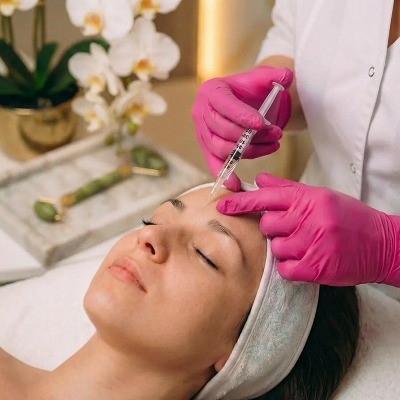
 Cosmetic treatments have become increasingly popular among people who want to refresh their appearance, soften visible signs of ageing, and enhance their natural features without undergoing surgery. With advancements in aesthetic medicine, many non-surgical procedures now offer effective ways to address common concerns such as fine lines, wrinkles, volume loss, and uneven facial contours. Among these options, injectable treatments have gained considerable attention because they are minimally invasive and generally involve little downtime.For individuals exploring aesthetic treatments for the first time, understanding the different types of Cosmetic injectables (https://www.enfieldroyalclinics.om/cosmetic-injectables/) is an important starting point. These treatments are designed to address specific cosmetic concerns by working beneath the skin's surface. Depending on the product used and the treatment area, injectables can relax certain facial muscles, restore lost volume, improve facial contours, or support skin hydration. However, choosing an appropriate treatment requires an understanding of how these procedures work, their potential benefits, and the precautions involved.1. What Are Cosmetic Injectables?Cosmetic injectables are non-surgical aesthetic treatments administered through small injections into targeted areas of the face or, in some cases, other parts of the body. They are commonly used to reduce the appearance of wrinkles, enhance facial features, restore volume, and improve certain signs of skin ageing.Unlike surgical cosmetic procedures, injectable treatments generally do not require incisions or lengthy recovery periods. Most appointments are relatively short, although treatment time depends on the product, the number of areas being addressed, and the individual's aesthetic goals.There are several categories of injectables, each designed to achieve a different result. Some work by temporarily reducing muscle activity responsible for expression lines, while others add volume or improve the appearance of the skin.Although these treatments are widely available, they are medical procedures that require appropriate professional assessment. Results, suitability, and potential side effects vary from person to person.2. Different Types of Cosmetic Injectable TreatmentsUnderstanding the main categories of injectable treatments helps beginners make more informed decisions. Each option addresses particular concerns and works through a different mechanism.Anti-Wrinkle InjectionsAnti-wrinkle injections typically use botulinum toxin, a purified protein that temporarily reduces communication between nerves and selected muscles. By relaxing specific facial muscles, these treatments can soften dynamic wrinkles that develop through repeated facial expressions.Common treatment areas include:Forehead linesFrown lines between the eyebrowsCrow's feet around the eyesCertain expression-related wrinklesThe effects generally become noticeable over several days, with results developing further over approximately two weeks. They are temporary, commonly lasting around three to four months, although individual experiences differ.Dermal FillersDermal fillers are injectable products used to restore volume, improve facial contours, and soften certain folds. Many modern fillers contain hyaluronic acid, a substance naturally present in the body that helps maintain skin hydration and volume.Common treatment areas include:LipsCheeksJawlineChinNasolabial foldsUnder-eye areas in carefully selected candidatesResults depend on the product, injection technique, and treatment area. Some fillers provide immediate visible volume, while the final appearance may settle over the following days.Skin BoostersSkin boosters are injectable formulations designed primarily to improve skin quality rather than significantly change facial shape. Many contain hyaluronic acid and are used to support skin hydration, smoothness, and overall appearance.They may be considered for individuals experiencing dryness, dullness, or reduced skin elasticity. Depending on the formulation, a series of sessions may be recommended to achieve the desired improvement.3. What Are the Main Benefits of Injectable Treatments?One reason injectable procedures appeal to beginners is their ability to address different aesthetic concerns without conventional surgery. When performed appropriately, they can offer several benefits.A More Refreshed AppearanceCertain injectables can soften prominent expression lines, helping the face appear more relaxed and refreshed. Dermal fillers may also restore volume in areas that have become hollow or less defined over time.Non-Surgical ApproachMost injectable procedures do not require surgical incisions, general anaesthesia, or hospital admission. This makes them an option for people who prefer less invasive aesthetic treatments.Relatively Short Treatment SessionsMany appointments can be completed within a short period. The actual duration depends on the treatment area, the number of injections, and the complexity of the procedure.Customisable ResultsInjectable treatments can be tailored to individual facial features and aesthetic preferences. A suitable treatment plan should consider facial proportions, skin condition, age-related changes, and the individual's expectations.Limited DowntimeMany people return to their usual activities shortly after treatment. However, temporary swelling, redness, tenderness, and bruising can occur, so some recovery time may still be necessary.It is important to remember that injectable treatments do not stop the natural ageing process. Their effects are temporary, and maintenance sessions may be needed if an individual wishes to preserve the results.4. What Should Beginners Expect During and After Treatment?For someone considering injectables for the first time, understanding the treatment process can make the experience more comfortable and less intimidating.Initial ConsultationThe process should begin with a detailed consultation with a suitably qualified and experienced medical professional. During this appointment, the individual's medical history, allergies, current medications, skin condition, and aesthetic concerns should be discussed.The practitioner should also explain the available treatment options, expected outcomes, limitations, possible complications, and alternative approaches.A responsible treatment plan focuses on achieving balanced and natural-looking results rather than making unnecessary changes to facial features.Preparation Before the ProcedureBefore treatment, the practitioner may provide specific preparation instructions. These can include avoiding certain skincare products or discussing medications and supplements that may increase bruising.Individuals should never discontinue prescribed medication without consulting the healthcare professional responsible for their care.During the ProcedureThe treatment area is usually cleaned before injections are administered. Depending on the procedure, a topical numbing product or another comfort measure may be used.A fine needle or cannula may be used to deliver the product into selected areas. The number of injections varies according to the treatment plan.Most people describe the sensation as mild discomfort, although sensitivity differs between individuals.Aftercare and RecoveryFollowing treatment, temporary redness, swelling, tenderness, or bruising may develop. These effects usually improve within a few days, depending on the procedure.Aftercare instructions may include:Avoiding unnecessary pressure or rubbing of the treated area.Following the practitioner's guidance regarding exercise and strenuous activity.Keeping the treatment area clean.Avoiding excessive heat exposure if advised.Using only recommended skincare products during the initial recovery period.Attending follow-up appointments when recommended.Aftercare instructions differ between injectable products, so individual guidance should always take priority over general advice.5. Are Cosmetic Injectables Safe? Understanding the Risks and Side EffectsInjectable treatments are widely performed, but they are not entirely risk-free. Their safety depends on factors such as the product used, the injection technique, the treatment area, and the qualifications of the person performing the procedure.Common temporary side effects include:Mild swellingRedness around injection pointsBruisingTendernessTemporary discomfortMinor skin irritationThese effects generally resolve without further treatment, although their duration varies.More serious complications are less common but can occur. Dermal fillers, for example, may accidentally enter or compress a blood vessel, potentially causing tissue damage. In rare cases, vascular complications involving facial fillers can lead to vision impairment or blindness.Botulinum toxin treatments may cause unwanted muscle weakness, eyelid drooping, or other effects if the product spreads beyond the intended treatment area.Anyone experiencing severe or unusual pain, skin colour changes, vision disturbances, or sudden visual symptoms following filler treatment should seek immediate emergency medical attention. Prompt assessment is essential.Certain individuals may not be suitable candidates for specific injectable procedures. Pregnancy, breastfeeding, certain neurological conditions, active infections, allergies, and particular medical circumstances may affect treatment suitability.For this reason, a thorough medical assessment is essential before proceeding. Choosing an appropriately licensed and trained medical professional, using approved products, and understanding the risks can help reduce avoidable complications.6. How to Choose the Right Injectable Treatment for BeginnersChoosing an injectable treatment should involve more than selecting a popular procedure. The most appropriate option depends on the individual's facial anatomy, skin condition, medical history, and personal expectations.Identify the Main ConcernThe first step is understanding what the individual wants to improve. Someone concerned about forehead wrinkles may benefit from a different approach than someone experiencing volume loss in the cheeks or lips.Clearly identifying the concern helps the practitioner recommend a suitable treatment rather than an unnecessary combination of procedures.Understand the Available ProductsDifferent injectable products have different ingredients, properties, and intended uses. Before treatment, individuals should understand what product will be used, whether it is approved for the intended purpose, and how long its effects may last.Prioritise Natural-Looking ResultsFor beginners, a conservative approach is often preferable. Gradual improvements can help maintain natural facial proportions and reduce the likelihood of an overfilled or unnatural appearance.Check Professional QualificationsThe practitioner should have appropriate medical qualifications, specific training in injectable procedures, and experience treating the intended area. The treatment environment should also meet suitable hygiene and safety standards.Individuals should feel comfortable asking questions about the practitioner's experience, product authenticity, emergency protocols, and follow-up care.Set Realistic ExpectationsInjectables can improve certain aesthetic concerns, but they cannot completely eliminate wrinkles, prevent ageing, or replace surgical procedures when significant structural changes are involved.A good treatment plan should focus on achievable improvements while respecting the individual's natural features.Frequently Asked Questions (FAQs)1. What age is suitable for starting cosmetic injectable treatments?There is no universal age at which everyone should begin injectable treatments. Suitability depends on the individual's concerns, medical history, skin condition, and the specific product being considered. Some treatments are intended for adults with particular cosmetic concerns, but an assessment by a qualified medical professional is necessary before proceeding.2. How long do cosmetic injectable results last?The duration depends on the type of injectable, the treatment area, the product used, and individual factors. Anti-wrinkle injections commonly last around three to four months, while hyaluronic acid fillers may last approximately six to eighteen months or longer in certain areas. Skin boosters have different treatment schedules and maintenance requirements.3. Are injectable treatments painful?Most injectable treatments involve mild discomfort rather than significant pain. The sensation can feel like a small pinch, pressure, or brief stinging. Some procedures use topical numbing products or fillers containing local anaesthetic to improve comfort.4. Can cosmetic injectables provide natural-looking results?Yes, natural-looking results are possible when treatments are carefully planned and performed by an experienced practitioner. Using appropriate products, conservative amounts, and techniques that respect facial proportions can help maintain a balanced appearance.5. Is there any downtime after injectable treatments?Most injectable procedures involve minimal downtime, and many individuals can return to normal daily activities relatively quickly. However, mild swelling, bruising, redness, and tenderness may occur. Recovery varies depending on the treatment and individual response.6. Can different types of injectable treatments be combined?Certain injectable treatments can be combined as part of an individualised aesthetic plan. For example, anti-wrinkle injections and dermal fillers may address different concerns. However, combining procedures is not suitable for everyone. A qualified practitioner should determine whether treatments can be safely performed together or should be scheduled separately.Final ThoughtsCosmetic injectables offer several non-surgical options for individuals interested in addressing visible signs of ageing, improving facial contours, and enhancing skin quality. From anti-wrinkle injections and dermal fillers to skin boosters, each treatment serves a different purpose and offers distinct benefits.For beginners, the most important step is understanding the available options before making a decision. A thorough consultation, realistic expectations, appropriate product selection, and treatment by a qualified medical professional all contribute to a safer and more informed experience.Rather than following trends or seeking dramatic changes, individuals should prioritise treatments that complement their natural features and address their specific concerns. With careful planning and proper aftercare, injectable treatments may help achieve subtle, balanced, and personalised aesthetic improvements.Read More About Cosmetic injectables: https://b.cari.com.my/home.php?mod=space&uid=3172561&do=blog&quickforward=1&id=627537
 Cosmetic treatments have become increasingly popular among people who want to refresh their appearance, soften visible signs of ageing, and enhance their natural features without undergoing surgery. With advancements in aesthetic medicine, many non-surgical procedures now offer effective ways to address common concerns such as fine lines, wrinkles, volume loss, and uneven facial contours. Among these options, injectable treatments have gained considerable attention because they are minimally invasive and generally involve little downtime.For individuals exploring aesthetic treatments for the first time, understanding the different types of Cosmetic injectables (https://www.enfieldroyalclinics.om/cosmetic-injectables/) is an important starting point. These treatments are designed to address specific cosmetic concerns by working beneath the skin's surface. Depending on the product used and the treatment area, injectables can relax certain facial muscles, restore lost volume, improve facial contours, or support skin hydration. However, choosing an appropriate treatment requires an understanding of how these procedures work, their potential benefits, and the precautions involved.1. What Are Cosmetic Injectables?Cosmetic injectables are non-surgical aesthetic treatments administered through small injections into targeted areas of the face or, in some cases, other parts of the body. They are commonly used to reduce the appearance of wrinkles, enhance facial features, restore volume, and improve certain signs of skin ageing.Unlike surgical cosmetic procedures, injectable treatments generally do not require incisions or lengthy recovery periods. Most appointments are relatively short, although treatment time depends on the product, the number of areas being addressed, and the individual's aesthetic goals.There are several categories of injectables, each designed to achieve a different result. Some work by temporarily reducing muscle activity responsible for expression lines, while others add volume or improve the appearance of the skin.Although these treatments are widely available, they are medical procedures that require appropriate professional assessment. Results, suitability, and potential side effects vary from person to person.2. Different Types of Cosmetic Injectable TreatmentsUnderstanding the main categories of injectable treatments helps beginners make more informed decisions. Each option addresses particular concerns and works through a different mechanism.Anti-Wrinkle InjectionsAnti-wrinkle injections typically use botulinum toxin, a purified protein that temporarily reduces communication between nerves and selected muscles. By relaxing specific facial muscles, these treatments can soften dynamic wrinkles that develop through repeated facial expressions.Common treatment areas include:Forehead linesFrown lines between the eyebrowsCrow's feet around the eyesCertain expression-related wrinklesThe effects generally become noticeable over several days, with results developing further over approximately two weeks. They are temporary, commonly lasting around three to four months, although individual experiences differ.Dermal FillersDermal fillers are injectable products used to restore volume, improve facial contours, and soften certain folds. Many modern fillers contain hyaluronic acid, a substance naturally present in the body that helps maintain skin hydration and volume.Common treatment areas include:LipsCheeksJawlineChinNasolabial foldsUnder-eye areas in carefully selected candidatesResults depend on the product, injection technique, and treatment area. Some fillers provide immediate visible volume, while the final appearance may settle over the following days.Skin BoostersSkin boosters are injectable formulations designed primarily to improve skin quality rather than significantly change facial shape. Many contain hyaluronic acid and are used to support skin hydration, smoothness, and overall appearance.They may be considered for individuals experiencing dryness, dullness, or reduced skin elasticity. Depending on the formulation, a series of sessions may be recommended to achieve the desired improvement.3. What Are the Main Benefits of Injectable Treatments?One reason injectable procedures appeal to beginners is their ability to address different aesthetic concerns without conventional surgery. When performed appropriately, they can offer several benefits.A More Refreshed AppearanceCertain injectables can soften prominent expression lines, helping the face appear more relaxed and refreshed. Dermal fillers may also restore volume in areas that have become hollow or less defined over time.Non-Surgical ApproachMost injectable procedures do not require surgical incisions, general anaesthesia, or hospital admission. This makes them an option for people who prefer less invasive aesthetic treatments.Relatively Short Treatment SessionsMany appointments can be completed within a short period. The actual duration depends on the treatment area, the number of injections, and the complexity of the procedure.Customisable ResultsInjectable treatments can be tailored to individual facial features and aesthetic preferences. A suitable treatment plan should consider facial proportions, skin condition, age-related changes, and the individual's expectations.Limited DowntimeMany people return to their usual activities shortly after treatment. However, temporary swelling, redness, tenderness, and bruising can occur, so some recovery time may still be necessary.It is important to remember that injectable treatments do not stop the natural ageing process. Their effects are temporary, and maintenance sessions may be needed if an individual wishes to preserve the results.4. What Should Beginners Expect During and After Treatment?For someone considering injectables for the first time, understanding the treatment process can make the experience more comfortable and less intimidating.Initial ConsultationThe process should begin with a detailed consultation with a suitably qualified and experienced medical professional. During this appointment, the individual's medical history, allergies, current medications, skin condition, and aesthetic concerns should be discussed.The practitioner should also explain the available treatment options, expected outcomes, limitations, possible complications, and alternative approaches.A responsible treatment plan focuses on achieving balanced and natural-looking results rather than making unnecessary changes to facial features.Preparation Before the ProcedureBefore treatment, the practitioner may provide specific preparation instructions. These can include avoiding certain skincare products or discussing medications and supplements that may increase bruising.Individuals should never discontinue prescribed medication without consulting the healthcare professional responsible for their care.During the ProcedureThe treatment area is usually cleaned before injections are administered. Depending on the procedure, a topical numbing product or another comfort measure may be used.A fine needle or cannula may be used to deliver the product into selected areas. The number of injections varies according to the treatment plan.Most people describe the sensation as mild discomfort, although sensitivity differs between individuals.Aftercare and RecoveryFollowing treatment, temporary redness, swelling, tenderness, or bruising may develop. These effects usually improve within a few days, depending on the procedure.Aftercare instructions may include:Avoiding unnecessary pressure or rubbing of the treated area.Following the practitioner's guidance regarding exercise and strenuous activity.Keeping the treatment area clean.Avoiding excessive heat exposure if advised.Using only recommended skincare products during the initial recovery period.Attending follow-up appointments when recommended.Aftercare instructions differ between injectable products, so individual guidance should always take priority over general advice.5. Are Cosmetic Injectables Safe? Understanding the Risks and Side EffectsInjectable treatments are widely performed, but they are not entirely risk-free. Their safety depends on factors such as the product used, the injection technique, the treatment area, and the qualifications of the person performing the procedure.Common temporary side effects include:Mild swellingRedness around injection pointsBruisingTendernessTemporary discomfortMinor skin irritationThese effects generally resolve without further treatment, although their duration varies.More serious complications are less common but can occur. Dermal fillers, for example, may accidentally enter or compress a blood vessel, potentially causing tissue damage. In rare cases, vascular complications involving facial fillers can lead to vision impairment or blindness.Botulinum toxin treatments may cause unwanted muscle weakness, eyelid drooping, or other effects if the product spreads beyond the intended treatment area.Anyone experiencing severe or unusual pain, skin colour changes, vision disturbances, or sudden visual symptoms following filler treatment should seek immediate emergency medical attention. Prompt assessment is essential.Certain individuals may not be suitable candidates for specific injectable procedures. Pregnancy, breastfeeding, certain neurological conditions, active infections, allergies, and particular medical circumstances may affect treatment suitability.For this reason, a thorough medical assessment is essential before proceeding. Choosing an appropriately licensed and trained medical professional, using approved products, and understanding the risks can help reduce avoidable complications.6. How to Choose the Right Injectable Treatment for BeginnersChoosing an injectable treatment should involve more than selecting a popular procedure. The most appropriate option depends on the individual's facial anatomy, skin condition, medical history, and personal expectations.Identify the Main ConcernThe first step is understanding what the individual wants to improve. Someone concerned about forehead wrinkles may benefit from a different approach than someone experiencing volume loss in the cheeks or lips.Clearly identifying the concern helps the practitioner recommend a suitable treatment rather than an unnecessary combination of procedures.Understand the Available ProductsDifferent injectable products have different ingredients, properties, and intended uses. Before treatment, individuals should understand what product will be used, whether it is approved for the intended purpose, and how long its effects may last.Prioritise Natural-Looking ResultsFor beginners, a conservative approach is often preferable. Gradual improvements can help maintain natural facial proportions and reduce the likelihood of an overfilled or unnatural appearance.Check Professional QualificationsThe practitioner should have appropriate medical qualifications, specific training in injectable procedures, and experience treating the intended area. The treatment environment should also meet suitable hygiene and safety standards.Individuals should feel comfortable asking questions about the practitioner's experience, product authenticity, emergency protocols, and follow-up care.Set Realistic ExpectationsInjectables can improve certain aesthetic concerns, but they cannot completely eliminate wrinkles, prevent ageing, or replace surgical procedures when significant structural changes are involved.A good treatment plan should focus on achievable improvements while respecting the individual's natural features.Frequently Asked Questions (FAQs)1. What age is suitable for starting cosmetic injectable treatments?There is no universal age at which everyone should begin injectable treatments. Suitability depends on the individual's concerns, medical history, skin condition, and the specific product being considered. Some treatments are intended for adults with particular cosmetic concerns, but an assessment by a qualified medical professional is necessary before proceeding.2. How long do cosmetic injectable results last?The duration depends on the type of injectable, the treatment area, the product used, and individual factors. Anti-wrinkle injections commonly last around three to four months, while hyaluronic acid fillers may last approximately six to eighteen months or longer in certain areas. Skin boosters have different treatment schedules and maintenance requirements.3. Are injectable treatments painful?Most injectable treatments involve mild discomfort rather than significant pain. The sensation can feel like a small pinch, pressure, or brief stinging. Some procedures use topical numbing products or fillers containing local anaesthetic to improve comfort.4. Can cosmetic injectables provide natural-looking results?Yes, natural-looking results are possible when treatments are carefully planned and performed by an experienced practitioner. Using appropriate products, conservative amounts, and techniques that respect facial proportions can help maintain a balanced appearance.5. Is there any downtime after injectable treatments?Most injectable procedures involve minimal downtime, and many individuals can return to normal daily activities relatively quickly. However, mild swelling, bruising, redness, and tenderness may occur. Recovery varies depending on the treatment and individual response.6. Can different types of injectable treatments be combined?Certain injectable treatments can be combined as part of an individualised aesthetic plan. For example, anti-wrinkle injections and dermal fillers may address different concerns. However, combining procedures is not suitable for everyone. A qualified practitioner should determine whether treatments can be safely performed together or should be scheduled separately.Final ThoughtsCosmetic injectables offer several non-surgical options for individuals interested in addressing visible signs of ageing, improving facial contours, and enhancing skin quality. From anti-wrinkle injections and dermal fillers to skin boosters, each treatment serves a different purpose and offers distinct benefits.For beginners, the most important step is understanding the available options before making a decision. A thorough consultation, realistic expectations, appropriate product selection, and treatment by a qualified medical professional all contribute to a safer and more informed experience.Rather than following trends or seeking dramatic changes, individuals should prioritise treatments that complement their natural features and address their specific concerns. With careful planning and proper aftercare, injectable treatments may help achieve subtle, balanced, and personalised aesthetic improvements.Read More About Cosmetic injectables: https://b.cari.com.my/home.php?mod=space&uid=3172561&do=blog&quickforward=1&id=627537
Wed, 18 November 26 : 9:11 : Enfield Oman
Visit / Join Group to Reply