


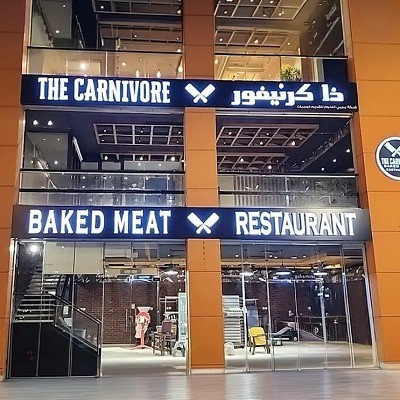
 Fine dining is more than enjoying a delicious meal. It is an experience that combines exceptional food, elegant surroundings, attentive hospitality, and carefully planned details. From the moment guests enter a restaurant, every element contributes to creating an atmosphere that feels welcoming, memorable, and special. Whether it is a family celebration, a business dinner, a romantic evening, or simply an opportunity to enjoy quality cuisine, fine dining offers something beyond an ordinary restaurant visit.For guests exploring a Fine Dine Restaurant in Riyadh (https://www.thecarnivorerestaurant.com/en), the experience often begins with the perfect combination of sophisticated interiors, carefully prepared dishes, and professional service. Riyadh's dining scene continues to offer exciting culinary experiences, giving guests opportunities to discover distinctive flavors, enjoy premium ingredients, and appreciate the art of hospitality. But what truly makes a fine dining experience unforgettable? The answer lies in several important details that work together to create lasting impressions.1. Exceptional Food Quality and Attention to DetailThe foundation of every successful fine dining experience is the quality of its food. Guests expect more than an attractive presentation; they look for excellent ingredients, balanced flavors, and thoughtful preparation. Every dish should demonstrate the restaurant's commitment to culinary standards.High-quality ingredients make a noticeable difference. Fresh vegetables, carefully selected meats, premium seafood, and complementary seasonings help create meals with distinctive flavors. Professional chefs pay attention to cooking temperatures, ingredient combinations, textures, and presentation to ensure that each plate meets expectations.Consistency is equally important. Guests visiting a restaurant for the first time should receive the same attention to food quality as returning customers. A well-prepared signature dish can become a reason for guests to revisit and recommend the restaurant to others.Fine dining is also about understanding different preferences. Providing a thoughtful selection of dishes, accommodating reasonable dietary requirements, and offering balanced menu choices can make the experience more enjoyable for a wider audience.2. Elegant Ambience That Creates the Right AtmosphereThe atmosphere of a restaurant influences how guests feel throughout their visit. Fine dining establishments understand that interior design, lighting, music, seating arrangements, and cleanliness all contribute to the overall experience.An elegant dining space does not necessarily need extravagant decoration. Instead, it should have a harmonious design that makes guests feel comfortable and relaxed. Carefully selected furniture, attractive table settings, suitable lighting, and coordinated interior elements help establish a welcoming environment.Lighting plays a particularly important role. Soft, balanced lighting can create an intimate atmosphere for special occasions, while well-designed general lighting ensures that guests can comfortably enjoy their food and surroundings.Music is another subtle detail. Background music should complement conversations rather than interrupt them. Similarly, appropriate spacing between tables provides guests with a sense of privacy and allows them to enjoy their meals without unnecessary distractions.Cleanliness is essential in every dining environment. Well-maintained tables, spotless dining areas, clean restrooms, and organized service stations reflect professionalism and attention to detail.3. Personalized Hospitality and Professional ServiceExcellent hospitality is one of the biggest secrets behind an unforgettable fine dining experience. Even the most impressive menu and beautiful interior can lose their appeal if guests do not receive attentive and respectful service.Professional restaurant staff understand how to make guests feel welcome without making them uncomfortable. A friendly greeting, clear communication, helpful recommendations, and timely service can significantly improve the dining experience.Personalized hospitality also involves recognizing that every guest has different expectations. Some guests may appreciate detailed explanations of the menu, while others may prefer a quiet and uninterrupted meal. Experienced staff know how to adapt their approach to different situations.Knowledge of the menu is another important quality. Servers should be able to explain ingredients, cooking methods, portion sizes, and available alternatives. This helps guests make informed decisions, especially when they have specific dietary preferences or food allergies.Attention to timing also matters. Meals should arrive at an appropriate pace, allowing guests to enjoy each course without feeling rushed or experiencing unnecessary delays.Ultimately, exceptional service is not about doing too much. It is about understanding what guests need and delivering it with warmth, professionalism, and consistency.4. Menu Variety, Signature Dishes, and Culinary CreativityA thoughtfully designed menu gives a fine dining restaurant its unique identity. Guests often remember restaurants because of a particular dish, an interesting flavor combination, or a distinctive approach to traditional cuisine.Menu development requires a balance between creativity and familiarity. While innovative dishes can attract adventurous diners, recognizable options help guests feel comfortable exploring the menu.Signature dishes are particularly valuable because they reflect the restaurant's culinary personality. These meals may feature specialized cooking techniques, carefully selected ingredients, or distinctive flavor combinations that guests cannot easily find elsewhere.Presentation is another important part of culinary creativity. Chefs consider colors, textures, portion arrangements, garnishes, and serving dishes to make meals visually appealing. However, presentation should always complement the food rather than distract from its taste.Restaurants can also enhance the dining experience by offering suitable combinations of appetizers, main courses, side dishes, and desserts. A well-organized menu allows guests to build a complete meal according to their preferences.For diners who enjoy premium meat dishes, preparation methods deserve particular attention. Grilling, roasting, seasoning, and resting techniques can influence tenderness, flavor, and overall satisfaction. Understanding these details helps guests appreciate the craftsmanship behind each meal.5. Comfort, Food Safety, and Consideration for Guest PreferencesAn unforgettable restaurant experience should also prioritize guest comfort and responsible food handling. Although ambience and presentation are important, the fundamentals of cleanliness, hygiene, and food safety should never be overlooked.Restaurants must follow appropriate food-handling practices, maintain suitable storage temperatures, and ensure that kitchen equipment and preparation areas are regularly cleaned. Proper separation of raw and cooked ingredients helps reduce the risk of cross-contamination.Guests also appreciate transparency about ingredients and preparation methods. Clear information is particularly useful for individuals with food allergies, intolerances, or specific dietary requirements.For diners who are conscious of their eating habits, a balanced approach to menu selection can make restaurant visits more comfortable. They may prefer meals that include suitable protein sources, vegetables, and appropriate portion sizes.However, fine dining does not automatically mean that every dish is healthy or suitable for every individual. Ingredients, preparation techniques, sauces, portion sizes, and individual nutritional needs all influence a meal's overall nutritional value.Restaurants that provide clear menu descriptions and accommodate reasonable requests can help guests make choices that suit their preferences without compromising the enjoyment of dining out.6. Memorable Occasions and the Complete Guest ExperienceFine dining often becomes part of life's most meaningful occasions. Birthdays, anniversaries, family gatherings, professional meetings, and romantic celebrations can all become more memorable when the dining environment is thoughtfully designed.A restaurant's ability to manage special occasions reflects its attention to guest expectations. Comfortable seating, suitable table arrangements, coordinated service, and thoughtful assistance can help celebrations run smoothly.The overall experience also includes the small details that guests may not immediately notice. These include the ease of making a reservation, clear communication, convenient seating, organized service, and a pleasant departure.Modern diners also appreciate restaurants that maintain an effective digital presence. Updated websites, accessible menus, clear contact information, and convenient reservation options help guests plan their visits with confidence.Another important factor is consistency. A memorable first visit may encourage guests to return, but maintaining high standards across future visits is what builds long-term trust and loyalty.When food, hospitality, ambience, and convenience come together, dining becomes more than a routine activity. It becomes an experience that guests remember and share with others.Frequently Asked Questions1. What makes a fine dining restaurant different from a regular restaurant?Fine dining restaurants generally focus on premium food quality, professional hospitality, elegant surroundings, thoughtful presentation, and a more carefully organized dining experience. Every detail is designed to provide guests with a memorable visit.2. What should guests look for when choosing a fine dining restaurant in Riyadh?Guests can consider menu variety, food quality, cleanliness, ambience, customer reviews, service standards, location, and reservation convenience. Checking the menu beforehand can also help ensure that the restaurant meets their preferences.3. Is fine dining suitable for family gatherings and special occasions?Yes. Fine dining can be suitable for birthdays, anniversaries, family dinners, and other celebrations. Guests should consider seating arrangements, menu options, restaurant atmosphere, and reservation availability when planning an occasion.4. Does fine dining always mean expensive food?Not necessarily. Fine dining focuses on the overall quality of the experience, including ingredients, preparation, service, and atmosphere. Guests should review the available menu and choose an establishment that matches their expectations and budget.5. Can guests with dietary restrictions enjoy fine dining?Yes, many restaurants can accommodate certain dietary preferences and restrictions. Guests should communicate allergies or specific requirements to restaurant staff before ordering and confirm ingredient details when necessary.6. How can guests make the most of a fine dining experience?Guests can make their visit more enjoyable by reviewing the menu, making reservations when needed, informing staff about dietary requirements, exploring signature dishes, and allowing enough time to enjoy each course without rushing.Final ThoughtsAn unforgettable fine dining experience is created through a combination of exceptional cuisine, welcoming hospitality, elegant surroundings, and attention to the smallest details. Every element contributes to how guests feel, from the quality of the first dish to the comfort of the final moments of their visit.Riyadh's growing dining culture provides opportunities for guests to explore different culinary styles and enjoy thoughtfully designed restaurant experiences. By considering food quality, service, ambience, cleanliness, and personal preferences, diners can make more informed choices and enjoy occasions that become lasting memories.Ultimately, the real secret behind fine dining is not simply serving excellent food. It is creating an environment where guests feel valued, comfortable, and genuinely delighted throughout their visit.
 Fine dining is more than enjoying a delicious meal. It is an experience that combines exceptional food, elegant surroundings, attentive hospitality, and carefully planned details. From the moment guests enter a restaurant, every element contributes to creating an atmosphere that feels welcoming, memorable, and special. Whether it is a family celebration, a business dinner, a romantic evening, or simply an opportunity to enjoy quality cuisine, fine dining offers something beyond an ordinary restaurant visit.For guests exploring a Fine Dine Restaurant in Riyadh (https://www.thecarnivorerestaurant.com/en), the experience often begins with the perfect combination of sophisticated interiors, carefully prepared dishes, and professional service. Riyadh's dining scene continues to offer exciting culinary experiences, giving guests opportunities to discover distinctive flavors, enjoy premium ingredients, and appreciate the art of hospitality. But what truly makes a fine dining experience unforgettable? The answer lies in several important details that work together to create lasting impressions.1. Exceptional Food Quality and Attention to DetailThe foundation of every successful fine dining experience is the quality of its food. Guests expect more than an attractive presentation; they look for excellent ingredients, balanced flavors, and thoughtful preparation. Every dish should demonstrate the restaurant's commitment to culinary standards.High-quality ingredients make a noticeable difference. Fresh vegetables, carefully selected meats, premium seafood, and complementary seasonings help create meals with distinctive flavors. Professional chefs pay attention to cooking temperatures, ingredient combinations, textures, and presentation to ensure that each plate meets expectations.Consistency is equally important. Guests visiting a restaurant for the first time should receive the same attention to food quality as returning customers. A well-prepared signature dish can become a reason for guests to revisit and recommend the restaurant to others.Fine dining is also about understanding different preferences. Providing a thoughtful selection of dishes, accommodating reasonable dietary requirements, and offering balanced menu choices can make the experience more enjoyable for a wider audience.2. Elegant Ambience That Creates the Right AtmosphereThe atmosphere of a restaurant influences how guests feel throughout their visit. Fine dining establishments understand that interior design, lighting, music, seating arrangements, and cleanliness all contribute to the overall experience.An elegant dining space does not necessarily need extravagant decoration. Instead, it should have a harmonious design that makes guests feel comfortable and relaxed. Carefully selected furniture, attractive table settings, suitable lighting, and coordinated interior elements help establish a welcoming environment.Lighting plays a particularly important role. Soft, balanced lighting can create an intimate atmosphere for special occasions, while well-designed general lighting ensures that guests can comfortably enjoy their food and surroundings.Music is another subtle detail. Background music should complement conversations rather than interrupt them. Similarly, appropriate spacing between tables provides guests with a sense of privacy and allows them to enjoy their meals without unnecessary distractions.Cleanliness is essential in every dining environment. Well-maintained tables, spotless dining areas, clean restrooms, and organized service stations reflect professionalism and attention to detail.3. Personalized Hospitality and Professional ServiceExcellent hospitality is one of the biggest secrets behind an unforgettable fine dining experience. Even the most impressive menu and beautiful interior can lose their appeal if guests do not receive attentive and respectful service.Professional restaurant staff understand how to make guests feel welcome without making them uncomfortable. A friendly greeting, clear communication, helpful recommendations, and timely service can significantly improve the dining experience.Personalized hospitality also involves recognizing that every guest has different expectations. Some guests may appreciate detailed explanations of the menu, while others may prefer a quiet and uninterrupted meal. Experienced staff know how to adapt their approach to different situations.Knowledge of the menu is another important quality. Servers should be able to explain ingredients, cooking methods, portion sizes, and available alternatives. This helps guests make informed decisions, especially when they have specific dietary preferences or food allergies.Attention to timing also matters. Meals should arrive at an appropriate pace, allowing guests to enjoy each course without feeling rushed or experiencing unnecessary delays.Ultimately, exceptional service is not about doing too much. It is about understanding what guests need and delivering it with warmth, professionalism, and consistency.4. Menu Variety, Signature Dishes, and Culinary CreativityA thoughtfully designed menu gives a fine dining restaurant its unique identity. Guests often remember restaurants because of a particular dish, an interesting flavor combination, or a distinctive approach to traditional cuisine.Menu development requires a balance between creativity and familiarity. While innovative dishes can attract adventurous diners, recognizable options help guests feel comfortable exploring the menu.Signature dishes are particularly valuable because they reflect the restaurant's culinary personality. These meals may feature specialized cooking techniques, carefully selected ingredients, or distinctive flavor combinations that guests cannot easily find elsewhere.Presentation is another important part of culinary creativity. Chefs consider colors, textures, portion arrangements, garnishes, and serving dishes to make meals visually appealing. However, presentation should always complement the food rather than distract from its taste.Restaurants can also enhance the dining experience by offering suitable combinations of appetizers, main courses, side dishes, and desserts. A well-organized menu allows guests to build a complete meal according to their preferences.For diners who enjoy premium meat dishes, preparation methods deserve particular attention. Grilling, roasting, seasoning, and resting techniques can influence tenderness, flavor, and overall satisfaction. Understanding these details helps guests appreciate the craftsmanship behind each meal.5. Comfort, Food Safety, and Consideration for Guest PreferencesAn unforgettable restaurant experience should also prioritize guest comfort and responsible food handling. Although ambience and presentation are important, the fundamentals of cleanliness, hygiene, and food safety should never be overlooked.Restaurants must follow appropriate food-handling practices, maintain suitable storage temperatures, and ensure that kitchen equipment and preparation areas are regularly cleaned. Proper separation of raw and cooked ingredients helps reduce the risk of cross-contamination.Guests also appreciate transparency about ingredients and preparation methods. Clear information is particularly useful for individuals with food allergies, intolerances, or specific dietary requirements.For diners who are conscious of their eating habits, a balanced approach to menu selection can make restaurant visits more comfortable. They may prefer meals that include suitable protein sources, vegetables, and appropriate portion sizes.However, fine dining does not automatically mean that every dish is healthy or suitable for every individual. Ingredients, preparation techniques, sauces, portion sizes, and individual nutritional needs all influence a meal's overall nutritional value.Restaurants that provide clear menu descriptions and accommodate reasonable requests can help guests make choices that suit their preferences without compromising the enjoyment of dining out.6. Memorable Occasions and the Complete Guest ExperienceFine dining often becomes part of life's most meaningful occasions. Birthdays, anniversaries, family gatherings, professional meetings, and romantic celebrations can all become more memorable when the dining environment is thoughtfully designed.A restaurant's ability to manage special occasions reflects its attention to guest expectations. Comfortable seating, suitable table arrangements, coordinated service, and thoughtful assistance can help celebrations run smoothly.The overall experience also includes the small details that guests may not immediately notice. These include the ease of making a reservation, clear communication, convenient seating, organized service, and a pleasant departure.Modern diners also appreciate restaurants that maintain an effective digital presence. Updated websites, accessible menus, clear contact information, and convenient reservation options help guests plan their visits with confidence.Another important factor is consistency. A memorable first visit may encourage guests to return, but maintaining high standards across future visits is what builds long-term trust and loyalty.When food, hospitality, ambience, and convenience come together, dining becomes more than a routine activity. It becomes an experience that guests remember and share with others.Frequently Asked Questions1. What makes a fine dining restaurant different from a regular restaurant?Fine dining restaurants generally focus on premium food quality, professional hospitality, elegant surroundings, thoughtful presentation, and a more carefully organized dining experience. Every detail is designed to provide guests with a memorable visit.2. What should guests look for when choosing a fine dining restaurant in Riyadh?Guests can consider menu variety, food quality, cleanliness, ambience, customer reviews, service standards, location, and reservation convenience. Checking the menu beforehand can also help ensure that the restaurant meets their preferences.3. Is fine dining suitable for family gatherings and special occasions?Yes. Fine dining can be suitable for birthdays, anniversaries, family dinners, and other celebrations. Guests should consider seating arrangements, menu options, restaurant atmosphere, and reservation availability when planning an occasion.4. Does fine dining always mean expensive food?Not necessarily. Fine dining focuses on the overall quality of the experience, including ingredients, preparation, service, and atmosphere. Guests should review the available menu and choose an establishment that matches their expectations and budget.5. Can guests with dietary restrictions enjoy fine dining?Yes, many restaurants can accommodate certain dietary preferences and restrictions. Guests should communicate allergies or specific requirements to restaurant staff before ordering and confirm ingredient details when necessary.6. How can guests make the most of a fine dining experience?Guests can make their visit more enjoyable by reviewing the menu, making reservations when needed, informing staff about dietary requirements, exploring signature dishes, and allowing enough time to enjoy each course without rushing.Final ThoughtsAn unforgettable fine dining experience is created through a combination of exceptional cuisine, welcoming hospitality, elegant surroundings, and attention to the smallest details. Every element contributes to how guests feel, from the quality of the first dish to the comfort of the final moments of their visit.Riyadh's growing dining culture provides opportunities for guests to explore different culinary styles and enjoy thoughtfully designed restaurant experiences. By considering food quality, service, ambience, cleanliness, and personal preferences, diners can make more informed choices and enjoy occasions that become lasting memories.Ultimately, the real secret behind fine dining is not simply serving excellent food. It is creating an environment where guests feel valued, comfortable, and genuinely delighted throughout their visit.
Mon, 16 November 26 : 11:11 : The Carnivore
Visit / Join Group to Reply