


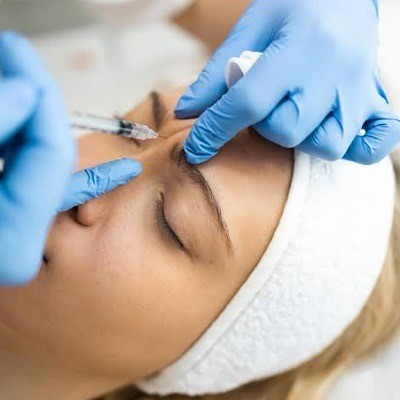
 Botox injections have become a popular non-surgical cosmetic treatment for people who want to soften fine lines, reduce wrinkles, and achieve a refreshed appearance without undergoing surgery. Despite their popularity, many first-time patients have one common concern: Do Botox injections hurt? The thought of receiving multiple injections into the face can naturally cause some hesitation, especially for individuals who are unfamiliar with cosmetic treatments.For those considering Botox Injections in Muscat (https://www.enfieldroyalclinics.om/cosmetic-injectables/botox-injections/), understanding what the procedure feels like, how long discomfort lasts, and what happens before and after treatment can make the experience less intimidating. Although Botox involves small injections, most people describe the sensation as a brief pinch, tiny prick, or mild stinging feeling rather than significant pain. Knowing what to expect can help individuals feel more confident and prepared before their appointment.1. Do Botox Injections Actually Hurt?Botox injections are generally considered well-tolerated, and most people experience only minimal discomfort during treatment. The procedure involves using a very fine needle to inject a small amount of botulinum toxin into specific facial muscles. Because the needle is extremely thin, the sensation is usually quick and manageable.Patients commonly compare the feeling to a mosquito bite or a tiny pinprick. Some areas of the face may be more sensitive than others, but the discomfort typically lasts only a few seconds at each injection point.The level of discomfort can vary depending on several factors, including individual pain tolerance, the treatment area, skin sensitivity, and the number of injections required. People who are particularly sensitive to needles may feel slightly more discomfort, while others barely notice the injections.In most cases, the treatment does not require significant downtime, and individuals can return to their usual daily activities shortly afterward. This combination of relatively low discomfort and convenience makes Botox an appealing option for people seeking non-surgical facial rejuvenation.2. What Does Botox Feel Like During the Procedure?Understanding the sensations associated with Botox treatment can help reduce anxiety, particularly for first-time patients. Although the experience differs from person to person, the procedure generally involves a few simple stages.A Slight Pinching SensationWhen the needle enters the skin, patients may feel a quick pinch or prick. This sensation is usually very brief and disappears almost immediately after the injection.Mild Pressure Around the Injection AreaSome individuals notice slight pressure when the product is administered. This feeling is generally mild and temporary, with no prolonged discomfort expected during a routine treatment.A Brief Stinging or Burning FeelingOccasionally, a person may experience a mild stinging sensation around the injection site. This can happen because of the injection itself or the solution entering the tissue. It usually settles quickly.Temporary Tenderness After TreatmentOnce the injections are complete, the treated areas may feel slightly sensitive. Some people experience mild redness, small raised spots, or tenderness around the injection points. These effects generally improve within a short period.Overall, Botox treatment is typically a quick procedure, and the sensation is usually much less uncomfortable than many first-time patients expect.3. Which Areas Hurt More During Botox Injections?The level of discomfort can depend on the location of the injections. Certain facial areas have more sensitive skin or different underlying muscle structures, which may influence how the treatment feels.Common Botox treatment areas include:Forehead: The forehead is a frequently treated area for reducing horizontal expression lines. Most people experience only mild pinching during injections.Between the Eyebrows: This area is commonly treated to soften frown lines. Some individuals notice slightly more sensitivity because of the location and surrounding muscles.Around the Eyes: Botox injections near the outer corners of the eyes can cause a brief pinching sensation. The skin in this region is relatively delicate, so gentle injection techniques are important.Around the Mouth: Treatments involving certain muscles around the mouth may feel slightly more sensitive because of the area's movement and structure.Jaw Muscles: Botox injections into the masseter muscles may involve deeper injections than some facial treatments. Patients may experience mild pressure or discomfort, depending on the treatment technique.It is important to remember that pain perception is highly individual. An area that feels uncomfortable for one person may cause very little sensation for someone else.4. How Can Discomfort During Botox Treatment Be Reduced?Although Botox injections are generally associated with minimal discomfort, several simple measures can help make the experience more comfortable.Choose a Qualified Medical ProfessionalOne of the most important factors is selecting an appropriately qualified and trained medical professional. Proper injection techniques, familiarity with facial anatomy, and suitable needle selection can help improve comfort and reduce the likelihood of complications.Discuss Pain Sensitivity Before TreatmentIndividuals who feel nervous about needles or have a low pain threshold should discuss their concerns before the procedure. This allows the treating professional to explain the process and consider suitable comfort measures.Ask About Topical Numbing OptionsSome treatment settings may offer a topical numbing cream or another appropriate cooling method before injections. These options can help reduce skin sensitivity, although they are not always necessary because Botox injections are usually brief.Keep Facial Muscles RelaxedRemaining relaxed during the procedure can make the experience easier. Tensing facial muscles or holding unnecessary tension may increase discomfort or anxiety.Follow Pre-Treatment InstructionsPatients should follow the medical professional's instructions before treatment. They should also disclose medications, supplements, allergies, medical conditions, and any history of unusual reactions to injections.These steps can help create a more comfortable treatment experience while supporting patient safety.5. What Happens After Botox Injections?After receiving Botox injections, most people can resume their normal activities relatively quickly. However, temporary side effects may occur as the injection sites settle.Common short-term effects include:Mild redness around the injection points.Slight swelling or small bumps.Temporary tenderness.Minor bruising.A mild headache in some individuals.These effects are generally temporary and often resolve without special treatment. However, the recovery experience can vary depending on the treatment area and individual response.Botox does not produce its full cosmetic effect immediately. Most people begin noticing changes within three to five days, while the full results generally develop over approximately 10 to 14 days.Patients are commonly advised to follow their treating professional's aftercare instructions. These may include:Avoiding rubbing or massaging the treated areas for the period advised.Staying upright for approximately four hours after treatment.Avoiding strenuous exercise for the remainder of the day if advised.Following guidance about makeup and skincare immediately after injections.Avoiding unnecessary pressure on the injection sites.Patients should also avoid making assumptions about the final results too early. Allowing sufficient time for the treatment to take effect provides a more accurate picture of the outcome.Although most side effects are mild, individuals should seek prompt medical attention if they experience difficulty breathing or swallowing, significant vision changes, or unusual muscle weakness. These symptoms require urgent assessment.6. How Long Do Botox Results Last, and Is Maintenance Painful?Botox results are temporary, with effects commonly lasting around three to four months. However, the duration can vary according to the treatment area, dosage, individual metabolism, muscle activity, and response to the product.As the effects gradually wear off, the treated muscles begin returning to their usual activity. Expression lines may slowly become more noticeable again.Some individuals choose to maintain their results through repeat treatments, provided these are medically appropriate. However, treatment frequency should be determined by a qualified professional rather than following a fixed schedule.One reassuring aspect for people concerned about discomfort is that subsequent Botox sessions generally feel similar to the first treatment. Some patients even find later appointments easier because they already understand the process and know what sensations to expect.It is important not to receive injections more frequently than recommended. A suitable treatment plan should consider the individual's facial anatomy, cosmetic goals, medical history, and previous response to Botox.Ultimately, Botox is designed to provide gradual muscle relaxation rather than completely eliminate natural facial movement. A carefully planned treatment can help create a refreshed appearance while preserving a natural-looking expression.Frequently Asked Questions About Botox Injections1. Are Botox injections painful for first-time patients?Botox injections are generally not considered very painful. Most first-time patients describe the sensation as a small pinch or quick needle prick. The discomfort usually lasts only a few seconds at each injection site.2. How long does the pain last after Botox injections?Any discomfort following Botox treatment is usually mild and temporary. Slight tenderness, redness, or swelling may occur around the injection points but generally improves within a short period.3. Is numbing cream necessary before Botox injections?Numbing cream is not usually necessary because Botox injections involve very fine needles and are completed quickly. However, some individuals with sensitive skin or needle anxiety may benefit from discussing suitable comfort options with their treating professional.4. Can Botox injections cause bruising or swelling?Yes, minor bruising, redness, and swelling can occur after Botox injections. These effects are generally temporary and tend to resolve naturally. Following appropriate aftercare instructions may help reduce unnecessary irritation.5. When do Botox injections start showing results?Most individuals begin noticing changes within three to five days after treatment. The full results generally become visible within 10 to 14 days, although individual responses may vary.6. Can someone return to work after Botox injections?Most people can return to work and routine daily activities immediately after treatment. Botox typically does not require significant recovery time, although patients should follow any specific aftercare recommendations provided by their treating professional.Final ThoughtsBotox injections are generally a quick and well-tolerated cosmetic procedure, with most people experiencing only mild and brief discomfort. The sensation is often described as a small pinch or prick, making the treatment less intimidating than many individuals initially expect.Understanding the procedure, knowing which areas may be more sensitive, and following appropriate preparation and aftercare guidance can help make the experience more comfortable. Choosing a qualified medical professional is equally important for ensuring that treatment is performed safely and appropriately.For individuals considering Botox, having realistic expectations is essential. Results develop gradually, typically last several months, and may require maintenance to preserve the desired appearance. A professional consultation can help determine whether Botox is suitable and establish an approach that considers individual needs and aesthetic goals.Read More About Botox Injections: https://b.cari.com.my/home.php?mod=space&uid=3172561&do=blog&quickforward=1&id=626035
 Botox injections have become a popular non-surgical cosmetic treatment for people who want to soften fine lines, reduce wrinkles, and achieve a refreshed appearance without undergoing surgery. Despite their popularity, many first-time patients have one common concern: Do Botox injections hurt? The thought of receiving multiple injections into the face can naturally cause some hesitation, especially for individuals who are unfamiliar with cosmetic treatments.For those considering Botox Injections in Muscat (https://www.enfieldroyalclinics.om/cosmetic-injectables/botox-injections/), understanding what the procedure feels like, how long discomfort lasts, and what happens before and after treatment can make the experience less intimidating. Although Botox involves small injections, most people describe the sensation as a brief pinch, tiny prick, or mild stinging feeling rather than significant pain. Knowing what to expect can help individuals feel more confident and prepared before their appointment.1. Do Botox Injections Actually Hurt?Botox injections are generally considered well-tolerated, and most people experience only minimal discomfort during treatment. The procedure involves using a very fine needle to inject a small amount of botulinum toxin into specific facial muscles. Because the needle is extremely thin, the sensation is usually quick and manageable.Patients commonly compare the feeling to a mosquito bite or a tiny pinprick. Some areas of the face may be more sensitive than others, but the discomfort typically lasts only a few seconds at each injection point.The level of discomfort can vary depending on several factors, including individual pain tolerance, the treatment area, skin sensitivity, and the number of injections required. People who are particularly sensitive to needles may feel slightly more discomfort, while others barely notice the injections.In most cases, the treatment does not require significant downtime, and individuals can return to their usual daily activities shortly afterward. This combination of relatively low discomfort and convenience makes Botox an appealing option for people seeking non-surgical facial rejuvenation.2. What Does Botox Feel Like During the Procedure?Understanding the sensations associated with Botox treatment can help reduce anxiety, particularly for first-time patients. Although the experience differs from person to person, the procedure generally involves a few simple stages.A Slight Pinching SensationWhen the needle enters the skin, patients may feel a quick pinch or prick. This sensation is usually very brief and disappears almost immediately after the injection.Mild Pressure Around the Injection AreaSome individuals notice slight pressure when the product is administered. This feeling is generally mild and temporary, with no prolonged discomfort expected during a routine treatment.A Brief Stinging or Burning FeelingOccasionally, a person may experience a mild stinging sensation around the injection site. This can happen because of the injection itself or the solution entering the tissue. It usually settles quickly.Temporary Tenderness After TreatmentOnce the injections are complete, the treated areas may feel slightly sensitive. Some people experience mild redness, small raised spots, or tenderness around the injection points. These effects generally improve within a short period.Overall, Botox treatment is typically a quick procedure, and the sensation is usually much less uncomfortable than many first-time patients expect.3. Which Areas Hurt More During Botox Injections?The level of discomfort can depend on the location of the injections. Certain facial areas have more sensitive skin or different underlying muscle structures, which may influence how the treatment feels.Common Botox treatment areas include:Forehead: The forehead is a frequently treated area for reducing horizontal expression lines. Most people experience only mild pinching during injections.Between the Eyebrows: This area is commonly treated to soften frown lines. Some individuals notice slightly more sensitivity because of the location and surrounding muscles.Around the Eyes: Botox injections near the outer corners of the eyes can cause a brief pinching sensation. The skin in this region is relatively delicate, so gentle injection techniques are important.Around the Mouth: Treatments involving certain muscles around the mouth may feel slightly more sensitive because of the area's movement and structure.Jaw Muscles: Botox injections into the masseter muscles may involve deeper injections than some facial treatments. Patients may experience mild pressure or discomfort, depending on the treatment technique.It is important to remember that pain perception is highly individual. An area that feels uncomfortable for one person may cause very little sensation for someone else.4. How Can Discomfort During Botox Treatment Be Reduced?Although Botox injections are generally associated with minimal discomfort, several simple measures can help make the experience more comfortable.Choose a Qualified Medical ProfessionalOne of the most important factors is selecting an appropriately qualified and trained medical professional. Proper injection techniques, familiarity with facial anatomy, and suitable needle selection can help improve comfort and reduce the likelihood of complications.Discuss Pain Sensitivity Before TreatmentIndividuals who feel nervous about needles or have a low pain threshold should discuss their concerns before the procedure. This allows the treating professional to explain the process and consider suitable comfort measures.Ask About Topical Numbing OptionsSome treatment settings may offer a topical numbing cream or another appropriate cooling method before injections. These options can help reduce skin sensitivity, although they are not always necessary because Botox injections are usually brief.Keep Facial Muscles RelaxedRemaining relaxed during the procedure can make the experience easier. Tensing facial muscles or holding unnecessary tension may increase discomfort or anxiety.Follow Pre-Treatment InstructionsPatients should follow the medical professional's instructions before treatment. They should also disclose medications, supplements, allergies, medical conditions, and any history of unusual reactions to injections.These steps can help create a more comfortable treatment experience while supporting patient safety.5. What Happens After Botox Injections?After receiving Botox injections, most people can resume their normal activities relatively quickly. However, temporary side effects may occur as the injection sites settle.Common short-term effects include:Mild redness around the injection points.Slight swelling or small bumps.Temporary tenderness.Minor bruising.A mild headache in some individuals.These effects are generally temporary and often resolve without special treatment. However, the recovery experience can vary depending on the treatment area and individual response.Botox does not produce its full cosmetic effect immediately. Most people begin noticing changes within three to five days, while the full results generally develop over approximately 10 to 14 days.Patients are commonly advised to follow their treating professional's aftercare instructions. These may include:Avoiding rubbing or massaging the treated areas for the period advised.Staying upright for approximately four hours after treatment.Avoiding strenuous exercise for the remainder of the day if advised.Following guidance about makeup and skincare immediately after injections.Avoiding unnecessary pressure on the injection sites.Patients should also avoid making assumptions about the final results too early. Allowing sufficient time for the treatment to take effect provides a more accurate picture of the outcome.Although most side effects are mild, individuals should seek prompt medical attention if they experience difficulty breathing or swallowing, significant vision changes, or unusual muscle weakness. These symptoms require urgent assessment.6. How Long Do Botox Results Last, and Is Maintenance Painful?Botox results are temporary, with effects commonly lasting around three to four months. However, the duration can vary according to the treatment area, dosage, individual metabolism, muscle activity, and response to the product.As the effects gradually wear off, the treated muscles begin returning to their usual activity. Expression lines may slowly become more noticeable again.Some individuals choose to maintain their results through repeat treatments, provided these are medically appropriate. However, treatment frequency should be determined by a qualified professional rather than following a fixed schedule.One reassuring aspect for people concerned about discomfort is that subsequent Botox sessions generally feel similar to the first treatment. Some patients even find later appointments easier because they already understand the process and know what sensations to expect.It is important not to receive injections more frequently than recommended. A suitable treatment plan should consider the individual's facial anatomy, cosmetic goals, medical history, and previous response to Botox.Ultimately, Botox is designed to provide gradual muscle relaxation rather than completely eliminate natural facial movement. A carefully planned treatment can help create a refreshed appearance while preserving a natural-looking expression.Frequently Asked Questions About Botox Injections1. Are Botox injections painful for first-time patients?Botox injections are generally not considered very painful. Most first-time patients describe the sensation as a small pinch or quick needle prick. The discomfort usually lasts only a few seconds at each injection site.2. How long does the pain last after Botox injections?Any discomfort following Botox treatment is usually mild and temporary. Slight tenderness, redness, or swelling may occur around the injection points but generally improves within a short period.3. Is numbing cream necessary before Botox injections?Numbing cream is not usually necessary because Botox injections involve very fine needles and are completed quickly. However, some individuals with sensitive skin or needle anxiety may benefit from discussing suitable comfort options with their treating professional.4. Can Botox injections cause bruising or swelling?Yes, minor bruising, redness, and swelling can occur after Botox injections. These effects are generally temporary and tend to resolve naturally. Following appropriate aftercare instructions may help reduce unnecessary irritation.5. When do Botox injections start showing results?Most individuals begin noticing changes within three to five days after treatment. The full results generally become visible within 10 to 14 days, although individual responses may vary.6. Can someone return to work after Botox injections?Most people can return to work and routine daily activities immediately after treatment. Botox typically does not require significant recovery time, although patients should follow any specific aftercare recommendations provided by their treating professional.Final ThoughtsBotox injections are generally a quick and well-tolerated cosmetic procedure, with most people experiencing only mild and brief discomfort. The sensation is often described as a small pinch or prick, making the treatment less intimidating than many individuals initially expect.Understanding the procedure, knowing which areas may be more sensitive, and following appropriate preparation and aftercare guidance can help make the experience more comfortable. Choosing a qualified medical professional is equally important for ensuring that treatment is performed safely and appropriately.For individuals considering Botox, having realistic expectations is essential. Results develop gradually, typically last several months, and may require maintenance to preserve the desired appearance. A professional consultation can help determine whether Botox is suitable and establish an approach that considers individual needs and aesthetic goals.Read More About Botox Injections: https://b.cari.com.my/home.php?mod=space&uid=3172561&do=blog&quickforward=1&id=626035
Fri, 6 November 26 : 10:11 : Enfield Oman
Visit / Join Group to Reply