


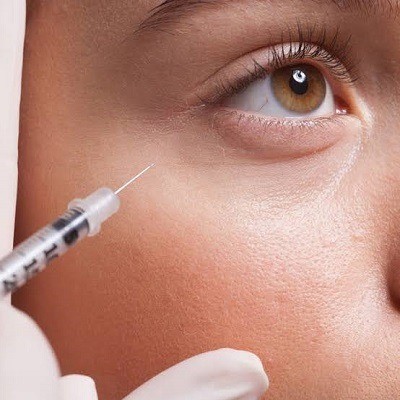
 The under-eye area plays an important role in facial appearance. Even small changes in this delicate area can make someone look tired, stressed, or older than they actually feel. Dark circles, hollowness, and noticeable shadows beneath the eyes are common concerns that can affect overall facial appearance. While these changes are often harmless, they can make some individuals feel less confident about their appearance.Under Eye Fillers (https://www.enfieldroyalclinics.om/cosmetic-injectables/under-eye-fillers/) have become a popular non-surgical cosmetic treatment for people who want to improve the appearance of under-eye hollows and restore a smoother, more refreshed look. This treatment typically involves injecting a hyaluronic acid-based dermal filler into carefully selected areas beneath the eyes to improve volume and soften the appearance of shadows.However, not everyone is an ideal candidate for this procedure. Factors such as skin quality, facial anatomy, the cause of under-eye concerns, and overall health can influence whether the treatment is appropriate.Understanding the signs of suitability can help individuals make informed decisions before considering treatment. Here are five common signs that someone might be a good candidate for Under Eye Fillers, along with important considerations about the procedure, its benefits, and potential limitations.1. Noticeable Under-Eye Hollows or Tear TroughsOne of the clearest signs that someone may benefit from Under Eye Fillers is the presence of noticeable hollows beneath the eyes. These hollows, commonly called tear troughs, create a sunken appearance between the lower eyelid and upper cheek.Under-eye hollowness can develop naturally with age as the face gradually loses collagen, fat, and structural support. Genetics can also play a significant role, meaning some individuals experience prominent tear troughs even at a relatively young age.When volume decreases in this area, the transition between the lower eyelid and cheek may become more noticeable. This can create shadows that make the eyes appear tired or less refreshed.Under Eye Fillers are designed to address certain types of volume loss by adding support beneath the skin. Hyaluronic acid fillers can help soften the hollow appearance and create a smoother transition between the under-eye area and the cheeks.Who may benefit from this treatment?Individuals may be suitable candidates if they:- Have visible hollows beneath their eyes.- Notice a sunken appearance even after getting enough sleep.- Have deep tear troughs that create noticeable facial shadows.- Experience age-related volume loss beneath the eyes.- Have under-eye depressions caused by natural facial anatomy.It is important to understand that not every type of under-eye darkness is caused by hollowness. A qualified medical professional must determine whether volume restoration is likely to address the concern.2. Persistent Dark Circles That Are Caused by ShadowsDark circles are another common reason people explore Under Eye Fillers. Although many individuals associate dark circles with insufficient sleep, several factors can contribute to their appearance.These include genetics, pigmentation, thin skin, visible blood vessels, allergies, and changes in facial volume. In some cases, under-eye hollows create shadows that appear similar to dark circles.When light falls across a hollow area, it can produce a darker appearance beneath the eyes. This shadowing may become more noticeable under certain lighting conditions and can make the face appear tired.For individuals whose dark circles are primarily caused by tear trough hollowness, Under Eye Fillers may help improve their appearance. By restoring lost volume, the treatment can reduce the depth of the depression and minimize the shadows that contribute to darkness.However, fillers are not a universal solution for pigmentation-related dark circles.For example, someone with brown discoloration caused by excess melanin may require a different approach. Similarly, dark circles associated with visible blood vessels or very thin skin may not respond significantly to filler treatment.How can someone understand the cause of dark circles?A professional assessment can help identify whether the darkness is caused by:- Hollowing beneath the lower eyelids.- Natural pigmentation or uneven skin tone.- Thin under-eye skin and visible blood vessels.- Age-related changes in facial volume.- A combination of structural and skin-related concerns.Understanding the underlying cause is essential because the right treatment depends on what is creating the dark appearance. Individuals with shadow-related dark circles may be better candidates for fillers than those whose concerns are primarily related to pigmentation.3. Mild to Moderate Under-Eye Volume LossAnother sign of potential suitability is mild to moderate volume loss beneath the eyes. As the face ages, natural fat distribution changes, collagen production decreases, and skin gradually loses some of its firmness.These changes can affect the delicate under-eye area, creating a hollow or uneven appearance. The lower eyelids may begin to look less supported, while the transition between the eyes and cheeks becomes more pronounced.Under Eye Fillers can help address selected cases of volume loss by restoring support in the tear trough region.The treatment generally uses hyaluronic acid, a substance naturally found in the body that helps maintain moisture and volume in the skin. When carefully injected, an appropriate filler may create a smoother appearance and reduce the visibility of hollows.However, the amount of volume loss matters.Individuals with mild or moderate hollowing may be more suitable candidates than those with significant under-eye bags, loose skin, or pronounced structural changes. In some cases, adding filler to an area that already has excess volume can make puffiness more noticeable.What makes volume restoration suitable?A suitable candidate may have:- Mild to moderate hollowing beneath the eyes.- A visible depression between the lower eyelid and cheek.- Volume loss associated with natural aging.- Relatively good skin quality.- Minimal under-eye puffiness or fluid retention.A professional assessment should also consider cheek volume because changes in the midface can influence the appearance of the tear troughs.In certain situations, addressing cheek support may provide a more balanced result than placing filler directly beneath the eyes. The most appropriate approach depends on individual facial anatomy and treatment goals.4. Good Skin Quality With Minimal Under-Eye PuffinessSkin quality is an important factor when determining whether someone is a suitable candidate for Under Eye Fillers.The skin beneath the eyes is naturally thinner and more delicate than skin in many other facial areas. This makes the region particularly sensitive to changes in volume, fluid retention, and aging.Individuals with relatively healthy skin elasticity and minimal puffiness may be better candidates for this treatment. Their skin may be more likely to accommodate carefully placed filler without creating an overly full appearance.On the other hand, individuals who already have noticeable under-eye bags, swelling, or fluid retention may require a different treatment approach.This is because hyaluronic acid fillers attract and hold water. In certain individuals, especially those prone to swelling, filler placement beneath the eyes may contribute to persistent puffiness.Another possible concern is the appearance of a bluish or grayish discoloration beneath the skin, sometimes called the Tyndall effect. This can occur when certain hyaluronic acid fillers are placed too superficially.When might fillers be less suitable?Under Eye Fillers may not be the best option for individuals experiencing:- Significant under-eye bags.- Persistent swelling or fluid retention.- Pronounced skin laxity.- Very thin skin with limited structural support.- Existing puffiness that becomes more noticeable in the morning.These concerns do not automatically rule out treatment, but they make a careful evaluation particularly important.A qualified medical professional can examine the under-eye area, assess skin thickness, and determine whether fillers are likely to provide a natural-looking improvement or whether another treatment would be more appropriate.5. Realistic Expectations and an Interest in Non-Surgical TreatmentA final sign of a potentially good candidate is having realistic expectations about what Under Eye Fillers can achieve.Many individuals choose this treatment because they want to refresh their appearance without undergoing surgery. Compared with surgical procedures, dermal filler injections are generally less invasive and typically involve limited downtime.The treatment may help soften hollows, improve facial contours, and create a smoother transition between the lower eyelids and cheeks. However, it cannot address every concern affecting the under-eye area.For example, fillers cannot reliably correct significant excess skin, prominent fat pockets, severe pigmentation, or all causes of dark circles.People considering treatment should also understand that results are temporary. The body gradually breaks down hyaluronic acid filler, meaning maintenance treatments may eventually be needed if someone wishes to preserve the results.What should realistic expectations include?A well-informed candidate should understand that:- Results vary according to individual anatomy and skin condition.- Improvement may be subtle rather than dramatic.- Fillers cannot completely eliminate every type of dark circle.- Results are temporary and may require maintenance.- Swelling, bruising, and tenderness can occur.- More filler does not necessarily produce better results.Under-eye filler treatment also carries uncommon but serious risks. These include vascular occlusion, skin damage, and, in rare cases, vision impairment or blindness. For this reason, the procedure should only be considered after a thorough assessment by an appropriately qualified and experienced medical professional who understands the anatomy of the eye area and can manage complications.A good candidate is someone who values safety, understands the limitations of treatment, and is comfortable with a gradual, natural-looking improvement rather than expecting a complete transformation.What to Expect During an Under Eye Filler TreatmentUnderstanding the treatment process can help individuals feel more comfortable when considering Under Eye Fillers.The process generally begins with a consultation. During this appointment, the medical professional evaluates facial anatomy, skin quality, under-eye hollowness, and the presence of puffiness or pigmentation.Medical history is also important. Certain medications, previous cosmetic treatments, allergies, and underlying health conditions may influence treatment suitability.If the individual is considered an appropriate candidate, the treatment plan is developed according to their facial structure and desired outcome.During the procedure, the treatment area is cleansed, and an appropriate hyaluronic acid filler is carefully administered using a suitable injection technique. The procedure may involve a fine needle or cannula, depending on the professional's assessment and technique.The appointment is usually relatively short, although the exact duration varies.Some temporary side effects may occur, including:- Mild swelling.- Bruising around the injection area.- Tenderness.- Temporary redness.- Minor unevenness while swelling settles.After treatment, individuals are generally advised to follow their medical professional's aftercare instructions. They should avoid unnecessary pressure on the treated area and attend any recommended follow-up appointments.It is also important to seek immediate medical attention if there is severe or unusual pain, skin blanching or discoloration, or any visual disturbance following filler treatment. Sudden changes in vision require emergency evaluation.Are Under Eye Fillers the Right Choice?Under Eye Fillers can be a useful option for selected individuals who want to improve the appearance of tear trough hollows and restore a smoother under-eye contour.The strongest candidates generally have noticeable volume loss, shadow-related dark circles, good skin quality, and minimal puffiness. They also understand that the treatment has limitations and are willing to prioritize safety over dramatic results.However, suitability cannot be determined by appearance alone. The cause of under-eye concerns, facial anatomy, medical history, and potential risks all need to be considered.Individuals with significant under-eye bags, fluid retention, loose skin, or pigmentation-related concerns may benefit more from alternative treatments.Ultimately, the best approach is an individualized assessment with an appropriately qualified medical professional. A careful evaluation can help determine whether Under Eye Fillers are suitable or whether another treatment may provide a safer and more effective outcome.Making an informed decision allows individuals to approach cosmetic treatment with realistic expectations and a clearer understanding of the possible benefits and risks.Frequently Asked Questions About Under Eye Fillers1. How long do Under Eye Fillers last?Under Eye Fillers are temporary, and their longevity varies depending on the type of filler, individual metabolism, injection technique, and facial anatomy. Results may last around 6 to 18 months in some individuals, although this is not guaranteed. A medical professional can provide a more personalized estimate.2. Are Under Eye Fillers painful?Most individuals experience mild discomfort rather than significant pain. Some filler products contain a local anesthetic to improve comfort during treatment. Temporary tenderness, swelling, or bruising may occur afterward.3. Can Under Eye Fillers completely remove dark circles?No. Under Eye Fillers may improve dark circles caused by hollowing and shadows beneath the eyes. However, they are less effective for pigmentation-related discoloration, visible blood vessels, or dark circles caused by thin skin.4. Who should avoid Under Eye Fillers?Individuals with significant under-eye bags, persistent swelling, certain medical conditions, active infections near the treatment area, or a history of serious filler complications may not be suitable candidates. Pregnancy and breastfeeding are also generally reasons to postpone elective filler treatments because safety data are limited. A medical assessment is essential before proceeding.5. Is there any downtime after Under Eye Fillers?Most individuals can resume many normal activities relatively quickly. However, mild swelling, redness, tenderness, and bruising may occur and can take several days or longer to settle. Recovery varies from person to person, so following aftercare instructions is important.6. Are Under Eye Fillers reversible?Many hyaluronic acid fillers can be dissolved using an enzyme called hyaluronidase. However, reversal is not always immediate or guaranteed to resolve every complication. The possibility of dissolving filler does not eliminate the risks associated with treatment, particularly serious vascular or vision-related complications.Read More About Under Eye Fillers: https://b.cari.com.my/home.php?mod=space&uid=3172561&do=blog&quickforward=1&id=625183
 The under-eye area plays an important role in facial appearance. Even small changes in this delicate area can make someone look tired, stressed, or older than they actually feel. Dark circles, hollowness, and noticeable shadows beneath the eyes are common concerns that can affect overall facial appearance. While these changes are often harmless, they can make some individuals feel less confident about their appearance.Under Eye Fillers (https://www.enfieldroyalclinics.om/cosmetic-injectables/under-eye-fillers/) have become a popular non-surgical cosmetic treatment for people who want to improve the appearance of under-eye hollows and restore a smoother, more refreshed look. This treatment typically involves injecting a hyaluronic acid-based dermal filler into carefully selected areas beneath the eyes to improve volume and soften the appearance of shadows.However, not everyone is an ideal candidate for this procedure. Factors such as skin quality, facial anatomy, the cause of under-eye concerns, and overall health can influence whether the treatment is appropriate.Understanding the signs of suitability can help individuals make informed decisions before considering treatment. Here are five common signs that someone might be a good candidate for Under Eye Fillers, along with important considerations about the procedure, its benefits, and potential limitations.1. Noticeable Under-Eye Hollows or Tear TroughsOne of the clearest signs that someone may benefit from Under Eye Fillers is the presence of noticeable hollows beneath the eyes. These hollows, commonly called tear troughs, create a sunken appearance between the lower eyelid and upper cheek.Under-eye hollowness can develop naturally with age as the face gradually loses collagen, fat, and structural support. Genetics can also play a significant role, meaning some individuals experience prominent tear troughs even at a relatively young age.When volume decreases in this area, the transition between the lower eyelid and cheek may become more noticeable. This can create shadows that make the eyes appear tired or less refreshed.Under Eye Fillers are designed to address certain types of volume loss by adding support beneath the skin. Hyaluronic acid fillers can help soften the hollow appearance and create a smoother transition between the under-eye area and the cheeks.Who may benefit from this treatment?Individuals may be suitable candidates if they:- Have visible hollows beneath their eyes.- Notice a sunken appearance even after getting enough sleep.- Have deep tear troughs that create noticeable facial shadows.- Experience age-related volume loss beneath the eyes.- Have under-eye depressions caused by natural facial anatomy.It is important to understand that not every type of under-eye darkness is caused by hollowness. A qualified medical professional must determine whether volume restoration is likely to address the concern.2. Persistent Dark Circles That Are Caused by ShadowsDark circles are another common reason people explore Under Eye Fillers. Although many individuals associate dark circles with insufficient sleep, several factors can contribute to their appearance.These include genetics, pigmentation, thin skin, visible blood vessels, allergies, and changes in facial volume. In some cases, under-eye hollows create shadows that appear similar to dark circles.When light falls across a hollow area, it can produce a darker appearance beneath the eyes. This shadowing may become more noticeable under certain lighting conditions and can make the face appear tired.For individuals whose dark circles are primarily caused by tear trough hollowness, Under Eye Fillers may help improve their appearance. By restoring lost volume, the treatment can reduce the depth of the depression and minimize the shadows that contribute to darkness.However, fillers are not a universal solution for pigmentation-related dark circles.For example, someone with brown discoloration caused by excess melanin may require a different approach. Similarly, dark circles associated with visible blood vessels or very thin skin may not respond significantly to filler treatment.How can someone understand the cause of dark circles?A professional assessment can help identify whether the darkness is caused by:- Hollowing beneath the lower eyelids.- Natural pigmentation or uneven skin tone.- Thin under-eye skin and visible blood vessels.- Age-related changes in facial volume.- A combination of structural and skin-related concerns.Understanding the underlying cause is essential because the right treatment depends on what is creating the dark appearance. Individuals with shadow-related dark circles may be better candidates for fillers than those whose concerns are primarily related to pigmentation.3. Mild to Moderate Under-Eye Volume LossAnother sign of potential suitability is mild to moderate volume loss beneath the eyes. As the face ages, natural fat distribution changes, collagen production decreases, and skin gradually loses some of its firmness.These changes can affect the delicate under-eye area, creating a hollow or uneven appearance. The lower eyelids may begin to look less supported, while the transition between the eyes and cheeks becomes more pronounced.Under Eye Fillers can help address selected cases of volume loss by restoring support in the tear trough region.The treatment generally uses hyaluronic acid, a substance naturally found in the body that helps maintain moisture and volume in the skin. When carefully injected, an appropriate filler may create a smoother appearance and reduce the visibility of hollows.However, the amount of volume loss matters.Individuals with mild or moderate hollowing may be more suitable candidates than those with significant under-eye bags, loose skin, or pronounced structural changes. In some cases, adding filler to an area that already has excess volume can make puffiness more noticeable.What makes volume restoration suitable?A suitable candidate may have:- Mild to moderate hollowing beneath the eyes.- A visible depression between the lower eyelid and cheek.- Volume loss associated with natural aging.- Relatively good skin quality.- Minimal under-eye puffiness or fluid retention.A professional assessment should also consider cheek volume because changes in the midface can influence the appearance of the tear troughs.In certain situations, addressing cheek support may provide a more balanced result than placing filler directly beneath the eyes. The most appropriate approach depends on individual facial anatomy and treatment goals.4. Good Skin Quality With Minimal Under-Eye PuffinessSkin quality is an important factor when determining whether someone is a suitable candidate for Under Eye Fillers.The skin beneath the eyes is naturally thinner and more delicate than skin in many other facial areas. This makes the region particularly sensitive to changes in volume, fluid retention, and aging.Individuals with relatively healthy skin elasticity and minimal puffiness may be better candidates for this treatment. Their skin may be more likely to accommodate carefully placed filler without creating an overly full appearance.On the other hand, individuals who already have noticeable under-eye bags, swelling, or fluid retention may require a different treatment approach.This is because hyaluronic acid fillers attract and hold water. In certain individuals, especially those prone to swelling, filler placement beneath the eyes may contribute to persistent puffiness.Another possible concern is the appearance of a bluish or grayish discoloration beneath the skin, sometimes called the Tyndall effect. This can occur when certain hyaluronic acid fillers are placed too superficially.When might fillers be less suitable?Under Eye Fillers may not be the best option for individuals experiencing:- Significant under-eye bags.- Persistent swelling or fluid retention.- Pronounced skin laxity.- Very thin skin with limited structural support.- Existing puffiness that becomes more noticeable in the morning.These concerns do not automatically rule out treatment, but they make a careful evaluation particularly important.A qualified medical professional can examine the under-eye area, assess skin thickness, and determine whether fillers are likely to provide a natural-looking improvement or whether another treatment would be more appropriate.5. Realistic Expectations and an Interest in Non-Surgical TreatmentA final sign of a potentially good candidate is having realistic expectations about what Under Eye Fillers can achieve.Many individuals choose this treatment because they want to refresh their appearance without undergoing surgery. Compared with surgical procedures, dermal filler injections are generally less invasive and typically involve limited downtime.The treatment may help soften hollows, improve facial contours, and create a smoother transition between the lower eyelids and cheeks. However, it cannot address every concern affecting the under-eye area.For example, fillers cannot reliably correct significant excess skin, prominent fat pockets, severe pigmentation, or all causes of dark circles.People considering treatment should also understand that results are temporary. The body gradually breaks down hyaluronic acid filler, meaning maintenance treatments may eventually be needed if someone wishes to preserve the results.What should realistic expectations include?A well-informed candidate should understand that:- Results vary according to individual anatomy and skin condition.- Improvement may be subtle rather than dramatic.- Fillers cannot completely eliminate every type of dark circle.- Results are temporary and may require maintenance.- Swelling, bruising, and tenderness can occur.- More filler does not necessarily produce better results.Under-eye filler treatment also carries uncommon but serious risks. These include vascular occlusion, skin damage, and, in rare cases, vision impairment or blindness. For this reason, the procedure should only be considered after a thorough assessment by an appropriately qualified and experienced medical professional who understands the anatomy of the eye area and can manage complications.A good candidate is someone who values safety, understands the limitations of treatment, and is comfortable with a gradual, natural-looking improvement rather than expecting a complete transformation.What to Expect During an Under Eye Filler TreatmentUnderstanding the treatment process can help individuals feel more comfortable when considering Under Eye Fillers.The process generally begins with a consultation. During this appointment, the medical professional evaluates facial anatomy, skin quality, under-eye hollowness, and the presence of puffiness or pigmentation.Medical history is also important. Certain medications, previous cosmetic treatments, allergies, and underlying health conditions may influence treatment suitability.If the individual is considered an appropriate candidate, the treatment plan is developed according to their facial structure and desired outcome.During the procedure, the treatment area is cleansed, and an appropriate hyaluronic acid filler is carefully administered using a suitable injection technique. The procedure may involve a fine needle or cannula, depending on the professional's assessment and technique.The appointment is usually relatively short, although the exact duration varies.Some temporary side effects may occur, including:- Mild swelling.- Bruising around the injection area.- Tenderness.- Temporary redness.- Minor unevenness while swelling settles.After treatment, individuals are generally advised to follow their medical professional's aftercare instructions. They should avoid unnecessary pressure on the treated area and attend any recommended follow-up appointments.It is also important to seek immediate medical attention if there is severe or unusual pain, skin blanching or discoloration, or any visual disturbance following filler treatment. Sudden changes in vision require emergency evaluation.Are Under Eye Fillers the Right Choice?Under Eye Fillers can be a useful option for selected individuals who want to improve the appearance of tear trough hollows and restore a smoother under-eye contour.The strongest candidates generally have noticeable volume loss, shadow-related dark circles, good skin quality, and minimal puffiness. They also understand that the treatment has limitations and are willing to prioritize safety over dramatic results.However, suitability cannot be determined by appearance alone. The cause of under-eye concerns, facial anatomy, medical history, and potential risks all need to be considered.Individuals with significant under-eye bags, fluid retention, loose skin, or pigmentation-related concerns may benefit more from alternative treatments.Ultimately, the best approach is an individualized assessment with an appropriately qualified medical professional. A careful evaluation can help determine whether Under Eye Fillers are suitable or whether another treatment may provide a safer and more effective outcome.Making an informed decision allows individuals to approach cosmetic treatment with realistic expectations and a clearer understanding of the possible benefits and risks.Frequently Asked Questions About Under Eye Fillers1. How long do Under Eye Fillers last?Under Eye Fillers are temporary, and their longevity varies depending on the type of filler, individual metabolism, injection technique, and facial anatomy. Results may last around 6 to 18 months in some individuals, although this is not guaranteed. A medical professional can provide a more personalized estimate.2. Are Under Eye Fillers painful?Most individuals experience mild discomfort rather than significant pain. Some filler products contain a local anesthetic to improve comfort during treatment. Temporary tenderness, swelling, or bruising may occur afterward.3. Can Under Eye Fillers completely remove dark circles?No. Under Eye Fillers may improve dark circles caused by hollowing and shadows beneath the eyes. However, they are less effective for pigmentation-related discoloration, visible blood vessels, or dark circles caused by thin skin.4. Who should avoid Under Eye Fillers?Individuals with significant under-eye bags, persistent swelling, certain medical conditions, active infections near the treatment area, or a history of serious filler complications may not be suitable candidates. Pregnancy and breastfeeding are also generally reasons to postpone elective filler treatments because safety data are limited. A medical assessment is essential before proceeding.5. Is there any downtime after Under Eye Fillers?Most individuals can resume many normal activities relatively quickly. However, mild swelling, redness, tenderness, and bruising may occur and can take several days or longer to settle. Recovery varies from person to person, so following aftercare instructions is important.6. Are Under Eye Fillers reversible?Many hyaluronic acid fillers can be dissolved using an enzyme called hyaluronidase. However, reversal is not always immediate or guaranteed to resolve every complication. The possibility of dissolving filler does not eliminate the risks associated with treatment, particularly serious vascular or vision-related complications.Read More About Under Eye Fillers: https://b.cari.com.my/home.php?mod=space&uid=3172561&do=blog&quickforward=1&id=625183
Fri, 30 October 26 : 9:10 : Enfield Oman
Visit / Join Group to Reply