


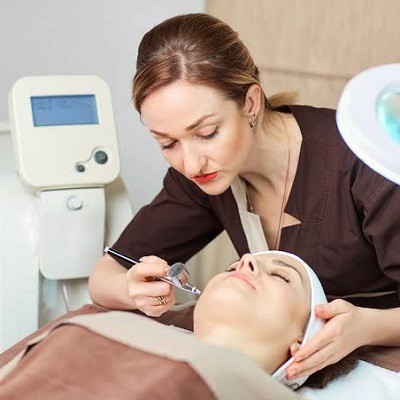
 Eczema is a common skin condition that can cause persistent itching, redness, dryness, irritation, and uncomfortable flare-ups. For many people, these symptoms affect more than the appearance of their skin. They can interfere with sleep, daily activities, work, and overall confidence. Although eczema can be frustrating to manage, the right diagnosis and a personalized treatment plan can make a significant difference.Finding an effective approach often requires more than trying different creams or avoiding foods without a clear reason. Dermatologists use a structured process to understand the symptoms, identify possible triggers, assess the severity of the condition, and recommend treatments based on the individual's skin needs. This approach helps reduce unnecessary experimentation and makes long-term eczema management more practical.For people seeking Dermatologists in Muscat (https://www.enfieldroyalclinics.om/dermatology/), understanding how eczema is assessed and treated can help them make informed decisions about their skin health. Professional guidance is particularly useful when symptoms keep returning, over-the-counter products provide little relief, or the condition begins to affect everyday life.1. Understanding Eczema Before Starting TreatmentEczema is a broad term commonly used to describe inflammatory skin conditions that cause itching and irritation. Atopic dermatitis is one of the most common forms. It often occurs when the skin's protective barrier does not function effectively, allowing moisture to escape and irritants to penetrate more easily.As a result, the skin may become dry, sensitive, inflamed, and more vulnerable to irritation. Scratching can further damage the skin barrier, creating a cycle in which itching leads to more inflammation and inflammation causes additional itching.Eczema does not look the same in every person. Some individuals develop small, dry patches, while others experience widespread redness, thickened skin, scaling, or areas that become cracked and sore. Symptoms may also vary depending on age, skin tone, the affected body area, and the type of eczema.Several forms of eczema may require different treatment strategies, including:Atopic dermatitis: A chronic inflammatory condition often associated with dry skin and a personal or family history of allergies, asthma, or hay fever.Contact dermatitis: Skin inflammation caused by exposure to an irritating substance or an allergen, such as certain fragrances, cleaning products, metals, or cosmetics.Dyshidrotic eczema: A condition that can cause small, intensely itchy blisters on the hands and feet.Nummular eczema: A form that produces round or coin-shaped patches of irritated skin.Seborrheic dermatitis: An inflammatory condition that commonly affects oily areas, including the scalp, eyebrows, and sides of the nose.Recognizing the type of eczema is an important first step because treatments that help one condition may not address another. Some skin problems, including fungal infections and psoriasis, can resemble eczema but need different care.A careful assessment helps narrow down the possibilities before treatment begins.2. How Dermatologists Identify the Real Cause of EczemaTreating eczema without guesswork starts with understanding what is happening beneath the visible symptoms. A dermatologist typically reviews the person's medical history, examines the affected skin, and asks questions about when the problem started and what makes it better or worse.These details can reveal patterns that might otherwise go unnoticed.Reviewing Symptoms and Medical HistoryDuring an assessment, a dermatologist may ask about the duration of symptoms, previous treatments, family history of eczema, and any associated allergies or respiratory conditions. Questions about sleep disturbances, scratching, and the frequency of flare-ups can also help determine how significantly eczema affects daily life.The location of the rash provides useful clues. For example, irritation around the wrists may suggest exposure to a watch strap or another contact allergen. Symptoms on the hands may be linked to frequent washing, detergents, workplace chemicals, or prolonged contact with water.However, the location alone cannot establish the cause. Several conditions can affect the same area, so the overall pattern matters.Using Tests When They Are NecessaryEczema can often be diagnosed through a clinical examination and medical history. Not every patient needs laboratory testing, skin biopsies, or allergy investigations.When the diagnosis remains uncertain, additional tests may be appropriate. Patch testing, for example, can help identify allergic contact dermatitis by assessing delayed skin reactions to selected substances. A skin scraping or other investigation may be considered if a fungal infection is suspected.Allergy testing is not automatically necessary for every person with eczema. Its usefulness depends on the symptoms, medical history, and suspected triggers.This targeted approach helps avoid unnecessary testing while ensuring that important alternative diagnoses are considered. For individuals exploring Dermatologists in Muscat, choosing a professional who explains the reasoning behind examinations and tests can make the treatment process easier to understand.3. Personalized Eczema Treatment Plans That Address the Skin BarrierOnce the likely type of eczema has been identified, treatment can focus on reducing inflammation, restoring the skin barrier, relieving itching, and preventing further flare-ups.There is no single treatment that works equally well for everyone. The most appropriate plan depends on the severity of symptoms, the affected body areas, the patient's age, previous treatment response, and any other medical considerations.Moisturizers and Gentle Skin CareMoisturizing is one of the foundations of eczema management. Eczema-prone skin often loses moisture more easily, so regular use of an appropriate moisturizer can help strengthen the skin barrier and reduce dryness.Thick creams and ointments are often useful for very dry skin, while lighter creams may feel more comfortable during warmer weather. Fragrance-free products are generally preferable because fragrances can irritate sensitive skin or trigger contact reactions in some individuals.Applying moisturizer shortly after bathing helps retain moisture. Short showers or baths using lukewarm rather than hot water can also reduce dryness and irritation.Gentle cleansers are preferable to harsh soaps, exfoliating products, and heavily fragranced body washes. Scrubbing the skin or frequently changing products may make symptoms worse rather than improve them.In Muscat's hot climate, sweating, heat, air-conditioning, and dry indoor environments may influence skin comfort. Loose, breathable clothing and rinsing away sweat when practical can help some individuals manage irritation. However, personal triggers vary, and not everyone with eczema reacts to the same environmental conditions.Prescription Treatments for InflammationWhen moisturizers alone are insufficient, dermatologists may recommend medication to control inflammation.Topical corticosteroids are commonly used during eczema flare-ups. Their strength, application frequency, and treatment duration depend on the patient's age, the severity of the rash, and the area being treated. Sensitive areas, such as the face and skin folds, generally require particular care because prolonged or inappropriate use can cause side effects.Other prescription options include topical calcineurin inhibitors, which may be suitable for certain sensitive areas or situations where a steroid-sparing approach is preferred. Additional topical medicines may be considered depending on the diagnosis and local availability.For moderate to severe eczema that does not respond adequately to topical treatment, a dermatologist may discuss phototherapy, biologic medicines, or other systemic treatments. These options require an individualized assessment of potential benefits, risks, monitoring needs, and treatment goals.The purpose of a personalized plan is to provide enough treatment to control inflammation without exposing the skin to unnecessary medication. Patients should follow the prescribed instructions rather than independently increasing doses, extending treatment, or stopping a medicine without appropriate guidance.4. Finding and Managing Eczema Triggers Without Unnecessary RestrictionsEczema triggers can be difficult to identify because several factors may contribute to a flare-up at the same time. Common triggers include harsh cleansers, fragrances, certain fabrics, excessive sweating, heat, stress, and environmental allergens. Some individuals also experience irritation from frequent handwashing or occupational exposure to chemicals.However, a suspected trigger is not necessarily the true cause of a person's eczema. Avoiding too many products, foods, or everyday activities without evidence can create unnecessary inconvenience and may not improve the condition.Keeping a Practical Symptom DiaryA simple symptom diary can help identify connections between daily activities and flare-ups. Patients may record when symptoms worsen, which skin-care products they use, whether they have been exposed to cleaning agents, and whether sweating or changes in weather appear to influence their skin.This information can be reviewed during follow-up appointments to identify useful patterns.If a particular product consistently causes burning or irritation, temporarily stopping its use may help clarify whether it contributes to the problem. Suspected allergic reactions may require professional assessment rather than repeated home experiments.Food elimination deserves particular caution. Although food allergies can coexist with eczema, many people with eczema do not need restrictive diets. Removing multiple foods without a clear indication may lead to nutritional deficiencies, especially in children. Dietary changes should be considered with an appropriate healthcare professional when a genuine food allergy is suspected.Adapting Skin Care to Everyday Life in MuscatWarm weather can increase sweating, while frequent air-conditioning may leave some environments feeling dry. Both can affect comfort for certain people with eczema.Practical steps include wearing breathable clothing, using gentle laundry products, changing out of sweat-soaked clothes, and maintaining a consistent moisturizing routine. People whose skin reacts to swimming pools, workplace products, or particular fabrics may benefit from discussing these exposures during their consultation.The aim is not to eliminate every possible trigger. Instead, effective care focuses on identifying the factors that genuinely affect the individual's symptoms and making manageable adjustments.5. Monitoring Progress and Preventing Recurring Flare-UpsEczema is often a long-term condition that improves and worsens over time. Even when the skin looks healthy, the underlying tendency toward dryness and inflammation may remain. This is why ongoing skin care and a clear flare-up plan are important parts of treatment.Follow-up appointments allow a dermatologist to assess whether the treatment is working, whether the diagnosis remains appropriate, and whether any side effects have developed.Measuring Improvement Beyond AppearanceVisible redness is only one measure of eczema severity. A useful treatment review also considers itching, sleep quality, skin discomfort, the frequency of flare-ups, and how easily daily activities can be completed.For example, a person may notice less redness but continue to experience severe nighttime itching. This may indicate that the treatment plan needs further review.Patients should communicate honestly about how often they use their medication, whether it is comfortable to apply, and whether the routine fits their lifestyle. If a treatment is too complicated or causes concern, a dermatologist may be able to recommend a more practical alternative.Following a Maintenance RoutineA maintenance plan usually includes regular moisturizing, gentle cleansing, avoiding confirmed irritants, and recognizing early signs of inflammation. Some patients with frequently recurring eczema may benefit from a clinician-directed proactive treatment plan for previously affected areas.The appropriate approach varies by person and should be based on medical advice rather than a universal schedule.It is also important to recognize when eczema may have become infected. Increasing pain, warmth, swelling, pus, yellowish crusting, rapidly worsening redness, or fever can indicate a complication that requires prompt medical assessment. Rapidly spreading painful blisters or sores, particularly with fever, warrant urgent evaluation.A structured follow-up process helps patients respond to changes earlier instead of waiting until a flare-up becomes severe.6. Choosing Dermatologists in Muscat for Evidence-Based Eczema CareFinding suitable dermatology care involves more than choosing a service based on convenience. Patients benefit from a professional who takes time to understand their symptoms, explains the diagnosis, and provides a treatment plan that reflects their individual needs.When evaluating Dermatologists in Muscat, patients can consider several practical factors.First, it is helpful to look for an appropriately qualified dermatologist with experience managing inflammatory skin conditions. Patients may also wish to ask whether the assessment includes a review of previous treatments, potential contact allergens, and other conditions that can resemble eczema.Clear communication is equally important. A good consultation should explain which treatments are being recommended, how to use them, what improvements to expect, and when follow-up is needed. Patients should feel comfortable asking questions about side effects, alternative options, and the likely duration of treatment.Access to appropriate diagnostic testing or specialist treatments may also be relevant for persistent or complex cases. However, not every person with eczema requires advanced testing or medication. The right service should match the level of care to the actual medical need.Practical considerations, including appointment availability, location, follow-up arrangements, and insurance coverage, can also influence the decision. Patients can review these details directly with the healthcare provider rather than relying on assumptions.Ultimately, evidence-based eczema treatment combines accurate assessment, suitable medication when necessary, consistent skin care, and ongoing review. With a well-explained plan, many patients can reduce itching, improve skin comfort, and manage flare-ups more confidently.Frequently Asked Questions About Eczema Treatment1. Can eczema be completely cured?Eczema does not have a permanent cure in every case, particularly when it is associated with a long-term tendency toward skin-barrier dysfunction. However, appropriate treatment can control inflammation, relieve itching, and reduce flare-ups. Some people experience long periods with few or no symptoms.2. When should someone consult a dermatologist for eczema?A dermatology consultation is advisable when itching or redness persists, symptoms repeatedly return, over-the-counter products provide little relief, or eczema interferes with sleep and daily activities. Medical assessment is also important when the diagnosis is uncertain or the rash appears infected.3. Are steroid creams safe for treating eczema?Topical corticosteroids are widely used to control eczema inflammation and can be effective when used correctly. Their safety depends on the medication's strength, the area treated, the patient's age, and the duration of use. Following the dermatologist's instructions helps reduce the risk of side effects.4. Can hot weather make eczema worse in Muscat?Heat and sweating can aggravate eczema in some individuals, while air-conditioning and dry indoor environments may contribute to skin dryness. Responses vary, so gentle skin care, breathable clothing, and regular moisturizing can be helpful. Persistent symptoms may require an individualized treatment plan.5. Does eczema mean that a person has a food allergy?No. Eczema and food allergies can occur together, but eczema alone does not prove that a particular food is responsible. Unnecessary elimination diets are generally best avoided. If symptoms suggest a genuine food allergy, a healthcare professional can advise whether further assessment is appropriate.6. How long does eczema treatment take to work?The time required depends on the type and severity of eczema, the affected body area, and the treatment used. Some flare-ups begin to improve within days of appropriate treatment, while more persistent cases may require several weeks or longer. Regular follow-up helps determine whether the plan is effective or needs adjustment.Read More About Dermatologists in Muscat: https://b.cari.com.my/home.php?mod=space&uid=3172561&do=blog&quickforward=1&id=624923
 Eczema is a common skin condition that can cause persistent itching, redness, dryness, irritation, and uncomfortable flare-ups. For many people, these symptoms affect more than the appearance of their skin. They can interfere with sleep, daily activities, work, and overall confidence. Although eczema can be frustrating to manage, the right diagnosis and a personalized treatment plan can make a significant difference.Finding an effective approach often requires more than trying different creams or avoiding foods without a clear reason. Dermatologists use a structured process to understand the symptoms, identify possible triggers, assess the severity of the condition, and recommend treatments based on the individual's skin needs. This approach helps reduce unnecessary experimentation and makes long-term eczema management more practical.For people seeking Dermatologists in Muscat (https://www.enfieldroyalclinics.om/dermatology/), understanding how eczema is assessed and treated can help them make informed decisions about their skin health. Professional guidance is particularly useful when symptoms keep returning, over-the-counter products provide little relief, or the condition begins to affect everyday life.1. Understanding Eczema Before Starting TreatmentEczema is a broad term commonly used to describe inflammatory skin conditions that cause itching and irritation. Atopic dermatitis is one of the most common forms. It often occurs when the skin's protective barrier does not function effectively, allowing moisture to escape and irritants to penetrate more easily.As a result, the skin may become dry, sensitive, inflamed, and more vulnerable to irritation. Scratching can further damage the skin barrier, creating a cycle in which itching leads to more inflammation and inflammation causes additional itching.Eczema does not look the same in every person. Some individuals develop small, dry patches, while others experience widespread redness, thickened skin, scaling, or areas that become cracked and sore. Symptoms may also vary depending on age, skin tone, the affected body area, and the type of eczema.Several forms of eczema may require different treatment strategies, including:Atopic dermatitis: A chronic inflammatory condition often associated with dry skin and a personal or family history of allergies, asthma, or hay fever.Contact dermatitis: Skin inflammation caused by exposure to an irritating substance or an allergen, such as certain fragrances, cleaning products, metals, or cosmetics.Dyshidrotic eczema: A condition that can cause small, intensely itchy blisters on the hands and feet.Nummular eczema: A form that produces round or coin-shaped patches of irritated skin.Seborrheic dermatitis: An inflammatory condition that commonly affects oily areas, including the scalp, eyebrows, and sides of the nose.Recognizing the type of eczema is an important first step because treatments that help one condition may not address another. Some skin problems, including fungal infections and psoriasis, can resemble eczema but need different care.A careful assessment helps narrow down the possibilities before treatment begins.2. How Dermatologists Identify the Real Cause of EczemaTreating eczema without guesswork starts with understanding what is happening beneath the visible symptoms. A dermatologist typically reviews the person's medical history, examines the affected skin, and asks questions about when the problem started and what makes it better or worse.These details can reveal patterns that might otherwise go unnoticed.Reviewing Symptoms and Medical HistoryDuring an assessment, a dermatologist may ask about the duration of symptoms, previous treatments, family history of eczema, and any associated allergies or respiratory conditions. Questions about sleep disturbances, scratching, and the frequency of flare-ups can also help determine how significantly eczema affects daily life.The location of the rash provides useful clues. For example, irritation around the wrists may suggest exposure to a watch strap or another contact allergen. Symptoms on the hands may be linked to frequent washing, detergents, workplace chemicals, or prolonged contact with water.However, the location alone cannot establish the cause. Several conditions can affect the same area, so the overall pattern matters.Using Tests When They Are NecessaryEczema can often be diagnosed through a clinical examination and medical history. Not every patient needs laboratory testing, skin biopsies, or allergy investigations.When the diagnosis remains uncertain, additional tests may be appropriate. Patch testing, for example, can help identify allergic contact dermatitis by assessing delayed skin reactions to selected substances. A skin scraping or other investigation may be considered if a fungal infection is suspected.Allergy testing is not automatically necessary for every person with eczema. Its usefulness depends on the symptoms, medical history, and suspected triggers.This targeted approach helps avoid unnecessary testing while ensuring that important alternative diagnoses are considered. For individuals exploring Dermatologists in Muscat, choosing a professional who explains the reasoning behind examinations and tests can make the treatment process easier to understand.3. Personalized Eczema Treatment Plans That Address the Skin BarrierOnce the likely type of eczema has been identified, treatment can focus on reducing inflammation, restoring the skin barrier, relieving itching, and preventing further flare-ups.There is no single treatment that works equally well for everyone. The most appropriate plan depends on the severity of symptoms, the affected body areas, the patient's age, previous treatment response, and any other medical considerations.Moisturizers and Gentle Skin CareMoisturizing is one of the foundations of eczema management. Eczema-prone skin often loses moisture more easily, so regular use of an appropriate moisturizer can help strengthen the skin barrier and reduce dryness.Thick creams and ointments are often useful for very dry skin, while lighter creams may feel more comfortable during warmer weather. Fragrance-free products are generally preferable because fragrances can irritate sensitive skin or trigger contact reactions in some individuals.Applying moisturizer shortly after bathing helps retain moisture. Short showers or baths using lukewarm rather than hot water can also reduce dryness and irritation.Gentle cleansers are preferable to harsh soaps, exfoliating products, and heavily fragranced body washes. Scrubbing the skin or frequently changing products may make symptoms worse rather than improve them.In Muscat's hot climate, sweating, heat, air-conditioning, and dry indoor environments may influence skin comfort. Loose, breathable clothing and rinsing away sweat when practical can help some individuals manage irritation. However, personal triggers vary, and not everyone with eczema reacts to the same environmental conditions.Prescription Treatments for InflammationWhen moisturizers alone are insufficient, dermatologists may recommend medication to control inflammation.Topical corticosteroids are commonly used during eczema flare-ups. Their strength, application frequency, and treatment duration depend on the patient's age, the severity of the rash, and the area being treated. Sensitive areas, such as the face and skin folds, generally require particular care because prolonged or inappropriate use can cause side effects.Other prescription options include topical calcineurin inhibitors, which may be suitable for certain sensitive areas or situations where a steroid-sparing approach is preferred. Additional topical medicines may be considered depending on the diagnosis and local availability.For moderate to severe eczema that does not respond adequately to topical treatment, a dermatologist may discuss phototherapy, biologic medicines, or other systemic treatments. These options require an individualized assessment of potential benefits, risks, monitoring needs, and treatment goals.The purpose of a personalized plan is to provide enough treatment to control inflammation without exposing the skin to unnecessary medication. Patients should follow the prescribed instructions rather than independently increasing doses, extending treatment, or stopping a medicine without appropriate guidance.4. Finding and Managing Eczema Triggers Without Unnecessary RestrictionsEczema triggers can be difficult to identify because several factors may contribute to a flare-up at the same time. Common triggers include harsh cleansers, fragrances, certain fabrics, excessive sweating, heat, stress, and environmental allergens. Some individuals also experience irritation from frequent handwashing or occupational exposure to chemicals.However, a suspected trigger is not necessarily the true cause of a person's eczema. Avoiding too many products, foods, or everyday activities without evidence can create unnecessary inconvenience and may not improve the condition.Keeping a Practical Symptom DiaryA simple symptom diary can help identify connections between daily activities and flare-ups. Patients may record when symptoms worsen, which skin-care products they use, whether they have been exposed to cleaning agents, and whether sweating or changes in weather appear to influence their skin.This information can be reviewed during follow-up appointments to identify useful patterns.If a particular product consistently causes burning or irritation, temporarily stopping its use may help clarify whether it contributes to the problem. Suspected allergic reactions may require professional assessment rather than repeated home experiments.Food elimination deserves particular caution. Although food allergies can coexist with eczema, many people with eczema do not need restrictive diets. Removing multiple foods without a clear indication may lead to nutritional deficiencies, especially in children. Dietary changes should be considered with an appropriate healthcare professional when a genuine food allergy is suspected.Adapting Skin Care to Everyday Life in MuscatWarm weather can increase sweating, while frequent air-conditioning may leave some environments feeling dry. Both can affect comfort for certain people with eczema.Practical steps include wearing breathable clothing, using gentle laundry products, changing out of sweat-soaked clothes, and maintaining a consistent moisturizing routine. People whose skin reacts to swimming pools, workplace products, or particular fabrics may benefit from discussing these exposures during their consultation.The aim is not to eliminate every possible trigger. Instead, effective care focuses on identifying the factors that genuinely affect the individual's symptoms and making manageable adjustments.5. Monitoring Progress and Preventing Recurring Flare-UpsEczema is often a long-term condition that improves and worsens over time. Even when the skin looks healthy, the underlying tendency toward dryness and inflammation may remain. This is why ongoing skin care and a clear flare-up plan are important parts of treatment.Follow-up appointments allow a dermatologist to assess whether the treatment is working, whether the diagnosis remains appropriate, and whether any side effects have developed.Measuring Improvement Beyond AppearanceVisible redness is only one measure of eczema severity. A useful treatment review also considers itching, sleep quality, skin discomfort, the frequency of flare-ups, and how easily daily activities can be completed.For example, a person may notice less redness but continue to experience severe nighttime itching. This may indicate that the treatment plan needs further review.Patients should communicate honestly about how often they use their medication, whether it is comfortable to apply, and whether the routine fits their lifestyle. If a treatment is too complicated or causes concern, a dermatologist may be able to recommend a more practical alternative.Following a Maintenance RoutineA maintenance plan usually includes regular moisturizing, gentle cleansing, avoiding confirmed irritants, and recognizing early signs of inflammation. Some patients with frequently recurring eczema may benefit from a clinician-directed proactive treatment plan for previously affected areas.The appropriate approach varies by person and should be based on medical advice rather than a universal schedule.It is also important to recognize when eczema may have become infected. Increasing pain, warmth, swelling, pus, yellowish crusting, rapidly worsening redness, or fever can indicate a complication that requires prompt medical assessment. Rapidly spreading painful blisters or sores, particularly with fever, warrant urgent evaluation.A structured follow-up process helps patients respond to changes earlier instead of waiting until a flare-up becomes severe.6. Choosing Dermatologists in Muscat for Evidence-Based Eczema CareFinding suitable dermatology care involves more than choosing a service based on convenience. Patients benefit from a professional who takes time to understand their symptoms, explains the diagnosis, and provides a treatment plan that reflects their individual needs.When evaluating Dermatologists in Muscat, patients can consider several practical factors.First, it is helpful to look for an appropriately qualified dermatologist with experience managing inflammatory skin conditions. Patients may also wish to ask whether the assessment includes a review of previous treatments, potential contact allergens, and other conditions that can resemble eczema.Clear communication is equally important. A good consultation should explain which treatments are being recommended, how to use them, what improvements to expect, and when follow-up is needed. Patients should feel comfortable asking questions about side effects, alternative options, and the likely duration of treatment.Access to appropriate diagnostic testing or specialist treatments may also be relevant for persistent or complex cases. However, not every person with eczema requires advanced testing or medication. The right service should match the level of care to the actual medical need.Practical considerations, including appointment availability, location, follow-up arrangements, and insurance coverage, can also influence the decision. Patients can review these details directly with the healthcare provider rather than relying on assumptions.Ultimately, evidence-based eczema treatment combines accurate assessment, suitable medication when necessary, consistent skin care, and ongoing review. With a well-explained plan, many patients can reduce itching, improve skin comfort, and manage flare-ups more confidently.Frequently Asked Questions About Eczema Treatment1. Can eczema be completely cured?Eczema does not have a permanent cure in every case, particularly when it is associated with a long-term tendency toward skin-barrier dysfunction. However, appropriate treatment can control inflammation, relieve itching, and reduce flare-ups. Some people experience long periods with few or no symptoms.2. When should someone consult a dermatologist for eczema?A dermatology consultation is advisable when itching or redness persists, symptoms repeatedly return, over-the-counter products provide little relief, or eczema interferes with sleep and daily activities. Medical assessment is also important when the diagnosis is uncertain or the rash appears infected.3. Are steroid creams safe for treating eczema?Topical corticosteroids are widely used to control eczema inflammation and can be effective when used correctly. Their safety depends on the medication's strength, the area treated, the patient's age, and the duration of use. Following the dermatologist's instructions helps reduce the risk of side effects.4. Can hot weather make eczema worse in Muscat?Heat and sweating can aggravate eczema in some individuals, while air-conditioning and dry indoor environments may contribute to skin dryness. Responses vary, so gentle skin care, breathable clothing, and regular moisturizing can be helpful. Persistent symptoms may require an individualized treatment plan.5. Does eczema mean that a person has a food allergy?No. Eczema and food allergies can occur together, but eczema alone does not prove that a particular food is responsible. Unnecessary elimination diets are generally best avoided. If symptoms suggest a genuine food allergy, a healthcare professional can advise whether further assessment is appropriate.6. How long does eczema treatment take to work?The time required depends on the type and severity of eczema, the affected body area, and the treatment used. Some flare-ups begin to improve within days of appropriate treatment, while more persistent cases may require several weeks or longer. Regular follow-up helps determine whether the plan is effective or needs adjustment.Read More About Dermatologists in Muscat: https://b.cari.com.my/home.php?mod=space&uid=3172561&do=blog&quickforward=1&id=624923
Wed, 28 October 26 : 6:10 : Enfield Oman
Visit / Join Group to Reply