


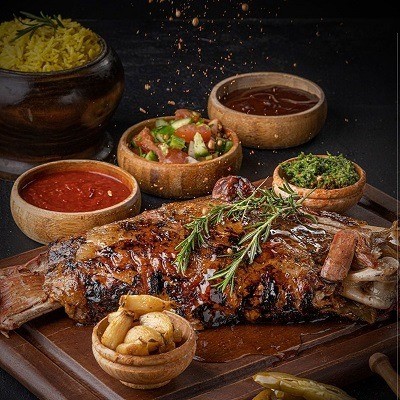
 Luxury dining is no longer just about extravagant surroundings or expensive meals. It is about enjoying quality food, thoughtful service, a welcoming atmosphere, and an experience that feels special. Whether someone is planning a romantic dinner, a family celebration, a business meeting, or a relaxed evening with friends, the right restaurant can make the occasion memorable without stretching the budget unnecessarily. For diners exploring a Fine Dine Restaurant in Saudi Arabia (https://www.thecarnivorerestaurant.com/en/), there are many ways to enjoy an elevated dining experience while keeping personal preferences and spending plans in mind.Saudi Arabia's dining scene offers a broad selection of culinary experiences, from contemporary international restaurants and elegant hotel dining rooms to venues celebrating regional flavors and traditional hospitality. This variety makes it possible for diners to explore different styles of fine dining according to their occasion, preferred cuisine, and expectations.The key is understanding what fine dining really means. A memorable restaurant experience does not always depend on ordering the most expensive dishes or choosing the most elaborate venue. Food quality, professional hospitality, comfortable seating, menu variety, and attention to detail can all contribute to a sense of luxury.With a little planning, diners can discover restaurants that deliver an enjoyable balance of quality, comfort, and value. The following guide explores how to find a fine dining experience for different budgets, what to consider before making a reservation, and how to make every restaurant visit worthwhile.1. Understanding What Makes Fine Dining a Luxury ExperienceFine dining is often associated with sophistication, but its appeal extends beyond elegant interiors and beautifully presented dishes. It represents a complete dining experience in which food, hospitality, atmosphere, and service work together.A fine dining restaurant may feature carefully designed interiors, comfortable seating, attentive staff, thoughtfully developed menus, and presentation that highlights the chef's work. Some establishments offer multi-course meals, while others focus on premium ingredients, regional specialties, or creative interpretations of familiar dishes.The level of formality can also vary. Certain restaurants provide an intimate atmosphere suitable for anniversaries and celebrations, while others offer a contemporary environment that works well for business dinners or social gatherings.For diners, understanding these differences helps establish realistic expectations. A restaurant does not necessarily need elaborate decorations or an extensive menu to provide a premium experience. Consistent food quality, clean surroundings, knowledgeable staff, and a comfortable atmosphere can be equally important.Saudi Arabia's diverse culinary landscape gives diners opportunities to explore both traditional and international experiences. Depending on the location, guests may encounter Arabic cuisine, Mediterranean dishes, Asian specialties, modern European menus, and fusion concepts.The most suitable choice depends on the occasion and the people attending. A quiet dinner for two may call for a different environment from a large family gathering. By identifying the purpose of the visit first, diners can focus on restaurants that offer the experience they actually want.2. Explore Fine Dining Options for Different BudgetsOne of the biggest misconceptions about fine dining is that every visit must involve significant spending. In reality, the overall cost can depend on the restaurant's style, the time of the visit, the selected menu, and the number of courses ordered.A Fine Dine Restaurant in Saudi Arabia may offer different dining formats, making it worthwhile to compare menus and available options before choosing a venue.Elegant Dining Without OverspendingFor diners who want an upscale atmosphere without committing to a large meal, a restaurant with a focused menu can be a practical choice. Selecting one or two courses, sharing suitable dishes, or choosing a non-alcoholic specialty beverage may allow guests to enjoy the setting while maintaining control over their spending.Some restaurants offer lunch menus, set menus, or seasonal selections that provide a structured dining experience. These options can be useful for guests who want to experience quality cuisine without ordering an extensive dinner.A carefully selected starter and main course can also create a satisfying meal. The goal is to prioritize dishes that appeal to the diner rather than ordering additional items simply because they appear luxurious.Mid-Range Dining for Everyday CelebrationsMid-range fine dining can suit birthdays, casual anniversaries, graduation celebrations, and dinners with friends. These restaurants may combine attractive interiors, varied menus, and professional service with a more flexible dining format.Guests can compare portion sizes, menu variety, and available combinations to determine which restaurant offers the best overall value. A well-prepared meal in a comfortable setting can provide a rewarding experience even without premium extras.Premium Experiences for Important OccasionsFor major milestones, some diners may prefer restaurants known for distinctive menus, sophisticated surroundings, exclusive seating, or elaborate multi-course meals.These experiences may involve additional planning, particularly when guests have specific seating preferences or are organizing a larger celebration. Reviewing the menu and confirming what is included before booking can help avoid unexpected expenses.Regardless of the spending level, the most valuable experience is one that meets the diner's expectations and fits the occasion.3. Choose the Right Cuisine and Menu for a Memorable MealCuisine is one of the most important factors when selecting a fine dining restaurant. Even an impressive setting may not create a satisfying experience if the menu does not suit the guests' tastes or dietary preferences.Saudi Arabia offers opportunities to explore a wide range of culinary traditions. Diners may choose restaurants specializing in regional dishes, international favorites, seafood, grilled specialties, plant-based cuisine, or contemporary fusion menus.Arabic cuisine can appeal to guests who appreciate familiar flavors, aromatic spices, rice-based dishes, grilled meats, and traditional hospitality. International restaurants may provide Mediterranean, Asian, or European influences, allowing diners to explore new ingredients and cooking techniques.When choosing a menu, several considerations can improve the experience.Ingredient quality: Fresh ingredients and appropriate preparation methods contribute to flavor and texture. Guests can ask about seasonal dishes or the ingredients used in unfamiliar menu items.Menu variety: A restaurant with several suitable options can make group dining easier, especially when guests have different preferences.Portion sizes: Understanding whether a meal consists of individual courses, shared dishes, or a tasting menu helps diners plan their order.Dietary requirements: Vegetarian, vegan, gluten-conscious, and other dietary options may be available, but guests should confirm the details directly with the restaurant.Food allergies: Individuals with allergies should communicate them clearly and ask about ingredients and possible cross-contact during preparation.A thoughtful menu choice makes dining more enjoyable and reduces the chance of ordering something that does not meet personal needs. It also helps guests make better use of their budget by focusing on dishes they genuinely want to try.4. Look Beyond the Menu: Atmosphere, Hospitality, and ComfortThe quality of a fine dining experience depends on more than food alone. Atmosphere and service can influence how comfortable guests feel and how much they enjoy their time at the restaurant.Lighting, music, seating arrangements, table presentation, and interior design all contribute to the setting. Some diners prefer quiet spaces for conversation, while others enjoy energetic restaurants with contemporary interiors and a lively social atmosphere.The right choice should reflect the purpose of the visit. A business dinner may benefit from a calm environment that allows guests to speak comfortably. A family celebration may require spacious seating, accessible facilities, and enough room for everyone to enjoy the meal.Professional service is another essential element. Knowledgeable staff can explain menu choices, answer questions about ingredients, and recommend dishes based on individual preferences. Attentive service should help guests feel supported without interrupting their conversations.Comfort and accessibility deserve equal consideration. Guests may wish to check parking availability, entrance access, seating arrangements, and the restaurant's suitability for older family members or children.For anyone comparing a Fine Dine Restaurant in Saudi Arabia, recent customer feedback can provide useful insight into food consistency, service quality, cleanliness, and the general atmosphere. Reviews should be considered alongside current menus and restaurant information rather than treated as the only measure of quality.A restaurant that offers reliable hospitality and a comfortable environment can create a premium experience regardless of its decorative style.5. Plan Ahead to Get Better Value from Fine DiningPlanning is one of the simplest ways to enjoy a restaurant visit without unnecessary stress or spending. A little preparation helps diners identify suitable venues, understand menu options, and make reservations that match their needs.Compare Menus and Available OffersBefore booking, guests can review several restaurants and compare their menus, dining formats, and included services. Some establishments may provide lunch specials, set menus, seasonal promotions, or packages for celebrations.The important step is checking the terms of any offer. Guests should understand which dishes are included, whether beverages or additional courses cost extra, and whether the offer applies on the intended date.Restaurant websites and official booking channels are useful starting points for obtaining current information.Make Reservations at the Right TimeReservations can be particularly helpful during weekends, holidays, and popular celebration periods. Booking ahead gives guests a chance to request preferred seating and communicate requirements such as group size, accessibility needs, or dietary restrictions.Some restaurants may also offer different dining experiences depending on the time of day. A lunch visit, for example, may provide access to a different menu or a more relaxed atmosphere than a busy evening service.Set a Comfortable Spending LimitA spending plan can help diners enjoy the experience without worrying about the final bill. Reviewing the menu in advance, deciding how many courses to order, and accounting for optional extras can make budgeting easier.Guests organizing a group meal may wish to clarify how the bill will be handled before arriving. This simple step can prevent confusion at the end of the evening.Consider the Entire ExperienceValue is not determined by the meal alone. Location, travel time, parking, service, comfort, and the suitability of the restaurant for the occasion all contribute to the overall experience.A conveniently located restaurant with a suitable menu may offer better practical value than a more elaborate venue that requires extensive travel or does not match the guests' preferences.Planning allows diners to spend thoughtfully while keeping the focus on enjoying the occasion.6. Make Health-Conscious Choices Without Missing the LuxuryAn enjoyable dining experience and thoughtful food choices can go together. Fine dining often provides opportunities to explore different ingredients, preparation techniques, and menu combinations while respecting individual nutritional needs.Diners who prefer balanced meals can look for vegetables, suitable protein sources, whole-food ingredients where available, and preparation methods that align with their preferences. Grilled, baked, or steamed dishes may be appropriate choices for some guests, although the overall nutritional content also depends on sauces, oils, seasoning, and portion sizes.Guests monitoring sodium or added sugar can ask whether sauces and dressings can be served separately. Those who prefer smaller meals may choose fewer courses or share appropriate dishes when the restaurant permits it.However, health-conscious dining should not become a source of unnecessary pressure. Food preferences vary, and an occasional celebratory meal can be enjoyed as part of an overall eating pattern that suits an individual's needs.People with specific medical dietary restrictions should follow advice from a qualified healthcare professional. Restaurant staff can provide information about menu ingredients and preparation methods, but they cannot replace individualized medical guidance.Food safety also matters. Clean surroundings, appropriate food handling, and clear communication about allergies contribute to a more comfortable dining experience. Anyone with a serious food allergy should confirm the restaurant's ability to accommodate the requirement rather than assuming that every menu modification is possible.Fine dining can be about enjoying food mindfully, appreciating culinary creativity, and spending time with others. By choosing dishes that suit personal preferences and asking relevant questions, guests can make the experience both enjoyable and appropriate for their needs.ConclusionLuxury dining can be accessible to diners with different preferences and spending limits. The experience is not defined solely by an expensive menu or elaborate surroundings. Quality ingredients, professional service, a comfortable atmosphere, thoughtful planning, and a suitable choice of cuisine all contribute to a memorable meal.For anyone looking for a Fine Dine Restaurant in Saudi Arabia, the best approach is to identify the purpose of the visit, compare restaurant menus, consider the needs of the guests, and review available dining options before making a reservation.Whether the occasion calls for a relaxed lunch, an elegant family gathering, or a more elaborate celebration, careful choices can help diners enjoy an experience that feels special without unnecessary spending.Ultimately, the true value of fine dining lies in the combination of good food, welcoming hospitality, personal comfort, and meaningful moments shared around the table.Frequently Asked Questions (FAQs)1. What makes a fine dining restaurant different from a regular restaurant?A fine dining restaurant generally emphasizes food quality, presentation, attentive service, atmosphere, and the overall guest experience. The exact level of formality and menu style varies between establishments.2. Can diners enjoy a Fine Dine Restaurant in Saudi Arabia on a limited budget?Yes. Diners can explore lunch menus, set meals, seasonal offers, and restaurants with flexible menu options. Reviewing the menu in advance and selecting dishes thoughtfully can help keep spending within a comfortable limit.3. How should someone choose the best fine dining restaurant for a special occasion?The decision should consider cuisine, atmosphere, location, menu variety, service quality, seating arrangements, and the needs of the guests. Recent reviews and current restaurant information can also help guide the choice.4. Are healthy food options available at fine dining restaurants?Many restaurants offer dishes featuring vegetables, seafood, grilled proteins, and other ingredients that may suit balanced eating preferences. Availability and preparation methods vary, so guests can ask about ingredients, sauces, and portion sizes.5. Is it necessary to reserve a table at a fine dining restaurant?Advance reservations are recommended for busy periods, weekends, holidays, and larger gatherings. A reservation also gives diners an opportunity to communicate dietary requirements and request suitable seating.6. What should guests check before booking a fine dining experience?Guests should review the current menu, reservation policies, available seating, dietary accommodations, and any additional charges associated with optional services. Confirming these details in advance helps create a smoother and more enjoyable visit.
 Luxury dining is no longer just about extravagant surroundings or expensive meals. It is about enjoying quality food, thoughtful service, a welcoming atmosphere, and an experience that feels special. Whether someone is planning a romantic dinner, a family celebration, a business meeting, or a relaxed evening with friends, the right restaurant can make the occasion memorable without stretching the budget unnecessarily. For diners exploring a Fine Dine Restaurant in Saudi Arabia (https://www.thecarnivorerestaurant.com/en/), there are many ways to enjoy an elevated dining experience while keeping personal preferences and spending plans in mind.Saudi Arabia's dining scene offers a broad selection of culinary experiences, from contemporary international restaurants and elegant hotel dining rooms to venues celebrating regional flavors and traditional hospitality. This variety makes it possible for diners to explore different styles of fine dining according to their occasion, preferred cuisine, and expectations.The key is understanding what fine dining really means. A memorable restaurant experience does not always depend on ordering the most expensive dishes or choosing the most elaborate venue. Food quality, professional hospitality, comfortable seating, menu variety, and attention to detail can all contribute to a sense of luxury.With a little planning, diners can discover restaurants that deliver an enjoyable balance of quality, comfort, and value. The following guide explores how to find a fine dining experience for different budgets, what to consider before making a reservation, and how to make every restaurant visit worthwhile.1. Understanding What Makes Fine Dining a Luxury ExperienceFine dining is often associated with sophistication, but its appeal extends beyond elegant interiors and beautifully presented dishes. It represents a complete dining experience in which food, hospitality, atmosphere, and service work together.A fine dining restaurant may feature carefully designed interiors, comfortable seating, attentive staff, thoughtfully developed menus, and presentation that highlights the chef's work. Some establishments offer multi-course meals, while others focus on premium ingredients, regional specialties, or creative interpretations of familiar dishes.The level of formality can also vary. Certain restaurants provide an intimate atmosphere suitable for anniversaries and celebrations, while others offer a contemporary environment that works well for business dinners or social gatherings.For diners, understanding these differences helps establish realistic expectations. A restaurant does not necessarily need elaborate decorations or an extensive menu to provide a premium experience. Consistent food quality, clean surroundings, knowledgeable staff, and a comfortable atmosphere can be equally important.Saudi Arabia's diverse culinary landscape gives diners opportunities to explore both traditional and international experiences. Depending on the location, guests may encounter Arabic cuisine, Mediterranean dishes, Asian specialties, modern European menus, and fusion concepts.The most suitable choice depends on the occasion and the people attending. A quiet dinner for two may call for a different environment from a large family gathering. By identifying the purpose of the visit first, diners can focus on restaurants that offer the experience they actually want.2. Explore Fine Dining Options for Different BudgetsOne of the biggest misconceptions about fine dining is that every visit must involve significant spending. In reality, the overall cost can depend on the restaurant's style, the time of the visit, the selected menu, and the number of courses ordered.A Fine Dine Restaurant in Saudi Arabia may offer different dining formats, making it worthwhile to compare menus and available options before choosing a venue.Elegant Dining Without OverspendingFor diners who want an upscale atmosphere without committing to a large meal, a restaurant with a focused menu can be a practical choice. Selecting one or two courses, sharing suitable dishes, or choosing a non-alcoholic specialty beverage may allow guests to enjoy the setting while maintaining control over their spending.Some restaurants offer lunch menus, set menus, or seasonal selections that provide a structured dining experience. These options can be useful for guests who want to experience quality cuisine without ordering an extensive dinner.A carefully selected starter and main course can also create a satisfying meal. The goal is to prioritize dishes that appeal to the diner rather than ordering additional items simply because they appear luxurious.Mid-Range Dining for Everyday CelebrationsMid-range fine dining can suit birthdays, casual anniversaries, graduation celebrations, and dinners with friends. These restaurants may combine attractive interiors, varied menus, and professional service with a more flexible dining format.Guests can compare portion sizes, menu variety, and available combinations to determine which restaurant offers the best overall value. A well-prepared meal in a comfortable setting can provide a rewarding experience even without premium extras.Premium Experiences for Important OccasionsFor major milestones, some diners may prefer restaurants known for distinctive menus, sophisticated surroundings, exclusive seating, or elaborate multi-course meals.These experiences may involve additional planning, particularly when guests have specific seating preferences or are organizing a larger celebration. Reviewing the menu and confirming what is included before booking can help avoid unexpected expenses.Regardless of the spending level, the most valuable experience is one that meets the diner's expectations and fits the occasion.3. Choose the Right Cuisine and Menu for a Memorable MealCuisine is one of the most important factors when selecting a fine dining restaurant. Even an impressive setting may not create a satisfying experience if the menu does not suit the guests' tastes or dietary preferences.Saudi Arabia offers opportunities to explore a wide range of culinary traditions. Diners may choose restaurants specializing in regional dishes, international favorites, seafood, grilled specialties, plant-based cuisine, or contemporary fusion menus.Arabic cuisine can appeal to guests who appreciate familiar flavors, aromatic spices, rice-based dishes, grilled meats, and traditional hospitality. International restaurants may provide Mediterranean, Asian, or European influences, allowing diners to explore new ingredients and cooking techniques.When choosing a menu, several considerations can improve the experience.Ingredient quality: Fresh ingredients and appropriate preparation methods contribute to flavor and texture. Guests can ask about seasonal dishes or the ingredients used in unfamiliar menu items.Menu variety: A restaurant with several suitable options can make group dining easier, especially when guests have different preferences.Portion sizes: Understanding whether a meal consists of individual courses, shared dishes, or a tasting menu helps diners plan their order.Dietary requirements: Vegetarian, vegan, gluten-conscious, and other dietary options may be available, but guests should confirm the details directly with the restaurant.Food allergies: Individuals with allergies should communicate them clearly and ask about ingredients and possible cross-contact during preparation.A thoughtful menu choice makes dining more enjoyable and reduces the chance of ordering something that does not meet personal needs. It also helps guests make better use of their budget by focusing on dishes they genuinely want to try.4. Look Beyond the Menu: Atmosphere, Hospitality, and ComfortThe quality of a fine dining experience depends on more than food alone. Atmosphere and service can influence how comfortable guests feel and how much they enjoy their time at the restaurant.Lighting, music, seating arrangements, table presentation, and interior design all contribute to the setting. Some diners prefer quiet spaces for conversation, while others enjoy energetic restaurants with contemporary interiors and a lively social atmosphere.The right choice should reflect the purpose of the visit. A business dinner may benefit from a calm environment that allows guests to speak comfortably. A family celebration may require spacious seating, accessible facilities, and enough room for everyone to enjoy the meal.Professional service is another essential element. Knowledgeable staff can explain menu choices, answer questions about ingredients, and recommend dishes based on individual preferences. Attentive service should help guests feel supported without interrupting their conversations.Comfort and accessibility deserve equal consideration. Guests may wish to check parking availability, entrance access, seating arrangements, and the restaurant's suitability for older family members or children.For anyone comparing a Fine Dine Restaurant in Saudi Arabia, recent customer feedback can provide useful insight into food consistency, service quality, cleanliness, and the general atmosphere. Reviews should be considered alongside current menus and restaurant information rather than treated as the only measure of quality.A restaurant that offers reliable hospitality and a comfortable environment can create a premium experience regardless of its decorative style.5. Plan Ahead to Get Better Value from Fine DiningPlanning is one of the simplest ways to enjoy a restaurant visit without unnecessary stress or spending. A little preparation helps diners identify suitable venues, understand menu options, and make reservations that match their needs.Compare Menus and Available OffersBefore booking, guests can review several restaurants and compare their menus, dining formats, and included services. Some establishments may provide lunch specials, set menus, seasonal promotions, or packages for celebrations.The important step is checking the terms of any offer. Guests should understand which dishes are included, whether beverages or additional courses cost extra, and whether the offer applies on the intended date.Restaurant websites and official booking channels are useful starting points for obtaining current information.Make Reservations at the Right TimeReservations can be particularly helpful during weekends, holidays, and popular celebration periods. Booking ahead gives guests a chance to request preferred seating and communicate requirements such as group size, accessibility needs, or dietary restrictions.Some restaurants may also offer different dining experiences depending on the time of day. A lunch visit, for example, may provide access to a different menu or a more relaxed atmosphere than a busy evening service.Set a Comfortable Spending LimitA spending plan can help diners enjoy the experience without worrying about the final bill. Reviewing the menu in advance, deciding how many courses to order, and accounting for optional extras can make budgeting easier.Guests organizing a group meal may wish to clarify how the bill will be handled before arriving. This simple step can prevent confusion at the end of the evening.Consider the Entire ExperienceValue is not determined by the meal alone. Location, travel time, parking, service, comfort, and the suitability of the restaurant for the occasion all contribute to the overall experience.A conveniently located restaurant with a suitable menu may offer better practical value than a more elaborate venue that requires extensive travel or does not match the guests' preferences.Planning allows diners to spend thoughtfully while keeping the focus on enjoying the occasion.6. Make Health-Conscious Choices Without Missing the LuxuryAn enjoyable dining experience and thoughtful food choices can go together. Fine dining often provides opportunities to explore different ingredients, preparation techniques, and menu combinations while respecting individual nutritional needs.Diners who prefer balanced meals can look for vegetables, suitable protein sources, whole-food ingredients where available, and preparation methods that align with their preferences. Grilled, baked, or steamed dishes may be appropriate choices for some guests, although the overall nutritional content also depends on sauces, oils, seasoning, and portion sizes.Guests monitoring sodium or added sugar can ask whether sauces and dressings can be served separately. Those who prefer smaller meals may choose fewer courses or share appropriate dishes when the restaurant permits it.However, health-conscious dining should not become a source of unnecessary pressure. Food preferences vary, and an occasional celebratory meal can be enjoyed as part of an overall eating pattern that suits an individual's needs.People with specific medical dietary restrictions should follow advice from a qualified healthcare professional. Restaurant staff can provide information about menu ingredients and preparation methods, but they cannot replace individualized medical guidance.Food safety also matters. Clean surroundings, appropriate food handling, and clear communication about allergies contribute to a more comfortable dining experience. Anyone with a serious food allergy should confirm the restaurant's ability to accommodate the requirement rather than assuming that every menu modification is possible.Fine dining can be about enjoying food mindfully, appreciating culinary creativity, and spending time with others. By choosing dishes that suit personal preferences and asking relevant questions, guests can make the experience both enjoyable and appropriate for their needs.ConclusionLuxury dining can be accessible to diners with different preferences and spending limits. The experience is not defined solely by an expensive menu or elaborate surroundings. Quality ingredients, professional service, a comfortable atmosphere, thoughtful planning, and a suitable choice of cuisine all contribute to a memorable meal.For anyone looking for a Fine Dine Restaurant in Saudi Arabia, the best approach is to identify the purpose of the visit, compare restaurant menus, consider the needs of the guests, and review available dining options before making a reservation.Whether the occasion calls for a relaxed lunch, an elegant family gathering, or a more elaborate celebration, careful choices can help diners enjoy an experience that feels special without unnecessary spending.Ultimately, the true value of fine dining lies in the combination of good food, welcoming hospitality, personal comfort, and meaningful moments shared around the table.Frequently Asked Questions (FAQs)1. What makes a fine dining restaurant different from a regular restaurant?A fine dining restaurant generally emphasizes food quality, presentation, attentive service, atmosphere, and the overall guest experience. The exact level of formality and menu style varies between establishments.2. Can diners enjoy a Fine Dine Restaurant in Saudi Arabia on a limited budget?Yes. Diners can explore lunch menus, set meals, seasonal offers, and restaurants with flexible menu options. Reviewing the menu in advance and selecting dishes thoughtfully can help keep spending within a comfortable limit.3. How should someone choose the best fine dining restaurant for a special occasion?The decision should consider cuisine, atmosphere, location, menu variety, service quality, seating arrangements, and the needs of the guests. Recent reviews and current restaurant information can also help guide the choice.4. Are healthy food options available at fine dining restaurants?Many restaurants offer dishes featuring vegetables, seafood, grilled proteins, and other ingredients that may suit balanced eating preferences. Availability and preparation methods vary, so guests can ask about ingredients, sauces, and portion sizes.5. Is it necessary to reserve a table at a fine dining restaurant?Advance reservations are recommended for busy periods, weekends, holidays, and larger gatherings. A reservation also gives diners an opportunity to communicate dietary requirements and request suitable seating.6. What should guests check before booking a fine dining experience?Guests should review the current menu, reservation policies, available seating, dietary accommodations, and any additional charges associated with optional services. Confirming these details in advance helps create a smoother and more enjoyable visit.
Tue, 27 October 26 : 10:10 : The Carnivore
Visit / Join Group to Reply