


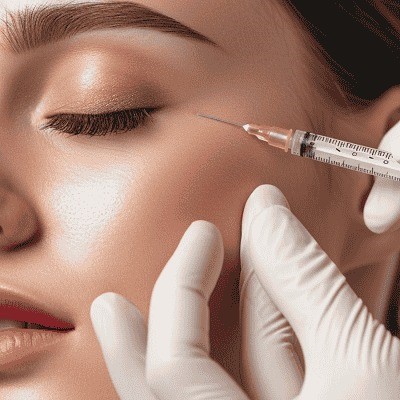
 Skin rejuvenation treatments have become increasingly popular among people looking to improve their appearance without undergoing surgery. Among the available options, skin booster injections and dermal fillers are two treatments that often attract attention. Although both involve injectable products and can help create a fresher, more youthful appearance, they serve different purposes and produce different results. Understanding these differences can help individuals make informed decisions about their skincare goals.For people considering Skin Booster Injections in Muscat (https://www.enfieldroyalclinics.om/cosmetic-injectables/skin-booster/), learning how these treatments work, what they can improve, and which factors influence the choice between them is an important first step. Skin boosters generally focus on improving skin hydration, texture, and overall quality, while dermal fillers are primarily used to restore lost volume, enhance facial contours, and soften certain facial lines.Neither treatment is universally better than the other. The most suitable option depends on the individual's skin condition, facial anatomy, desired outcome, medical history, and professional assessment. Understanding the key differences can help set realistic expectations and support a safer approach to aesthetic skincare.1. What Are Skin Booster Injections?Skin booster injections are minimally invasive aesthetic treatments designed to improve the overall quality and appearance of the skin. Many formulations contain hyaluronic acid, a substance naturally found in the body that helps attract and retain moisture. Depending on the product, a skin booster may also contain other ingredients intended to support hydration or improve the appearance of the skin.Unlike conventional dermal fillers, skin boosters are generally not intended to create significant facial volume or dramatically change facial contours. Instead, they aim to make the skin look smoother, more hydrated, and healthier.The treatment usually involves placing small amounts of the product into specific layers of the skin using fine needles or an appropriate injection device. The exact technique and depth depend on the formulation, treatment area, and professional assessment.Common Benefits of Skin BoostersSkin booster injections may help address several skin-quality concerns, including:Dehydrated skin: Hyaluronic acid can attract water, helping improve the appearance of skin that looks dry or lacks freshness.Uneven skin texture: Some treatments may help the skin appear smoother and more refined.Fine lines: Improved hydration can soften the appearance of certain superficial lines, although deeper wrinkles may require a different approach.Dull complexion: Better hydration may contribute to a fresher-looking complexion.Reduced skin elasticity: Certain formulations may improve the appearance of skin firmness, although results vary and significant sagging is unlikely to be corrected.Early signs of ageing: Skin boosters may complement a broader skincare plan focused on maintaining skin quality.For individuals exploring Skin Booster Injections in Muscat, the primary attraction is often the opportunity to improve skin appearance without significantly changing natural facial features. However, outcomes depend on the product used, the individual's skin condition, and the treatment plan.2. What Are Dermal Fillers?Dermal fillers are injectable products used to restore volume, improve facial contours, and soften certain wrinkles or folds. Many commonly used fillers contain hyaluronic acid, although other types of filler materials are also available.As people age, the face can lose fat, collagen, and structural support. These changes may contribute to hollow cheeks, deeper folds around the mouth, reduced lip fullness, or less-defined facial contours. Dermal fillers can help address selected concerns by adding volume beneath the skin.Unlike skin boosters, which primarily target skin quality, dermal fillers are generally designed to produce a more noticeable structural effect.Common Uses of Dermal FillersDepending on the product and the individual's anatomy, dermal fillers may be used to:Enhance lip fullness and definition.Restore volume in the cheeks.Improve the appearance of certain folds around the nose and mouth.Add definition to the chin or jawline.Reduce the appearance of selected facial hollows.Improve the appearance of certain age-related volume changes.The treatment area, injection depth, and type of filler all influence the final outcome. A qualified practitioner should select the product according to its approved use and suitability for the intended area.Dermal fillers are not simply a stronger version of skin boosters. They have a different purpose, and using a filler when the main concern is dehydration or rough skin texture may not address the underlying issue. Similarly, skin boosters are unlikely to provide the same contouring effects as a filler when noticeable volume restoration is the main goal.3. Skin Booster Injections vs. Dermal Fillers: The Main DifferencesAlthough skin boosters and dermal fillers may contain similar ingredients, their intended effects, injection techniques, and treatment outcomes can differ considerably.The following comparison highlights the main distinctions.Primary purpose: Skin boosters focus on hydration and skin quality, whereas dermal fillers primarily restore volume and improve facial contours.Treatment goals: Skin boosters aim to create a smoother, fresher-looking complexion. Dermal fillers are used to enhance selected facial features or address volume loss.Injection technique: Skin boosters are commonly administered as multiple small injections across a treatment area. Dermal fillers are placed strategically according to the desired structural effect and the anatomy of the area being treated.Expected results: Skin boosters may gradually improve the appearance of hydration, texture, and fine lines. Dermal fillers can provide more immediate changes in volume and contour, although swelling may temporarily affect the initial appearance.Longevity: Both treatments have temporary effects, but duration varies by product, injection area, individual metabolism, and treatment technique. Some skin boosters require a series of sessions, while certain fillers may provide results for several months or longer.Facial appearance: Skin boosters generally aim to preserve natural facial proportions while improving skin quality. Dermal fillers can change the appearance of facial contours because they add volume.Best-suited concerns: Skin boosters may be appropriate for dullness, dehydration, and selected superficial lines. Fillers may be more suitable for volume loss, lip enhancement, and specific contouring goals.It is important to remember that these are general distinctions rather than absolute rules. Some injectable products have overlapping effects, and individual formulations can differ. A professional assessment is necessary to determine which product is suitable for a particular concern.4. Which Treatment Is Better for Different Skin Concerns?Choosing between skin boosters and dermal fillers becomes easier when the main concern is clearly identified. The goal should be to select a treatment that addresses the actual problem rather than choosing an injectable simply because it is popular.For Dry or Dehydrated SkinSkin boosters may be a more appropriate option when the main concern is skin that looks dull, feels dehydrated, or appears less smooth than before. Hyaluronic acid-based formulations can help improve moisture retention within the treated skin.However, injectable treatments are not the only way to address dehydration. A consistent skincare routine, appropriate moisturiser, sun protection, and management of underlying skin conditions may also make a meaningful difference.For Fine Lines and Uneven TextureSkin boosters may improve the appearance of some fine lines associated with dehydration and changes in skin quality. They may also help certain areas appear smoother.Deeper wrinkles caused by repeated muscle movement, significant volume loss, or more advanced skin ageing may require other treatments. A qualified practitioner can explain whether an injectable treatment is appropriate or whether a different approach would be more effective.For Volume Loss and Facial ContouringDermal fillers are generally more suitable when the objective is to restore cheek volume, enhance the lips, define the chin, or address selected facial hollows.These treatments should be planned carefully to maintain balanced facial proportions. Excessive filler or poorly selected injection sites can produce an unnatural appearance, which is why conservative treatment planning is important.For a Natural-Looking Refreshed AppearanceSome individuals want their skin to look healthier without making obvious changes to their facial shape. In such cases, skin boosters may be worth discussing with a qualified practitioner.Others may benefit from a combination of treatments if they have both skin-quality concerns and volume loss. However, combining procedures is not necessary for everyone. Each treatment should have a clear purpose, and the risks, benefits, and timing should be considered before proceeding.5. What to Expect Before, During, and After TreatmentUnderstanding the treatment process can help individuals prepare for a consultation and make informed decisions about Skin Booster Injections in Muscat.Before the TreatmentThe process should begin with a consultation and assessment. A qualified healthcare professional should review the individual's medical history, allergies, previous cosmetic procedures, medications, skin concerns, and expectations.The practitioner should also explain the product being considered, its intended use, possible side effects, expected results, and available alternatives.People with active skin infections, certain inflammatory skin conditions, or other relevant medical concerns may need to postpone treatment or avoid particular products. Pregnancy and breastfeeding may also affect whether an elective injectable procedure is appropriate, depending on the available safety evidence and product guidance.Individuals should disclose all medications and supplements, particularly those that may affect bleeding, and should not stop prescribed medication without advice from the prescribing professional.During the TreatmentThe treatment area is generally cleansed, and a topical numbing product may be used when appropriate. The practitioner then administers the selected injectable using a technique suitable for the product and treatment area.Skin boosters often involve several small injection points across the targeted area. Dermal fillers are typically placed more strategically to achieve the intended volume or contour.Treatment duration varies according to the area, technique, and product. Some temporary discomfort, redness, pinpoint bleeding, or swelling may occur.After the TreatmentMild swelling, redness, tenderness, bruising, or small bumps can occur after injectable procedures. These effects often improve over the following days, although recovery varies.Aftercare instructions should be followed carefully. The practitioner may advise avoiding strenuous exercise, excessive heat, unnecessary pressure on the treated area, or certain skincare products for a specified period.Results from skin boosters may develop progressively, while filler-related volume changes are often visible earlier. Neither treatment should be judged solely by the immediate post-treatment appearance because temporary swelling can influence the result.Severe or increasing pain, unusual skin discolouration, changes in vision, or other unexpected symptoms require urgent medical assessment. Vision changes or severe pain after facial injections should be treated as a medical emergency because rare but serious vascular complications can occur.6. Safety, Side Effects, and Choosing a Suitable TreatmentBoth skin booster injections and dermal fillers involve medical risks. Even when a treatment is described as minimally invasive, it should not be considered risk-free.Common temporary side effects include swelling, bruising, redness, tenderness, and discomfort around injection sites. Less common complications include infection, persistent lumps, inflammatory reactions, and uneven results.Dermal fillers can also cause vascular occlusion if material enters or compresses a blood vessel. This complication can lead to tissue damage and, rarely, blindness or stroke. Although these outcomes are uncommon, their potential seriousness makes appropriate training, anatomical knowledge, product selection, and emergency preparedness essential.Skin boosters also carry risks related to the injection technique and the specific product used. Their suitability should not be assumed simply because they are intended to improve skin quality rather than add volume.When considering Skin Booster Injections in Muscat, individuals should look for a legally authorised healthcare professional with appropriate training in aesthetic injections. The treatment setting should meet applicable local requirements, and the product should be authentic, properly stored, and suitable for the intended use.A careful consultation should cover the following points:The practitioner's qualifications and experience with the specific injectable.The product's identity, intended use, and relevant safety information.The expected benefits and realistic limitations.The risks associated with the treatment area.The availability of appropriate emergency care and follow-up.The total treatment plan, including whether additional sessions may be needed.Cost may also influence the decision, but the lowest-priced option should not automatically be considered the best. Product quality, practitioner expertise, treatment planning, and patient safety are more important considerations than price alone.Ultimately, the best treatment is the one that matches the individual's needs and medical suitability. Someone seeking better hydration may not need a volumising filler, while someone hoping to restore lost facial volume may not achieve the desired result from a skin booster alone.Frequently Asked Questions1. Are skin booster injections the same as dermal fillers?No. Skin boosters primarily aim to improve skin hydration, texture, and overall appearance. Dermal fillers are mainly used to restore volume, enhance selected facial features, and soften certain folds. Some products share ingredients, but their formulations, intended uses, and injection techniques can differ.2. How long do skin booster injections last?The duration varies according to the product, treatment area, individual skin characteristics, and treatment schedule. Some products require an initial series of sessions followed by maintenance treatments. A qualified practitioner can provide a more realistic estimate after assessing the individual's needs.3. Can skin booster injections replace dermal fillers?Not in every situation. Skin boosters may be suitable for hydration and selected skin-quality concerns, but they generally do not provide the same volume-restoring or contouring effects as dermal fillers. The appropriate option depends on the desired outcome.4. Are skin booster injections safe for all skin types?Not necessarily. Suitability depends on the individual's medical history, skin condition, allergies, the product used, and other factors. A professional assessment is important before treatment, even for individuals who have previously undergone cosmetic procedures without complications.5. When can results be seen after skin booster injections?Some people notice an improvement in skin hydration relatively early, while other changes may develop over several days or weeks. The timeline depends on the formulation and individual response. Temporary swelling or redness can affect the initial appearance.6. Can skin boosters and dermal fillers be used together?They may be combined in selected cases when a person has both skin-quality concerns and volume loss. However, combination treatment is not suitable or necessary for everyone. A qualified practitioner should determine whether the procedures are appropriate and establish a safe treatment plan.Final ThoughtsSkin booster injections and dermal fillers can both play a role in non-surgical facial rejuvenation, but they address different concerns. Skin boosters are generally intended to improve hydration, texture, and the appearance of skin quality, while dermal fillers focus on restoring volume and refining facial contours.For individuals exploring Skin Booster Injections in Muscat, the most important step is to identify the main skin concern and discuss realistic treatment options with a qualified healthcare professional. A personalised assessment can help determine whether a skin booster, a dermal filler, another skincare approach, or a combination of carefully selected treatments is most appropriate.A well-informed decision should consider safety, product suitability, expected outcomes, and long-term skincare needs. With realistic expectations and appropriate professional guidance, individuals can make choices that support healthy-looking skin while preserving natural facial features.Read More About Skin Booster Injections: https://666972af349f3.site123.me/blog/what-are-skin-booster-injections-and-how-do-they-work
 Skin rejuvenation treatments have become increasingly popular among people looking to improve their appearance without undergoing surgery. Among the available options, skin booster injections and dermal fillers are two treatments that often attract attention. Although both involve injectable products and can help create a fresher, more youthful appearance, they serve different purposes and produce different results. Understanding these differences can help individuals make informed decisions about their skincare goals.For people considering Skin Booster Injections in Muscat (https://www.enfieldroyalclinics.om/cosmetic-injectables/skin-booster/), learning how these treatments work, what they can improve, and which factors influence the choice between them is an important first step. Skin boosters generally focus on improving skin hydration, texture, and overall quality, while dermal fillers are primarily used to restore lost volume, enhance facial contours, and soften certain facial lines.Neither treatment is universally better than the other. The most suitable option depends on the individual's skin condition, facial anatomy, desired outcome, medical history, and professional assessment. Understanding the key differences can help set realistic expectations and support a safer approach to aesthetic skincare.1. What Are Skin Booster Injections?Skin booster injections are minimally invasive aesthetic treatments designed to improve the overall quality and appearance of the skin. Many formulations contain hyaluronic acid, a substance naturally found in the body that helps attract and retain moisture. Depending on the product, a skin booster may also contain other ingredients intended to support hydration or improve the appearance of the skin.Unlike conventional dermal fillers, skin boosters are generally not intended to create significant facial volume or dramatically change facial contours. Instead, they aim to make the skin look smoother, more hydrated, and healthier.The treatment usually involves placing small amounts of the product into specific layers of the skin using fine needles or an appropriate injection device. The exact technique and depth depend on the formulation, treatment area, and professional assessment.Common Benefits of Skin BoostersSkin booster injections may help address several skin-quality concerns, including:Dehydrated skin: Hyaluronic acid can attract water, helping improve the appearance of skin that looks dry or lacks freshness.Uneven skin texture: Some treatments may help the skin appear smoother and more refined.Fine lines: Improved hydration can soften the appearance of certain superficial lines, although deeper wrinkles may require a different approach.Dull complexion: Better hydration may contribute to a fresher-looking complexion.Reduced skin elasticity: Certain formulations may improve the appearance of skin firmness, although results vary and significant sagging is unlikely to be corrected.Early signs of ageing: Skin boosters may complement a broader skincare plan focused on maintaining skin quality.For individuals exploring Skin Booster Injections in Muscat, the primary attraction is often the opportunity to improve skin appearance without significantly changing natural facial features. However, outcomes depend on the product used, the individual's skin condition, and the treatment plan.2. What Are Dermal Fillers?Dermal fillers are injectable products used to restore volume, improve facial contours, and soften certain wrinkles or folds. Many commonly used fillers contain hyaluronic acid, although other types of filler materials are also available.As people age, the face can lose fat, collagen, and structural support. These changes may contribute to hollow cheeks, deeper folds around the mouth, reduced lip fullness, or less-defined facial contours. Dermal fillers can help address selected concerns by adding volume beneath the skin.Unlike skin boosters, which primarily target skin quality, dermal fillers are generally designed to produce a more noticeable structural effect.Common Uses of Dermal FillersDepending on the product and the individual's anatomy, dermal fillers may be used to:Enhance lip fullness and definition.Restore volume in the cheeks.Improve the appearance of certain folds around the nose and mouth.Add definition to the chin or jawline.Reduce the appearance of selected facial hollows.Improve the appearance of certain age-related volume changes.The treatment area, injection depth, and type of filler all influence the final outcome. A qualified practitioner should select the product according to its approved use and suitability for the intended area.Dermal fillers are not simply a stronger version of skin boosters. They have a different purpose, and using a filler when the main concern is dehydration or rough skin texture may not address the underlying issue. Similarly, skin boosters are unlikely to provide the same contouring effects as a filler when noticeable volume restoration is the main goal.3. Skin Booster Injections vs. Dermal Fillers: The Main DifferencesAlthough skin boosters and dermal fillers may contain similar ingredients, their intended effects, injection techniques, and treatment outcomes can differ considerably.The following comparison highlights the main distinctions.Primary purpose: Skin boosters focus on hydration and skin quality, whereas dermal fillers primarily restore volume and improve facial contours.Treatment goals: Skin boosters aim to create a smoother, fresher-looking complexion. Dermal fillers are used to enhance selected facial features or address volume loss.Injection technique: Skin boosters are commonly administered as multiple small injections across a treatment area. Dermal fillers are placed strategically according to the desired structural effect and the anatomy of the area being treated.Expected results: Skin boosters may gradually improve the appearance of hydration, texture, and fine lines. Dermal fillers can provide more immediate changes in volume and contour, although swelling may temporarily affect the initial appearance.Longevity: Both treatments have temporary effects, but duration varies by product, injection area, individual metabolism, and treatment technique. Some skin boosters require a series of sessions, while certain fillers may provide results for several months or longer.Facial appearance: Skin boosters generally aim to preserve natural facial proportions while improving skin quality. Dermal fillers can change the appearance of facial contours because they add volume.Best-suited concerns: Skin boosters may be appropriate for dullness, dehydration, and selected superficial lines. Fillers may be more suitable for volume loss, lip enhancement, and specific contouring goals.It is important to remember that these are general distinctions rather than absolute rules. Some injectable products have overlapping effects, and individual formulations can differ. A professional assessment is necessary to determine which product is suitable for a particular concern.4. Which Treatment Is Better for Different Skin Concerns?Choosing between skin boosters and dermal fillers becomes easier when the main concern is clearly identified. The goal should be to select a treatment that addresses the actual problem rather than choosing an injectable simply because it is popular.For Dry or Dehydrated SkinSkin boosters may be a more appropriate option when the main concern is skin that looks dull, feels dehydrated, or appears less smooth than before. Hyaluronic acid-based formulations can help improve moisture retention within the treated skin.However, injectable treatments are not the only way to address dehydration. A consistent skincare routine, appropriate moisturiser, sun protection, and management of underlying skin conditions may also make a meaningful difference.For Fine Lines and Uneven TextureSkin boosters may improve the appearance of some fine lines associated with dehydration and changes in skin quality. They may also help certain areas appear smoother.Deeper wrinkles caused by repeated muscle movement, significant volume loss, or more advanced skin ageing may require other treatments. A qualified practitioner can explain whether an injectable treatment is appropriate or whether a different approach would be more effective.For Volume Loss and Facial ContouringDermal fillers are generally more suitable when the objective is to restore cheek volume, enhance the lips, define the chin, or address selected facial hollows.These treatments should be planned carefully to maintain balanced facial proportions. Excessive filler or poorly selected injection sites can produce an unnatural appearance, which is why conservative treatment planning is important.For a Natural-Looking Refreshed AppearanceSome individuals want their skin to look healthier without making obvious changes to their facial shape. In such cases, skin boosters may be worth discussing with a qualified practitioner.Others may benefit from a combination of treatments if they have both skin-quality concerns and volume loss. However, combining procedures is not necessary for everyone. Each treatment should have a clear purpose, and the risks, benefits, and timing should be considered before proceeding.5. What to Expect Before, During, and After TreatmentUnderstanding the treatment process can help individuals prepare for a consultation and make informed decisions about Skin Booster Injections in Muscat.Before the TreatmentThe process should begin with a consultation and assessment. A qualified healthcare professional should review the individual's medical history, allergies, previous cosmetic procedures, medications, skin concerns, and expectations.The practitioner should also explain the product being considered, its intended use, possible side effects, expected results, and available alternatives.People with active skin infections, certain inflammatory skin conditions, or other relevant medical concerns may need to postpone treatment or avoid particular products. Pregnancy and breastfeeding may also affect whether an elective injectable procedure is appropriate, depending on the available safety evidence and product guidance.Individuals should disclose all medications and supplements, particularly those that may affect bleeding, and should not stop prescribed medication without advice from the prescribing professional.During the TreatmentThe treatment area is generally cleansed, and a topical numbing product may be used when appropriate. The practitioner then administers the selected injectable using a technique suitable for the product and treatment area.Skin boosters often involve several small injection points across the targeted area. Dermal fillers are typically placed more strategically to achieve the intended volume or contour.Treatment duration varies according to the area, technique, and product. Some temporary discomfort, redness, pinpoint bleeding, or swelling may occur.After the TreatmentMild swelling, redness, tenderness, bruising, or small bumps can occur after injectable procedures. These effects often improve over the following days, although recovery varies.Aftercare instructions should be followed carefully. The practitioner may advise avoiding strenuous exercise, excessive heat, unnecessary pressure on the treated area, or certain skincare products for a specified period.Results from skin boosters may develop progressively, while filler-related volume changes are often visible earlier. Neither treatment should be judged solely by the immediate post-treatment appearance because temporary swelling can influence the result.Severe or increasing pain, unusual skin discolouration, changes in vision, or other unexpected symptoms require urgent medical assessment. Vision changes or severe pain after facial injections should be treated as a medical emergency because rare but serious vascular complications can occur.6. Safety, Side Effects, and Choosing a Suitable TreatmentBoth skin booster injections and dermal fillers involve medical risks. Even when a treatment is described as minimally invasive, it should not be considered risk-free.Common temporary side effects include swelling, bruising, redness, tenderness, and discomfort around injection sites. Less common complications include infection, persistent lumps, inflammatory reactions, and uneven results.Dermal fillers can also cause vascular occlusion if material enters or compresses a blood vessel. This complication can lead to tissue damage and, rarely, blindness or stroke. Although these outcomes are uncommon, their potential seriousness makes appropriate training, anatomical knowledge, product selection, and emergency preparedness essential.Skin boosters also carry risks related to the injection technique and the specific product used. Their suitability should not be assumed simply because they are intended to improve skin quality rather than add volume.When considering Skin Booster Injections in Muscat, individuals should look for a legally authorised healthcare professional with appropriate training in aesthetic injections. The treatment setting should meet applicable local requirements, and the product should be authentic, properly stored, and suitable for the intended use.A careful consultation should cover the following points:The practitioner's qualifications and experience with the specific injectable.The product's identity, intended use, and relevant safety information.The expected benefits and realistic limitations.The risks associated with the treatment area.The availability of appropriate emergency care and follow-up.The total treatment plan, including whether additional sessions may be needed.Cost may also influence the decision, but the lowest-priced option should not automatically be considered the best. Product quality, practitioner expertise, treatment planning, and patient safety are more important considerations than price alone.Ultimately, the best treatment is the one that matches the individual's needs and medical suitability. Someone seeking better hydration may not need a volumising filler, while someone hoping to restore lost facial volume may not achieve the desired result from a skin booster alone.Frequently Asked Questions1. Are skin booster injections the same as dermal fillers?No. Skin boosters primarily aim to improve skin hydration, texture, and overall appearance. Dermal fillers are mainly used to restore volume, enhance selected facial features, and soften certain folds. Some products share ingredients, but their formulations, intended uses, and injection techniques can differ.2. How long do skin booster injections last?The duration varies according to the product, treatment area, individual skin characteristics, and treatment schedule. Some products require an initial series of sessions followed by maintenance treatments. A qualified practitioner can provide a more realistic estimate after assessing the individual's needs.3. Can skin booster injections replace dermal fillers?Not in every situation. Skin boosters may be suitable for hydration and selected skin-quality concerns, but they generally do not provide the same volume-restoring or contouring effects as dermal fillers. The appropriate option depends on the desired outcome.4. Are skin booster injections safe for all skin types?Not necessarily. Suitability depends on the individual's medical history, skin condition, allergies, the product used, and other factors. A professional assessment is important before treatment, even for individuals who have previously undergone cosmetic procedures without complications.5. When can results be seen after skin booster injections?Some people notice an improvement in skin hydration relatively early, while other changes may develop over several days or weeks. The timeline depends on the formulation and individual response. Temporary swelling or redness can affect the initial appearance.6. Can skin boosters and dermal fillers be used together?They may be combined in selected cases when a person has both skin-quality concerns and volume loss. However, combination treatment is not suitable or necessary for everyone. A qualified practitioner should determine whether the procedures are appropriate and establish a safe treatment plan.Final ThoughtsSkin booster injections and dermal fillers can both play a role in non-surgical facial rejuvenation, but they address different concerns. Skin boosters are generally intended to improve hydration, texture, and the appearance of skin quality, while dermal fillers focus on restoring volume and refining facial contours.For individuals exploring Skin Booster Injections in Muscat, the most important step is to identify the main skin concern and discuss realistic treatment options with a qualified healthcare professional. A personalised assessment can help determine whether a skin booster, a dermal filler, another skincare approach, or a combination of carefully selected treatments is most appropriate.A well-informed decision should consider safety, product suitability, expected outcomes, and long-term skincare needs. With realistic expectations and appropriate professional guidance, individuals can make choices that support healthy-looking skin while preserving natural facial features.Read More About Skin Booster Injections: https://666972af349f3.site123.me/blog/what-are-skin-booster-injections-and-how-do-they-work
Tue, 20 October 26 : 12:10 : Enfield Oman
Visit / Join Group to Reply