


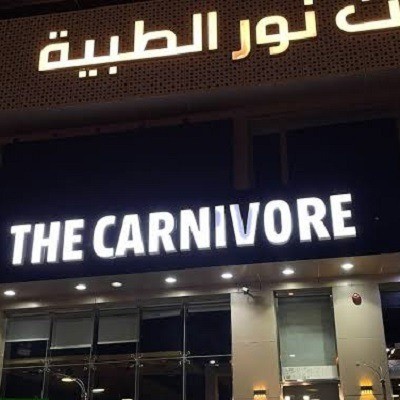
 Visiting a fine dining restaurant for the first time can be an exciting experience, especially for those who want to enjoy exceptional food, elegant surroundings, and attentive service. Unlike casual dining, fine dining focuses on the complete guest experience, from the moment a guest enters the restaurant to the final course of the meal. Every detail, including the presentation of dishes, table settings, service etiquette, and atmosphere, contributes to a memorable visit.A Fine Dine Restaurant in Saudi Arabia (https://www.thecarnivorerestaurant.com/en/) offers guests an opportunity to explore refined culinary experiences while enjoying the country's evolving food culture. From contemporary international cuisine to traditional Saudi flavors presented with a modern touch, fine dining venues provide a setting for special occasions, business meetings, romantic dinners, and memorable family gatherings.For first-time visitors, the experience may seem unfamiliar because of formal table arrangements, carefully planned menus, and multiple courses. However, fine dining is not about following complicated rules or knowing every piece of restaurant etiquette. It is about enjoying quality food, respecting the dining environment, and feeling comfortable throughout the meal.Understanding what to expect before making a reservation can help guests feel more confident and make the most of their visit.1. Understanding the Fine Dining ExperienceFine dining is more than simply eating at an expensive or elegant restaurant. It combines culinary expertise, thoughtful hospitality, carefully selected ingredients, and a welcoming atmosphere to create a complete dining experience.A fine dining restaurant typically pays close attention to every stage of a guest's visit. The entrance, seating arrangement, menu presentation, food preparation, and timing of each course are planned to make the experience feel smooth and enjoyable.In Saudi Arabia, fine dining reflects a diverse culinary landscape influenced by international food trends, regional traditions, and local hospitality. Guests may encounter sophisticated seafood dishes, premium grilled meats, creative vegetarian meals, or familiar Saudi ingredients prepared using contemporary techniques.The atmosphere can vary depending on the restaurant. Some venues feature modern interiors, soft lighting, and minimalist decorations, while others offer luxurious surroundings suited to celebrations and formal occasions.First-time visitors should remember that fine dining does not require special knowledge or previous experience. Restaurant staff are generally available to explain menu items, recommend dishes, and answer questions. The purpose is to help every guest enjoy the experience rather than make dining feel intimidating.2. Making a Reservation and Choosing the Right RestaurantPlanning ahead can make a first visit much easier. Many fine dining establishments operate with reservations, particularly during busy evenings, weekends, holidays, and special occasions. Booking a table in advance helps guests secure their preferred dining time and allows the restaurant to prepare for their arrival.Before making a reservation, guests should consider the type of experience they want. A quiet restaurant may suit a romantic dinner or business meeting, while a lively venue may be more appropriate for a family celebration or gathering with friends.The restaurant's cuisine is another important consideration. Guests who enjoy international dishes may prefer menus featuring Mediterranean, Asian, or European influences. Those interested in regional flavors can explore restaurants that highlight Saudi ingredients and traditional cooking methods in an elevated presentation.It is also helpful to review the restaurant's dress code, location, parking arrangements, and reservation policies. Some establishments encourage formal or smart-casual clothing, while others maintain a more relaxed approach to attire.Guests with dietary restrictions, allergies, or particular food preferences should communicate these needs when booking. This is especially important for people who must avoid specific ingredients for medical reasons.A little preparation can prevent confusion and allow guests to focus on the food, service, and overall atmosphere once they arrive.3. Dress Code, Arrival, and Restaurant EtiquetteOne of the most common concerns among first-time fine dining visitors is what to wear. Although expectations vary between establishments, neat, well-presented clothing is generally a suitable choice.Smart-casual attire often works well for many restaurants. Depending on the venue and occasion, guests may choose tailored trousers, elegant dresses, modest formalwear, or other polished outfits. More formal restaurants may have specific dress requirements, so checking the policy beforehand is advisable.Arriving on time is equally important. Guests with reservations should aim to arrive a few minutes early, especially when visiting an unfamiliar location. If a delay occurs, informing the restaurant can help staff manage the reservation.Upon arrival, a host or receptionist usually welcomes guests and guides them to their table. In some establishments, staff may assist with seating, explain the dining arrangements, or provide menus.Basic etiquette is simple and practical. Guests should speak respectfully to staff, avoid unnecessarily loud conversations, and be considerate of other diners. Mobile phones can be kept on silent, particularly during formal dinners or business meetings.In Saudi Arabia, hospitality and respect are important parts of the dining experience. Guests can appreciate these values by being courteous, following the restaurant's guidance, and respecting its cultural expectations.There is no need to memorize complicated rules. Good manners, patience, and consideration are usually enough to make the visit comfortable for everyone.4. Exploring the Menu and Enjoying Multiple CoursesThe menu is often one of the most interesting parts of a fine dining experience. Instead of offering only a main dish and a side, many restaurants present several courses designed to create a balanced progression of flavors and textures.A typical meal may begin with an appetizer, followed by a soup or salad, a main course, and a dessert. Some restaurants also offer tasting menus featuring smaller portions of several carefully prepared dishes.Appetizers are generally served in modest portions to introduce the meal. These may include seafood, seasonal vegetables, delicate pastries, or other creative starters. The main course often features the restaurant's signature dishes, prepared with an emphasis on ingredients, cooking techniques, and presentation.Desserts may combine different textures and flavors, such as fruit, chocolate, cream, nuts, or regional ingredients. In some restaurants, coffee or tea is offered at the end of the meal.First-time guests should feel comfortable asking questions about unfamiliar dishes. The menu may include culinary terms, ingredients, or preparation methods that are not immediately clear. Restaurant staff can explain how a dish is prepared, whether it contains common allergens, and which options suit particular preferences.If choosing between several dishes feels difficult, asking for a recommendation can be helpful. Staff may suggest popular items or explain which courses complement one another.Guests should also understand that fine dining emphasizes quality and presentation rather than simply serving large portions. Some courses may be smaller than expected because the meal is designed around several dishes instead of one oversized plate.The best approach is to eat at a comfortable pace, appreciate the flavors, and enjoy each course without feeling rushed.5. Food Presentation, Service, and Dining ComfortFood presentation is an important feature of fine dining. Chefs carefully arrange ingredients, sauces, garnishes, and textures to make each dish visually appealing while preserving its intended flavor.A beautifully presented plate is not only decorative. It can also reflect the chef's approach to combining ingredients, balancing flavors, and creating a distinctive dining experience.Service is another major difference between casual dining and fine dining. Staff members often explain dishes, serve courses in a planned sequence, refill water when appropriate, and check whether guests need assistance. The level of interaction varies, but the general aim is to provide attentive service without interrupting conversations unnecessarily.Guests may notice that dishes arrive separately rather than all at once. This allows each course to be enjoyed at the intended temperature and gives diners time to appreciate the progression of the meal.Patience is useful because some dishes require more preparation than others. Freshly cooked meals, carefully assembled plates, and tasting menus may take time to serve. A well-paced meal is usually part of the intended experience rather than a reason for concern.For people who prioritize health, the menu can also be an opportunity to make thoughtful food choices. Options featuring vegetables, legumes, seafood, lean proteins, and whole-food ingredients may support a balanced eating pattern, depending on the preparation and portion size.However, fine dining does not automatically mean that every dish is healthy. Sauces, butter, cream, added sugar, and salt can affect a meal's nutritional profile. Guests who have specific dietary requirements should ask about ingredients and preparation methods instead of relying on the appearance of a dish.Those managing food allergies or medical dietary restrictions should communicate their needs clearly and confirm whether the restaurant can accommodate them safely.6. Understanding Dining Costs, Payment, and Local Dining CultureFine dining generally involves a more detailed service experience and carefully prepared dishes, so the overall cost may differ from that of a casual restaurant. The final bill depends on the menu, selected courses, beverages, additional services, and any applicable charges.Before ordering, guests can review the menu to understand which items are included and whether a set menu or tasting menu has a fixed cost. They can also ask whether optional additions, special dishes, or beverages carry separate charges.There is no requirement to order every course. Guests can choose the dishes that suit their appetite, preferences, and budget. A thoughtful selection can still provide a satisfying fine dining experience.When the meal is finished, staff may bring the bill after guests request it or indicate that they are ready to leave. Depending on the restaurant's process, payment may be made by card or another accepted method. Guests should check the available payment options if they have a preference.Saudi Arabia's dining culture combines international influences with local traditions of hospitality. Restaurants may offer menus that incorporate regional spices, dates, seafood, aromatic rice, or other familiar ingredients into modern culinary presentations.Visitors should also consider local customs and the restaurant's specific policies regarding dress, conduct, and dining arrangements. Expectations can differ between venues, so checking in advance helps prevent misunderstandings.For guests who are new to fine dining, the most important thing is to approach the experience with curiosity rather than pressure. A restaurant visit does not need to be perfect to be enjoyable. Asking questions, selecting preferred dishes, and appreciating the hospitality are all part of the experience.Frequently Asked Questions1. What should a first-time guest expect at a fine dining restaurant in Saudi Arabia?A first-time guest can expect an elegant atmosphere, carefully prepared dishes, attentive service, and a thoughtfully arranged menu. Depending on the restaurant, the meal may include several courses, personalized recommendations, and contemporary interpretations of international or Saudi cuisine. Guests do not need prior fine dining experience to enjoy their visit.2. What should someone wear to a fine dining restaurant?Smart-casual or formal clothing is generally appropriate, depending on the restaurant's dress code. Neat, modest, and well-presented attire is a practical choice for many venues in Saudi Arabia. Checking the restaurant's requirements before arrival helps guests choose suitable clothing.3. Is a reservation necessary at a fine dining restaurant in Saudi Arabia?Reservations are often recommended, particularly for popular restaurants, weekend dinners, holidays, and special occasions. Booking ahead can help guests secure their preferred time and avoid unnecessary waiting. Some restaurants may accept walk-in guests when tables are available.4. Are fine dining restaurants suitable for people with dietary restrictions?Many restaurants can accommodate certain dietary preferences or restrictions when informed in advance. However, the level of accommodation varies. Guests with food allergies, medical dietary requirements, or ingredient sensitivities should contact the restaurant before visiting and confirm the ingredients and preparation methods of suitable dishes.5. Does fine dining always mean eating small portions or unhealthy food?Fine dining often emphasizes presentation, ingredient quality, and several courses rather than large portions. However, portion sizes and nutritional content vary by restaurant and dish. Guests can ask about ingredients, choose vegetable-based or lean-protein options where available, and request information about sauces and cooking methods.6. How can a guest feel more confident during a first fine dining visit?Planning ahead is the easiest way to feel comfortable. Guests can review the menu, check the dress code, arrive on time, and inform staff about dietary needs. Asking questions about unfamiliar dishes is perfectly acceptable. Good manners, an open mind, and a willingness to enjoy the experience are more important than knowing every dining custom.A first visit to a fine dining restaurant can be an enjoyable opportunity to discover new flavors, appreciate culinary creativity, and experience thoughtful hospitality. For anyone exploring a Fine Dine Restaurant in Saudi Arabia, a little preparation can make the occasion more relaxed and rewarding. By choosing a suitable venue, understanding the menu, communicating dietary needs, and following basic etiquette, guests can enjoy a memorable meal with confidence.
 Visiting a fine dining restaurant for the first time can be an exciting experience, especially for those who want to enjoy exceptional food, elegant surroundings, and attentive service. Unlike casual dining, fine dining focuses on the complete guest experience, from the moment a guest enters the restaurant to the final course of the meal. Every detail, including the presentation of dishes, table settings, service etiquette, and atmosphere, contributes to a memorable visit.A Fine Dine Restaurant in Saudi Arabia (https://www.thecarnivorerestaurant.com/en/) offers guests an opportunity to explore refined culinary experiences while enjoying the country's evolving food culture. From contemporary international cuisine to traditional Saudi flavors presented with a modern touch, fine dining venues provide a setting for special occasions, business meetings, romantic dinners, and memorable family gatherings.For first-time visitors, the experience may seem unfamiliar because of formal table arrangements, carefully planned menus, and multiple courses. However, fine dining is not about following complicated rules or knowing every piece of restaurant etiquette. It is about enjoying quality food, respecting the dining environment, and feeling comfortable throughout the meal.Understanding what to expect before making a reservation can help guests feel more confident and make the most of their visit.1. Understanding the Fine Dining ExperienceFine dining is more than simply eating at an expensive or elegant restaurant. It combines culinary expertise, thoughtful hospitality, carefully selected ingredients, and a welcoming atmosphere to create a complete dining experience.A fine dining restaurant typically pays close attention to every stage of a guest's visit. The entrance, seating arrangement, menu presentation, food preparation, and timing of each course are planned to make the experience feel smooth and enjoyable.In Saudi Arabia, fine dining reflects a diverse culinary landscape influenced by international food trends, regional traditions, and local hospitality. Guests may encounter sophisticated seafood dishes, premium grilled meats, creative vegetarian meals, or familiar Saudi ingredients prepared using contemporary techniques.The atmosphere can vary depending on the restaurant. Some venues feature modern interiors, soft lighting, and minimalist decorations, while others offer luxurious surroundings suited to celebrations and formal occasions.First-time visitors should remember that fine dining does not require special knowledge or previous experience. Restaurant staff are generally available to explain menu items, recommend dishes, and answer questions. The purpose is to help every guest enjoy the experience rather than make dining feel intimidating.2. Making a Reservation and Choosing the Right RestaurantPlanning ahead can make a first visit much easier. Many fine dining establishments operate with reservations, particularly during busy evenings, weekends, holidays, and special occasions. Booking a table in advance helps guests secure their preferred dining time and allows the restaurant to prepare for their arrival.Before making a reservation, guests should consider the type of experience they want. A quiet restaurant may suit a romantic dinner or business meeting, while a lively venue may be more appropriate for a family celebration or gathering with friends.The restaurant's cuisine is another important consideration. Guests who enjoy international dishes may prefer menus featuring Mediterranean, Asian, or European influences. Those interested in regional flavors can explore restaurants that highlight Saudi ingredients and traditional cooking methods in an elevated presentation.It is also helpful to review the restaurant's dress code, location, parking arrangements, and reservation policies. Some establishments encourage formal or smart-casual clothing, while others maintain a more relaxed approach to attire.Guests with dietary restrictions, allergies, or particular food preferences should communicate these needs when booking. This is especially important for people who must avoid specific ingredients for medical reasons.A little preparation can prevent confusion and allow guests to focus on the food, service, and overall atmosphere once they arrive.3. Dress Code, Arrival, and Restaurant EtiquetteOne of the most common concerns among first-time fine dining visitors is what to wear. Although expectations vary between establishments, neat, well-presented clothing is generally a suitable choice.Smart-casual attire often works well for many restaurants. Depending on the venue and occasion, guests may choose tailored trousers, elegant dresses, modest formalwear, or other polished outfits. More formal restaurants may have specific dress requirements, so checking the policy beforehand is advisable.Arriving on time is equally important. Guests with reservations should aim to arrive a few minutes early, especially when visiting an unfamiliar location. If a delay occurs, informing the restaurant can help staff manage the reservation.Upon arrival, a host or receptionist usually welcomes guests and guides them to their table. In some establishments, staff may assist with seating, explain the dining arrangements, or provide menus.Basic etiquette is simple and practical. Guests should speak respectfully to staff, avoid unnecessarily loud conversations, and be considerate of other diners. Mobile phones can be kept on silent, particularly during formal dinners or business meetings.In Saudi Arabia, hospitality and respect are important parts of the dining experience. Guests can appreciate these values by being courteous, following the restaurant's guidance, and respecting its cultural expectations.There is no need to memorize complicated rules. Good manners, patience, and consideration are usually enough to make the visit comfortable for everyone.4. Exploring the Menu and Enjoying Multiple CoursesThe menu is often one of the most interesting parts of a fine dining experience. Instead of offering only a main dish and a side, many restaurants present several courses designed to create a balanced progression of flavors and textures.A typical meal may begin with an appetizer, followed by a soup or salad, a main course, and a dessert. Some restaurants also offer tasting menus featuring smaller portions of several carefully prepared dishes.Appetizers are generally served in modest portions to introduce the meal. These may include seafood, seasonal vegetables, delicate pastries, or other creative starters. The main course often features the restaurant's signature dishes, prepared with an emphasis on ingredients, cooking techniques, and presentation.Desserts may combine different textures and flavors, such as fruit, chocolate, cream, nuts, or regional ingredients. In some restaurants, coffee or tea is offered at the end of the meal.First-time guests should feel comfortable asking questions about unfamiliar dishes. The menu may include culinary terms, ingredients, or preparation methods that are not immediately clear. Restaurant staff can explain how a dish is prepared, whether it contains common allergens, and which options suit particular preferences.If choosing between several dishes feels difficult, asking for a recommendation can be helpful. Staff may suggest popular items or explain which courses complement one another.Guests should also understand that fine dining emphasizes quality and presentation rather than simply serving large portions. Some courses may be smaller than expected because the meal is designed around several dishes instead of one oversized plate.The best approach is to eat at a comfortable pace, appreciate the flavors, and enjoy each course without feeling rushed.5. Food Presentation, Service, and Dining ComfortFood presentation is an important feature of fine dining. Chefs carefully arrange ingredients, sauces, garnishes, and textures to make each dish visually appealing while preserving its intended flavor.A beautifully presented plate is not only decorative. It can also reflect the chef's approach to combining ingredients, balancing flavors, and creating a distinctive dining experience.Service is another major difference between casual dining and fine dining. Staff members often explain dishes, serve courses in a planned sequence, refill water when appropriate, and check whether guests need assistance. The level of interaction varies, but the general aim is to provide attentive service without interrupting conversations unnecessarily.Guests may notice that dishes arrive separately rather than all at once. This allows each course to be enjoyed at the intended temperature and gives diners time to appreciate the progression of the meal.Patience is useful because some dishes require more preparation than others. Freshly cooked meals, carefully assembled plates, and tasting menus may take time to serve. A well-paced meal is usually part of the intended experience rather than a reason for concern.For people who prioritize health, the menu can also be an opportunity to make thoughtful food choices. Options featuring vegetables, legumes, seafood, lean proteins, and whole-food ingredients may support a balanced eating pattern, depending on the preparation and portion size.However, fine dining does not automatically mean that every dish is healthy. Sauces, butter, cream, added sugar, and salt can affect a meal's nutritional profile. Guests who have specific dietary requirements should ask about ingredients and preparation methods instead of relying on the appearance of a dish.Those managing food allergies or medical dietary restrictions should communicate their needs clearly and confirm whether the restaurant can accommodate them safely.6. Understanding Dining Costs, Payment, and Local Dining CultureFine dining generally involves a more detailed service experience and carefully prepared dishes, so the overall cost may differ from that of a casual restaurant. The final bill depends on the menu, selected courses, beverages, additional services, and any applicable charges.Before ordering, guests can review the menu to understand which items are included and whether a set menu or tasting menu has a fixed cost. They can also ask whether optional additions, special dishes, or beverages carry separate charges.There is no requirement to order every course. Guests can choose the dishes that suit their appetite, preferences, and budget. A thoughtful selection can still provide a satisfying fine dining experience.When the meal is finished, staff may bring the bill after guests request it or indicate that they are ready to leave. Depending on the restaurant's process, payment may be made by card or another accepted method. Guests should check the available payment options if they have a preference.Saudi Arabia's dining culture combines international influences with local traditions of hospitality. Restaurants may offer menus that incorporate regional spices, dates, seafood, aromatic rice, or other familiar ingredients into modern culinary presentations.Visitors should also consider local customs and the restaurant's specific policies regarding dress, conduct, and dining arrangements. Expectations can differ between venues, so checking in advance helps prevent misunderstandings.For guests who are new to fine dining, the most important thing is to approach the experience with curiosity rather than pressure. A restaurant visit does not need to be perfect to be enjoyable. Asking questions, selecting preferred dishes, and appreciating the hospitality are all part of the experience.Frequently Asked Questions1. What should a first-time guest expect at a fine dining restaurant in Saudi Arabia?A first-time guest can expect an elegant atmosphere, carefully prepared dishes, attentive service, and a thoughtfully arranged menu. Depending on the restaurant, the meal may include several courses, personalized recommendations, and contemporary interpretations of international or Saudi cuisine. Guests do not need prior fine dining experience to enjoy their visit.2. What should someone wear to a fine dining restaurant?Smart-casual or formal clothing is generally appropriate, depending on the restaurant's dress code. Neat, modest, and well-presented attire is a practical choice for many venues in Saudi Arabia. Checking the restaurant's requirements before arrival helps guests choose suitable clothing.3. Is a reservation necessary at a fine dining restaurant in Saudi Arabia?Reservations are often recommended, particularly for popular restaurants, weekend dinners, holidays, and special occasions. Booking ahead can help guests secure their preferred time and avoid unnecessary waiting. Some restaurants may accept walk-in guests when tables are available.4. Are fine dining restaurants suitable for people with dietary restrictions?Many restaurants can accommodate certain dietary preferences or restrictions when informed in advance. However, the level of accommodation varies. Guests with food allergies, medical dietary requirements, or ingredient sensitivities should contact the restaurant before visiting and confirm the ingredients and preparation methods of suitable dishes.5. Does fine dining always mean eating small portions or unhealthy food?Fine dining often emphasizes presentation, ingredient quality, and several courses rather than large portions. However, portion sizes and nutritional content vary by restaurant and dish. Guests can ask about ingredients, choose vegetable-based or lean-protein options where available, and request information about sauces and cooking methods.6. How can a guest feel more confident during a first fine dining visit?Planning ahead is the easiest way to feel comfortable. Guests can review the menu, check the dress code, arrive on time, and inform staff about dietary needs. Asking questions about unfamiliar dishes is perfectly acceptable. Good manners, an open mind, and a willingness to enjoy the experience are more important than knowing every dining custom.A first visit to a fine dining restaurant can be an enjoyable opportunity to discover new flavors, appreciate culinary creativity, and experience thoughtful hospitality. For anyone exploring a Fine Dine Restaurant in Saudi Arabia, a little preparation can make the occasion more relaxed and rewarding. By choosing a suitable venue, understanding the menu, communicating dietary needs, and following basic etiquette, guests can enjoy a memorable meal with confidence.
Mon, 19 October 26 : 9:10 : Enfield Oman
Visit / Join Group to Reply