


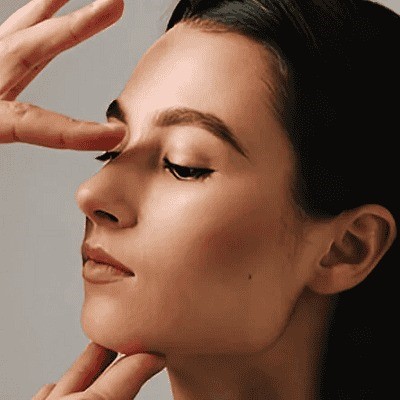
 Nose reshaping surgery is a popular cosmetic and functional procedure that helps improve the appearance of the nose while addressing certain structural concerns that may affect breathing. Also known as rhinoplasty, this procedure can change the size, shape, proportions, and overall balance of the nose to complement the rest of the face. For individuals considering Nose Reshaping Surgery in Muscat (https://www.enfieldroyalclinics.om/cosmetic-surgery/rhinoplasty/), understanding how the procedure works, what it can achieve, and what recovery involves is an important first step toward making an informed decision.The nose plays a significant role in facial harmony, and even subtle changes to its structure can influence overall facial appearance. Some people seek treatment to refine a prominent nasal bridge, reshape the tip, correct asymmetry, or adjust the width of the nostrils. Others may consider surgery because of breathing difficulties caused by structural abnormalities or an injury.Modern rhinoplasty techniques are designed to achieve balanced, natural-looking results while preserving or improving nasal function whenever possible. However, the right approach depends on each individual's anatomy, goals, medical history, and expectations. A thorough consultation with a qualified surgeon helps determine whether the procedure is appropriate and which technique may offer the most suitable outcome.1. What Is Nose Reshaping Surgery?Nose reshaping surgery, or rhinoplasty, is a surgical procedure that changes the structure of the nose to improve its appearance, function, or both. Depending on the individual's needs, the procedure may involve reshaping cartilage, adjusting nasal bones, modifying the nasal tip, or changing the position and shape of other nasal structures.Rhinoplasty is generally divided into two main categories: cosmetic rhinoplasty and functional rhinoplasty.Cosmetic rhinoplasty focuses on improving the nose's appearance. It may address a dorsal hump, a wide nasal bridge, a bulbous tip, asymmetry, or proportions that appear disproportionate to the rest of the face. The objective is not necessarily to create a completely different nose but to achieve a shape that looks harmonious with the individual's natural facial features.Functional rhinoplasty focuses on correcting structural problems that interfere with breathing. For example, internal nasal abnormalities may restrict airflow and contribute to persistent nasal obstruction. Depending on the cause, surgery may involve correcting the nasal framework or addressing related structural concerns.Some procedures combine cosmetic and functional improvements when both are appropriate.For those researching Nose Reshaping Surgery in Muscat, it is important to understand that rhinoplasty is a highly individualized procedure. The nose contains delicate structures that support both appearance and breathing, so treatment requires careful planning rather than a one-size-fits-all approach.2. How Does Nose Reshaping Surgery Work?Rhinoplasty works by modifying the underlying bone, cartilage, and soft tissue of the nose to achieve the planned shape or improve nasal function. The exact surgical method depends on the changes required and the complexity of the procedure.Open and Closed Rhinoplasty TechniquesTwo commonly used approaches are open rhinoplasty and closed rhinoplasty.In open rhinoplasty, the surgeon makes a small incision across the columella, the strip of tissue between the nostrils, along with incisions inside the nose. This approach allows the nasal skin to be lifted carefully, providing a clearer view of the underlying structures. It may be useful when extensive reshaping or precise structural adjustments are needed.In closed rhinoplasty, the incisions are made inside the nostrils. This technique avoids an external columellar incision and may be suitable for selected cases that require less extensive structural changes.Neither technique is universally better than the other. The choice depends on the individual's anatomy, the desired outcome, and the surgeon's assessment.Reshaping the Nasal StructureDuring surgery, the nasal bones and cartilage may be carefully adjusted to create the intended contours. A prominent bridge may be reduced, the nasal tip may be refined, or the nasal framework may be modified to improve symmetry.In some cases, cartilage grafts are used to provide additional support or improve the nasal shape. Cartilage may come from the nasal septum or, when necessary, another suitable source. Structural support is particularly important because excessive removal of cartilage can compromise both appearance and breathing.If a deviated septum contributes to nasal obstruction, septoplasty may be performed alongside rhinoplasty when clinically appropriate.The procedure is usually performed under general anesthesia, although selected cases may be suitable for other anesthesia arrangements. The operating team determines the safest approach based on the planned surgery and the individual's health.3. Who May Be a Suitable Candidate for Nose Reshaping Surgery?Nose reshaping surgery may be appropriate for adults who are unhappy with particular features of their nose or who have structural concerns affecting nasal breathing. However, suitability depends on more than cosmetic preferences alone.Potential candidates may include individuals who:Have a prominent nasal bridge or a noticeable hump.Want to refine a wide, rounded, or drooping nasal tip.Have nasal asymmetry or an irregular nasal contour.Experience structural nasal obstruction that may benefit from surgery.Have nasal deformities resulting from an injury.Have realistic expectations about the possible results.Are in suitable general health for an elective surgical procedure.Nasal growth should generally be complete before cosmetic rhinoplasty is considered. The appropriate age depends on individual development, and a qualified surgeon can assess readiness.Good candidates should also understand that rhinoplasty cannot guarantee perfect symmetry or reproduce another person's nose exactly. Facial features, skin thickness, cartilage strength, and bone structure all influence the final result.A consultation usually includes a review of medical history, current medications, allergies, previous nasal procedures, and any breathing problems. The surgeon may examine the external nose and internal nasal passages and discuss the individual's goals in detail.For anyone considering Nose Reshaping Surgery in Muscat, an individualized assessment is essential to determine whether surgery is appropriate and whether the expected benefits outweigh the potential risks.4. What Are the Main Benefits and Risks of Rhinoplasty?One of the main reasons people consider rhinoplasty is the opportunity to improve facial balance. Changes to the nasal bridge, tip, or overall proportions may help the nose complement the other facial features more naturally.Other potential benefits include improved nasal symmetry, correction of certain deformities following injury, and better airflow when surgery successfully addresses an underlying structural problem.For some individuals, feeling more comfortable with their appearance may also support self-confidence. However, emotional benefits vary from person to person, and surgery should be undertaken for personal reasons rather than pressure from others.Despite its potential benefits, rhinoplasty is still a surgical procedure and carries risks.Possible complications include:Bleeding or infection.Adverse reactions to anesthesia.Swelling, bruising, or temporary discomfort.Persistent nasal blockage or changes in breathing.Noticeable scarring, particularly with certain open techniques.Asymmetry or dissatisfaction with the cosmetic outcome.Changes in skin sensation or nasal sensitivity.The need for revision surgery in selected cases.The final appearance may also differ from the original plan because healing, scar formation, skin thickness, and individual anatomy influence the result.Choosing a properly qualified and experienced surgeon, following preoperative instructions, and attending follow-up appointments can help reduce avoidable risks. Nevertheless, no surgical procedure is entirely risk-free.Anyone considering treatment should receive a clear explanation of the likely benefits, limitations, complications, and alternatives before deciding to proceed.5. What Happens During Recovery After Nose Reshaping Surgery?Recovery after rhinoplasty occurs gradually. Although many people can return to light daily activities relatively soon, the nose needs considerably longer to settle into its final shape.Immediately after surgery, a splint may be placed on the outside of the nose to provide support and protect the healing structures. Internal supports or dressings may also be used in selected cases. Mild bleeding, congestion, swelling, and bruising around the eyes are common during the early recovery period.The First Week After SurgeryDuring the first several days, patients are generally advised to rest, keep the head elevated, and avoid activities that could put pressure on the nose. Cold compresses may help with swelling around the eyes when used according to the surgical team's instructions.The external splint is often removed after approximately one week, although the exact timing varies. Bruising and noticeable swelling usually begin to improve during the first one to two weeks.Patients should avoid blowing their nose, wearing glasses directly on the healing nasal bridge, or engaging in strenuous activity until the surgeon confirms that these activities are safe.The Following Weeks and MonthsMany patients gradually return to work or school within one to two weeks, depending on their recovery and the nature of their daily activities. Strenuous exercise, contact sports, and activities that risk nasal injury may need to be avoided for several weeks or longer.Although the most noticeable swelling generally decreases during the first few weeks, subtle swelling can persist for months. The nasal tip often takes the longest to settle, particularly in individuals with thicker skin or more extensive surgical changes.A refined result may become apparent over several months, but the nose can continue to change for up to a year or sometimes longer.Following postoperative instructions is essential. Severe or increasing pain, heavy bleeding, fever, sudden changes in vision, or significant breathing difficulties should prompt immediate medical assessment.A successful recovery depends on patience, appropriate aftercare, and realistic expectations. The final result should be evaluated only after sufficient healing has occurred.6. What Should Patients Consider Before Choosing Nose Reshaping Surgery in Muscat?Choosing to undergo rhinoplasty involves more than deciding which nasal features to change. Patients should consider the surgeon's qualifications, the proposed technique, the safety of the surgical setting, and the support available throughout recovery.A consultation should provide an opportunity to discuss specific concerns and understand what surgery can realistically achieve. Computer-generated images or photographs may help communicate preferences, but they cannot guarantee the final outcome.Patients should also ask whether the proposed procedure is primarily cosmetic, functional, or a combination of both. If breathing difficulties are present, a proper nasal assessment is particularly important because changing the external appearance alone may not resolve the underlying problem.Medical history and medication use should be reviewed before surgery. Smoking and nicotine use can interfere with healing, so patients should discuss appropriate cessation measures with their healthcare professional. Blood-thinning medications and supplements should also be disclosed, and no prescribed medication should be stopped without medical advice.When researching Nose Reshaping Surgery in Muscat, practical considerations matter as well. Patients should understand the total treatment plan, including consultations, anesthesia, postoperative reviews, expected time away from work, and arrangements for assistance during the early recovery period.The overall cost can vary according to the complexity of the procedure, the surgical technique, anesthesia, facility requirements, and whether functional correction is included. A personalized assessment is therefore more useful than relying on a general estimate alone.It is equally important to understand the possibility of revision surgery. Although many patients achieve satisfactory results after one procedure, some may require further treatment because of healing-related changes, persistent functional problems, or an outcome that does not meet reasonable expectations.Ultimately, the best approach is one that prioritizes safety, nasal function, facial balance, and the individual's long-term well-being. Careful planning and open communication help patients make informed decisions rather than focusing solely on appearance.Frequently Asked Questions About Nose Reshaping Surgery1. Is nose reshaping surgery painful?Rhinoplasty is generally performed under anesthesia, so the patient should not feel pain during the operation. After surgery, some discomfort, pressure, congestion, and tenderness may occur. These symptoms are usually manageable with prescribed medication and appropriate aftercare. The level of discomfort varies according to the surgical technique and the extent of the changes.2. How long does nose reshaping surgery take?The procedure commonly takes around one to three hours, although more complex cases may take longer. The duration depends on the surgical approach, the extent of reshaping, and whether additional functional corrections are required.3. When can patients see the final results of rhinoplasty?Initial improvements may become noticeable as swelling decreases during the first few weeks. However, the nose continues to heal over several months. Most of the final contour becomes clearer within approximately 6 to 12 months, although subtle changes may continue beyond that period.4. Can nose reshaping surgery improve breathing?Yes, rhinoplasty may improve breathing when structural abnormalities contribute to nasal obstruction. Depending on the cause, treatment may include septoplasty or other functional corrections. Cosmetic rhinoplasty alone does not necessarily improve breathing, so an appropriate examination is important before surgery.5. Are the results of nose reshaping surgery permanent?Rhinoplasty generally produces long-lasting structural changes. However, the nose continues to age naturally, and factors such as healing, injury, and changes in tissue can influence its appearance over time. Although the results are intended to be permanent, perfect symmetry or an entirely unchanged appearance cannot be guaranteed.6. How can patients prepare for nose reshaping surgery in Muscat?Preparation usually involves a medical consultation, a review of medical history and medications, and any tests recommended by the surgical team. Patients may be asked to stop smoking, avoid certain medications or supplements under medical guidance, and arrange transport and assistance after surgery. Following the surgeon's specific instructions helps support a safer procedure and smoother recovery.Nose reshaping surgery can offer meaningful cosmetic and functional benefits when it is carefully planned and performed for appropriate reasons. Understanding the available techniques, realistic outcomes, potential risks, and recovery timeline helps individuals approach treatment with greater confidence. For those exploring Nose Reshaping Surgery in Muscat, a detailed consultation with a qualified surgeon remains the most reliable way to determine the most appropriate treatment plan.Read More About Nose Reshaping Surgery: https://b.cari.com.my/home.php?mod=space&uid=3172561&do=blog&quickforward=1&id=624171
 Nose reshaping surgery is a popular cosmetic and functional procedure that helps improve the appearance of the nose while addressing certain structural concerns that may affect breathing. Also known as rhinoplasty, this procedure can change the size, shape, proportions, and overall balance of the nose to complement the rest of the face. For individuals considering Nose Reshaping Surgery in Muscat (https://www.enfieldroyalclinics.om/cosmetic-surgery/rhinoplasty/), understanding how the procedure works, what it can achieve, and what recovery involves is an important first step toward making an informed decision.The nose plays a significant role in facial harmony, and even subtle changes to its structure can influence overall facial appearance. Some people seek treatment to refine a prominent nasal bridge, reshape the tip, correct asymmetry, or adjust the width of the nostrils. Others may consider surgery because of breathing difficulties caused by structural abnormalities or an injury.Modern rhinoplasty techniques are designed to achieve balanced, natural-looking results while preserving or improving nasal function whenever possible. However, the right approach depends on each individual's anatomy, goals, medical history, and expectations. A thorough consultation with a qualified surgeon helps determine whether the procedure is appropriate and which technique may offer the most suitable outcome.1. What Is Nose Reshaping Surgery?Nose reshaping surgery, or rhinoplasty, is a surgical procedure that changes the structure of the nose to improve its appearance, function, or both. Depending on the individual's needs, the procedure may involve reshaping cartilage, adjusting nasal bones, modifying the nasal tip, or changing the position and shape of other nasal structures.Rhinoplasty is generally divided into two main categories: cosmetic rhinoplasty and functional rhinoplasty.Cosmetic rhinoplasty focuses on improving the nose's appearance. It may address a dorsal hump, a wide nasal bridge, a bulbous tip, asymmetry, or proportions that appear disproportionate to the rest of the face. The objective is not necessarily to create a completely different nose but to achieve a shape that looks harmonious with the individual's natural facial features.Functional rhinoplasty focuses on correcting structural problems that interfere with breathing. For example, internal nasal abnormalities may restrict airflow and contribute to persistent nasal obstruction. Depending on the cause, surgery may involve correcting the nasal framework or addressing related structural concerns.Some procedures combine cosmetic and functional improvements when both are appropriate.For those researching Nose Reshaping Surgery in Muscat, it is important to understand that rhinoplasty is a highly individualized procedure. The nose contains delicate structures that support both appearance and breathing, so treatment requires careful planning rather than a one-size-fits-all approach.2. How Does Nose Reshaping Surgery Work?Rhinoplasty works by modifying the underlying bone, cartilage, and soft tissue of the nose to achieve the planned shape or improve nasal function. The exact surgical method depends on the changes required and the complexity of the procedure.Open and Closed Rhinoplasty TechniquesTwo commonly used approaches are open rhinoplasty and closed rhinoplasty.In open rhinoplasty, the surgeon makes a small incision across the columella, the strip of tissue between the nostrils, along with incisions inside the nose. This approach allows the nasal skin to be lifted carefully, providing a clearer view of the underlying structures. It may be useful when extensive reshaping or precise structural adjustments are needed.In closed rhinoplasty, the incisions are made inside the nostrils. This technique avoids an external columellar incision and may be suitable for selected cases that require less extensive structural changes.Neither technique is universally better than the other. The choice depends on the individual's anatomy, the desired outcome, and the surgeon's assessment.Reshaping the Nasal StructureDuring surgery, the nasal bones and cartilage may be carefully adjusted to create the intended contours. A prominent bridge may be reduced, the nasal tip may be refined, or the nasal framework may be modified to improve symmetry.In some cases, cartilage grafts are used to provide additional support or improve the nasal shape. Cartilage may come from the nasal septum or, when necessary, another suitable source. Structural support is particularly important because excessive removal of cartilage can compromise both appearance and breathing.If a deviated septum contributes to nasal obstruction, septoplasty may be performed alongside rhinoplasty when clinically appropriate.The procedure is usually performed under general anesthesia, although selected cases may be suitable for other anesthesia arrangements. The operating team determines the safest approach based on the planned surgery and the individual's health.3. Who May Be a Suitable Candidate for Nose Reshaping Surgery?Nose reshaping surgery may be appropriate for adults who are unhappy with particular features of their nose or who have structural concerns affecting nasal breathing. However, suitability depends on more than cosmetic preferences alone.Potential candidates may include individuals who:Have a prominent nasal bridge or a noticeable hump.Want to refine a wide, rounded, or drooping nasal tip.Have nasal asymmetry or an irregular nasal contour.Experience structural nasal obstruction that may benefit from surgery.Have nasal deformities resulting from an injury.Have realistic expectations about the possible results.Are in suitable general health for an elective surgical procedure.Nasal growth should generally be complete before cosmetic rhinoplasty is considered. The appropriate age depends on individual development, and a qualified surgeon can assess readiness.Good candidates should also understand that rhinoplasty cannot guarantee perfect symmetry or reproduce another person's nose exactly. Facial features, skin thickness, cartilage strength, and bone structure all influence the final result.A consultation usually includes a review of medical history, current medications, allergies, previous nasal procedures, and any breathing problems. The surgeon may examine the external nose and internal nasal passages and discuss the individual's goals in detail.For anyone considering Nose Reshaping Surgery in Muscat, an individualized assessment is essential to determine whether surgery is appropriate and whether the expected benefits outweigh the potential risks.4. What Are the Main Benefits and Risks of Rhinoplasty?One of the main reasons people consider rhinoplasty is the opportunity to improve facial balance. Changes to the nasal bridge, tip, or overall proportions may help the nose complement the other facial features more naturally.Other potential benefits include improved nasal symmetry, correction of certain deformities following injury, and better airflow when surgery successfully addresses an underlying structural problem.For some individuals, feeling more comfortable with their appearance may also support self-confidence. However, emotional benefits vary from person to person, and surgery should be undertaken for personal reasons rather than pressure from others.Despite its potential benefits, rhinoplasty is still a surgical procedure and carries risks.Possible complications include:Bleeding or infection.Adverse reactions to anesthesia.Swelling, bruising, or temporary discomfort.Persistent nasal blockage or changes in breathing.Noticeable scarring, particularly with certain open techniques.Asymmetry or dissatisfaction with the cosmetic outcome.Changes in skin sensation or nasal sensitivity.The need for revision surgery in selected cases.The final appearance may also differ from the original plan because healing, scar formation, skin thickness, and individual anatomy influence the result.Choosing a properly qualified and experienced surgeon, following preoperative instructions, and attending follow-up appointments can help reduce avoidable risks. Nevertheless, no surgical procedure is entirely risk-free.Anyone considering treatment should receive a clear explanation of the likely benefits, limitations, complications, and alternatives before deciding to proceed.5. What Happens During Recovery After Nose Reshaping Surgery?Recovery after rhinoplasty occurs gradually. Although many people can return to light daily activities relatively soon, the nose needs considerably longer to settle into its final shape.Immediately after surgery, a splint may be placed on the outside of the nose to provide support and protect the healing structures. Internal supports or dressings may also be used in selected cases. Mild bleeding, congestion, swelling, and bruising around the eyes are common during the early recovery period.The First Week After SurgeryDuring the first several days, patients are generally advised to rest, keep the head elevated, and avoid activities that could put pressure on the nose. Cold compresses may help with swelling around the eyes when used according to the surgical team's instructions.The external splint is often removed after approximately one week, although the exact timing varies. Bruising and noticeable swelling usually begin to improve during the first one to two weeks.Patients should avoid blowing their nose, wearing glasses directly on the healing nasal bridge, or engaging in strenuous activity until the surgeon confirms that these activities are safe.The Following Weeks and MonthsMany patients gradually return to work or school within one to two weeks, depending on their recovery and the nature of their daily activities. Strenuous exercise, contact sports, and activities that risk nasal injury may need to be avoided for several weeks or longer.Although the most noticeable swelling generally decreases during the first few weeks, subtle swelling can persist for months. The nasal tip often takes the longest to settle, particularly in individuals with thicker skin or more extensive surgical changes.A refined result may become apparent over several months, but the nose can continue to change for up to a year or sometimes longer.Following postoperative instructions is essential. Severe or increasing pain, heavy bleeding, fever, sudden changes in vision, or significant breathing difficulties should prompt immediate medical assessment.A successful recovery depends on patience, appropriate aftercare, and realistic expectations. The final result should be evaluated only after sufficient healing has occurred.6. What Should Patients Consider Before Choosing Nose Reshaping Surgery in Muscat?Choosing to undergo rhinoplasty involves more than deciding which nasal features to change. Patients should consider the surgeon's qualifications, the proposed technique, the safety of the surgical setting, and the support available throughout recovery.A consultation should provide an opportunity to discuss specific concerns and understand what surgery can realistically achieve. Computer-generated images or photographs may help communicate preferences, but they cannot guarantee the final outcome.Patients should also ask whether the proposed procedure is primarily cosmetic, functional, or a combination of both. If breathing difficulties are present, a proper nasal assessment is particularly important because changing the external appearance alone may not resolve the underlying problem.Medical history and medication use should be reviewed before surgery. Smoking and nicotine use can interfere with healing, so patients should discuss appropriate cessation measures with their healthcare professional. Blood-thinning medications and supplements should also be disclosed, and no prescribed medication should be stopped without medical advice.When researching Nose Reshaping Surgery in Muscat, practical considerations matter as well. Patients should understand the total treatment plan, including consultations, anesthesia, postoperative reviews, expected time away from work, and arrangements for assistance during the early recovery period.The overall cost can vary according to the complexity of the procedure, the surgical technique, anesthesia, facility requirements, and whether functional correction is included. A personalized assessment is therefore more useful than relying on a general estimate alone.It is equally important to understand the possibility of revision surgery. Although many patients achieve satisfactory results after one procedure, some may require further treatment because of healing-related changes, persistent functional problems, or an outcome that does not meet reasonable expectations.Ultimately, the best approach is one that prioritizes safety, nasal function, facial balance, and the individual's long-term well-being. Careful planning and open communication help patients make informed decisions rather than focusing solely on appearance.Frequently Asked Questions About Nose Reshaping Surgery1. Is nose reshaping surgery painful?Rhinoplasty is generally performed under anesthesia, so the patient should not feel pain during the operation. After surgery, some discomfort, pressure, congestion, and tenderness may occur. These symptoms are usually manageable with prescribed medication and appropriate aftercare. The level of discomfort varies according to the surgical technique and the extent of the changes.2. How long does nose reshaping surgery take?The procedure commonly takes around one to three hours, although more complex cases may take longer. The duration depends on the surgical approach, the extent of reshaping, and whether additional functional corrections are required.3. When can patients see the final results of rhinoplasty?Initial improvements may become noticeable as swelling decreases during the first few weeks. However, the nose continues to heal over several months. Most of the final contour becomes clearer within approximately 6 to 12 months, although subtle changes may continue beyond that period.4. Can nose reshaping surgery improve breathing?Yes, rhinoplasty may improve breathing when structural abnormalities contribute to nasal obstruction. Depending on the cause, treatment may include septoplasty or other functional corrections. Cosmetic rhinoplasty alone does not necessarily improve breathing, so an appropriate examination is important before surgery.5. Are the results of nose reshaping surgery permanent?Rhinoplasty generally produces long-lasting structural changes. However, the nose continues to age naturally, and factors such as healing, injury, and changes in tissue can influence its appearance over time. Although the results are intended to be permanent, perfect symmetry or an entirely unchanged appearance cannot be guaranteed.6. How can patients prepare for nose reshaping surgery in Muscat?Preparation usually involves a medical consultation, a review of medical history and medications, and any tests recommended by the surgical team. Patients may be asked to stop smoking, avoid certain medications or supplements under medical guidance, and arrange transport and assistance after surgery. Following the surgeon's specific instructions helps support a safer procedure and smoother recovery.Nose reshaping surgery can offer meaningful cosmetic and functional benefits when it is carefully planned and performed for appropriate reasons. Understanding the available techniques, realistic outcomes, potential risks, and recovery timeline helps individuals approach treatment with greater confidence. For those exploring Nose Reshaping Surgery in Muscat, a detailed consultation with a qualified surgeon remains the most reliable way to determine the most appropriate treatment plan.Read More About Nose Reshaping Surgery: https://b.cari.com.my/home.php?mod=space&uid=3172561&do=blog&quickforward=1&id=624171
Mon, 19 October 26 : 5:10 : Enfield Oman
Visit / Join Group to Reply