


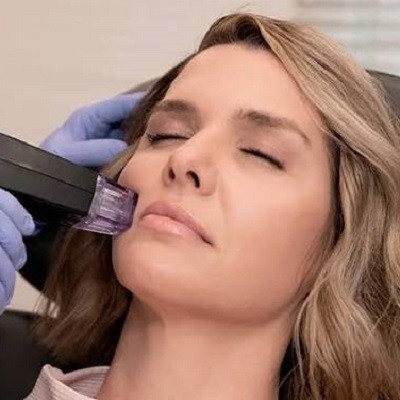
 Choosing the right surgeon is one of the most important steps for anyone considering liposuction surgery. While the procedure is widely known for helping reshape specific areas of the body, its safety, effectiveness, and overall results depend on several factors, including the surgeon’s qualifications, experience, surgical approach, and understanding of the patient’s goals. Making an informed decision can help patients feel more confident and prepared throughout their treatment journey.For individuals considering Liposuction Surgery in Muscat (https://www.enfieldroyalclinics.om/cosmetic-surgery/liposuction/), taking the time to research available options and evaluate a surgeon’s credentials is especially important. A suitable surgeon should provide clear information, realistic expectations, and a personalised treatment plan rather than promising dramatic results. Patients should also feel comfortable asking questions about the procedure, potential risks, recovery, and long-term outcomes.Understanding what to look for in a surgeon can make the decision-making process easier. From checking professional qualifications to assessing consultation practices, several practical considerations can help patients choose a qualified professional for their body-contouring goals.1. Check the Surgeon’s Qualifications and CredentialsThe first step in choosing a surgeon for liposuction is verifying their professional qualifications. Liposuction is a surgical procedure that requires a strong understanding of human anatomy, surgical techniques, patient safety, and the management of potential complications. It should only be performed by an appropriately qualified and licensed medical professional with relevant surgical training.Patients researching Liposuction Surgery in Muscat should confirm that the surgeon holds the necessary professional registration and is authorised to practise in Oman. They can also ask about specialist training in plastic or cosmetic surgery and whether the surgeon has specific experience performing liposuction.It is important to distinguish between a professional who provides non-surgical aesthetic treatments and one who is trained to perform surgery. Experience with cosmetic treatments alone does not necessarily demonstrate the qualifications required for an invasive surgical procedure.Patients can consider the following points when reviewing a surgeon’s credentials:Current medical registration and a valid licence to practise.Recognised specialist qualifications relevant to the procedure.Formal training in liposuction and body-contouring surgery.Experience managing surgical complications and postoperative care.Access to an appropriately equipped and authorised surgical facility.Verifying these details provides a useful foundation for making a safe and informed choice. A qualified surgeon should be willing to explain their training and professional background without making the patient feel uncomfortable for asking.2. Evaluate Experience and Liposuction ExpertiseQualifications are essential, but practical experience also matters. Liposuction involves removing localised fat deposits through small incisions using specialised instruments. The surgeon must understand how to remove fat carefully while maintaining natural body contours and minimising the risk of irregularities.Experience can be particularly relevant when treating different body areas, such as the abdomen, thighs, hips, upper arms, back, or chin. Each area has its own anatomical considerations, and the appropriate technique may vary depending on the amount and distribution of fat, skin elasticity, and the patient's overall health.When comparing options for Liposuction Surgery in Muscat, patients should ask how frequently the surgeon performs the procedure and whether they have experience treating concerns similar to theirs. They may also ask about the techniques used, the expected recovery period, and the factors that could influence the final outcome.A surgeon should be able to explain why a particular approach is suitable for an individual patient. For example, someone with relatively good skin elasticity and localised fat deposits may have different treatment considerations from someone with significant loose skin following substantial weight loss.It is also helpful to discuss how the surgeon handles unexpected findings during surgery and what arrangements are available if a complication develops. These questions can provide insight into the surgeon’s approach to patient safety and clinical decision-making.Experience should not be judged by years in practice alone. A combination of relevant training, consistent surgical practice, sound judgement, and appropriate follow-up care offers a more complete picture.3. Review Before-and-After Photographs and Patient FeedbackBefore-and-after photographs can help patients understand the types of results a surgeon has achieved in previous cases. When available, these images should show patients with similar treatment goals and body areas. They may provide a useful reference for discussing possible outcomes during the consultation.However, photographs should be interpreted carefully. Lighting, posture, camera angles, clothing, and the time elapsed after surgery can all influence how results appear. A photograph cannot guarantee that another patient will achieve the same outcome.Patients considering Liposuction Surgery in Muscat can ask whether the surgeon has photographs of comparable cases and whether the images represent results after an appropriate healing period. It is also reasonable to ask about common limitations, including uneven contours, changes in skin appearance, and the possibility of needing further treatment.Patient reviews may offer additional information about the overall treatment experience. Feedback can sometimes reveal whether the surgeon communicates clearly, explains risks, responds to concerns, and provides adequate postoperative support.When reading reviews, patients should look for consistent patterns rather than relying on a single highly positive or negative comment. They should also remember that online testimonials reflect individual experiences and may not provide a complete or independently verified account of clinical outcomes.A balanced assessment combines available photographs, patient feedback, verified credentials, and a direct consultation. No single source should determine the final decision.4. Assess the Consultation and Personalised Treatment PlanA thorough consultation is an important part of choosing a surgeon. It allows the patient and surgeon to discuss expectations, medical history, treatment suitability, and possible alternatives before making a decision.During the consultation, the surgeon should assess the patient's health, examine the areas of concern, and explain whether liposuction is an appropriate option. This assessment may include questions about previous operations, current medications, allergies, smoking, weight changes, and medical conditions that could affect surgical safety.Liposuction is primarily a body-contouring procedure, not a general weight-loss treatment. It is generally most suitable for people who are close to a stable, healthy weight and have localised fat deposits that have not responded as expected to diet and exercise. It does not reliably treat cellulite, and it cannot correct significant excess skin on its own.For patients exploring Liposuction Surgery in Muscat, a personalised treatment plan should clearly explain:Which areas may be treated and why.The proposed surgical technique and anaesthesia arrangements.The likely benefits and limitations of the procedure.The potential risks and expected recovery timeline.Whether alternative or additional procedures may be appropriate.The follow-up appointments and support available after surgery.Patients should feel comfortable discussing their goals openly. A responsible surgeon will explain what is realistically achievable based on the patient's anatomy and skin quality.It is also important to pay attention to the surgeon's communication style. Clear explanations, thoughtful answers, and a willingness to discuss concerns are positive signs. Patients should be cautious of anyone who guarantees perfect results, dismisses questions about complications, or pressures them into making an immediate decision.5. Understand Surgical Safety, Risks, and Recovery SupportLiposuction is a surgical procedure, so it carries risks even when performed by an experienced professional. Understanding these risks before treatment helps patients make decisions based on accurate expectations rather than appearance-related promises.Potential complications include bruising, swelling, bleeding, infection, fluid accumulation, changes in skin sensation, contour irregularities, and uneven results. Less common but serious complications can include blood clots, fat embolism, reactions to anaesthesia, and damage to deeper tissues or organs.The likelihood of complications can vary according to the patient's health, the amount of fat removed, the areas treated, the surgical technique, and whether other procedures are performed at the same time.Anyone considering Liposuction Surgery in Muscat should ask where the operation will take place and whether the facility is appropriately licensed and equipped for the procedure. The patient should also understand who will administer anaesthesia, how emergencies are managed, and what arrangements are available if medical attention is needed after discharge.Recovery planning is equally important. Swelling and bruising are common during the initial healing period, and the final contour may take several months to become apparent. Compression garments may be recommended to support healing, while strenuous activity may need to be restricted temporarily.The surgeon should provide written postoperative instructions, explain which symptoms require urgent medical attention, and arrange appropriate follow-up appointments. Increasing pain, fever, spreading redness, chest pain, sudden shortness of breath, or significant one-sided leg swelling should not be ignored. Chest pain and sudden breathing difficulties require emergency medical assessment.Patients should also discuss time away from work, transportation after surgery, help at home, and the costs associated with follow-up care. Good surgical care extends beyond the operating room and includes support throughout recovery.6. Compare Costs Transparently and Make an Informed DecisionAlthough cost is a practical consideration, it should not be the only factor when selecting a surgeon. The lowest-cost option may not provide the same level of surgical expertise, facility standards, anaesthesia support, or postoperative care as another option.Instead of focusing exclusively on the quoted amount, patients should ask what the treatment package includes. The overall financial commitment may involve the surgeon's fee, anaesthesia, operating facility, preoperative assessments, prescribed medication, compression garments, and follow-up appointments.When comparing Liposuction Surgery in Muscat, patients should request a clear explanation of the services included and ask whether additional expenses may arise if further assessments or treatment become necessary.It is also worth considering convenience and continuity of care. Access to follow-up appointments and the ability to contact the medical team if concerns develop can be particularly valuable during recovery.Before making a final decision, patients should compare their options using consistent criteria: verified qualifications, relevant experience, surgical safety, communication, realistic expectations, and postoperative support. Taking time to review these factors can help prevent rushed decisions based on promotional claims or temporary offers.Ultimately, the right surgeon is not necessarily the one who promises the most dramatic transformation. A suitable professional prioritises patient wellbeing, recommends treatment based on individual needs, and explains both the benefits and limitations of surgery.Frequently Asked Questions About Choosing a Liposuction Surgeon1. What qualifications should a liposuction surgeon have?A liposuction surgeon should hold a recognised medical qualification, appropriate specialist surgical training, and a valid licence to practise in the relevant jurisdiction. Patients should verify professional registration and ask about specific experience with liposuction and body-contouring procedures.2. How can patients assess a surgeon's experience with liposuction?Patients can ask how frequently the surgeon performs liposuction, which body areas they commonly treat, and whether they have experience with similar cases. Reviewing appropriate before-and-after photographs and discussing possible complications can also help patients evaluate their expertise.3. Is liposuction suitable for everyone?No. Liposuction may be suitable for people with localised fat deposits who are in generally good health and have relatively stable body weight. It is not designed to treat obesity or replace healthy lifestyle habits. A medical assessment is necessary to determine suitability and identify potential risks.4. What questions should patients ask during a liposuction consultation?Patients should ask about the surgeon's qualifications, the recommended technique, anaesthesia, expected results, potential complications, recovery time, and follow-up arrangements. They should also confirm where the surgery will take place and understand the full scope of the proposed treatment plan.5. How long does recovery from liposuction take?Recovery varies depending on the treatment area, extent of surgery, individual health, and surgical technique. Many patients need several days to a few weeks to resume different daily activities, while swelling can persist for weeks or months. The surgeon should provide an individualised recovery plan.6. What should patients consider when comparing liposuction options in Muscat?Patients should prioritise verified qualifications, relevant surgical experience, appropriate facility standards, clear communication, transparent costs, and reliable postoperative care. A consultation with a qualified surgeon can help determine whether the procedure is suitable and what outcomes may realistically be expected.Choosing a surgeon for liposuction requires careful research, realistic expectations, and an emphasis on safety. By verifying credentials, assessing relevant experience, asking detailed consultation questions, and understanding the recovery process, patients can make a more informed decision about their body-contouring options. For those considering Liposuction Surgery in Muscat, the best starting point is a professional consultation that places individual health, informed consent, and achievable results at the centre of care.Read More About Liposuction Surgery: https://b.cari.com.my/home.php?mod=space&uid=3172561&do=blog&quickforward=1&id=623778
 Choosing the right surgeon is one of the most important steps for anyone considering liposuction surgery. While the procedure is widely known for helping reshape specific areas of the body, its safety, effectiveness, and overall results depend on several factors, including the surgeon’s qualifications, experience, surgical approach, and understanding of the patient’s goals. Making an informed decision can help patients feel more confident and prepared throughout their treatment journey.For individuals considering Liposuction Surgery in Muscat (https://www.enfieldroyalclinics.om/cosmetic-surgery/liposuction/), taking the time to research available options and evaluate a surgeon’s credentials is especially important. A suitable surgeon should provide clear information, realistic expectations, and a personalised treatment plan rather than promising dramatic results. Patients should also feel comfortable asking questions about the procedure, potential risks, recovery, and long-term outcomes.Understanding what to look for in a surgeon can make the decision-making process easier. From checking professional qualifications to assessing consultation practices, several practical considerations can help patients choose a qualified professional for their body-contouring goals.1. Check the Surgeon’s Qualifications and CredentialsThe first step in choosing a surgeon for liposuction is verifying their professional qualifications. Liposuction is a surgical procedure that requires a strong understanding of human anatomy, surgical techniques, patient safety, and the management of potential complications. It should only be performed by an appropriately qualified and licensed medical professional with relevant surgical training.Patients researching Liposuction Surgery in Muscat should confirm that the surgeon holds the necessary professional registration and is authorised to practise in Oman. They can also ask about specialist training in plastic or cosmetic surgery and whether the surgeon has specific experience performing liposuction.It is important to distinguish between a professional who provides non-surgical aesthetic treatments and one who is trained to perform surgery. Experience with cosmetic treatments alone does not necessarily demonstrate the qualifications required for an invasive surgical procedure.Patients can consider the following points when reviewing a surgeon’s credentials:Current medical registration and a valid licence to practise.Recognised specialist qualifications relevant to the procedure.Formal training in liposuction and body-contouring surgery.Experience managing surgical complications and postoperative care.Access to an appropriately equipped and authorised surgical facility.Verifying these details provides a useful foundation for making a safe and informed choice. A qualified surgeon should be willing to explain their training and professional background without making the patient feel uncomfortable for asking.2. Evaluate Experience and Liposuction ExpertiseQualifications are essential, but practical experience also matters. Liposuction involves removing localised fat deposits through small incisions using specialised instruments. The surgeon must understand how to remove fat carefully while maintaining natural body contours and minimising the risk of irregularities.Experience can be particularly relevant when treating different body areas, such as the abdomen, thighs, hips, upper arms, back, or chin. Each area has its own anatomical considerations, and the appropriate technique may vary depending on the amount and distribution of fat, skin elasticity, and the patient's overall health.When comparing options for Liposuction Surgery in Muscat, patients should ask how frequently the surgeon performs the procedure and whether they have experience treating concerns similar to theirs. They may also ask about the techniques used, the expected recovery period, and the factors that could influence the final outcome.A surgeon should be able to explain why a particular approach is suitable for an individual patient. For example, someone with relatively good skin elasticity and localised fat deposits may have different treatment considerations from someone with significant loose skin following substantial weight loss.It is also helpful to discuss how the surgeon handles unexpected findings during surgery and what arrangements are available if a complication develops. These questions can provide insight into the surgeon’s approach to patient safety and clinical decision-making.Experience should not be judged by years in practice alone. A combination of relevant training, consistent surgical practice, sound judgement, and appropriate follow-up care offers a more complete picture.3. Review Before-and-After Photographs and Patient FeedbackBefore-and-after photographs can help patients understand the types of results a surgeon has achieved in previous cases. When available, these images should show patients with similar treatment goals and body areas. They may provide a useful reference for discussing possible outcomes during the consultation.However, photographs should be interpreted carefully. Lighting, posture, camera angles, clothing, and the time elapsed after surgery can all influence how results appear. A photograph cannot guarantee that another patient will achieve the same outcome.Patients considering Liposuction Surgery in Muscat can ask whether the surgeon has photographs of comparable cases and whether the images represent results after an appropriate healing period. It is also reasonable to ask about common limitations, including uneven contours, changes in skin appearance, and the possibility of needing further treatment.Patient reviews may offer additional information about the overall treatment experience. Feedback can sometimes reveal whether the surgeon communicates clearly, explains risks, responds to concerns, and provides adequate postoperative support.When reading reviews, patients should look for consistent patterns rather than relying on a single highly positive or negative comment. They should also remember that online testimonials reflect individual experiences and may not provide a complete or independently verified account of clinical outcomes.A balanced assessment combines available photographs, patient feedback, verified credentials, and a direct consultation. No single source should determine the final decision.4. Assess the Consultation and Personalised Treatment PlanA thorough consultation is an important part of choosing a surgeon. It allows the patient and surgeon to discuss expectations, medical history, treatment suitability, and possible alternatives before making a decision.During the consultation, the surgeon should assess the patient's health, examine the areas of concern, and explain whether liposuction is an appropriate option. This assessment may include questions about previous operations, current medications, allergies, smoking, weight changes, and medical conditions that could affect surgical safety.Liposuction is primarily a body-contouring procedure, not a general weight-loss treatment. It is generally most suitable for people who are close to a stable, healthy weight and have localised fat deposits that have not responded as expected to diet and exercise. It does not reliably treat cellulite, and it cannot correct significant excess skin on its own.For patients exploring Liposuction Surgery in Muscat, a personalised treatment plan should clearly explain:Which areas may be treated and why.The proposed surgical technique and anaesthesia arrangements.The likely benefits and limitations of the procedure.The potential risks and expected recovery timeline.Whether alternative or additional procedures may be appropriate.The follow-up appointments and support available after surgery.Patients should feel comfortable discussing their goals openly. A responsible surgeon will explain what is realistically achievable based on the patient's anatomy and skin quality.It is also important to pay attention to the surgeon's communication style. Clear explanations, thoughtful answers, and a willingness to discuss concerns are positive signs. Patients should be cautious of anyone who guarantees perfect results, dismisses questions about complications, or pressures them into making an immediate decision.5. Understand Surgical Safety, Risks, and Recovery SupportLiposuction is a surgical procedure, so it carries risks even when performed by an experienced professional. Understanding these risks before treatment helps patients make decisions based on accurate expectations rather than appearance-related promises.Potential complications include bruising, swelling, bleeding, infection, fluid accumulation, changes in skin sensation, contour irregularities, and uneven results. Less common but serious complications can include blood clots, fat embolism, reactions to anaesthesia, and damage to deeper tissues or organs.The likelihood of complications can vary according to the patient's health, the amount of fat removed, the areas treated, the surgical technique, and whether other procedures are performed at the same time.Anyone considering Liposuction Surgery in Muscat should ask where the operation will take place and whether the facility is appropriately licensed and equipped for the procedure. The patient should also understand who will administer anaesthesia, how emergencies are managed, and what arrangements are available if medical attention is needed after discharge.Recovery planning is equally important. Swelling and bruising are common during the initial healing period, and the final contour may take several months to become apparent. Compression garments may be recommended to support healing, while strenuous activity may need to be restricted temporarily.The surgeon should provide written postoperative instructions, explain which symptoms require urgent medical attention, and arrange appropriate follow-up appointments. Increasing pain, fever, spreading redness, chest pain, sudden shortness of breath, or significant one-sided leg swelling should not be ignored. Chest pain and sudden breathing difficulties require emergency medical assessment.Patients should also discuss time away from work, transportation after surgery, help at home, and the costs associated with follow-up care. Good surgical care extends beyond the operating room and includes support throughout recovery.6. Compare Costs Transparently and Make an Informed DecisionAlthough cost is a practical consideration, it should not be the only factor when selecting a surgeon. The lowest-cost option may not provide the same level of surgical expertise, facility standards, anaesthesia support, or postoperative care as another option.Instead of focusing exclusively on the quoted amount, patients should ask what the treatment package includes. The overall financial commitment may involve the surgeon's fee, anaesthesia, operating facility, preoperative assessments, prescribed medication, compression garments, and follow-up appointments.When comparing Liposuction Surgery in Muscat, patients should request a clear explanation of the services included and ask whether additional expenses may arise if further assessments or treatment become necessary.It is also worth considering convenience and continuity of care. Access to follow-up appointments and the ability to contact the medical team if concerns develop can be particularly valuable during recovery.Before making a final decision, patients should compare their options using consistent criteria: verified qualifications, relevant experience, surgical safety, communication, realistic expectations, and postoperative support. Taking time to review these factors can help prevent rushed decisions based on promotional claims or temporary offers.Ultimately, the right surgeon is not necessarily the one who promises the most dramatic transformation. A suitable professional prioritises patient wellbeing, recommends treatment based on individual needs, and explains both the benefits and limitations of surgery.Frequently Asked Questions About Choosing a Liposuction Surgeon1. What qualifications should a liposuction surgeon have?A liposuction surgeon should hold a recognised medical qualification, appropriate specialist surgical training, and a valid licence to practise in the relevant jurisdiction. Patients should verify professional registration and ask about specific experience with liposuction and body-contouring procedures.2. How can patients assess a surgeon's experience with liposuction?Patients can ask how frequently the surgeon performs liposuction, which body areas they commonly treat, and whether they have experience with similar cases. Reviewing appropriate before-and-after photographs and discussing possible complications can also help patients evaluate their expertise.3. Is liposuction suitable for everyone?No. Liposuction may be suitable for people with localised fat deposits who are in generally good health and have relatively stable body weight. It is not designed to treat obesity or replace healthy lifestyle habits. A medical assessment is necessary to determine suitability and identify potential risks.4. What questions should patients ask during a liposuction consultation?Patients should ask about the surgeon's qualifications, the recommended technique, anaesthesia, expected results, potential complications, recovery time, and follow-up arrangements. They should also confirm where the surgery will take place and understand the full scope of the proposed treatment plan.5. How long does recovery from liposuction take?Recovery varies depending on the treatment area, extent of surgery, individual health, and surgical technique. Many patients need several days to a few weeks to resume different daily activities, while swelling can persist for weeks or months. The surgeon should provide an individualised recovery plan.6. What should patients consider when comparing liposuction options in Muscat?Patients should prioritise verified qualifications, relevant surgical experience, appropriate facility standards, clear communication, transparent costs, and reliable postoperative care. A consultation with a qualified surgeon can help determine whether the procedure is suitable and what outcomes may realistically be expected.Choosing a surgeon for liposuction requires careful research, realistic expectations, and an emphasis on safety. By verifying credentials, assessing relevant experience, asking detailed consultation questions, and understanding the recovery process, patients can make a more informed decision about their body-contouring options. For those considering Liposuction Surgery in Muscat, the best starting point is a professional consultation that places individual health, informed consent, and achievable results at the centre of care.Read More About Liposuction Surgery: https://b.cari.com.my/home.php?mod=space&uid=3172561&do=blog&quickforward=1&id=623778
Tue, 13 October 26 : 11:10 : Enfield Oman
Visit / Join Group to Reply