


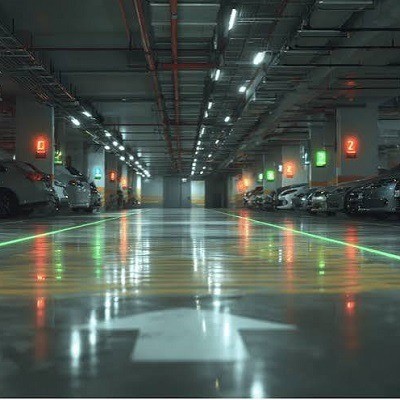
 Saudi Arabia is experiencing rapid urban development, with new commercial centers, residential communities, hospitals, airports, and entertainment destinations attracting increasing numbers of visitors. As cities expand and vehicle ownership continues to influence daily travel, managing parking spaces efficiently has become an important part of modern infrastructure. Traditional parking methods, which often depend on manual ticketing and security personnel, may struggle to meet the demands of busy locations.A Parking Management System Saudi Arabia (https://windsorksa.com/) offers a smarter approach to organizing parking facilities, controlling vehicle access, processing payments, and improving the overall parking experience. By combining digital technology, automated equipment, and real-time monitoring, these systems help property owners and operators manage parking spaces more effectively.From shopping malls and office buildings to healthcare facilities and residential developments, modern parking solutions can reduce unnecessary delays and make better use of available space. Understanding how these systems work can help businesses, property managers, and facility operators choose an approach that suits their needs.1. What Is a Parking Management System in Saudi Arabia?A parking management system is a combination of software, hardware, and operational processes designed to control and monitor parking facilities. Its primary purpose is to make parking more organized, convenient, and efficient for both drivers and facility operators.In Saudi Arabia, these systems can be used in public parking areas, private compounds, commercial properties, hotels, hospitals, airports, and large residential developments. Depending on the facility, a system may offer basic entry and exit control or a comprehensive digital platform that manages reservations, payments, occupancy, and reporting.A typical system may include automatic barriers, ticket dispensers, license plate recognition cameras, access control devices, payment terminals, parking sensors, and centralized management software.For example, when a driver enters a shopping center, the system can identify the vehicle, record its arrival time, and grant access. When the driver leaves, the system calculates the applicable parking fee, processes payment, and opens the exit barrier.More advanced solutions can also display available spaces, support digital payments, and provide facility managers with detailed information about parking usage.The main objective is to replace inefficient manual processes with a more reliable and coordinated parking operation.2. How Does a Parking Management System Work?A modern parking management system generally follows a series of connected steps. Although individual features vary, the process typically begins when a vehicle approaches the entrance and ends when it leaves the parking facility.Step 1: Vehicle Detection and EntryWhen a vehicle approaches the entrance, the system detects its presence using a sensor, camera, access card reader, or ticket dispenser.Depending on the setup, the driver may receive a paper ticket, scan a QR code, present an access card, or have the vehicle's registration plate captured by a camera. License plate recognition technology can identify a vehicle without requiring the driver to collect a physical ticket.Once the system verifies the entry conditions, it sends a signal to the automatic barrier. The barrier opens, allowing the vehicle to enter the facility.This process helps reduce manual intervention and creates a digital record of vehicle entry.Step 2: Parking Space MonitoringAfter entry, drivers need to locate an available parking space. In basic facilities, this process depends on signs and the driver's own observation. More advanced systems use occupancy sensors, cameras, or other monitoring technologies to identify vacant and occupied spaces.The collected information can be displayed on electronic signs or mobile applications, helping drivers find available parking more quickly.For busy facilities, real-time occupancy information can improve traffic flow and reduce the time vehicles spend circulating in search of a space.Step 3: Parking Duration and Fee CalculationThe system records the vehicle's entry time and uses the facility's configured parking rules to determine the applicable fee.These rules may include hourly charges, daily limits, grace periods, customer validations, reserved parking arrangements, or special access privileges. The exact rules depend on the property owner's policies and any applicable local requirements.For example, a commercial facility may offer a complimentary parking period for customers, while an office building may provide authorized employees with monthly access.Automated calculations help maintain consistent billing and reduce the errors that can occur with manual recordkeeping.Step 4: Payment ProcessingWhen parking fees apply, the system allows drivers to pay through supported payment methods. Depending on the installation, these may include payment kiosks, bank cards, contactless transactions, mobile applications, QR codes, or other integrated digital payment services.Some facilities require payment before the driver reaches the exit, while others allow payment directly at an exit terminal.Once payment is confirmed, the system updates the parking record and authorizes the vehicle to leave.Step 5: Exit VerificationAt the exit, the system checks whether the vehicle has completed the necessary payment or access requirements.For ticket-based parking, the driver may insert or scan the ticket. For license plate recognition systems, the camera can compare the vehicle's registration plate with the entry record.If the system confirms that the vehicle is authorized to leave, the barrier opens. If a payment or identification issue occurs, the system can direct the driver to an attendant or support point.This connected process creates a clear record of vehicle movements and helps operators maintain better control over the facility.3. Key Technologies Used in a Parking Management System Saudi ArabiaThe effectiveness of a parking management solution depends on the technologies selected for the facility. Not every property needs the same equipment, so the system should match its traffic volume, security requirements, available infrastructure, and operating budget.Automatic Number Plate RecognitionAutomatic Number Plate Recognition (ANPR), also called License Plate Recognition (LPR), uses cameras and image-processing software to read vehicle registration plates.The technology can help automate entry and exit, support authorized vehicle lists, and reduce dependence on physical tickets. It may be particularly useful in office complexes, residential communities, hotels, and facilities with frequent returning visitors.However, accuracy depends on factors such as camera placement, lighting, plate visibility, and system configuration. Local vehicle plate formats should be properly supported during installation.Automatic Barriers and Access ControlAutomatic barriers control the physical movement of vehicles into and out of parking facilities. They can operate alongside ticket readers, access cards, QR codes, ANPR cameras, or payment systems.Access control is especially useful for facilities that separate employees, visitors, residents, contractors, and service vehicles.For example, an authorized employee may enter using a registered vehicle, while a visitor may need to obtain a temporary ticket or complete a separate registration process.Parking Sensors and Occupancy DetectionParking sensors help determine whether individual spaces are occupied. Depending on the facility, they may be installed above parking spaces, within the pavement, or incorporated into camera-based monitoring systems.The information can support live occupancy displays, space allocation, and operational reporting.These tools can be valuable in crowded commercial districts and large developments where drivers might otherwise spend considerable time searching for parking.Centralized Parking SoftwareManagement software connects the different parts of the parking operation. It can display entry and exit activity, monitor occupancy, track payments, manage user permissions, and generate reports.For multi-site operators, a centralized dashboard can make it easier to oversee several parking facilities from one location.The software may also provide alerts about equipment faults, unusual activity, or transactions requiring review.4. Benefits of Smart Parking Solutions for Saudi Businesses and VisitorsA well-designed parking system can provide practical benefits beyond simply opening and closing barriers.Improved traffic flow: Automated entry procedures can reduce queues at busy entrances. Real-time occupancy information may also help drivers find spaces faster.Better use of parking capacity: Occupancy reports help operators understand when parking areas are busiest and whether spaces are being used efficiently. This information can support future planning and space allocation.More convenient payments: Digital payment options reduce reliance on manual cash handling and can make the exit process easier for drivers.Stronger access control: Registered vehicle lists, access permissions, and digital entry records can help operators manage restricted areas and investigate unauthorized access.Clearer financial records: Automated fee calculations and transaction logs make it easier to review parking revenue, identify discrepancies, and prepare operational reports.Improved customer experience: A smoother parking process can make visits to shopping centers, hotels, offices, and healthcare facilities less stressful.Reduced administrative workload: Automation can handle routine transactions, allowing staff to focus on customer assistance, maintenance, and exceptional situations.These benefits depend on correct installation, reliable equipment, suitable software, and ongoing maintenance. Technology alone cannot eliminate every parking problem, but an integrated system can make daily operations more manageable.5. How to Choose the Right Parking Management System in Saudi ArabiaSelecting the right solution begins with understanding how the parking facility operates. A small private parking area may only need access barriers and basic payment processing, while a large commercial development may require ANPR cameras, occupancy sensors, digital payments, and centralized reporting.Several factors deserve careful consideration.Assess the facility's requirements. The number of parking spaces, daily vehicle volume, peak-hour demand, and user types should guide the system design. Hospitals, residential compounds, retail centers, and office buildings often have different operational priorities.Check local compatibility. Equipment and software should support the facility's vehicle registration formats, language requirements, payment preferences, and operational needs. Arabic and English interfaces may be beneficial where both languages are commonly used.Review integration capabilities. The system may need to connect with building access control, visitor registration, security platforms, accounting software, or customer validation systems. Compatibility should be confirmed before purchasing equipment.Consider data protection and cybersecurity. Parking systems can process registration plate information, payment records, and access logs. Operators should evaluate data security, access permissions, retention policies, and applicable Saudi privacy requirements, including the Personal Data Protection Law where relevant.Evaluate reliability and maintenance. Cameras, barriers, sensors, and payment terminals require periodic inspection and servicing. A suitable maintenance plan should include fault reporting, technical support, software updates, and replacement arrangements.Understand the total cost of ownership. Instead of considering the purchase price alone, operators should evaluate installation, licensing, connectivity, maintenance, upgrades, and ongoing support. Requirements and costs vary according to the site's size and technical complexity.Look for room to expand. A scalable solution can accommodate additional parking spaces, new locations, or extra features as the property grows.By evaluating these factors before implementation, businesses can select a system that supports their current needs without creating unnecessary operational complexity.6. Common Applications and Future Trends in Smart ParkingParking management systems have applications across many sectors in Saudi Arabia.Commercial centers use them to manage customer parking, improve traffic circulation, and support promotional parking arrangements. Residential developments can use vehicle registration and access permissions to manage residents and visitors. Office buildings can assign parking privileges to employees and provide temporary access for guests.Healthcare facilities can also benefit from organized parking operations. Patients, visitors, staff, and service vehicles often have different access requirements, and clear parking procedures can reduce confusion during busy periods. Well-organized parking may make arrival easier for people attending appointments, although emergency access and designated accessible spaces must remain a priority.Hotels, airports, educational institutions, and event venues can use parking software to manage high traffic volumes, reservations, and temporary access arrangements.Looking ahead, parking technology is likely to become more connected with broader smart-city infrastructure. Artificial intelligence may improve occupancy analysis and traffic forecasting, while mobile applications can make parking discovery and payment more convenient. Electric vehicle charging integration may also help operators coordinate charging availability with parking-space management.Contactless access, automated reporting, and centralized control can further simplify daily operations. However, successful adoption will depend on dependable infrastructure, appropriate data safeguards, user-friendly design, and effective technical support.For Saudi businesses planning to modernize their facilities, a carefully selected parking management solution can support better organization today while allowing room for future development.Frequently Asked Questions1. What is a Parking Management System Saudi Arabia?A Parking Management System Saudi Arabia is a technology-based solution that helps control vehicle entry and exit, monitor parking occupancy, calculate fees, process payments, and manage parking operations. It can be used in commercial buildings, residential communities, hospitals, hotels, and other facilities.2. How does an automated parking management system work?An automated system identifies or registers a vehicle at the entrance, records its arrival, and grants access according to configured rules. It may monitor available spaces, calculate parking fees, process payments, and verify authorization before allowing the vehicle to exit.3. Can a parking management system operate without physical tickets?Yes. Ticketless systems can use ANPR cameras, registered vehicle details, access cards, QR codes, or mobile applications to identify vehicles and manage access. The most appropriate option depends on the facility's requirements and the available technology.4. Is a smart parking system suitable for hospitals and healthcare facilities?Yes. Smart parking solutions can help healthcare facilities organize staff parking, visitor access, payment processing, and occupancy monitoring. The system should also support accessible parking arrangements, clear wayfinding, and uninterrupted emergency vehicle access.5. What factors affect the cost of a parking management system in Saudi Arabia?The overall cost depends on the number of parking spaces, required equipment, software features, payment integrations, installation complexity, networking, maintenance, and technical support. Operators should compare the total cost of ownership rather than relying on equipment costs alone.6. How can a business choose the best parking management solution?A business should assess parking capacity, traffic volume, security requirements, payment methods, integration needs, data protection, and maintenance support. It should also confirm that the system can scale as operational requirements change.ConclusionA Parking Management System Saudi Arabia works by connecting vehicle identification, access control, occupancy monitoring, payment processing, and centralized software into one coordinated operation. Depending on its design, it can reduce entry delays, improve parking visibility, simplify payments, and provide facility managers with useful operational data.For businesses, residential communities, commercial developments, and healthcare facilities, the right solution can make parking more organized and convenient for visitors while improving day-to-day management.The most effective approach is to select technology that matches the facility's actual requirements, complies with applicable regulations, and includes reliable maintenance and support. With thoughtful planning and implementation, smart parking can become a valuable part of Saudi Arabia's evolving urban infrastructure.
 Saudi Arabia is experiencing rapid urban development, with new commercial centers, residential communities, hospitals, airports, and entertainment destinations attracting increasing numbers of visitors. As cities expand and vehicle ownership continues to influence daily travel, managing parking spaces efficiently has become an important part of modern infrastructure. Traditional parking methods, which often depend on manual ticketing and security personnel, may struggle to meet the demands of busy locations.A Parking Management System Saudi Arabia (https://windsorksa.com/) offers a smarter approach to organizing parking facilities, controlling vehicle access, processing payments, and improving the overall parking experience. By combining digital technology, automated equipment, and real-time monitoring, these systems help property owners and operators manage parking spaces more effectively.From shopping malls and office buildings to healthcare facilities and residential developments, modern parking solutions can reduce unnecessary delays and make better use of available space. Understanding how these systems work can help businesses, property managers, and facility operators choose an approach that suits their needs.1. What Is a Parking Management System in Saudi Arabia?A parking management system is a combination of software, hardware, and operational processes designed to control and monitor parking facilities. Its primary purpose is to make parking more organized, convenient, and efficient for both drivers and facility operators.In Saudi Arabia, these systems can be used in public parking areas, private compounds, commercial properties, hotels, hospitals, airports, and large residential developments. Depending on the facility, a system may offer basic entry and exit control or a comprehensive digital platform that manages reservations, payments, occupancy, and reporting.A typical system may include automatic barriers, ticket dispensers, license plate recognition cameras, access control devices, payment terminals, parking sensors, and centralized management software.For example, when a driver enters a shopping center, the system can identify the vehicle, record its arrival time, and grant access. When the driver leaves, the system calculates the applicable parking fee, processes payment, and opens the exit barrier.More advanced solutions can also display available spaces, support digital payments, and provide facility managers with detailed information about parking usage.The main objective is to replace inefficient manual processes with a more reliable and coordinated parking operation.2. How Does a Parking Management System Work?A modern parking management system generally follows a series of connected steps. Although individual features vary, the process typically begins when a vehicle approaches the entrance and ends when it leaves the parking facility.Step 1: Vehicle Detection and EntryWhen a vehicle approaches the entrance, the system detects its presence using a sensor, camera, access card reader, or ticket dispenser.Depending on the setup, the driver may receive a paper ticket, scan a QR code, present an access card, or have the vehicle's registration plate captured by a camera. License plate recognition technology can identify a vehicle without requiring the driver to collect a physical ticket.Once the system verifies the entry conditions, it sends a signal to the automatic barrier. The barrier opens, allowing the vehicle to enter the facility.This process helps reduce manual intervention and creates a digital record of vehicle entry.Step 2: Parking Space MonitoringAfter entry, drivers need to locate an available parking space. In basic facilities, this process depends on signs and the driver's own observation. More advanced systems use occupancy sensors, cameras, or other monitoring technologies to identify vacant and occupied spaces.The collected information can be displayed on electronic signs or mobile applications, helping drivers find available parking more quickly.For busy facilities, real-time occupancy information can improve traffic flow and reduce the time vehicles spend circulating in search of a space.Step 3: Parking Duration and Fee CalculationThe system records the vehicle's entry time and uses the facility's configured parking rules to determine the applicable fee.These rules may include hourly charges, daily limits, grace periods, customer validations, reserved parking arrangements, or special access privileges. The exact rules depend on the property owner's policies and any applicable local requirements.For example, a commercial facility may offer a complimentary parking period for customers, while an office building may provide authorized employees with monthly access.Automated calculations help maintain consistent billing and reduce the errors that can occur with manual recordkeeping.Step 4: Payment ProcessingWhen parking fees apply, the system allows drivers to pay through supported payment methods. Depending on the installation, these may include payment kiosks, bank cards, contactless transactions, mobile applications, QR codes, or other integrated digital payment services.Some facilities require payment before the driver reaches the exit, while others allow payment directly at an exit terminal.Once payment is confirmed, the system updates the parking record and authorizes the vehicle to leave.Step 5: Exit VerificationAt the exit, the system checks whether the vehicle has completed the necessary payment or access requirements.For ticket-based parking, the driver may insert or scan the ticket. For license plate recognition systems, the camera can compare the vehicle's registration plate with the entry record.If the system confirms that the vehicle is authorized to leave, the barrier opens. If a payment or identification issue occurs, the system can direct the driver to an attendant or support point.This connected process creates a clear record of vehicle movements and helps operators maintain better control over the facility.3. Key Technologies Used in a Parking Management System Saudi ArabiaThe effectiveness of a parking management solution depends on the technologies selected for the facility. Not every property needs the same equipment, so the system should match its traffic volume, security requirements, available infrastructure, and operating budget.Automatic Number Plate RecognitionAutomatic Number Plate Recognition (ANPR), also called License Plate Recognition (LPR), uses cameras and image-processing software to read vehicle registration plates.The technology can help automate entry and exit, support authorized vehicle lists, and reduce dependence on physical tickets. It may be particularly useful in office complexes, residential communities, hotels, and facilities with frequent returning visitors.However, accuracy depends on factors such as camera placement, lighting, plate visibility, and system configuration. Local vehicle plate formats should be properly supported during installation.Automatic Barriers and Access ControlAutomatic barriers control the physical movement of vehicles into and out of parking facilities. They can operate alongside ticket readers, access cards, QR codes, ANPR cameras, or payment systems.Access control is especially useful for facilities that separate employees, visitors, residents, contractors, and service vehicles.For example, an authorized employee may enter using a registered vehicle, while a visitor may need to obtain a temporary ticket or complete a separate registration process.Parking Sensors and Occupancy DetectionParking sensors help determine whether individual spaces are occupied. Depending on the facility, they may be installed above parking spaces, within the pavement, or incorporated into camera-based monitoring systems.The information can support live occupancy displays, space allocation, and operational reporting.These tools can be valuable in crowded commercial districts and large developments where drivers might otherwise spend considerable time searching for parking.Centralized Parking SoftwareManagement software connects the different parts of the parking operation. It can display entry and exit activity, monitor occupancy, track payments, manage user permissions, and generate reports.For multi-site operators, a centralized dashboard can make it easier to oversee several parking facilities from one location.The software may also provide alerts about equipment faults, unusual activity, or transactions requiring review.4. Benefits of Smart Parking Solutions for Saudi Businesses and VisitorsA well-designed parking system can provide practical benefits beyond simply opening and closing barriers.Improved traffic flow: Automated entry procedures can reduce queues at busy entrances. Real-time occupancy information may also help drivers find spaces faster.Better use of parking capacity: Occupancy reports help operators understand when parking areas are busiest and whether spaces are being used efficiently. This information can support future planning and space allocation.More convenient payments: Digital payment options reduce reliance on manual cash handling and can make the exit process easier for drivers.Stronger access control: Registered vehicle lists, access permissions, and digital entry records can help operators manage restricted areas and investigate unauthorized access.Clearer financial records: Automated fee calculations and transaction logs make it easier to review parking revenue, identify discrepancies, and prepare operational reports.Improved customer experience: A smoother parking process can make visits to shopping centers, hotels, offices, and healthcare facilities less stressful.Reduced administrative workload: Automation can handle routine transactions, allowing staff to focus on customer assistance, maintenance, and exceptional situations.These benefits depend on correct installation, reliable equipment, suitable software, and ongoing maintenance. Technology alone cannot eliminate every parking problem, but an integrated system can make daily operations more manageable.5. How to Choose the Right Parking Management System in Saudi ArabiaSelecting the right solution begins with understanding how the parking facility operates. A small private parking area may only need access barriers and basic payment processing, while a large commercial development may require ANPR cameras, occupancy sensors, digital payments, and centralized reporting.Several factors deserve careful consideration.Assess the facility's requirements. The number of parking spaces, daily vehicle volume, peak-hour demand, and user types should guide the system design. Hospitals, residential compounds, retail centers, and office buildings often have different operational priorities.Check local compatibility. Equipment and software should support the facility's vehicle registration formats, language requirements, payment preferences, and operational needs. Arabic and English interfaces may be beneficial where both languages are commonly used.Review integration capabilities. The system may need to connect with building access control, visitor registration, security platforms, accounting software, or customer validation systems. Compatibility should be confirmed before purchasing equipment.Consider data protection and cybersecurity. Parking systems can process registration plate information, payment records, and access logs. Operators should evaluate data security, access permissions, retention policies, and applicable Saudi privacy requirements, including the Personal Data Protection Law where relevant.Evaluate reliability and maintenance. Cameras, barriers, sensors, and payment terminals require periodic inspection and servicing. A suitable maintenance plan should include fault reporting, technical support, software updates, and replacement arrangements.Understand the total cost of ownership. Instead of considering the purchase price alone, operators should evaluate installation, licensing, connectivity, maintenance, upgrades, and ongoing support. Requirements and costs vary according to the site's size and technical complexity.Look for room to expand. A scalable solution can accommodate additional parking spaces, new locations, or extra features as the property grows.By evaluating these factors before implementation, businesses can select a system that supports their current needs without creating unnecessary operational complexity.6. Common Applications and Future Trends in Smart ParkingParking management systems have applications across many sectors in Saudi Arabia.Commercial centers use them to manage customer parking, improve traffic circulation, and support promotional parking arrangements. Residential developments can use vehicle registration and access permissions to manage residents and visitors. Office buildings can assign parking privileges to employees and provide temporary access for guests.Healthcare facilities can also benefit from organized parking operations. Patients, visitors, staff, and service vehicles often have different access requirements, and clear parking procedures can reduce confusion during busy periods. Well-organized parking may make arrival easier for people attending appointments, although emergency access and designated accessible spaces must remain a priority.Hotels, airports, educational institutions, and event venues can use parking software to manage high traffic volumes, reservations, and temporary access arrangements.Looking ahead, parking technology is likely to become more connected with broader smart-city infrastructure. Artificial intelligence may improve occupancy analysis and traffic forecasting, while mobile applications can make parking discovery and payment more convenient. Electric vehicle charging integration may also help operators coordinate charging availability with parking-space management.Contactless access, automated reporting, and centralized control can further simplify daily operations. However, successful adoption will depend on dependable infrastructure, appropriate data safeguards, user-friendly design, and effective technical support.For Saudi businesses planning to modernize their facilities, a carefully selected parking management solution can support better organization today while allowing room for future development.Frequently Asked Questions1. What is a Parking Management System Saudi Arabia?A Parking Management System Saudi Arabia is a technology-based solution that helps control vehicle entry and exit, monitor parking occupancy, calculate fees, process payments, and manage parking operations. It can be used in commercial buildings, residential communities, hospitals, hotels, and other facilities.2. How does an automated parking management system work?An automated system identifies or registers a vehicle at the entrance, records its arrival, and grants access according to configured rules. It may monitor available spaces, calculate parking fees, process payments, and verify authorization before allowing the vehicle to exit.3. Can a parking management system operate without physical tickets?Yes. Ticketless systems can use ANPR cameras, registered vehicle details, access cards, QR codes, or mobile applications to identify vehicles and manage access. The most appropriate option depends on the facility's requirements and the available technology.4. Is a smart parking system suitable for hospitals and healthcare facilities?Yes. Smart parking solutions can help healthcare facilities organize staff parking, visitor access, payment processing, and occupancy monitoring. The system should also support accessible parking arrangements, clear wayfinding, and uninterrupted emergency vehicle access.5. What factors affect the cost of a parking management system in Saudi Arabia?The overall cost depends on the number of parking spaces, required equipment, software features, payment integrations, installation complexity, networking, maintenance, and technical support. Operators should compare the total cost of ownership rather than relying on equipment costs alone.6. How can a business choose the best parking management solution?A business should assess parking capacity, traffic volume, security requirements, payment methods, integration needs, data protection, and maintenance support. It should also confirm that the system can scale as operational requirements change.ConclusionA Parking Management System Saudi Arabia works by connecting vehicle identification, access control, occupancy monitoring, payment processing, and centralized software into one coordinated operation. Depending on its design, it can reduce entry delays, improve parking visibility, simplify payments, and provide facility managers with useful operational data.For businesses, residential communities, commercial developments, and healthcare facilities, the right solution can make parking more organized and convenient for visitors while improving day-to-day management.The most effective approach is to select technology that matches the facility's actual requirements, complies with applicable regulations, and includes reliable maintenance and support. With thoughtful planning and implementation, smart parking can become a valuable part of Saudi Arabia's evolving urban infrastructure.
Mon, 12 October 26 : 6:10 : Enfield Oman
Visit / Join Group to Reply