


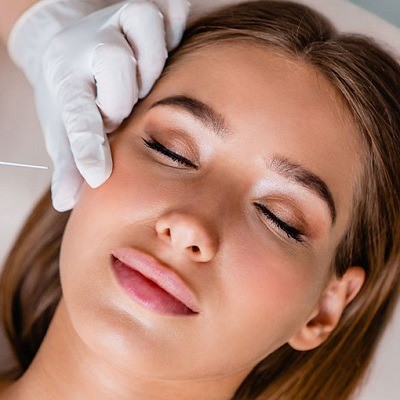
 Teenage years are a period of rapid growth, hormonal changes, and social transitions—and skin often reflects this whirlwind of activity. Many adolescents experience issues like acne, oiliness, dryness, or sensitivity during this stage, making proper skin care essential. For parents and teens, following Dermatologist in Muscat (https://www.enfieldroyalclinics.om/dermatology/) guidance can help establish healthy routines that prevent long-term damage and boost confidence. This article explores expert-recommended practices for teen skin care, offering practical advice in a friendly, easy-to-understand way.Understanding Teen SkinTeen skin is unique due to hormonal fluctuations during puberty. Androgens, the hormones responsible for many physical changes, increase oil production in sebaceous glands. This excess oil can clog pores and lead to acne, blackheads, or whiteheads. Some teens also experience sensitivity, dryness, or uneven skin tone depending on genetics, diet, and environment.Recognizing these changes early allows teens to adopt effective routines that balance oil, hydrate properly, and protect against environmental stressors like the sun or pollution. Understanding the skin’s needs is the first step toward healthy, resilient skin.Daily Cleansing: The Foundation of Healthy SkinCleansing is the cornerstone of teen skin care. Dermatologists in Muscat recommend gentle, non-comedogenic cleansers twice daily—once in the morning and once before bedtime. Over-cleansing or using harsh soaps can strip the skin of natural oils, causing dryness or triggering more oil production as the skin tries to compensate.For acne-prone skin, foaming or gel-based cleansers with mild active ingredients like salicylic acid can help unclog pores. For dry or sensitive skin, cream or lotion-based cleansers are ideal. The key is consistency and choosing a product suited to individual skin type.Moisturizing for BalanceEven oily skin needs hydration. Moisturizers create a protective barrier, prevent water loss, and help maintain skin’s natural balance. Teenagers with oily or combination skin should opt for lightweight, oil-free, non-comedogenic formulations. Those with dry skin benefit from richer, cream-based moisturizers containing ingredients like hyaluronic acid or ceramides.Applying moisturizer immediately after cleansing locks in hydration. For teens using acne treatments like benzoyl peroxide or retinoids, moisturizers also reduce dryness and irritation, improving treatment tolerance.Sun Protection: A Must for All Skin TypesMany teens underestimate the importance of sunscreen. UV exposure during adolescence can lead to premature aging, hyperpigmentation, and increased risk of skin cancer later in life. Dermatologists stress daily use of a broad-spectrum sunscreen with at least SPF 30, even on cloudy days or indoors near windows.For active teens, water-resistant sunscreens in lightweight formulations are ideal. Incorporating sunscreen into morning routines ensures consistent protection, especially in sunny regions like Muscat. Protective clothing, hats, and sunglasses further enhance sun safety.Managing Acne EffectivelyAcne is one of the most common concerns for teenagers. It occurs when pores become clogged with excess oil, dead skin cells, and bacteria. While mild acne can be managed with over-the-counter products, persistent or severe cases may require dermatologist guidance.Key practices for acne management include:Using gentle cleansers with salicylic acid or benzoyl peroxide.Avoiding aggressive scrubbing, which can worsen inflammation.Refraining from picking or popping pimples to prevent scarring.Incorporating non-comedogenic moisturizers to maintain hydration.For moderate to severe acne, dermatologists may recommend topical retinoids, antibiotic creams, or other prescription treatments. Early intervention helps prevent long-term skin damage and scarring.Healthy Lifestyle Habits for Teen SkinSkin care is not limited to topical products. Lifestyle factors play a significant role in skin health.Diet: A balanced diet rich in fruits, vegetables, whole grains, and lean proteins supports skin health. Limiting sugary or highly processed foods may reduce acne flare-ups.Hydration: Drinking enough water keeps the skin hydrated and supports overall health.Sleep: Adequate sleep promotes cell repair and reduces stress-related skin issues.Stress Management: Stress can trigger hormonal fluctuations and worsen acne. Encouraging relaxation techniques like meditation, exercise, or hobbies can benefit skin and mental well-being.Avoiding Common Skin Care MistakesTeens often make mistakes that worsen skin problems. Dermatologists highlight common pitfalls to avoid:Overuse of harsh products: Excessive scrubbing or multiple acne treatments can irritate the skin.Skipping sunscreen: Even short sun exposure can damage young skin.Using adult skincare products: Products meant for mature skin may be too harsh for teen skin.Touching the face frequently: Hands transfer bacteria and oils that can exacerbate acne.Understanding these mistakes and adjusting routines accordingly improves results and prevents long-term issues.Frequently Asked Questions (FAQs)1. At what age should teens start a skin care routine?Skin care can begin as early as 12 or when signs of acne or oiliness appear. Early habits set the foundation for lifelong skin health.2. How often should teenagers wash their face?Twice daily—morning and night—is generally sufficient. Avoid overwashing, which can dry out the skin.3. Can diet affect teen acne?Yes. High sugar and processed foods may contribute to acne flare-ups, while a balanced diet supports healthy skin.4. Are natural remedies effective for teen skin care?Some natural remedies, like aloe vera or honey, can soothe the skin, but they may not replace clinically proven treatments for acne or severe skin issues.5. Should teens use makeup?Yes, but it should be non-comedogenic and removed thoroughly at night to prevent clogged pores.6. When should a dermatologist be consulted?If acne is persistent, severe, or leaving scars, consulting a dermatologist ensures appropriate treatment and prevents long-term damage.ConclusionCaring for teen skin requires understanding the unique challenges of adolescence, from hormonal changes to lifestyle influences. A consistent routine that includes gentle cleansing, proper moisturizing, sun protection, and lifestyle considerations forms the foundation of healthy skin. Avoiding common mistakes and knowing when to seek professional guidance ensures teens in Muscat can enjoy clear, healthy, and resilient skin.By following dermatologists’ best practices, teenagers can develop habits that not only improve their skin today but protect it for years to come. With patience, consistency, and expert-informed choices, teen skin care becomes a manageable, empowering part of daily life.
  Teenage years are a period of rapid growth, hormonal changes, and social transitions—and skin often reflects this whirlwind of activity. Many adolescents experience issues like acne, oiliness, dryness, or sensitivity during this stage, making proper skin care essential. For parents and teens, following Dermatologist in Muscat (https://www.enfieldroyalclinics.om/dermatology/) guidance can help establish healthy routines that prevent long-term damage and boost confidence. This article explores expert-recommended practices for teen skin care, offering practical advice in a friendly, easy-to-understand way.Understanding Teen SkinTeen skin is unique due to hormonal fluctuations during puberty. Androgens, the hormones responsible for many physical changes, increase oil production in sebaceous glands. This excess oil can clog pores and lead to acne, blackheads, or whiteheads. Some teens also experience sensitivity, dryness, or uneven skin tone depending on genetics, diet, and environment.Recognizing these changes early allows teens to adopt effective routines that balance oil, hydrate properly, and protect against environmental stressors like the sun or pollution. Understanding the skin’s needs is the first step toward healthy, resilient skin.Daily Cleansing: The Foundation of Healthy SkinCleansing is the cornerstone of teen skin care. Dermatologists in Muscat recommend gentle, non-comedogenic cleansers twice daily—once in the morning and once before bedtime. Over-cleansing or using harsh soaps can strip the skin of natural oils, causing dryness or triggering more oil production as the skin tries to compensate.For acne-prone skin, foaming or gel-based cleansers with mild active ingredients like salicylic acid can help unclog pores. For dry or sensitive skin, cream or lotion-based cleansers are ideal. The key is consistency and choosing a product suited to individual skin type.Moisturizing for BalanceEven oily skin needs hydration. Moisturizers create a protective barrier, prevent water loss, and help maintain skin’s natural balance. Teenagers with oily or combination skin should opt for lightweight, oil-free, non-comedogenic formulations. Those with dry skin benefit from richer, cream-based moisturizers containing ingredients like hyaluronic acid or ceramides.Applying moisturizer immediately after cleansing locks in hydration. For teens using acne treatments like benzoyl peroxide or retinoids, moisturizers also reduce dryness and irritation, improving treatment tolerance.Sun Protection: A Must for All Skin TypesMany teens underestimate the importance of sunscreen. UV exposure during adolescence can lead to premature aging, hyperpigmentation, and increased risk of skin cancer later in life. Dermatologists stress daily use of a broad-spectrum sunscreen with at least SPF 30, even on cloudy days or indoors near windows.For active teens, water-resistant sunscreens in lightweight formulations are ideal. Incorporating sunscreen into morning routines ensures consistent protection, especially in sunny regions like Muscat. Protective clothing, hats, and sunglasses further enhance sun safety.Managing Acne EffectivelyAcne is one of the most common concerns for teenagers. It occurs when pores become clogged with excess oil, dead skin cells, and bacteria. While mild acne can be managed with over-the-counter products, persistent or severe cases may require dermatologist guidance.Key practices for acne management include:Using gentle cleansers with salicylic acid or benzoyl peroxide.Avoiding aggressive scrubbing, which can worsen inflammation.Refraining from picking or popping pimples to prevent scarring.Incorporating non-comedogenic moisturizers to maintain hydration.For moderate to severe acne, dermatologists may recommend topical retinoids, antibiotic creams, or other prescription treatments. Early intervention helps prevent long-term skin damage and scarring.Healthy Lifestyle Habits for Teen SkinSkin care is not limited to topical products. Lifestyle factors play a significant role in skin health.Diet: A balanced diet rich in fruits, vegetables, whole grains, and lean proteins supports skin health. Limiting sugary or highly processed foods may reduce acne flare-ups.Hydration: Drinking enough water keeps the skin hydrated and supports overall health.Sleep: Adequate sleep promotes cell repair and reduces stress-related skin issues.Stress Management: Stress can trigger hormonal fluctuations and worsen acne. Encouraging relaxation techniques like meditation, exercise, or hobbies can benefit skin and mental well-being.Avoiding Common Skin Care MistakesTeens often make mistakes that worsen skin problems. Dermatologists highlight common pitfalls to avoid:Overuse of harsh products: Excessive scrubbing or multiple acne treatments can irritate the skin.Skipping sunscreen: Even short sun exposure can damage young skin.Using adult skincare products: Products meant for mature skin may be too harsh for teen skin.Touching the face frequently: Hands transfer bacteria and oils that can exacerbate acne.Understanding these mistakes and adjusting routines accordingly improves results and prevents long-term issues.Frequently Asked Questions (FAQs)1. At what age should teens start a skin care routine?Skin care can begin as early as 12 or when signs of acne or oiliness appear. Early habits set the foundation for lifelong skin health.2. How often should teenagers wash their face?Twice daily—morning and night—is generally sufficient. Avoid overwashing, which can dry out the skin.3. Can diet affect teen acne?Yes. High sugar and processed foods may contribute to acne flare-ups, while a balanced diet supports healthy skin.4. Are natural remedies effective for teen skin care?Some natural remedies, like aloe vera or honey, can soothe the skin, but they may not replace clinically proven treatments for acne or severe skin issues.5. Should teens use makeup?Yes, but it should be non-comedogenic and removed thoroughly at night to prevent clogged pores.6. When should a dermatologist be consulted?If acne is persistent, severe, or leaving scars, consulting a dermatologist ensures appropriate treatment and prevents long-term damage.ConclusionCaring for teen skin requires understanding the unique challenges of adolescence, from hormonal changes to lifestyle influences. A consistent routine that includes gentle cleansing, proper moisturizing, sun protection, and lifestyle considerations forms the foundation of healthy skin. Avoiding common mistakes and knowing when to seek professional guidance ensures teens in Muscat can enjoy clear, healthy, and resilient skin.By following dermatologists’ best practices, teenagers can develop habits that not only improve their skin today but protect it for years to come. With patience, consistency, and expert-informed choices, teen skin care becomes a manageable, empowering part of daily life.
 Tue, 3 February 26 : 9:02 : Enfield Oman
Visit / Join Group to Reply