


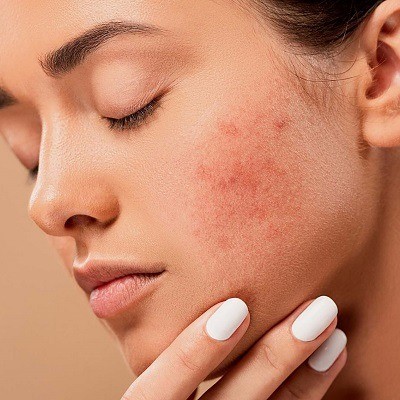
 Acne treatment products line the shelves of pharmacies and skincare stores, each promising clearer, healthier skin. For many readers searching for reliable health information or the Best Acne Treatment in Muscat (https://www.enfieldroyalclinics.om/skincare-treatments/acne-treatment/), the real challenge begins not with choosing a product—but with understanding what the label actually means. Ingredient lists, percentages, claims, and usage directions can feel overwhelming, especially for those dealing with persistent or sensitive acne.This article breaks down how to read acne treatment product labels confidently and intelligently. By understanding what to look for, readers can make informed decisions that suit their skin type, lifestyle, and treatment goals—without falling for confusing marketing jargon.Why Reading Acne Product Labels MattersAcne is not a one-size-fits-all condition. It can appear as blackheads, whiteheads, pimples, cysts, or hormonal breakouts, each requiring different approaches. Product labels provide critical information about how a treatment works, who it is for, and how it should be used.Misunderstanding a label can lead to ineffective treatment, skin irritation, or worsening breakouts. For readers researching the Best Acne Treatment in Muscat, label literacy helps narrow choices and ensures the product aligns with local climate conditions, skin sensitivities, and daily routines.Understanding Active vs. Inactive IngredientsOne of the first sections to examine on any acne product label is the ingredient list, usually divided into active and inactive ingredients.Active IngredientsActive ingredients are the components that directly treat acne. They are regulated and listed clearly, often with a percentage. Common acne-fighting active ingredients include:Benzoyl peroxide for killing acne-causing bacteriaSalicylic acid for unclogging pores and exfoliatingRetinoids for promoting cell turnoverSulfur for reducing oil and inflammationAzelaic acid for calming redness and targeting bacteriaThe percentage listed next to an active ingredient matters. Higher percentages are not always better and may increase irritation, especially for sensitive skin.Inactive IngredientsInactive ingredients support the formula by improving texture, hydration, absorption, or shelf life. These include moisturizers, preservatives, fragrances, and stabilizers. While labeled “inactive,” they can still affect the skin. Fragrance or alcohol, for example, may irritate acne-prone or sensitive skin.Learning to Spot the Right Acne-Fighting IngredientsNot all acne treatments are created equal. Reading labels helps readers match ingredients to their specific acne concerns.Oily or clogged skin often benefits from salicylic acid or niacinamideInflamed or cystic acne may respond better to benzoyl peroxide or azelaic acidSensitive skin usually needs lower concentrations and soothing ingredients like aloe vera or ceramidesHormonal acne may require longer-term treatments like retinoidsFor those exploring the Best Acne Treatment in Muscat, it is especially important to consider heat, humidity, and sun exposure when choosing ingredients, as some actives can increase sun sensitivity.Decoding Claims and Marketing LanguageAcne product labels often include bold claims such as “clinically proven,” “dermatologist tested,” or “fast-acting.” While these phrases sound reassuring, they are not always regulated or standardized.“Non-comedogenic” suggests the product is designed not to clog pores, but results vary by individual“Oil-free” indicates the absence of traditional oils, though other pore-clogging ingredients may still be present“Natural” or “organic” does not automatically mean safer or more effective for acne-prone skin“Results in 24 hours” may apply only to redness reduction, not long-term acne controlUnderstanding these terms helps readers separate realistic benefits from exaggerated promises.Paying Attention to Usage Instructions and WarningsAnother critical section of the label is the directions for use. Acne treatments are often powerful, and incorrect use can lead to dryness, peeling, or irritation.Labels typically specify:How often to apply the productWhether it should be rinsed off or left onAreas of the body it is intended forSun sensitivity warningsPossible side effectsFor example, a leave-on treatment with retinoids usually starts with once-nightly use, while benzoyl peroxide cleansers may be used once or twice daily. Skipping this section can reduce effectiveness or cause unnecessary discomfort.Matching Product Labels to Skin Type and LifestyleEffective acne care goes beyond ingredients—it also involves how a product fits into daily life. Labels often indicate whether a product is suitable for dry, oily, combination, or sensitive skin.Readers looking for the Best Acne Treatment in Muscat should also consider environmental factors. Hot climates can increase sweating and oil production, making lightweight, non-greasy formulas more suitable. Labels mentioning “gel-based,” “water-based,” or “lightweight” can be helpful clues.Additionally, those with busy routines may prefer products with simple application steps rather than complex multi-use instructions.Recognizing When to Avoid Certain IngredientsNot every acne treatment is suitable for everyone. Product labels help identify potential red flags.Readers should be cautious if they see:High alcohol content for sensitive or dry skinHeavy fragrances that may irritateMultiple strong actives combined in one formula without clear guidanceLack of clear usage instructionsPatch testing is often recommended, especially when trying a new product with strong active ingredients.FAQs About Reading Acne Treatment Product LabelsWhat is the most important part of an acne product label?The active ingredient section is the most important, as it shows what actually treats acne and at what strength.Are higher ingredient percentages always better for acne?No. Higher percentages can increase irritation without improving results. The right concentration depends on skin type and acne severity.How can readers know if a product is suitable for sensitive skin?Labels that mention “for sensitive skin,” lower active percentages, and soothing inactive ingredients are usually safer options.Do natural acne products work better than chemical ones?Not necessarily. Both natural and synthetic ingredients can be effective or irritating, depending on the formula and the individual’s skin.Why do some acne products make skin worse at first?Some ingredients increase cell turnover, which can temporarily bring clogged pores to the surface. Labels often mention this possibility in the warnings section.Is reading labels enough to find the Best Acne Treatment in Muscat?Reading labels is a crucial first step, but results also depend on consistent use, skin type, and environmental factors.Final Thoughts on Reading Acne Treatment LabelsUnderstanding acne treatment product labels empowers readers to take control of their skincare decisions. Instead of guessing or relying on bold packaging claims, label literacy allows for thoughtful choices based on ingredients, instructions, and personal needs.For anyone searching for health guidance or the Best Acne Treatment in Muscat, knowing how to read labels is a practical skill that saves time, reduces frustration, and supports healthier skin outcomes. With a little patience and awareness, those crowded skincare shelves become far less intimidating—and much more useful.
  Acne treatment products line the shelves of pharmacies and skincare stores, each promising clearer, healthier skin. For many readers searching for reliable health information or the Best Acne Treatment in Muscat (https://www.enfieldroyalclinics.om/skincare-treatments/acne-treatment/), the real challenge begins not with choosing a product—but with understanding what the label actually means. Ingredient lists, percentages, claims, and usage directions can feel overwhelming, especially for those dealing with persistent or sensitive acne.This article breaks down how to read acne treatment product labels confidently and intelligently. By understanding what to look for, readers can make informed decisions that suit their skin type, lifestyle, and treatment goals—without falling for confusing marketing jargon.Why Reading Acne Product Labels MattersAcne is not a one-size-fits-all condition. It can appear as blackheads, whiteheads, pimples, cysts, or hormonal breakouts, each requiring different approaches. Product labels provide critical information about how a treatment works, who it is for, and how it should be used.Misunderstanding a label can lead to ineffective treatment, skin irritation, or worsening breakouts. For readers researching the Best Acne Treatment in Muscat, label literacy helps narrow choices and ensures the product aligns with local climate conditions, skin sensitivities, and daily routines.Understanding Active vs. Inactive IngredientsOne of the first sections to examine on any acne product label is the ingredient list, usually divided into active and inactive ingredients.Active IngredientsActive ingredients are the components that directly treat acne. They are regulated and listed clearly, often with a percentage. Common acne-fighting active ingredients include:Benzoyl peroxide for killing acne-causing bacteriaSalicylic acid for unclogging pores and exfoliatingRetinoids for promoting cell turnoverSulfur for reducing oil and inflammationAzelaic acid for calming redness and targeting bacteriaThe percentage listed next to an active ingredient matters. Higher percentages are not always better and may increase irritation, especially for sensitive skin.Inactive IngredientsInactive ingredients support the formula by improving texture, hydration, absorption, or shelf life. These include moisturizers, preservatives, fragrances, and stabilizers. While labeled “inactive,” they can still affect the skin. Fragrance or alcohol, for example, may irritate acne-prone or sensitive skin.Learning to Spot the Right Acne-Fighting IngredientsNot all acne treatments are created equal. Reading labels helps readers match ingredients to their specific acne concerns.Oily or clogged skin often benefits from salicylic acid or niacinamideInflamed or cystic acne may respond better to benzoyl peroxide or azelaic acidSensitive skin usually needs lower concentrations and soothing ingredients like aloe vera or ceramidesHormonal acne may require longer-term treatments like retinoidsFor those exploring the Best Acne Treatment in Muscat, it is especially important to consider heat, humidity, and sun exposure when choosing ingredients, as some actives can increase sun sensitivity.Decoding Claims and Marketing LanguageAcne product labels often include bold claims such as “clinically proven,” “dermatologist tested,” or “fast-acting.” While these phrases sound reassuring, they are not always regulated or standardized.“Non-comedogenic” suggests the product is designed not to clog pores, but results vary by individual“Oil-free” indicates the absence of traditional oils, though other pore-clogging ingredients may still be present“Natural” or “organic” does not automatically mean safer or more effective for acne-prone skin“Results in 24 hours” may apply only to redness reduction, not long-term acne controlUnderstanding these terms helps readers separate realistic benefits from exaggerated promises.Paying Attention to Usage Instructions and WarningsAnother critical section of the label is the directions for use. Acne treatments are often powerful, and incorrect use can lead to dryness, peeling, or irritation.Labels typically specify:How often to apply the productWhether it should be rinsed off or left onAreas of the body it is intended forSun sensitivity warningsPossible side effectsFor example, a leave-on treatment with retinoids usually starts with once-nightly use, while benzoyl peroxide cleansers may be used once or twice daily. Skipping this section can reduce effectiveness or cause unnecessary discomfort.Matching Product Labels to Skin Type and LifestyleEffective acne care goes beyond ingredients—it also involves how a product fits into daily life. Labels often indicate whether a product is suitable for dry, oily, combination, or sensitive skin.Readers looking for the Best Acne Treatment in Muscat should also consider environmental factors. Hot climates can increase sweating and oil production, making lightweight, non-greasy formulas more suitable. Labels mentioning “gel-based,” “water-based,” or “lightweight” can be helpful clues.Additionally, those with busy routines may prefer products with simple application steps rather than complex multi-use instructions.Recognizing When to Avoid Certain IngredientsNot every acne treatment is suitable for everyone. Product labels help identify potential red flags.Readers should be cautious if they see:High alcohol content for sensitive or dry skinHeavy fragrances that may irritateMultiple strong actives combined in one formula without clear guidanceLack of clear usage instructionsPatch testing is often recommended, especially when trying a new product with strong active ingredients.FAQs About Reading Acne Treatment Product LabelsWhat is the most important part of an acne product label?The active ingredient section is the most important, as it shows what actually treats acne and at what strength.Are higher ingredient percentages always better for acne?No. Higher percentages can increase irritation without improving results. The right concentration depends on skin type and acne severity.How can readers know if a product is suitable for sensitive skin?Labels that mention “for sensitive skin,” lower active percentages, and soothing inactive ingredients are usually safer options.Do natural acne products work better than chemical ones?Not necessarily. Both natural and synthetic ingredients can be effective or irritating, depending on the formula and the individual’s skin.Why do some acne products make skin worse at first?Some ingredients increase cell turnover, which can temporarily bring clogged pores to the surface. Labels often mention this possibility in the warnings section.Is reading labels enough to find the Best Acne Treatment in Muscat?Reading labels is a crucial first step, but results also depend on consistent use, skin type, and environmental factors.Final Thoughts on Reading Acne Treatment LabelsUnderstanding acne treatment product labels empowers readers to take control of their skincare decisions. Instead of guessing or relying on bold packaging claims, label literacy allows for thoughtful choices based on ingredients, instructions, and personal needs.For anyone searching for health guidance or the Best Acne Treatment in Muscat, knowing how to read labels is a practical skill that saves time, reduces frustration, and supports healthier skin outcomes. With a little patience and awareness, those crowded skincare shelves become far less intimidating—and much more useful.
 Mon, 26 January 26 : 10:01 : Enfield Oman
Visit / Join Group to Reply