


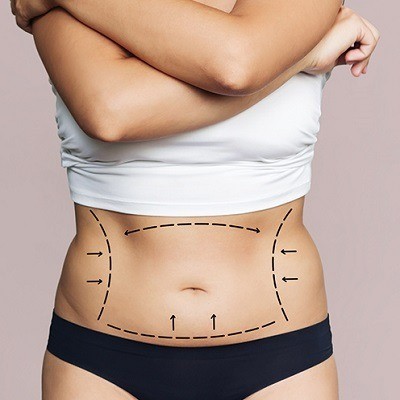
 Undergoing a tummy tuck can be a life-changing procedure, helping individuals achieve a flatter, more toned abdominal area. However, post-surgery recovery is crucial to ensure the best results, and one of the most common questions is about returning to exercise. Knowing when and how to safely resume physical activity after a Tummy Tuck (https://www.enfieldroyalclinics.om/cosmetic-surgery/tummy-tuck/) can protect your results, prevent complications, and promote overall well-being.Understanding the Tummy Tuck Recovery ProcessA tummy tuck, or abdominoplasty, involves removing excess skin and fat from the abdomen while tightening the abdominal muscles. This procedure is invasive and requires a period of rest and careful attention to healing. Immediately following surgery, patients may experience swelling, bruising, and limited mobility, which is completely normal. During this early recovery stage, the body focuses on healing incisions, reattaching tissues, and restoring muscle integrity.Because a tummy tuck involves both skin and muscle, rushing back into exercise can risk complications such as wound separation, fluid accumulation, or delayed healing. Understanding the stages of recovery is key to safely incorporating physical activity.Initial Rest Period: The First 1-2 WeeksDuring the first one to two weeks after surgery, rest is essential. Light walking around the home is encouraged to improve circulation and prevent blood clots, but strenuous activity should be strictly avoided. Patients should focus on:Allowing incisions to begin healing without strainManaging swelling with compression garmentsAvoiding movements that involve twisting or bending at the waistAt this stage, the priority is gentle mobility, not exercise intensity. Even simple movements like standing up from a chair slowly or walking short distances can support recovery.Gradual Return to Light Activity: Weeks 2-4After the initial rest period, many patients can begin gentle, low-impact activities. This phase focuses on gradually reintroducing movement while minimizing tension on the abdominal muscles. Recommended activities may include:Short walks outside or around the homeGentle stretching of the arms, shoulders, and legsLight household tasks without lifting heavy objectsIt is important to avoid traditional abdominal exercises, such as crunches or planks, during this stage. Overexertion can disrupt healing muscles and compromise surgical results. Patients should listen to their bodies and stop any activity that causes discomfort or strain in the abdominal area.Reintroducing Exercise: Weeks 4-6Most patients can start a more structured exercise routine approximately four to six weeks after surgery, depending on individual healing. By this time, swelling typically decreases, and the abdominal muscles are stronger. Safe activities may include:Low-impact cardio such as stationary biking or brisk walkingGentle resistance training for upper and lower bodyCore exercises that do not put direct strain on the abdomenIt’s crucial to avoid high-intensity or high-impact exercises, such as running or heavy weightlifting, until cleared by a healthcare professional. Gradual progression ensures that the body adjusts without compromising the surgical site.Full Return to Exercise: After 6-8 WeeksFor most individuals, more vigorous physical activity can be resumed around six to eight weeks post-surgery. At this stage, patients can gradually reintroduce abdominal exercises, such as:Modified planks or bridgesLight core strengthening exercisesControlled twisting motions, if comfortableIt is important to progress slowly, starting with shorter durations and lighter intensity. Any unusual pain, swelling, or incision issues should prompt a pause in activity and consultation with a healthcare provider.Tips for Safe Exercise After a Tummy TuckResuming exercise after a tummy tuck requires mindfulness and patience. Some tips to promote a safe return include:Listen to your body: Pain or discomfort is a signal to slow down.Wear compression garments: They provide support to the healing abdomen during activity.Stay hydrated: Proper hydration supports healing and muscle recovery.Focus on form: Avoid movements that strain the abdominal area.Gradual progression: Increase intensity and duration slowly to avoid setbacks.Combining these strategies with professional guidance ensures a smoother recovery and helps maintain the results achieved through surgery.Signs You Should Delay ExerciseEven when patients feel ready, it is important to monitor the body for signs that exercise may be premature. These warning signs include:Persistent swelling or bruisingRedness, warmth, or unusual discharge around the incisionSharp pain in the abdominal areaFeeling unusually fatigued or weakExperiencing any of these symptoms warrants a pause in exercise and a consultation with a healthcare professional to ensure proper healing.Maintaining Results Long-TermOnce cleared for full activity, regular exercise can help maintain a toned abdomen and overall health. Combining cardio, strength training, and core exercises with a balanced diet contributes to long-term satisfaction with tummy tuck results. However, it’s important to remember that even with exercise, maintaining a healthy lifestyle is key to preserving the outcomes of the surgery.Frequently Asked Questions (FAQs)1. How soon can I start walking after a tummy tuck?Light walking is generally recommended within the first few days after surgery to improve circulation and prevent blood clots, as long as it does not strain the abdomen.2. When can I resume abdominal exercises?Abdominal exercises are usually safe around six to eight weeks post-surgery, depending on individual healing and medical clearance.3. Is it safe to lift weights after a tummy tuck?Light weightlifting may begin around four to six weeks after surgery, focusing on upper and lower body exercises. Avoid heavy lifting until fully cleared.4. Can exercise affect tummy tuck results?Yes, premature or intense exercise can compromise healing, cause complications, and negatively impact the final aesthetic results.5. What type of exercise is recommended early in recovery?Low-impact activities like short walks and gentle stretching are recommended during the early stages of recovery.6. How do I know if I’m ready to increase exercise intensity?Gradually increase intensity while monitoring for pain, swelling, or discomfort. Any unusual symptoms should prompt a pause and consultation.7. Should I wear a compression garment during exercise?Yes, wearing a compression garment during light activity helps support healing tissues and reduce swelling.ConclusionReturning to exercise after a tummy tuck is a gradual process that requires patience, care, and attention to the body’s signals. Following a structured timeline—from gentle walking in the first week to full exercise by eight weeks—can help patients protect their results and promote optimal recovery. With mindful progression, proper support, and awareness of warning signs, exercise can safely become a part of life again, ensuring the benefits of a tummy tuck last for years to come.
  Undergoing a tummy tuck can be a life-changing procedure, helping individuals achieve a flatter, more toned abdominal area. However, post-surgery recovery is crucial to ensure the best results, and one of the most common questions is about returning to exercise. Knowing when and how to safely resume physical activity after a Tummy Tuck (https://www.enfieldroyalclinics.om/cosmetic-surgery/tummy-tuck/) can protect your results, prevent complications, and promote overall well-being.Understanding the Tummy Tuck Recovery ProcessA tummy tuck, or abdominoplasty, involves removing excess skin and fat from the abdomen while tightening the abdominal muscles. This procedure is invasive and requires a period of rest and careful attention to healing. Immediately following surgery, patients may experience swelling, bruising, and limited mobility, which is completely normal. During this early recovery stage, the body focuses on healing incisions, reattaching tissues, and restoring muscle integrity.Because a tummy tuck involves both skin and muscle, rushing back into exercise can risk complications such as wound separation, fluid accumulation, or delayed healing. Understanding the stages of recovery is key to safely incorporating physical activity.Initial Rest Period: The First 1-2 WeeksDuring the first one to two weeks after surgery, rest is essential. Light walking around the home is encouraged to improve circulation and prevent blood clots, but strenuous activity should be strictly avoided. Patients should focus on:Allowing incisions to begin healing without strainManaging swelling with compression garmentsAvoiding movements that involve twisting or bending at the waistAt this stage, the priority is gentle mobility, not exercise intensity. Even simple movements like standing up from a chair slowly or walking short distances can support recovery.Gradual Return to Light Activity: Weeks 2-4After the initial rest period, many patients can begin gentle, low-impact activities. This phase focuses on gradually reintroducing movement while minimizing tension on the abdominal muscles. Recommended activities may include:Short walks outside or around the homeGentle stretching of the arms, shoulders, and legsLight household tasks without lifting heavy objectsIt is important to avoid traditional abdominal exercises, such as crunches or planks, during this stage. Overexertion can disrupt healing muscles and compromise surgical results. Patients should listen to their bodies and stop any activity that causes discomfort or strain in the abdominal area.Reintroducing Exercise: Weeks 4-6Most patients can start a more structured exercise routine approximately four to six weeks after surgery, depending on individual healing. By this time, swelling typically decreases, and the abdominal muscles are stronger. Safe activities may include:Low-impact cardio such as stationary biking or brisk walkingGentle resistance training for upper and lower bodyCore exercises that do not put direct strain on the abdomenIt’s crucial to avoid high-intensity or high-impact exercises, such as running or heavy weightlifting, until cleared by a healthcare professional. Gradual progression ensures that the body adjusts without compromising the surgical site.Full Return to Exercise: After 6-8 WeeksFor most individuals, more vigorous physical activity can be resumed around six to eight weeks post-surgery. At this stage, patients can gradually reintroduce abdominal exercises, such as:Modified planks or bridgesLight core strengthening exercisesControlled twisting motions, if comfortableIt is important to progress slowly, starting with shorter durations and lighter intensity. Any unusual pain, swelling, or incision issues should prompt a pause in activity and consultation with a healthcare provider.Tips for Safe Exercise After a Tummy TuckResuming exercise after a tummy tuck requires mindfulness and patience. Some tips to promote a safe return include:Listen to your body: Pain or discomfort is a signal to slow down.Wear compression garments: They provide support to the healing abdomen during activity.Stay hydrated: Proper hydration supports healing and muscle recovery.Focus on form: Avoid movements that strain the abdominal area.Gradual progression: Increase intensity and duration slowly to avoid setbacks.Combining these strategies with professional guidance ensures a smoother recovery and helps maintain the results achieved through surgery.Signs You Should Delay ExerciseEven when patients feel ready, it is important to monitor the body for signs that exercise may be premature. These warning signs include:Persistent swelling or bruisingRedness, warmth, or unusual discharge around the incisionSharp pain in the abdominal areaFeeling unusually fatigued or weakExperiencing any of these symptoms warrants a pause in exercise and a consultation with a healthcare professional to ensure proper healing.Maintaining Results Long-TermOnce cleared for full activity, regular exercise can help maintain a toned abdomen and overall health. Combining cardio, strength training, and core exercises with a balanced diet contributes to long-term satisfaction with tummy tuck results. However, it’s important to remember that even with exercise, maintaining a healthy lifestyle is key to preserving the outcomes of the surgery.Frequently Asked Questions (FAQs)1. How soon can I start walking after a tummy tuck?Light walking is generally recommended within the first few days after surgery to improve circulation and prevent blood clots, as long as it does not strain the abdomen.2. When can I resume abdominal exercises?Abdominal exercises are usually safe around six to eight weeks post-surgery, depending on individual healing and medical clearance.3. Is it safe to lift weights after a tummy tuck?Light weightlifting may begin around four to six weeks after surgery, focusing on upper and lower body exercises. Avoid heavy lifting until fully cleared.4. Can exercise affect tummy tuck results?Yes, premature or intense exercise can compromise healing, cause complications, and negatively impact the final aesthetic results.5. What type of exercise is recommended early in recovery?Low-impact activities like short walks and gentle stretching are recommended during the early stages of recovery.6. How do I know if I’m ready to increase exercise intensity?Gradually increase intensity while monitoring for pain, swelling, or discomfort. Any unusual symptoms should prompt a pause and consultation.7. Should I wear a compression garment during exercise?Yes, wearing a compression garment during light activity helps support healing tissues and reduce swelling.ConclusionReturning to exercise after a tummy tuck is a gradual process that requires patience, care, and attention to the body’s signals. Following a structured timeline—from gentle walking in the first week to full exercise by eight weeks—can help patients protect their results and promote optimal recovery. With mindful progression, proper support, and awareness of warning signs, exercise can safely become a part of life again, ensuring the benefits of a tummy tuck last for years to come.
 Wed, 14 January 26 : 5:01 : Enfield Oman
Visit / Join Group to Reply