


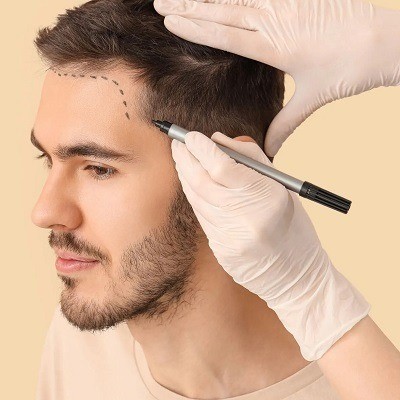
 Hair loss is often perceived as a problem affecting men, but millions of women experience thinning hair or bald spots due to genetics, medical conditions, hormonal changes, or stress. While treatments like medications and topical solutions are commonly used, hair transplantation has emerged as a viable and long-lasting solution for women experiencing hair loss. For anyone considering a Hair Transplant (https://www.enfieldroyalclinics.om/hair-transplant/), understanding how it works for women, its benefits, and realistic expectations is essential.Understanding Female Hair LossHair loss in women differs from men in pattern, causes, and progression. The most common type is female pattern hair loss (FPHL), which usually results in diffuse thinning across the scalp rather than a receding hairline or complete bald spots. Other causes include:Hormonal changes such as menopause or postpartum shiftsMedical conditions like thyroid disorders or autoimmune diseasesStress, poor nutrition, or rapid weight lossCertain hairstyles or treatments that cause traction alopeciaIdentifying the underlying cause is crucial before pursuing a hair transplant, as some types of hair loss may respond better to non-surgical treatments.How Hair Transplants Work for WomenA hair transplant involves relocating healthy hair follicles from a donor area, typically the back or sides of the scalp, to areas with thinning or absent hair. The two main techniques are:Follicular Unit Extraction (FUE)FUE is a minimally invasive method where individual hair follicles are removed and implanted in the thinning areas. Benefits for women include:Minimal scarringFaster recovery timePrecision in restoring natural hair densityFollicular Unit Transplantation (FUT)FUT involves removing a strip of scalp from the donor area and extracting follicles for transplantation. While it may leave a linear scar, it allows for more grafts in a single session, making it suitable for women with extensive thinning.Both techniques are effective for female patients, but the choice depends on hair density, scalp health, and the extent of hair loss.Who Is a Good Female Candidate?Not all women are suitable candidates for a hair transplant. Ideal candidates generally have:Stable hair loss patternsAdequate donor hair on the back or sides of the scalpGood overall healthRealistic expectations regarding resultsWomen with diffuse thinning or insufficient donor hair may require alternative treatments, such as platelet-rich plasma (PRP) therapy or medications, before considering surgery.Designing a Natural-Looking ResultFor women, a hair transplant requires careful planning to achieve a natural appearance. Factors considered include:The overall density of existing hairHair texture and curl patternThe direction and angle of hair growthPatient preferences regarding hairline designSpecialists aim to create subtle density improvements rather than a dramatically new hairline, ensuring results blend seamlessly with natural hair.The Hair Transplant ProcedureThe procedure typically follows a structured timeline:Consultation and Assessment – Evaluation of hair loss type, scalp condition, and donor area quality.Pre-Procedure Preparation – Recommendations may include avoiding medications that interfere with healing and maintaining scalp health.Surgery – Hair follicles are extracted and transplanted under local anesthesia, minimizing discomfort.Recovery – Mild swelling, redness, and scabbing are common in the first week.Hair Growth – Initial shedding occurs within a few weeks. New hair growth typically starts at 3–4 months, with full results visible after 12–18 months.Recovery is generally smooth for women, and careful post-procedure care helps ensure the best results.Benefits of Hair Transplants for WomenHair transplantation offers several advantages for women experiencing thinning hair:Restores natural hair densityImproves scalp coverage and appearanceBoosts confidence and self-esteemProvides a permanent solution when donor hair is sufficientMinimizes reliance on temporary cosmetic solutionsThese benefits make hair transplants a preferred option for women seeking long-term improvement in hair volume and aesthetics.Complementary Treatments for WomenSometimes, a hair transplant alone may not achieve optimal results, especially in women with diffuse thinning. Complementary treatments include:Platelet-Rich Plasma (PRP) Therapy – Stimulates dormant hair follicles and promotes scalp healthTopical or oral medications – Can help slow hair loss and enhance hair strengthNutritional support – Vitamins such as biotin, iron, and zinc support hair growthLow-level laser therapy – Can improve scalp circulation and follicle healthCombining these therapies with transplantation can maximize hair density and maintain long-term results.Frequently Asked Questions (FAQs)1. Can women safely undergo hair transplants?Yes, with proper evaluation and sufficient donor hair, hair transplants are safe and effective for women.2. How long does it take to see results?Transplanted hair may shed initially within a few weeks. New growth typically begins around 3–4 months, with full results visible after 12–18 months.3. Is the procedure painful?Local anesthesia minimizes discomfort during surgery. Mild soreness may occur afterward, which can be managed with standard pain relief.4. Are hair transplants permanent for women?Yes, transplanted hair is generally permanent, as it is resistant to the hormones that cause hair loss. However, ongoing thinning in non-transplanted areas may require additional treatments.5. Can women with diffuse thinning benefit from hair transplants?Results may be less dramatic in women with diffuse thinning if donor hair is limited. Complementary treatments like PRP or medications may be recommended.6. Are there any risks for women undergoing hair transplants?Common risks include temporary redness, swelling, scabbing, or mild infection. Serious complications are rare when performed by experienced specialists.7. How should women care for their hair post-transplant?Gentle washing, avoiding harsh chemicals, and following the specialist’s post-procedure instructions are key. Healthy nutrition and lifestyle habits also support hair growth.ConclusionWomen experiencing hair thinning or hair loss can benefit significantly from a hair transplant, provided they are suitable candidates. Proper evaluation, careful planning, and realistic expectations are critical for achieving natural-looking results. Combined with complementary treatments, hair transplantation offers a long-lasting solution that restores both hair density and confidence. With modern techniques and expert guidance, women no longer need to accept thinning hair as an inevitable part of life—they can take active steps toward regaining a fuller, healthier scalp.
  Hair loss is often perceived as a problem affecting men, but millions of women experience thinning hair or bald spots due to genetics, medical conditions, hormonal changes, or stress. While treatments like medications and topical solutions are commonly used, hair transplantation has emerged as a viable and long-lasting solution for women experiencing hair loss. For anyone considering a Hair Transplant (https://www.enfieldroyalclinics.om/hair-transplant/), understanding how it works for women, its benefits, and realistic expectations is essential.Understanding Female Hair LossHair loss in women differs from men in pattern, causes, and progression. The most common type is female pattern hair loss (FPHL), which usually results in diffuse thinning across the scalp rather than a receding hairline or complete bald spots. Other causes include:Hormonal changes such as menopause or postpartum shiftsMedical conditions like thyroid disorders or autoimmune diseasesStress, poor nutrition, or rapid weight lossCertain hairstyles or treatments that cause traction alopeciaIdentifying the underlying cause is crucial before pursuing a hair transplant, as some types of hair loss may respond better to non-surgical treatments.How Hair Transplants Work for WomenA hair transplant involves relocating healthy hair follicles from a donor area, typically the back or sides of the scalp, to areas with thinning or absent hair. The two main techniques are:Follicular Unit Extraction (FUE)FUE is a minimally invasive method where individual hair follicles are removed and implanted in the thinning areas. Benefits for women include:Minimal scarringFaster recovery timePrecision in restoring natural hair densityFollicular Unit Transplantation (FUT)FUT involves removing a strip of scalp from the donor area and extracting follicles for transplantation. While it may leave a linear scar, it allows for more grafts in a single session, making it suitable for women with extensive thinning.Both techniques are effective for female patients, but the choice depends on hair density, scalp health, and the extent of hair loss.Who Is a Good Female Candidate?Not all women are suitable candidates for a hair transplant. Ideal candidates generally have:Stable hair loss patternsAdequate donor hair on the back or sides of the scalpGood overall healthRealistic expectations regarding resultsWomen with diffuse thinning or insufficient donor hair may require alternative treatments, such as platelet-rich plasma (PRP) therapy or medications, before considering surgery.Designing a Natural-Looking ResultFor women, a hair transplant requires careful planning to achieve a natural appearance. Factors considered include:The overall density of existing hairHair texture and curl patternThe direction and angle of hair growthPatient preferences regarding hairline designSpecialists aim to create subtle density improvements rather than a dramatically new hairline, ensuring results blend seamlessly with natural hair.The Hair Transplant ProcedureThe procedure typically follows a structured timeline:Consultation and Assessment – Evaluation of hair loss type, scalp condition, and donor area quality.Pre-Procedure Preparation – Recommendations may include avoiding medications that interfere with healing and maintaining scalp health.Surgery – Hair follicles are extracted and transplanted under local anesthesia, minimizing discomfort.Recovery – Mild swelling, redness, and scabbing are common in the first week.Hair Growth – Initial shedding occurs within a few weeks. New hair growth typically starts at 3–4 months, with full results visible after 12–18 months.Recovery is generally smooth for women, and careful post-procedure care helps ensure the best results.Benefits of Hair Transplants for WomenHair transplantation offers several advantages for women experiencing thinning hair:Restores natural hair densityImproves scalp coverage and appearanceBoosts confidence and self-esteemProvides a permanent solution when donor hair is sufficientMinimizes reliance on temporary cosmetic solutionsThese benefits make hair transplants a preferred option for women seeking long-term improvement in hair volume and aesthetics.Complementary Treatments for WomenSometimes, a hair transplant alone may not achieve optimal results, especially in women with diffuse thinning. Complementary treatments include:Platelet-Rich Plasma (PRP) Therapy – Stimulates dormant hair follicles and promotes scalp healthTopical or oral medications – Can help slow hair loss and enhance hair strengthNutritional support – Vitamins such as biotin, iron, and zinc support hair growthLow-level laser therapy – Can improve scalp circulation and follicle healthCombining these therapies with transplantation can maximize hair density and maintain long-term results.Frequently Asked Questions (FAQs)1. Can women safely undergo hair transplants?Yes, with proper evaluation and sufficient donor hair, hair transplants are safe and effective for women.2. How long does it take to see results?Transplanted hair may shed initially within a few weeks. New growth typically begins around 3–4 months, with full results visible after 12–18 months.3. Is the procedure painful?Local anesthesia minimizes discomfort during surgery. Mild soreness may occur afterward, which can be managed with standard pain relief.4. Are hair transplants permanent for women?Yes, transplanted hair is generally permanent, as it is resistant to the hormones that cause hair loss. However, ongoing thinning in non-transplanted areas may require additional treatments.5. Can women with diffuse thinning benefit from hair transplants?Results may be less dramatic in women with diffuse thinning if donor hair is limited. Complementary treatments like PRP or medications may be recommended.6. Are there any risks for women undergoing hair transplants?Common risks include temporary redness, swelling, scabbing, or mild infection. Serious complications are rare when performed by experienced specialists.7. How should women care for their hair post-transplant?Gentle washing, avoiding harsh chemicals, and following the specialist’s post-procedure instructions are key. Healthy nutrition and lifestyle habits also support hair growth.ConclusionWomen experiencing hair thinning or hair loss can benefit significantly from a hair transplant, provided they are suitable candidates. Proper evaluation, careful planning, and realistic expectations are critical for achieving natural-looking results. Combined with complementary treatments, hair transplantation offers a long-lasting solution that restores both hair density and confidence. With modern techniques and expert guidance, women no longer need to accept thinning hair as an inevitable part of life—they can take active steps toward regaining a fuller, healthier scalp.
 Wed, 24 December 25 : 6:12 : Enfield Oman
Visit / Join Group to Reply